





Check DNS domain & free online domain info check is an essential tool to help you protect and optimize your website effectively. This ensures the system operates stably, minimizing the risk of cyberattacks.
According to statistics, 75% of website incidents originate from DNS configuration errors or incorrect domain information. DPS.MEDIA has supported hundreds of Vietnamese SMEs to optimize this infrastructure, improving digital marketing effectiveness.
The importance of checking domain DNS in digital marketing strategy
Verify ownership & domain integrity
A domain with correctly configured DNS ensures business emails are not blocked or sent to spam. According to Google Postmaster Tools (2023), over 62% of unauthenticated emails are marked as spam. If you run email marketing campaigns without checking SPF, DKIM, TLS, or MX records, your chances of reaching customers will be very low.
- SPF: identifies servers allowed to send email from the domain
- DKIM: digitally signs and authenticates email content
- MX records: sets up the mail server for the domain
Optimize speed & content delivery capability
Bản ghi DNS giúp phân phối traffic về đúng máy chủ web, email, CDN,… Điều này ảnh hưởng trực tiếp đến trải nghiệm người dùng. Ví dụ: một đơn vị agency không cập nhật DNS sau khi chuyển hosting, khiến cả website và landing page của chiến dịch chạy quảng cáo Google Ads mất kết nối trong 6 giờ. Chi phí thất thoát có thể lên đến hàng triệu đồng.
- Update A, CNAME records when changing DNS/hosting
- Verify TTL (Time to live) to avoid delays
Prevent risks of Domain hijacking & Data leakage
DNS errors can cause domains to be maliciously redirected. According to Palo Alto Networks Security Company (2022), 20% of phishing attacks originate from DNS misconfiguration. Common errors include DNS exposing internal records, not configuring DNSSEC...
| Record type | Purpose | Check |
|---|---|---|
| SPF | Anti-email spoofing | SPF lookup tool |
| MX | Mail distribution | MXToolbox |
| DNSSEC | DNS query security | Whois/DNS check |
DNS checklist for digital marketing campaigns
✅ Verify SPF, DKIM, DMARC are working correctly
✅ Check mail server IP is not blacklisted
✅ Update A/CNAME records when changing hosting
✅ Thiết lập CDN đúng (nếu dùng Cloudflare, AWS…)
✅ Enable DNSSEC and hide WHOIS information if extra security is needed
Brief conclusion
DNS is not just for technical purposes, but also directly affects digital marketing effectiveness and brand reputation.. A few minutes checking DNS can help avoid losses of hundreds of millions of VND in advertising and CRM.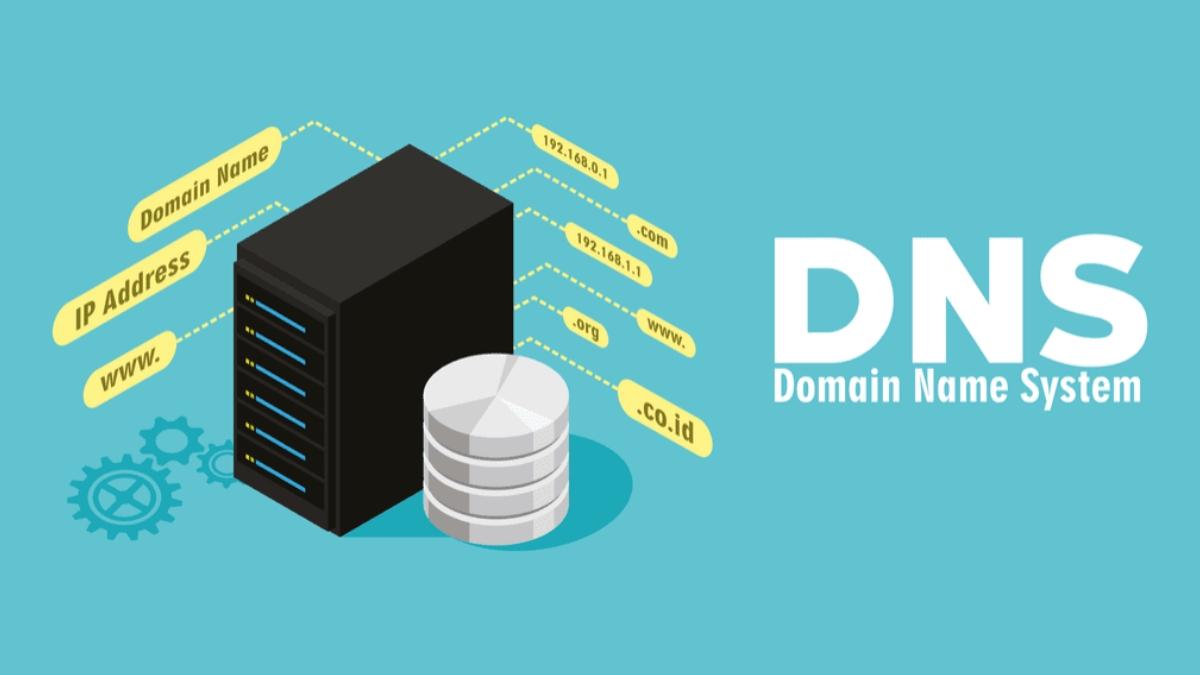
How the DNS system works and its impact on website performance
What is DNS and how does it work?
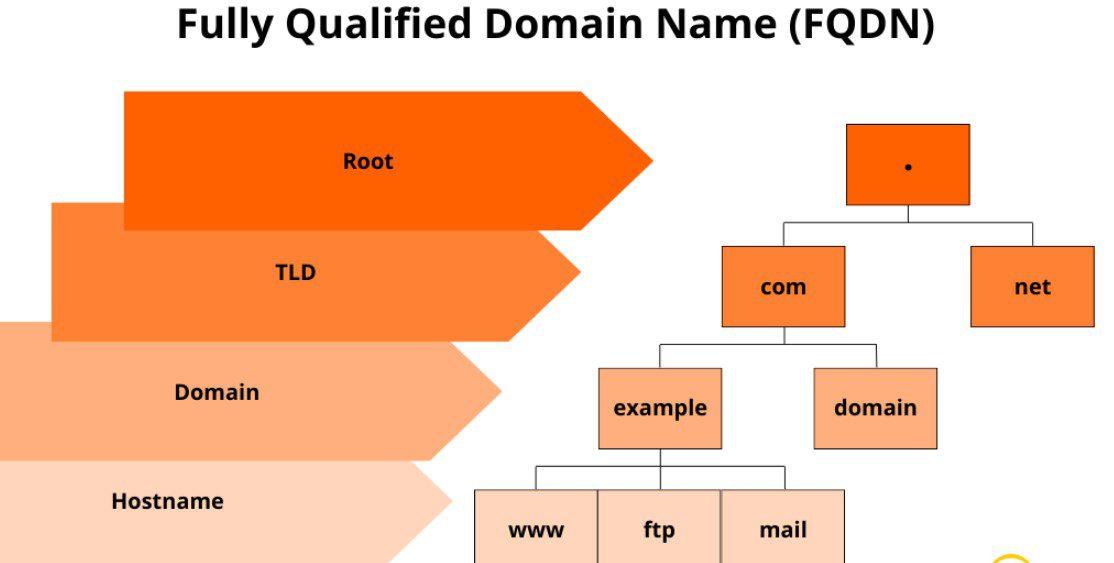
– DNS (Domain Name System) is the system that resolves domain names, converting user-friendly domains like example.com into IP addresses that servers understand (e.g., 192.0.2.1).
– Khi người dùng gõ địa chỉ website, trình duyệt sẽ gửi yêu cầu tới DNS Resolver để tìm IP tương ứng.
– Hệ thống sẽ kiểm tra cache cục bộ,sau đó lần lượt truy vấn đến các máy chủ gốc,máy chủ TLD và cuối cùng là Nameserver của từng website.
Tip: Using DNS with low latency, such as Cloudflare (1.1.1.1) or Google DNS (8.8.8.8), significantly improves page load times.
The real impact of DNS on website speed
– Thời gian phân giải DNS trung bình: 20-120ms (theo Cloudflare Radar, 2023). Nếu DNS quá chậm,toàn bộ quy trình tải trang sẽ bị trễ.
– Websites using slow NS will record TTFB (Time to First Byte) about 30% higher compared to sites using high-speed DNS.
– Example: An e-commerce customer recorded a 12% decrease in bounce rate after switching from unstable free DNS to a paid service like AWS Route 53.
DNS optimization checklist to improve performance
- ✅ Minimize the number of subdomains that need to be resolved.
- ✅ Enable DNS caching on both server and user side.
- ✅ Prioritize Cloud DNS with integrated CDN such as Cloudflare.
- ✅ Check TTL (Time to Live) and reconfigure ideally (1200s - 3600s).
- ✅ Use tools like dnschecker.org or dig to check the DNS response time of each Nameserver.
TTFB comparison table based on DNS type
| DNS Type | Average TTFB time | Reliability |
|---|---|---|
| Free DNS (local ISP) | 190ms | Average |
| Google DNS (8.8.8.8) | 90ms | High |
| Cloudflare DNS (1.1.1.1) | 55ms | Very high |
Challenges and notes when optimizing DNS
– Một số nhà cung cấp DNS miễn phí có thể bị chặn hoặc lỗi truy vấn từ Việt Nam.
- DNS propagation (the process of global DNS update) can take from a few minutes to 48h.
– Changing DNS without synchronizing with server content easily causes service interruption.
Warning: A small change in Nameserver configuration can also make the website inaccessible for hours if not checked carefully.
Key Takeaway
Optimizing DNS not only improves page load performance but also minimizes downtime risks. Regularly check your domain's DNS to ensure smooth system operation, especially if you are running ads or have high traffic.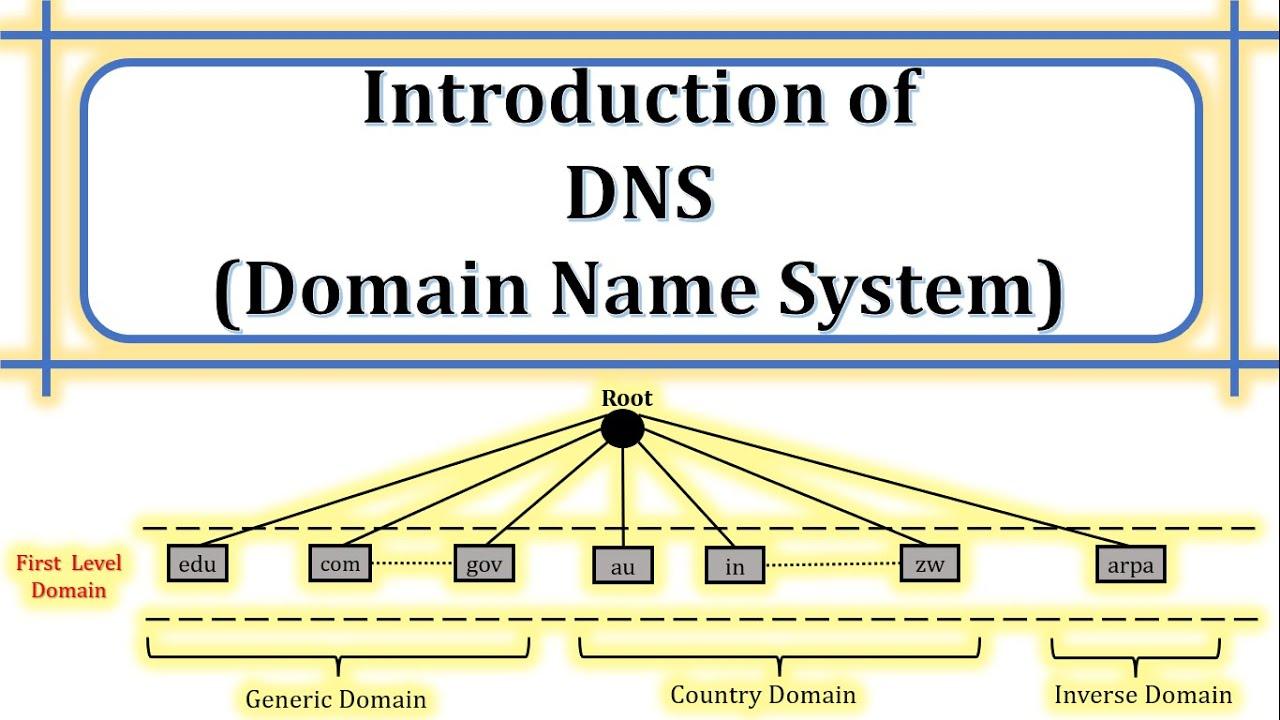
Guide to using free DNS checking and domain information lookup tools
Steps to check DNS and look up domain names
To quickly check the DNS configuration and information of any domain, you can follow these steps:
- Go to an official domain checking tool such as whois.domaintools.com or dnschecker.org.
- Enter the domain name to check (e.g.: yourdomain.com).
- Select the DNS record type to query: A, MX, NS, TXT, SOA…
- View the analysis results and response times from each global DNS server.
Tip: It is recommended to periodically check DNS configuration to detect CNAME duplication errors or SPF records missing authentication marks early.
Checklist of items to pay attention to when checking
Below is a list of important information you should check each time you access a domain:
- Registration status: Still valid or expired
- DNS propagation: Has it been properly distributed to the servers?
- WHOIS contact information: Is it hidden or public?
- DNSSEC security: Is it enabled?
Summary table of example check results
For example, checking the domain “thietkewebabc.com” with an A record:
| Record type | Value | TTL |
|---|---|---|
| A | 203.119.8.105 | 3600 |
| NS | dns1.vina.com.vn | 86400 |
| MX | mail.thietkewebabc.com | 7200 |
Ví dụ thực tế & rủi ro tiềm ẩn
An (anonymous) business accidentally let their domain expire for 24 hours, causing all internal email to be completely shut down. According to ICANN's report (2023), up to 18% of DNS incidents stem from inconsistent configuration between records.
Warning: Lack of regular checks can lead to forged TXT records (SPF, DKIM) and result in brand spoofing emails.
Quick conclusion
Checking DNS & domains not only prevents incidents but also supports security & operation optimization. Maintain a habit of validating DNS at least once/month!
Analysis of important parameters when checking DNS to ensure stability and security
1. DNS Response Time
This is one of the most important metrics to monitor when you check DNS domain. High response time can cause delays in website loading, affecting user experience.
– Loading time should be under 100ms (according to Pingdom, 2023)
– Kiểm tra từ nhiều vị trí địa lý để phát hiện nút thắt mạng
– Dùng công cụ: DNSPerf, DNS Spy
2. DNS record status (A, MX, CNAME...)
A full analysis of existing records helps determine whether the DNS configuration is accurate and complete. Errors in records can easily lead to undelivered/received emails or 404 error pages.
List of important records to check:
– A, AAAA: Địa chỉ IP của domain
– MX: Gửi và nhận email
– CNAME: Alternative domain name
– TXT: SPF, DKIM, DMARC to protect email
– NS: Official Name Server
| Record type | Main role | Security note |
|---|---|---|
| MX | Email routing | Set up SPF and DKIM correctly |
| TXT | Verification & security | add DMARC to prevent spoofing |
| CNAME | Redirect subdomain | Do not point to uncontrolled domains |
3. DNSSEC: Prevent DNS spoofing
DNSSEC technology helps verify data sources and prevent DNS spoofing attacks (man-in-the-middle). However, not all providers enable it by default.
– According to Statista (2023), only 27% of global domains enable DNSSEC
– Self-managed VPS usually needs manual DNSSEC configuration
– If DNS does not have DNSSEC, users can be redirected to fake pages
Quick DNS Check Checklist
- ✅ Ensure A & MX records return the correct IP and host
- ✅ Check SPF, DKIM, DMARC to prevent email spoofing
- ✅ Authenticate NS as the official name server
- ✅ Test DNS latency from multiple locations (DNS Benchmark)
- ✅ Consider enabling DNSSEC if supported
Short summary
Checking DNS not only helps your website run quickly and stably but also avoids unnecessary security risks, especially with business domain emails. With a few actions like checking TXT records or enabling DNSSEC, you have significantly reduced the risk of spoofing and phishing from bad actors. Remember to check periodically every 3-6 months or when changing system infrastructure.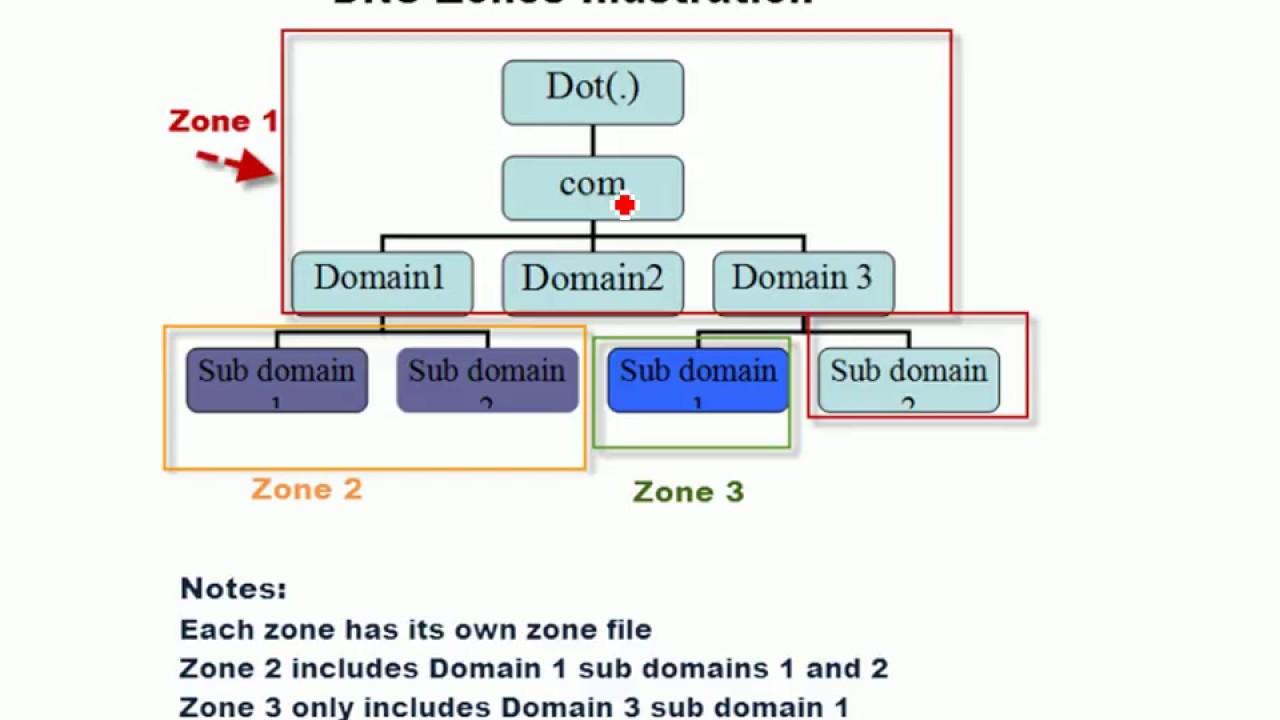
DNS configuration optimization tips to enhance user experience and SEO
How does DNS configuration affect website speed?
Slow DNS routing can cause a website to take up to 1-2 seconds to load the page – this causes the bounce rate to increase by nearly 32% according to Google research (2023). An optimized DNS system will help users access faster and minimize page load time.
Các bước kiểm tra & tối ưu DNS cơ bản
Regularly check DNS records to ensure there are no errors or misconfigurations:
- Use free tools like DNS Checker, mxtoolbox for instant checks
- Verify the consistency of A, CNAME, TXT records globally
- Enable DNSSEC to protect against DNS spoofing
Effective DNS configuration optimization checklist
- ✔ Check appropriate TTL (usually from 300-1800 seconds)
- ✔ Verify response speed < 150ms in the target market
- ✔ Remove unused records to reduce DNS latency
- ✔ Set up SPF, DKIM, and DMARC records to support email deliverability
Real-life example: E-commerce company A
An e-commerce business in Ho Chi Minh City recorded a 42% reduction in average response time after switching DNS from the default server to Cloudflare (according to internal report Q2/2023). As a result, the conversion rate increased by 8.7% after 6 weeks of implementation.
| Indicators | Before | After |
|---|---|---|
| DNS response time | 320ms | 185ms |
| Conversion Rate | 2.4% | 3.1% |
Warnings & risks to note
- If the IP or domain is misconfigured, it may cause page loading errors
- Incorrect SPF/DKIM records affect email marketing deliverability
- Changing DNS without understanding propagation time causes service interruptions
Brief takeaway
Checking & optimizing DNS not only helps the website load faster but also directly affects SEO and long-term user experience. Be proactive in monitoring DNS periodically to maintain optimal performance.
–
DPS.MEDIA – Supporting SMEs to upgrade DNS systems and optimize web infrastructure.
Handling common DNS-related issues and effective domain management
Lỗi DNS phổ biến & cách nhận diện
When a domain is not functioning properly, the cause often comes from incorrect DNS configuration. Here are some common errors you should check:
- ❌ Not pointing to the correct IP address (A record or CNAME).
- ⛔ Slow DNS propagation: can take 24-48h.
- ❗ TTL too long makes it difficult to quickly update DNS configurations.
- ⚠️ Missing or incorrect MX records leading to email loss.
Tips: Use tools like whatsmydns.net to check DNS resolution status by geographic region.
Quick DNS error troubleshooting checklist
Here is a list of steps to help you check and handle the process correctly:
- ✅ Ensure DNS points to the correct current hosting/IP.
- 🔍 Check that the domain has not expired at whois.icann.org.
- 🛠 Use DNS lookup tools to verify each record.
- 📩 Recheck the MX record with SMTP test services if email errors occur.
- 🔁 Temporarily reduce TTL to 300s when a quick update is needed.
Tips: Always keep periodic backup DNS records in case a quick rollback is required.
Real-life example: Customer lost email for 3 days
A small business in the e-commerce sector experienced a complete loss of internal email for 72 hours. Cause: MX record was deleted when switching DNS to a new provider. After support from DPS.MEDIA:
- → Restored MX record from old log
- → Deployed SPF, DKIM to prevent loss or spam
- → Giảm rủi ro mất dữ liệu qua hệ thống đồng bộ GWS
Common DNS structure table
| Record Type | Function | Example |
|---|---|---|
| A | Trỏ tên miền đến IP | mydomain.com → 123.456.789.10 |
| CNAME | Redirect to another domain | www.mydomain.com → mydomain.com |
| MX | Set up email server | mail.mydomain.com |
| TXT | Authenticate SPF, DKIM, etc. | v=spf1 include:_spf.google.com ~all |
Risks & warnings when changing DNS
Changing DNS directly affects the operation of the website and email system – it can even make the website “take a break” temporarily if configured incorrectly. According to a report from Verisign (2023), more than 5% of business domains suffered downtime >3 hours due to DNS errors not being tested beforehand.
Tips: Always thoroughly check in the staging/testing environment before applying to the production system.
Brief takeaway
Managing DNS effectively requires accuracy and strict control. Do not just rely on “auto” or defaults from the provider – actively check regularly and use free DNS check tools to prevent incidents in time.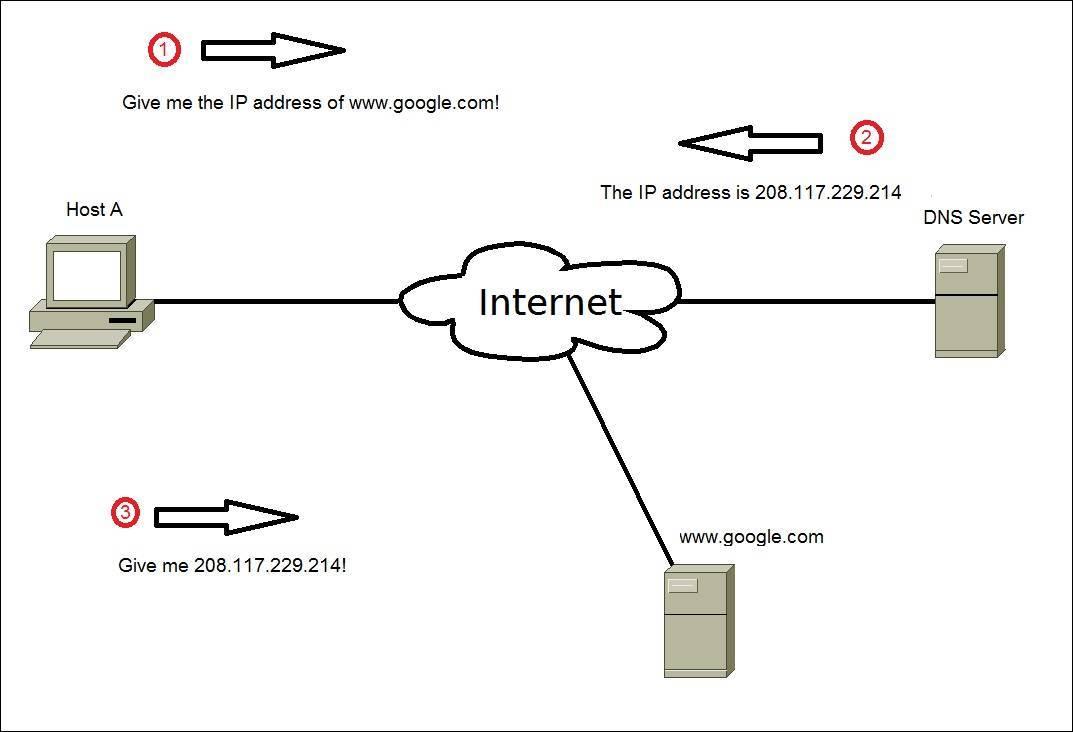
The importance of checking domain ownership information in building an online brand
Building trust and increasing reliability
domain ownership verification helps ensure that the brand is operating legally and transparently. According to ICANN (2023), over 45% of users have refused to purchase due to doubts about the authenticity of a website.
- Official domain increases brand credibility
- Transparent WHOIS information makes legal verification easy
- Helps increase customer conversion rates
Reducing the risk of online brand hijacking
Bad actors can impersonate brands by registering similar domains for fraud. The “domain squatting” situation makes businesses miss the opportunity to protect their online reputation.
Domain ownership verification checklist
- ✅ Access the free WHOIS tool → check address, contact email
- ✅ Compare domain information with the company’s legal information
- ✅ Check expiration date – avoid losing ownership
- ✅ Enable WHOIS protection if the domain is important
Comparison table: Verified domain vs. anonymous domain
| Headline | Verified domain | Unknown owner domain |
|---|---|---|
| Reliability | High | Low |
| Risk of impersonation | Low | High |
| Easy brand management | Yes | No |
Real-life example: Case of a business being impersonated
In September 2022, a cosmetics brand in Hanoi was scammed through a fake domain with an extension similar to the brand name. Customers transferred money in advance following instructions from the impersonating domain, causing losses of over 200 million VND. Early WHOIS checks and domain locking could have prevented this incident.
Key Takeaway
Checking domain ownership information plays a key role in building a safe and transparent brand in the digital environment. This is not just a technical step, but also a strategy to protect reputation and user trust.
Looking back on the journey so far
Checking DNS and looking up domain names helps protect the brand, optimize website performance, and increase control over data in the digital environment.
Understanding the domain name system is the first step to success in digital.
Access the free DNS checking tool now to review your domain information.
Just a few minutes of checking can help you detect potential issues early.
You should also learn more about SSL, hosting, and CDN for web security.
They are indispensable components for the stability of enterprise digital infrastructure.
DPS.MEDIA always accompanies SMEs in the process of effective and sustainable digital transformation.
Leave a comment below if you have any questions or want to share more information!




Ý kiến bạn đọc (9)
Đăng nhập để bình luận
Đăng nhập nhanh 1-chạm bằng Google để chia sẻ ý kiến của bạn về bài viết.
Bằng cách đăng nhập, bạn đồng ý với điều khoản và chính sách cộng đồng.
Chưa có bình luận nào. Hãy là người đầu tiên chia sẻ cảm nghĩ!
Đăng nhập / Tạo tài khoản
Đăng nhập với Google để gửi bình luận và tương tác cùng cộng đồng.
Tiếp tục là đồng ý với điều khoản sử dụng và chính sách bảo mật của DPS Media.