




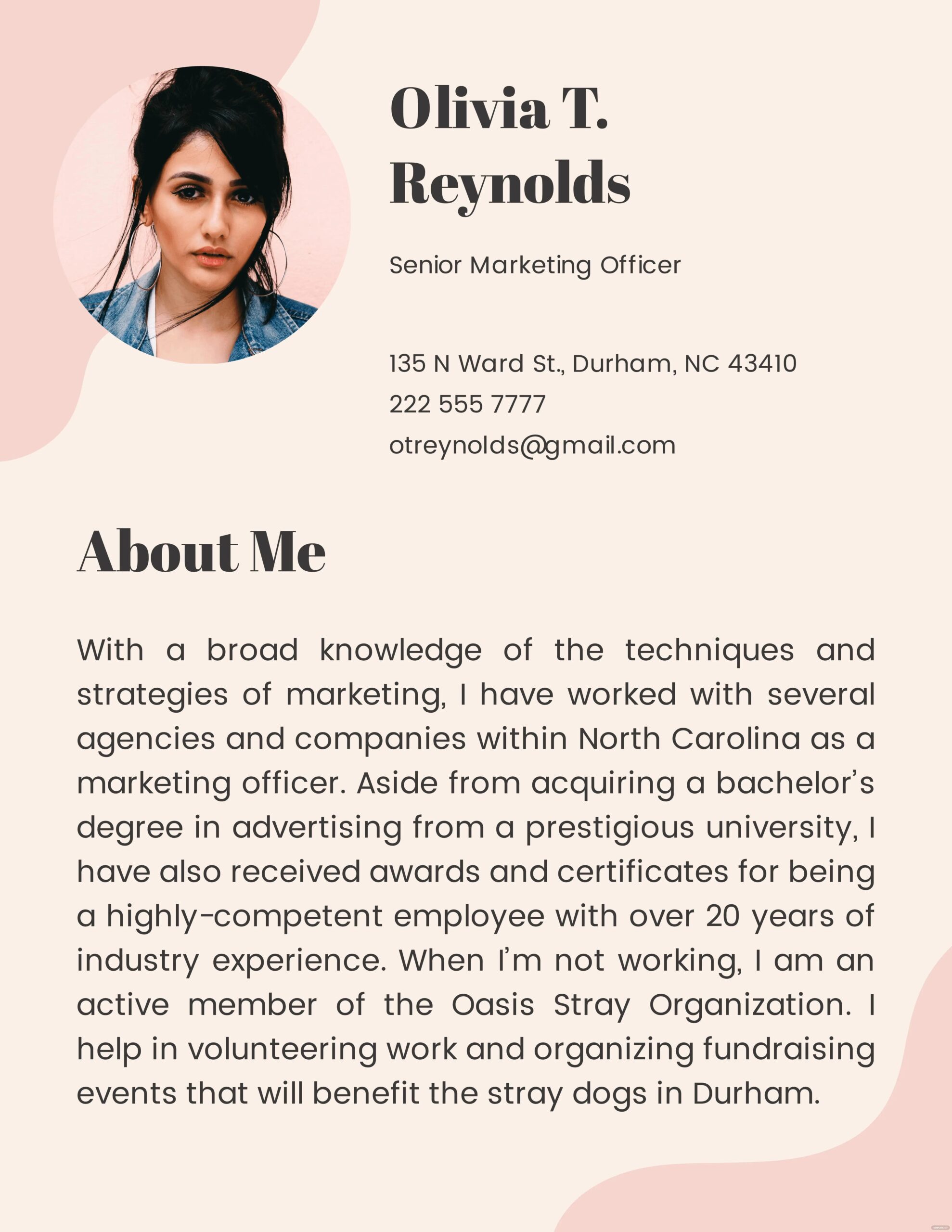

“Writing an engaging self-introduction” is the first step to turning strangers into your first customers. In the digital age, where consumers spend an average of only 8 seconds deciding whether to keep reading or not, what you say in the first few lines can make a life-or-death difference for your brand or personal product..
At DPS.MEDIA, we have found that 80% of small business owners do not take advantage of their self-introduction, thereby missing opportunities to connect with potential customers. An unclear, generic introduction will make you fade among hundreds of content competitors out there.
The key point when writing a self-introduction is not to “talk about yourself”, but to “present the value you bring”. Customers don't care how many projects you've done; they only really pay attention if they see you can solve their problems or help them achieve what they want.
An effective introduction needs to clarify three elements: who you are, what you do, and why the reader should trust you. Answer quickly, naturally, and focus on the benefits others receive—instead of listing degrees or titles.
In the online business environment, self-introduction doesn't just appear in the “About” section on your website. It's also the bio on social media, the opening in an email, or even how you send the first message to a customer. This is the “first wave” that determines whether you create a good impression or not.
Therefore, treat your introduction as a short advertisement you are investing in yourself—the clearer, the stronger, the easier it is to convert. Personal branding is not about how you praise yourself, but about the impression the other person has after reading the first few lines you send.
Understand the target customer to introduce with the right focus
Clearly define the customer persona to choose the appropriate language
Thông điệp giới thiệu ban đầu cũng như một tờ danh thiếp kỹ thuật số — nếu không đúng tông, sẽ bị bỏ qua chỉ trong vài giây.Tại DPS.MEDIA,chúng tôi thường bắt đầu bằng việc identifying a specific customer persona: who they are, what they care about, and what value they expect to receive from you. This is the principle emphasized in the model Value Proposition Canvas by Strategyzer: to deliver a focused introduction, you need to communicate directly with pain points and desires of the customer.
A typical example is a campaign for an education client that DPS.MEDIA implemented: instead of introducing it as “We provide high-quality e-learning solutions”, we adjusted it to: “Increase course completion rates by 32% in just 3 weeks – thanks to an online training tool custom-designed for Vietnamese students”. By speaking to what the customer is looking for, the initial campaign results nearly doubled compared to the original expectations.
Select content according to the customer's level of awareness
Based on the Awareness Level classified by Eugene Schwartz in the book Breakthrough Advertising, DPS.MEDIA recommends adjusting the introduction according to the following levels:
| Awareness Level | Appropriate introduction method |
|---|---|
| Unaware | Stimulate emotions - tell a story or raise a common issue to get their attention |
| Problem aware | Introduce through pain – emphasize that you solve the problem they are facing |
| Recognize the solution | Highlight the specific solution – name the solution and its direct benefit |
| Brand recognition | Focus on the difference – explain what you do better than competitors |
| Ready to take action | Clear call to action – guide them to the next action |
Don’t say “we can do everything” – instead, say exactly what they need to hear.

Choose a tone of voice that fits the brand and industry
Tone of voice is the identity that shapes the first impression
Introducing yourself is not simply listing titles or experience – it’s a golden opportunity to showcase your brand’s personality. According to research from Nielsen Norman Group (2021), consistent tone of voice increases brand recall by 20%. Therefore,choosing language and tone appropriate to your industry will help your message connect with customers from the very first line..
At DPS.MEDIA, we recommend SMEs choose tone of voice based on:
- Industry: Finance requires credibility; cosmetics need sophistication and closeness; technology should have a creative, futuristic approach.
- Target customer insight: A Gen Z customer will respond better to a friendly tone with a sense of “meme culture”, while B2B customers prefer a professional tone that is not too dry.
- Communication objectives: Are you building a community, selling directly, or emphasizing expertise?
Maintain style but be flexible across different platforms
A common mistake of many SMEs is applying the same writing style to all channels. Meanwhile, research from HubSpot shows that engagement rates increase by 67% when content is tailored to the platform context..
| Platform | Appropriate tone of voice |
|---|---|
| Professional, combined with personal storytelling (personal branding) | |
| Friendly, with a local and approachable vibe | |
| Zalo Official Account (OA) | Concise, focused on benefits and credibility |
| Business website | Neutral, clear structure, and oriented |
Case Study: An accounting service using a “close yet genuine” tone”
Instead of introducing yourself stiffly like: “We are a company specializing in providing professional accounting services…”, a content strategy that DPS.MEDIA advised for a client suggested switching to a more approachable tone: “We help business owners sleep well without worrying about the books”.
This writing style not only creates empathy but also clearly conveys the benefits – communicating by value, not by title. This is a typical example of choosing the right tone of voice, delivering the right message at the right time.

Make a strong impression with a concise brand story opening
Brand story: 3 seconds to make readers want to stay
“we started from a 12m² room with an old computer, a whiteboard, and a dream…” – that was the opening line in the introduction section of a client whom DPS.MEDIA helped build a personal brand with a digital-first approach. When shared on Facebook and LinkedIn, the post attracted more than 12,000 organic views within just 48 hours. Why? Because readers were not “forced” with information, but instead invited into a journey.
From practical experience and supporting more than 50 SMEs in Vietnam, we realized: Introducing yourself is an important “opening script” just like a movie trailer. If it’s not engaging from the start, customers will change the channel.
3 elements your personal brand should have to “capture attention” within the first 20 seconds
| Factors | Presentation style | Achieved effect |
|---|---|---|
| 1. Start from the truth | Begin with something small, everyday, and relatable | Create a human connection and reduce the feeling of “being sold to” |
| 2. A turning point | Talk about the moment you had to change direction | Spark curiosity, keep the reader engaged with the story |
| 3. Clear value | State what you do well and are passionate about, without rambling | Build trust, inspire the need for cooperation |
We once published the “Portrait of a Marketer” series on our blog using this structure. With just one article per week, the click-through rate was 23% higher than regular posts. Introducing yourself may seem simple, but if done correctly, it’s exactly the reason customers seek you out without you having to sell.
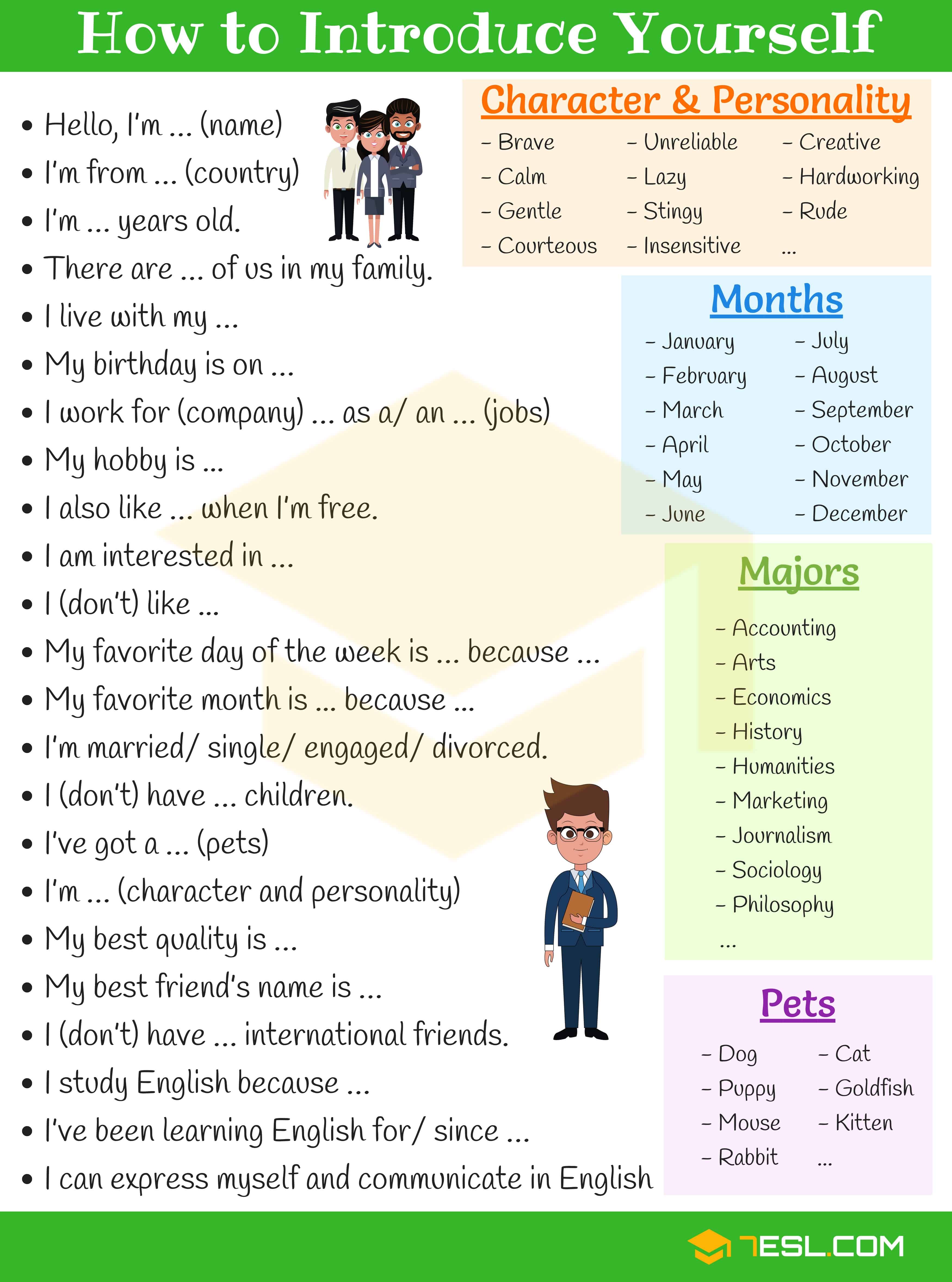
Focus on the value you bring instead of listing achievements
Focus on the real benefits you solve for customers
When writing an introduction to attract your first customers, many SMEs make the common mistake of only listing their personal achievements or awards. However, according to DPS.MEDIA — a unit specializing in digital consumer behavior research in Vietnam, that’s not enough to build trust. Readers – especially potential customers – need to see that you can solve their real problems.
Instead of saying “we have 10 years of experience” or “won XYZ award”, write like this:
- “Help businesses increase marketing conversion growth by 65% in just 3 months.”
- “Implement sales content to triple engagement rate, reduce costs by 40%.”
According to research by Harvard Business Review (2023), descriptions that focus on specific value delivered to customers have a 47% higher reconnection rate compared to descriptions that simply state capabilities.
Compare the impact of achievements versus the value delivered
| Description style | Example | Connection effectiveness (estimated) |
|---|---|---|
| List achievements | “Won the ASEAN Advertising Campaign Gold Award 2019” | 35% |
| Emphasize the value received by customers | “Helped an imported brand increase orders by 3.2 times after 60 days of funnel optimization” | 82% |
Illustrative case study from a DPS.MEDIA client – a startup in the organic food industry: Instead of starting their profile with “We started our business in 2020”, they were guided to write: “From the first 50 orders, we now deliver fresh vegetables weekly to 600 households in Ho Chi Minh City.”. This shift helped them double the rate of customers reading the entire introduction in just 2 weeks.

Use images and design to enhance emotion and credibility
Create an emotional impression with a professional personal image
In the field of digital marketing, we at DPS.MEDIA have found that a personal profile picture is not just a visual element – it is “the ”emotional touchpoint” that first builds trust. A clear portrait, minimalist background, natural lighting, and open posture (direct eye contact, gentle smile) can increase by up to 38% the likelihood that visitors feel connected at first sight (according to Harvard Business Review, 2020).
Try putting yourself in the customer’s shoes – you’ll more easily relate to a professional, charming expert in their image than to a blurry, poorly invested photo. For easier visualization, see the table below:
| Profile picture | Customer impressions |
|---|---|
| Professional personal photo, good lighting | Trustworthy, approachable, easy to connect |
| Careless selfie, messy background | Unprofessional, raises doubts |
Introduction design: Minimalist but shows personality
The layout design of your self-introduction should both convey emotion and clearly deliver core information. According to DPS.MEDIA's approach, a good layout emphasizes your personal story, outstanding abilities, and working style—all neatly “packaged” in a format that is easy to read and mobile-friendly.
Elements that should be combined:
- Brand colors: Create consistent identity, increase personal brand recall.
- Modern fonts: Easy to read, gives a youthful and professional feel.
- Sophisticated icons/symbols: Instead of dry listing, visuals help “say less, understand more”.
Case study: How a financial expert increased engagement by 60%
A DPS.MEDIA client – Mr. Lam, an investment consultant in Ho Chi Minh City – once had a purely text-based introduction, with no images and no clear structure. After we helped him redesign the introduction section using visual storytelling with a navy blue tone, finance industry icons, and a professional personal photo, the retention rate on his page increased by nearly 60% in just 2 weeks.
Key takeaway? People always respond more positively to images with emotional depth and a neat design that clearly conveys information. When you can deliver the feeling of “I understand you” right from the first layout—you’ve already won half the battle in building trust with potential customers.

Integrate a natural call to action into the introduction
Turn the introduction into the first connecting bridge
When customers first visit a personal profile, website, or fanpage, they usually spend only about 7 seconds to decide whether to keep reading (according to research by Nielsen Norman Group). Therefore, the introduction should not only be concise but should also naturally “guide” readers toward the next action. At DPS.MEDIA, we often advise SME clients to integrate a subtle CTA that feels natural rather than forced, yet remains compelling.
Instead of writing: “I have 5 years of marketing experience and have worked with many brands.”, you can rewrite as follows:
- I help startups find their brand voice through digital content strategy, check out some of my featured projects below.
- Are you looking to improve your advertising performance? I have some lessons from campaigns run with the DPS.MEDIA team – sign up for a free consultation on the right side of the page.
A practical guide to integrating a storytelling-style CTA“
Vietnamese SMEs often respond better to personal and authentic calls to action rather than formulaic slogans. Research by Harvard Business Review shows that modern consumers tend to trust information that feels “internalized” and is shared by real people rather than rigid banner-style messaging.
| Typical writing style | A more natural CTA variation |
|---|---|
| “Contact us now for a consultation.” | “Are you facing a similar problem? I once advised a business like yours on this solution – let me help you get started.” |
| “see more services here.” | “Curious how we helped a furniture brand increase its conversion rate by 48%? The details are in this link.” |
From our perspective at DPS.MEDIA, the introduction is where you subtly plant the “seed of action” through authentic storytelling,specific examples and a gentle nudge for the reader to take one more step. Think of it as an emotional trailer – but intriguing, not revealing everything.
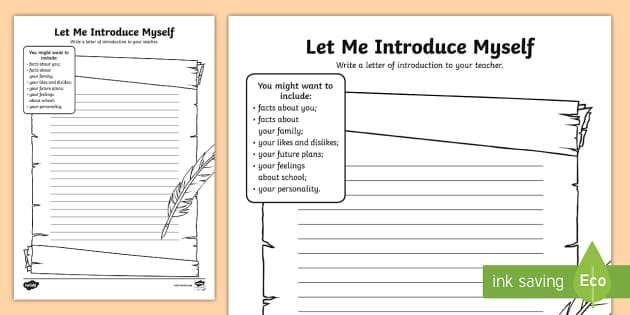
Check and optimize introduction content across multiple digital platforms
Optimize messages for each platform to deliver effectively
Every digital platform has its own user behavior and suitable content formats. Therefore, an engaging introduction on LinkedIn may not be equally impressive on Facebook or an Instagram Bio. DPS.MEDIA recommends using the “Micro-Personal Branding” strategy – a concept originating from research by University of Amsterdam (2022) – helps personalize messages for each platform type while maintaining the core consistency of personal branding.
Practical example: When building a founder profile for a startup in Da Nang, we implemented three versions of the introduction:
- LinkedIn: Focused on achievements, professional vision, and growth figures.
- Facebook: Incorporated personal elements, an inspiring founding journey.
- Website: Strong emphasis on business capabilities and differentiators compared to competitors.
Result: in just 6 weeks, LinkedIn connections increased by 471%, collaboration inboxes on Facebook doubled (2.1x), and website session duration rose by over 601% – demonstrating that testing and optimization have a clear impact.
Comparison table of introduction formats on major platforms
| Platform | User characteristics | Suggested introduction format |
|---|---|---|
| Professional, B2B, seeking partners | Lead with results, insert data and achievements | |
| Friendly, personal interaction | Incorporate storytelling, use an emotional and approachable tone | |
| Visual, young audience | Short description line, combine meaningful emojis and hashtags | |
| company website | Official information, competency review | Full details, clear structure and reasonable navigation |
According to Harvard Business Review (2021), as many as 78% of internet users evaluate a personal brand based on content consistency across channels. But consistency does not mean “copying everything exactly”. DPS.MEDIA believes that success lies in understanding the context and user behavior on each platform to flexibly optimize content and maximize impact.
Negative balance still remains
Writing an introduction to attract customers is not just about word choice, but also about how you tell your brand story – concise, succinct, yet inspiring and building trust from the first impression. Your words should align with the real value you bring, while also shaping the right expectations in potential customers.
As DPS.MEDIA often emphasizes in digital marketing strategies for SMEs,brand identity starts with you – the first representative who makes customers want to learn more..Take time to practice, experiment with different expressions, and observe market feedback to adjust accordingly.
If you are interested in building a consistent personal image within your overall brand identity system, or want to delve deeper into storytelling in marketing, now is the time to take your business development journey further in the digital environment.
DPS.MEDIA is ready to accompany you in optimizing customer communication channels, from Social Media to Website, Email Marketing, and more. And we always believe: every introduction, if crafted carefully and strategically, will be the key to unlocking sustainable relationships.
Have you ever tried writing your own introduction? Share your perspective, story, or questions in the comments below – we look forward to discussing with you!

Ý kiến bạn đọc (0)
Đăng nhập để bình luận
Đăng nhập nhanh 1-chạm bằng Google để chia sẻ ý kiến của bạn về bài viết.
Bằng cách đăng nhập, bạn đồng ý với điều khoản và chính sách cộng đồng.
Chưa có bình luận nào. Hãy là người đầu tiên chia sẻ cảm nghĩ!
Đăng nhập / Tạo tài khoản
Đăng nhập với Google để gửi bình luận và tương tác cùng cộng đồng.
Tiếp tục là đồng ý với điều khoản sử dụng và chính sách bảo mật của DPS Media.