





Takeaway:
Small businesses do not need expensive tools to manage backlinks effectively – the important thing is to monitor regularly, identify risks, and act promptly to maintain sustainable SEO strength.
Detailed analysis of backlink quality metrics to assess source credibility
1. Important metrics to monitor
To evaluate the quality of a backlink, you cannot rely solely on quantity. You need to analyze the following metrics:
- domain Rating (DR): Indicates the overall authority of the website, provided by Ahrefs. DR of 50 or higher is considered good quality.
- URL rating (UR): Assesses the strength of the specific URL containing the backlink. High UR along with relevant content is a good sign.
- Spam Score: Moz's metric (0-17) helps detect spam risk. >7 is often a warning sign.
- Dofollow/Nofollow: “dofollow” backlinks provide real SEO value, but should only account for about 60-70% to diversify the link profile.
💡 TIP: A reputable website with high DR but with links placed in the footer or site-wide can still be considered unnatural. Prioritize links within the main content.
2. Checklist for evaluating backlinks from the start
Before adding a backlink or when checking old backlinks, you can use the following checklist:
- Does the linking website have content on the same topic?
- Is the link placed within the article (not in the sidebar/footer)?
- Does the website have a history of spam or Google penalties?
- Is the backlink from reputable domains (e.g., .gov, .edu, or mainstream news sites)?
3. Practical examples & report data
Một khách hàng (ẩn danh) của DPS.MEDIA từng có hơn 500 backlink nhưng phần lớn đến từ blog comment ở các website có Spam Score >10. After removing 65% of bad links, the main keyword ranking increased from #32 to #9 in 3 months (according to Ahrefs, Q2/2023).
| metrics | Safe threshold | High risk |
|---|---|---|
| Domain Rating (DR) | > 30 | < 15 |
| Spam Score | 0 – 4 | > 7 |
| Dofollow Ratio | 50 – 70% | > 90% or < 20% |
4. Risks of ignoring backlink analysis
Not thoroughly checking link quality can lead to Google penalties related to unnatural links. Penguin algorithm update (Google, 2016) caused thousands of websites to drop in rankings due to backlinks from PBNs or spam forums.
⚠️ Note: Index evaluation should not be done only once but needs to be checked periodically (every 2-3 months) to promptly handle bad links.
Takeaway:
A quality backlink comes not from quantity but from relevance, naturalness, and authority metrics. Systematic analysis will help protect your website ranking from unexpected algorithm changes.
Strategy to safely remove bad backlinks without affecting SEO
1. Accurately identify bad backlinks
First, you need to filter and clearly categorize low-quality links. Some common signs:
– Backlinks from spam websites and irrelevant content
– Links from domains with low DA (Domain Authority) or penalized by Google
– Backlinks coming from unclear PBN (Private Blog Network) networks
2. Propose a safe removal process
Instead of mass removal which may trigger abnormal reports, proceed step by step:
– Contact webmaster and request link removal (response rate ~10-15% – Ahrefs Report, 2022)
– Use Google's Disavow tool to block uncontrollable domains
– Track effectiveness by measuring DR (Domain Rating) and organic Traffic metrics
Real-life example: An online retail business lost nearly 40% of its traffic after receiving 500+ backlinks from anonymous forums. After disavowing all, search traffic recovered after 6 weeks.
3. Checklist for step-by-step removal of bad backlinks
- ☐ Download the entire backlink profile from Ahrefs/SEMrush
- ☐ Mark backlinks from unrelated websites
- ☐ Send removal request email if contact information is available
- ☐ Prepare a txt file and submit via Google Disavow Tool
- ☐ Monitor Google Search Console for the next 4 weeks
4. Comparison table: proactive vs. passive actions
| Strategy | Benefit | Risks |
|---|---|---|
| Proactively disavow | Protect the brand, maintain SEO | May miss good links if not thoroughly evaluated |
| Wait for Google to process | Time saving | Risk of ranking drop, loss of traffic |
5. Notes when handling bad backlinks
– Google does not encourage abusing the Disavow Tool unless truly necessary (Source: Google Search Central Blog, 2023)
– Prioritize removing links before disavowing to create better signals
– Avoid accidentally removing quality backlinks: This can negatively affect rankings
Takeaway
An effective bad backlink handling strategy requires regular checks and evidence-based actions. Be proactive in protecting your website instead of waiting for Google's algorithm penalty.
Techniques to rebuild quality backlinks after cleaning harmful links
Rebuilding from a clean foundation
After removing toxic backlinks, rebuilding the link system is an important step to improve domain authority. However, do not rush to “dump backlinks”; prioritize building a slow and SEO-friendly strategy.
Action list to restart effectively:
- Focus on creating high-quality content with natural shareability
- Contact reputable sites that previously had bad links (if any) to request anchor or linked content changes
- Use analysis tools – for example: Ahrefs, SEMrush – to measure new backlinks over time
Start with links from trusted sources
Prioritize sharing articles on moderated community platforms such as Reddit, Medium, and LinkedIn. Posting guest posts on industry-related blogs also helps quickly improve domain name credibility. Real-life example: A cosmetics website in Vietnam increased its organic traffic by 42% in 3 months after shifting to a strategy of acquiring backlinks from beauty experts (source: Internal DPS.MEDIA report, 2023).
Tip: Creating a high-quality link from an article with real traffic > 500/month is more effective than 10 backlinks from blogs with no readers.
Regularly check and maintain new backlinks
Even high-quality backlinks need to be monitored and periodically checked to ensure they are not switched to nofollow, broken redirects, or deleted.
Monthly maintenance checklist:
- Run a backlink report once a month
- Verify Outbound link status – follow/Nofollow
- Update anchor text if adjustments are needed according to SEO strategy
Summary table: Quality backlink building channels
| Channel | Level of credibility | Traffic generation capability |
|---|---|---|
| Medium.com | High | Average |
| Industry-related blog | Very high *(if selected carefully)* | High |
| Reddit (moderated) | Average | High if targeting the right subreddit |
Notes on risks & challenges
Not every backlink brings positive results. Buying links or spamming anchor text can lead to penalties from Google Penguin (2022 update – searchenginejournal).
Warning: Do not try to shorten the link building process with automated software – Google has upgraded AI to detect unnatural links.
Takeaway:
Rebuilding the backlink system after cleanup is a process that requires a long-term strategy. Prioritize quality over quantity – and focus on links that bring real value to users.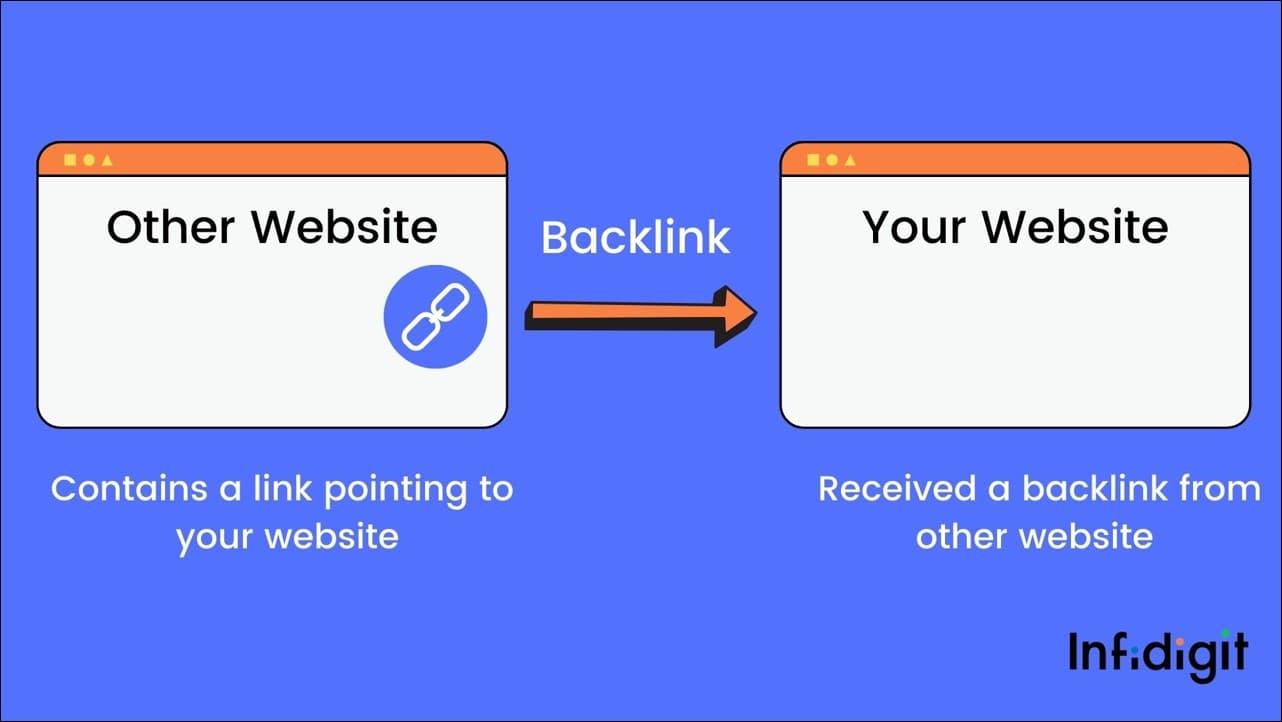
Monitoring effectiveness and maintaining Google rankings after handling bad backlinks
Monitoring rankings and traffic after processing
After removing low-quality backlinks, you need to monitor changes in keyword rankings and organic traffic:
– Use Google Search Console to compare results before and after disavow.- Check the positions of main keywords on Google within 2-4 weeks.
– Pay attention to metrics such as CTR, clicks, and displayed pages.
TIP: Create a clear annotation in Google Analytics on the day you submit the disavow file to help track the impact more accurately.
Checklist for periodic monitoring after handling bad backlinks
To ensure you maintain your position on Google, implement a regular monitoring process:
- ✅ Check new backlinks weekly using Ahrefs or SEMrush
- ✅ Compare keyword rankings before and after (at least once a month)
- ✅ Monitor “Manual action” warnings in Google Search Console
- ✅ Update the disavow file if suspicious backlinks appear
Real example: Organic cosmetics retail site
An organic cosmetics brand in Ho Chi Minh City dropped 30% of its top 3 keywords due to receiving many backlinks from spammed sites (2023). After removing 147 domains and submitting a disavow file via Search Console, organic traffic increased by 22% after 6 weeks (According to DPS.MEDIA internal report).
NOTE: Google usually takes 1-3 weeks to respond after submitting a disavow, but there are not always clear improvement signals – especially if the site has had many unnatural backlinks for a long time.
Backlink processing results tracking table
| Indicators | Before disavow | After 4 weeks |
|---|---|---|
| Backlink Domain | 1,214 | 897 |
| Top 3 Keywords | 47 | 61 |
| Organic Traffic (GA) | 8,400 | 10,290 |
Long-term ranking maintenance strategy
Removing bad backlinks alone is not enough, you need to build a quality link profile:
– Diversify backlink sources with guest posts, press, and industry-related forums.
– Check referring domains every month to detect unusual links.
– Ensure anchor text is not over-optimized.
Suggestion: Only disavow backlinks when you are certain they are harmful – Google has confirmed (Google Search Central, 2023) that algorithms can ignore many natural spam links.
Brief takeaway
Handling bad backlinks is not enough – you need to continuously monitor and update promptly to maintain rankings. A clean and natural link profile is the solid foundation of a sustainable SEO strategy.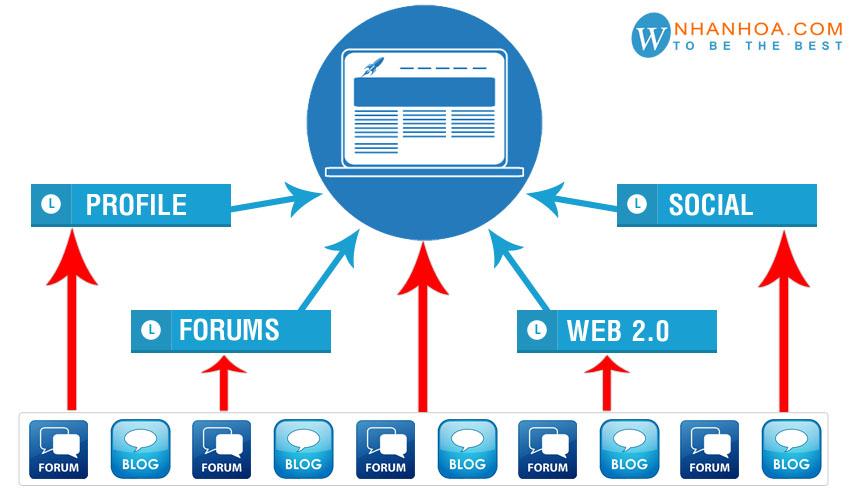
Tips to prevent negative backlinks in today's competitive digital marketing environment
Understand the origins of negative backlinks
Negative backlinks often come from low-quality, spammy, or Google-penalized websites. In a competitive SEO environment, competitors may use Negative SEO to “attack unfairly”. According to an Ahrefs (2023) report, up to 17% of websites are affected by toxic links without knowing.
Some signs of negative backlinks:
– Backlinks from domains with adult, gambling, or malware-spreading content.
– Irrelevant anchor text or containing spam keywords.
– Backlink volume suddenly increases from domains without traffic.
Checklist to protect your website from bad backlinks
To avoid becoming a victim of a “Negative SEO” campaign, apply a regular inspection process 1-2 times/month and prevent risks from the beginning:
- Use tools like Ahrefs, SEMrush, or Google Search Console to scan backlinks every month.
- Verify new linking domains: check their reputation, content, and topic.
- Create a list of suspicious domains and proceed to disavow them via the Google Disavow Tool.
- Set up automatic alerts in SEO tools to update you when there are abnormalities.
- Always stay updated with Google’s algorithms and monitor SERP changes as soon as you suspect an impact.
Classification table for backlinks that need priority handling
| Type of backlink | Level of risk | Actions |
|---|---|---|
| Backlinks from penalized sites | High | Disavow immediately |
| Spam anchor backlinks | Average | Verify & evaluate specifically |
| Backlinks from PBN | Medium – High | Check source & escrow domain |
Real example: E-commerce website hit by an SEO attack
An e-commerce fashion website in Ho Chi Minh City suddenly dropped 9 positions for its main keyword after only 2 weeks. After checking with Ahrefs, the internal SEO team discovered more than 285 new backlinks from fake blogs with meaningless content, mostly from overseas IPs. After disavowing and submitting a request to Google, it took 3 weeks for rankings to partially recover.
Brief takeaway
Preventing negative backlinks is not a one-time task, but a continuous process. By proactively monitoring, evaluating, and removing harmful links, businesses can protect their brand from unnecessary ranking drops.
Remaining thoughts
Identifying and removing bad backlinks helps the website maintain credibility and improve search rankings. This is an important process in an overall SEO strategy.
Regularly check your backlink profile and disavow harmful links. Proactively protecting your website is the key to sustainable success.
You can learn more about “Effective Offpage SEO Techniques” or “How to build quality backlinks for a new website”. These are closely related topics you should check out now.
DPS.MEDIA is always ready to share SEO strategies tailored for small and medium businesses. Don’t hesitate to comment below if you have any questions or experiences to share!
Ý kiến bạn đọc (9)
Đăng nhập để bình luận
Đăng nhập nhanh 1-chạm bằng Google để chia sẻ ý kiến của bạn về bài viết.
Bằng cách đăng nhập, bạn đồng ý với điều khoản và chính sách cộng đồng.
Chưa có bình luận nào. Hãy là người đầu tiên chia sẻ cảm nghĩ!
Đăng nhập / Tạo tài khoản
Đăng nhập với Google để gửi bình luận và tương tác cùng cộng đồng.
Tiếp tục là đồng ý với điều khoản sử dụng và chính sách bảo mật của DPS Media.