






Vingroup sues 68 individuals and organizations for spreading false information on social networks. This action aims to protect the reputation and legitimate interests of the business in the digital age.
According to DPS.MEDIA, strictly handling these acts of distortion is a necessary step to maintain a healthy media environment. Vingroup has made an official record and filed a lawsuit to set an important precedent for the community, preventing the spread of false information.
Vingroup's lawsuit in the context of misinformation on social networks
The reality of misinformation affecting businesses
In the digital age, social networks have become the main communication channel but also an environment where misinformation can easily arise. A typical example is the case where Vingroup sued 68 organizations and individuals for spreading inaccurate information, seriously affecting the reputation and business operations of the corporation. According to Lao Động newspaper, these false pieces of information not only cause public confusion but also reduce customer trust.
This is a major challenge for SMEs as false information can spread quickly and widely. DPS.MEDIA recognizes that controlling and handling information in the digital environment is more urgent than ever to protect brands and maintain reputation.
Response strategies and lessons from the lawsuit
Vingroup has chosen the legal route to deter and clarify the truth by suing and denouncing the involved parties. This is a typical example of a business protection strategy in the digital era when facing media crises. DPS.MEDIA recommends that businesses build monitoring systems, detect misinformation early, and respond appropriately in a timely manner.
At the same time, transparency in communication and continuously providing accurate information from the business also helps build trust with customers and the media. For SMEs, investing in digital marketing solutions capable of controlling information is a necessary step in a sustainable development strategy.
Checklist for responding to misinformation on social networks
- Regular monitoring: Use social media management tools to detect rumors or misinformation early.
- Timely response: Issue clear and accurate statements to handle misinformation.
- Legal cooperation: Prepare legal measures to protect the company's interests when necessary.
- Building digital reputation: Implement content campaigns to enhance image and credibility.
- Train the team: Enhance awareness and internal communication skills for quick and effective response.
| Category | Priority level | Specific actions |
|---|---|---|
| Information monitoring | High | Set up an automatic alert system with keywords related to the company |
| Media response | Average | Developing a media crisis management protocol |
| Legal support | High | Preparing documents and coordinating lawyers when serious violations are detected |
| Staff training | Low | Organizing regular workshops on media and brand protection |
Takeaway: Vingroup's lawsuit is clear evidence of the negative impact of misinformation on social networks on businesses. By building an effective information control system and timely legal coordination, SMEs can protect their brand, maintain customer trust, and achieve sustainable growth in a challenging digital environment.

The impact of false rumors on the reputation and business operations of enterprises
Direct impact on brand reputation
False rumors can seriously damage a business's image and customer trust. For example, in the case where Vingroup sued 68 individuals and organizations for spreading false information, the incident caused public confusion and weakened the group's brand strength. According to the Vietnam Retailers Association report (2023), 45% of consumers changed their purchasing decisions after discovering inaccurate negative information.
This shows that truth and transparency are core factors that help businesses maintain customer loyalty. Businesses not only lose revenue but also have to face the costs of remedying communication and legal consequences.
Negative impact on business and financial activities
False rumors can have a major impact on the supply chain, partnerships, and operational efficiency of businesses. Losing trust from investors and partners can lead to contract cuts or delays in development plans. The Market and Investment Department (2024) recorded that 30% of small and medium enterprises (SMEs) faced difficulties handling communication crises due to misinformation on social networks.
For businesses operating on digital platforms, such as DPS.MEDIA's clients, false rumors also reduce the effectiveness of marketing campaigns, increase advertising costs, and lower conversion rates.
Checklist for dealing with and preventing negative rumors
- Regular social media monitoring: Use monitoring tools to detect and promptly respond to misinformation.
- Establish official communication channels: Update information transparently and quickly so that consumers have a reliable source of reference.
- Coordination with legal: Identify violations and coordinate handling in accordance with the law.
- Training communication and customer care teams: Enhance the ability to effectively handle media crises.
- Develop sustainable brand development strategies: Strengthen reliability and transparency in all activities.
| Actions | Benefits | Application period |
|---|---|---|
| Social media monitoring | Early detection of misinformation, minimizing spread | Immediate and continuous |
| Establish official communication channels | Ensure accurate information, enhance trust | Within 1 week after the crisis |
| Coordinate with legal affairs | Prevent violations, protect reputation | Within 1-2 months |
Takeaway: False rumors not only affect reputation but also directly impact business performance, especially for SMEs in the digital age. A comprehensive information crisis management strategy, combining communication and legal measures, will help protect brand value and maintain customer trust.

Proactive communication strategy to protect brands in the digital age
Understanding the current context and challenges
In the digital era, information spreads rapidly and uncontrollably, creating many challenges for businesses in protecting their brands. The case of Vingroup suing 68 individuals and organizations for spreading false information is clear evidence of the negative impact of social networks. According to the Vietnam Brand Association (VBA), nearly 60% of SMEs face difficulties in controlling negative information on online platforms.
This requires a proactive communication strategy, coordinating between legal and communication efforts to maintain reputation and brand image in the eyes of the public.
Steps to build a communication strategy for brand protection
DPS.MEDIA recommends that SMEs take specific steps to build an effective communication strategy, both preventing risks and responding promptly when a crisis arises.
- Analyze and monitor information: Set up a system to monitor news, social networks, and forums to quickly detect negative information flows.
- Internal communications team training: Provide legal knowledge and digital etiquette skills to handle media crisis situations.
- Coordinate with the legal department: Develop appropriate response plans for intellectual property violations and misinformation.
- Build positive communication content: Proactively create stories and testimonials to continuously strengthen brand value.
Checklist for controlling negative information in the digital environment
| Category | Specific actions | Frequency |
|---|---|---|
| Monitor social networks | Use monitoring tools to detect rumors and misinformation early | Daily |
| Media staff training | Crisis communication skills course | Every 6 months |
| Legal coordination | Assessment and handling of violations on digital platforms | When arising |
| Develop content | Production of articles, videos, and sharing to enhance brand awareness | Weekly |
takeaway: SMEs need to combine strict monitoring, internal training, and legal coordination to build a proactive communication strategy. This helps control and effectively respond to negative impacts in the digital environment, while also sustainably strengthening brand trust and reputation.

The role of law in preventing and handling fake news in Vietnam
Legal framework – A solid foundation for controlling fake news
The development and improvement of the legal system related to handling fake news plays an important role in maintaining a transparent and healthy information environment in Vietnam. According to data from the Department of Cybersecurity and High-Tech Crime Prevention, acts of spreading false information are on the rise and causing serious social impacts. Clear legal regulations enable authorities to proactively handle cases and serve as a basis for organizations and individuals to protect themselves against misinformation.
Law enforcement – Concrete steps for businesses and individuals
A recent typical example is Vingroup suing 68 individuals and organizations for spreading false information that affected the company's reputation. This action not only protects legitimate rights but also creates a ripple effect regarding the seriousness of handling fake news. As a digital marketing strategy consultant for SMEs, DPS.MEDIA assesses that businesses need to proactively apply technological solutions combined with legal awareness to minimize risks and enhance reliability in communication.
Action checklist to help businesses comply with the law and ensure reputation
- Establish a content moderation system before publishing on social networks.
- Educate employees about the legal consequences of spreading fake news.
- Monitor and quickly respond to misinformation related to the brand.
- Cooperate with authorities when violations are detected.
- Regularly update and review relevant legal regulations to ensure compliance.
| Criteria | Targets | Specific actions |
|---|---|---|
| Early detection of fake news | Prevent the spread of misinformation | Use social media monitoring tools, trend analysis |
| Legal handling | Protect the rights of businesses and individuals | File lawsuits according to cybersecurity regulations, claim damages |
| Transparent communication | Enhance reputation and public trust | Official announcement released, authentic information updated |
Takeaway: Legal frameworks are not only punitive tools but also foundations that help businesses and individuals build a standardized information ecosystem, contributing to sustainable development in the digital age. DPS.MEDIA recommends that SMEs especially focus on integrating legal and technical solutions to protect themselves against the challenges of fake news.
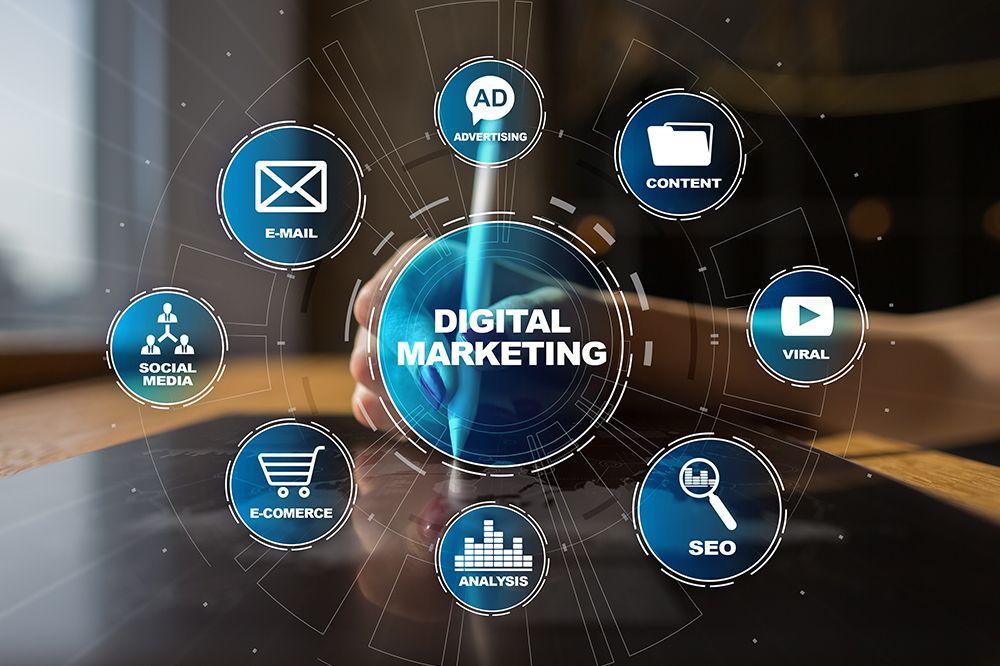
Digital marketing solutions help businesses control and ensure information transparency
The reality of misinformation and its impact on businesses
In the context of rapidly developing social networks, the spread of false information is a major challenge for many businesses in Vietnam, as exemplified by the case where Vingroup sued 68 individuals and organizations for spreading inaccurate information. According to the VietNam Digital Marketing Trends 2021 Report, up to 55% of SMEs face difficulties in controlling negative content on digital platforms. Misinformation not only affects reputation but can also cause significant financial losses if not handled promptly.
Information control and transparency solutions from DPS.MEDIA
DPS.MEDIA provides digital marketing strategy consulting based on comprehensive data analysis, helping SMEs quickly detect, assess, and respond to false content. The application of AI technology and automated monitoring systems enables continuous 24/7 information control, ensuring communication channels remain transparent and truthful. At the same time, DPS.MEDIA develops systematic crisis communication handling processes to minimize damage from the spread of negative incidents.
Effective information control action checklist
- Set up automated monitoring systems: Use AI to monitor relevant social media channels and forums.
- Multi-dimensional data analysis: Assess the level of impact and quickly verify information.
- Develop response scenarios: Plan appropriate responses for each group spreading information.
- Ensure information transparency: Update accurate and clear information on the company's website and communication channels.
- Staff training: Enhance the media team's skills in identifying and handling misinformation.
| Solutions | Targets | Expected outcomes |
|---|---|---|
| AI automatic monitoring system | Rapid detection of negative news | Reduce response time by 70% |
| Media response scenarios | Flexible, professional response | Enhance corporate reputation |
| Transparency of official information | Increase customer trustworthiness | Reduce 50% misinformation |
takeaway: Controlling and ensuring transparency of information is not only a communication task but also a vital strategy for businesses in the digital age. Comprehensive digital marketing solutions, supported by technology and consulting experience, as applied by DPS.MEDIA, will help SMEs proactively protect their brand and achieve sustainable growth in today's competitive market.

Advice on building an effective negative information monitoring and response system
1. Understand the importance of a monitoring system
In the context of widespread misinformation, establishing a system to monitor and respond to negative information has become essential for small and medium-sized enterprises. According to the Vietnam Social Media Monitor 2022 report, more than 70% of social media users in Vietnam have encountered fake news or false information. Therefore,building a timely system to detect and handle such content will help protect brand reputation and maintain customer trust.
2. Apply effective monitoring and response processes
DPS.MEDIA recommends that businesses establish a strict monitoring process, including the use of automated analysis tools along with a dedicated monitoring team. The process should ensure quick, transparent, and well-founded responses to professionally resolve negative information. Proactively contacting and dialoguing with those spreading false information also helps minimize the impact.
3. Checklist for building a monitoring and response system
- Choose the right monitoring tool: Use social media and news monitoring software such as Brand24, Mention, or local solutions.
- Build a response team: Train staff with skills in handling situations, effective communication, and legal knowledge.
- Establish internal communication channels: Ensure negative information is reported quickly and handled promptly.
- Develop a response process: Provide accurate, clear, skillful, and timely answers.
- Regularly evaluate effectiveness: Review and improve the system based on actual results and customer feedback.
| Factors | Objective | Tools/Methods |
|---|---|---|
| Information monitoring | Rapid detection of negative news | Social media monitoring software, automatic alerts |
| Content analysis | Understand the nature and impact of negative news | Expert team, AI data analysis |
| Timely response | Minimize negative impact | standard feedback process, personnel training |
Takeaway: Building a monitoring and response system for negative information is vital to protect the brand in the digital age. By applying a systematic process that combines technology and people, SMEs can proactively control and minimize risks from false information flows.

Building customer trust by enhancing online image management
Current situation and importance of online image management
In today's digital age, online image plays a key role in building customer trust. Small and medium-sized enterprises (SMEs) in Vietnam are increasingly focusing on controlling information on social networks and online platforms to protect brand reputation. According to a report by We Are Social (2023), up to 80% of consumers consult images and online reviews before making a purchase decision, clearly demonstrating the importance of image management.
Effective image management strategies from the perspective of DPS.MEDIA
DPS.MEDIA recommends that SMEs build a comprehensive online image monitoring system, including timely detection and response to rumors or false information. The case of Vingroup suing 68 individuals and organizations for spreading false information is clear evidence that businesses need to be proactive in image management. In addition, creating reputable, transparent content and regularly interacting with customers helps increase trust and strengthen the brand.
Action checklist to enhance online image management
- Set up a social media monitoring system and customer review sites
- Train a fast, professional, and standard response team
- Develop transparent, honest, and regularly interactive content
- Coordinate with the legal team to handle cases of spreading false information
- Periodically evaluate image management effectiveness and adjust strategies
| Image Management Factor | role | Practical example |
|---|---|---|
| Social media monitoring | Early detection of misinformation | Vingroup promptly addresses negative rumors |
| Customer feedback | Increase transparency and professionalism | Respond to questions and complaints on the fanpage |
| Create reputable content | Maintain brand image | Post articles providing accurate information |
Takeaway: Online image management is not only about crisis prevention but also a long-term strategy to build trust, help SMEs increase brand value, and maintain their position in the highly competitive digital market.
Preparation for the next journey
Vingroup has sued 68 individuals and organizations for spreading false information, demonstrating a determined attitude to protect brand reputation. Violations will be handled in accordance with the law.
Businesses need to raise their vigilance against fake news and proactively verify information sources before sharing. This action helps build a safer and healthier online environment.
Readers may be interested in how to manage media crises and protect brands in the digital age. These strategies help businesses optimize communication effectiveness and avoid unnecessary risks.
DPS.MEDIA – a unit specializing in digital marketing consulting for SMEs – looks forward to receiving your feedback. Please share your views and discuss in the comments section below!

Ý kiến bạn đọc (9)
Đăng nhập để bình luận
Đăng nhập nhanh 1-chạm bằng Google để chia sẻ ý kiến của bạn về bài viết.
Bằng cách đăng nhập, bạn đồng ý với điều khoản và chính sách cộng đồng.
Chưa có bình luận nào. Hãy là người đầu tiên chia sẻ cảm nghĩ!
Đăng nhập / Tạo tài khoản
Đăng nhập với Google để gửi bình luận và tương tác cùng cộng đồng.
Tiếp tục là đồng ý với điều khoản sử dụng và chính sách bảo mật của DPS Media.