






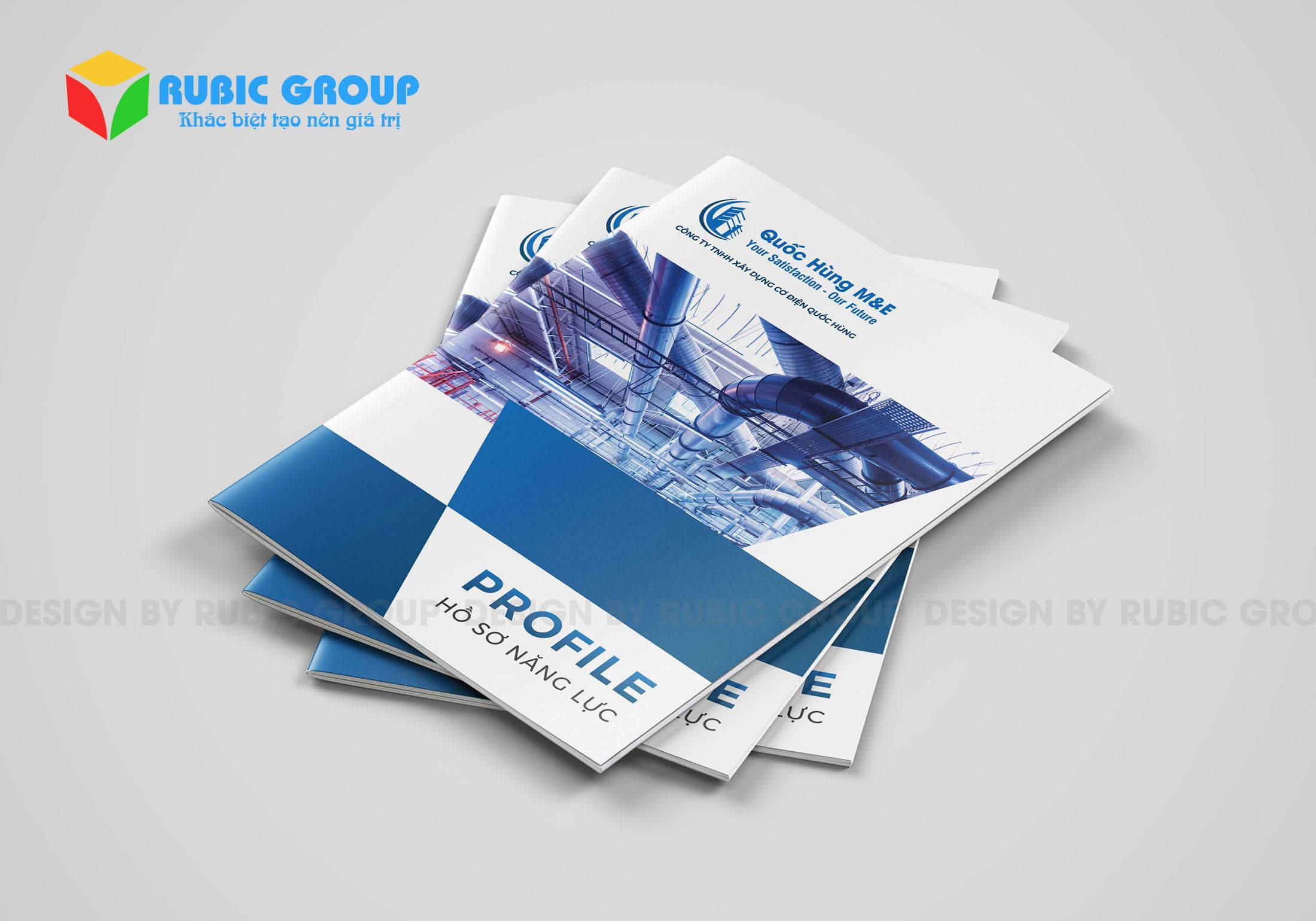

In today's digital era, owning a professional capability profile is not only an advantage but also a necessary condition for businesses to assert their position in the market.. However, designing an impressive, consistent, and cost-effective profile set is always a tough challenge – especially for small and medium-sized businesses, or freelancers. This is exactly when artificial intelligence (AI) technology opens up a completely new direction.
I am Hiển, someone who is always pondering the question: How to design a capability profile that is not only beautiful but also closely tied to the brand identity of each individual or organization? After a long journey of research, I realized that AI not only assists but also co-creates in the design process, opening up potentials that traditional software used to be limited by.
According to McKinsey, AI can reduce up to 40% of the time needed to create professional documents, while increase personalization in design to an almost instantaneous level.Many platforms like Canva AI, Adobe Firefly, or Uizard AI now allow even non-professionals to create attractive portfolios with just a few clicks.
Notably, AI support does not stop at the technical aspect – it also changes design thinking: from “using templates” to “creating a distinctive mark”, thanks to the ability to analyze brand trends, industry and business goals.
And right here, we need to broaden our perspective: Will AI replace human designers? Or will humans use AI to redefine the standards of a new era portfolio? This is a topic that is not only interesting but also worth debating — and in the next section, I will share specific perspectives and tools to help you leverage AI intelligently in your portfolio-building journey.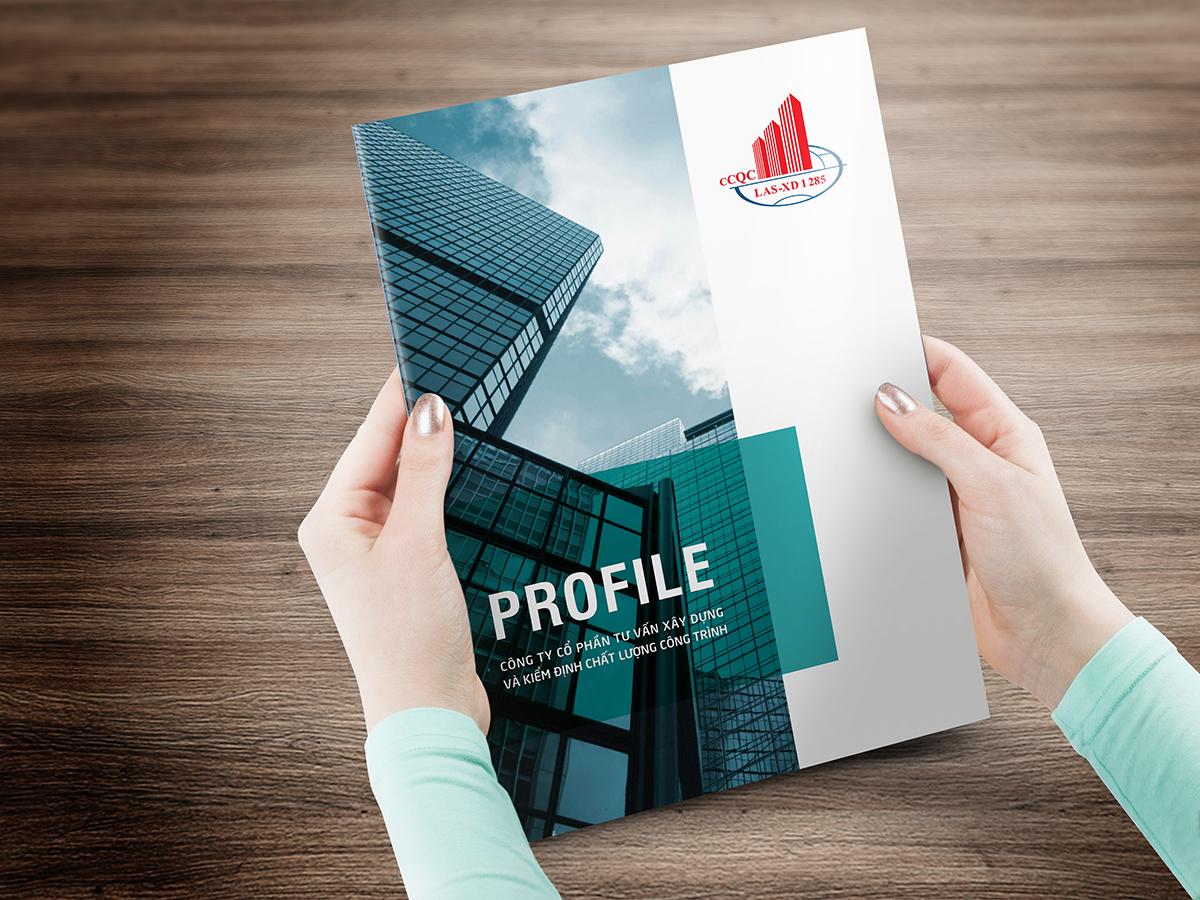
Overview of capability profiles and the role of design in building a professional image
A capability profile is brand identity in document format
Portfolio is not just a collection of company introduction information, but also a tool to convey values, culture, and core competencies of the organization. According to “designing brand Identity” by Alina Wheeler, this document acts as a statement – showing how a business wants to be perceived in the market.Therefore, designing a portfolio is strategic, shaping the brand's communication style and creating a sense of trust for partners.
Design is not just beautiful – it is the language that expresses capability
A study by the University of Michigan on “visual identity design” pointed out that the presentation format affects perceived quality of viewers by up to 70%. A portfolio with a reasonable layout, colors consistent with the brand identity, and smart use of visual space helps businesses make a strong impression from the first glance. In projects for startup clients in Vietnam, I have witnessed a portfolio refined by AI, applying dynamic layouts, which helped them successfully secure funding within just 2 weeks after sending the pitch deck.
The role of AI in personalizing and optimizing profiles
With design tools integrated with Artificial Intelligence like Adobe Sensei or Canva AI, designers can create multiple portfolio versions tailored to each customer segment. Below is a table illustrating the role of design elements in a portfolio, automated by AI:
| Factors | Role | Benefits of using AI |
|---|---|---|
| Typography | Create emotion and information hierarchy | Auto font suggestion by industry |
| Layout | Guide the eye – increase memorability | Automatically optimize layout according to text content |
| Charts & Infographics | Turn data into visual stories | Automatically generate from input data |
From a design perspective, a good capability profile not only delivers content – but must also tell the brand story, inspire and make viewers believe that “this is the partner I want to collaborate with.” And AI-powered design, when used correctly, is becoming a powerful co-creator for that goal.

Why artificial intelligence is changing the way we design capability profiles
AI accelerates the design process to become faster and smarter
Previously, creating a professional capability profile required dozens of hours to research content, layout, and graphic design — not to mention the editing process to suit each industry. But since we applied artificial intelligence to the design process, everything has changed significantly. AI not only supports text editing or image arrangement, but also analyzes viewer behavior from heatmap report samples, helping to identify which content sections need to be highlighted. A recent study from MIT Media Lab stated: “Design profiles using AI increase the full-view rate by up to 34% compared to traditional profiles.” This demonstrates the power of optimizing visual experience with real-time data.
Personalized customization by industry has never been easier
AI is no longer just a tool, but has become a co-creator. At DPS, we often use AI to analyze design trends in capability profiles across diverse fields — from architecture, education to creative industries. Thanks to that, capability profiles are no longer boring templates but are personalized based on context, behavior, and brand positioning of the business. A typical case study is when we designed a profile for an interior design studio in District 7. AI data suggested 3 popular layout templates making an impression in this industry. After A/B testing with the client, the AI-generated design recorded up to 58% more positive feedback.
Summary of outstanding advantages when applying AI to profile design
| Advantages | Practical benefits |
|---|---|
| Automated smart layout | Save layout time and ensure consistent aesthetics |
| Analyzing viewer preferences | Optimize content and images for easy attraction |
| Predict industry trends | Update design direction according to market flow |
| Personalize the experience | Design tailored to each type of business or individual |
- AI does not replace designers, but expands our influence
- Helps build a flexible profile, ready to customize for each communication goal
- Creates synchronization between content – images – emotions at every touchpoint
Through a series of projects, I have realized that applying AI is not a way to simplify work but a way to enhance creative quality, elevating a portfolio from “good enough” to “memorable”.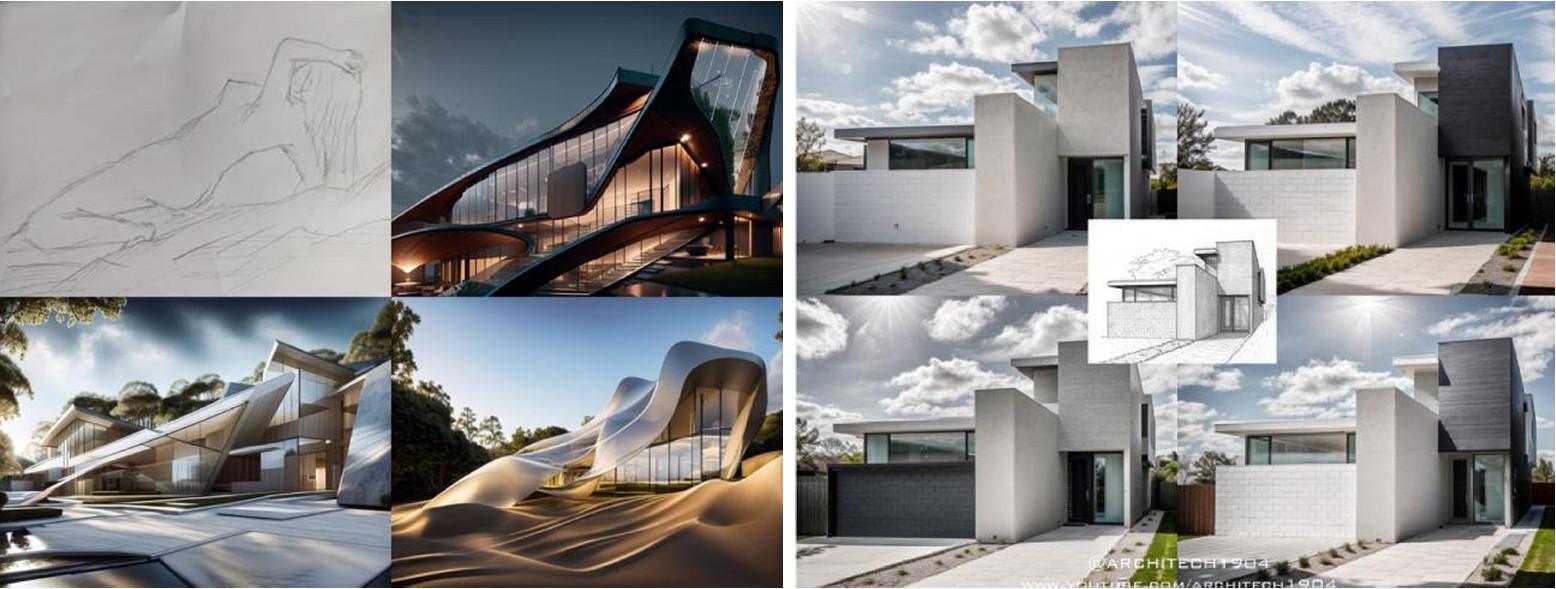
Outstanding benefits of using AI in capability profile design
Accelerate the profile design process in just a few hours
Through AI tools like Adobe Firefly or Canva AI, creating a portfolio no longer takes weeks. With smart contextual suggestions, AI helps shape layout, colors, and content structure based on the industry in just a few hours. I once experimented with designing for a real estate company, where AI suggested virtual reality images alongside business data – a much more impressive presentation than traditional charts.
Ensure high consistency and personalization
Document by McKinsey & Company (2023) emphasizes the importance of personalization in customer experience – something AI is doing very well when designing portfolios. When applying AI, I can easily customize color tones, fonts, and layouts to suit each target customer group, thereby creating portfolios with unique marks instead of a stereotyped template.
Below is an illustrative table of outstanding benefits that I have recorded during the actual use of AI in design:
| Benefit | Meaning in design | Practical application |
|---|---|---|
| Automate layout | Ensure golden ratio and reasonable white space | Construction industry portfolio with layout optimized for A4 print |
| Language analysis | Helps make content clear, concise, and avoids repetition | Awareness – Interest – Desire – Action |
| Create animated graphics | Increase engagement when submitting profiles in PDF or online format | "Thought-provoking" pieces – raising social issues related to the class topic |
Minimize errors thanks to data analysis and machine learning
A highlight that I highly appreciate is the error detection capability – from spelling mistakes to skewed image ratios. AI helps review every small detail that previously required many designers' eyes to check. For businesses needing to publish dozens of profiles for each partner, using AI not only saves on personnel costs but also increases the reliability of the publication.
Popular AI tools support creative and effective design
Spark ideas with an AI design assistant
AI technology is no longer unfamiliar in the capability profile design process. From Canva AI to Adobe Firefly, these platforms are completely changing the way we approach brand identity design. Friday:, colors, font and image combinations based on industry data or business characteristics. This greatly supports me in designing a profile template that is both creative and aligned with the client's communication strategy.
Speed up workflow while maintaining uniqueness
Sunday:
Compare typical AI design tools
| Tools | Specific applications | Outstanding advantages |
|---|---|---|
| Canva AI | Quickly design capability profiles | Easy to use, with AI layout and automatic content suggestions |
| midjourney | Week 2 – Sun | High image quality, creativity beyond standards |
| Adobe Firefly | Edit images, create text effects | Adobe-friendly UX, flexible transformation capabilities |
| Figma AI Plugin | Automate Layout & Manage Projects | Deep integration into the UX/UI design workflow |
Practical application from an education industry case study
A recent portfolio design project for a soft skills training center is clear evidence. With support from Notion AI and Adobe Sensei, I was able to quickly compile training content, analyze student psychology to optimize content scripts and visuals. Notably, AI not only helps to “accelerate” but also helps me avoid design ruts thanks to highly artistic, suggestive recommendations.
From the above experiences, I realized that the combination of foundational design knowledge and AI tools is the key to creating portfolio templates that are not only beautiful but also effective in brand communication.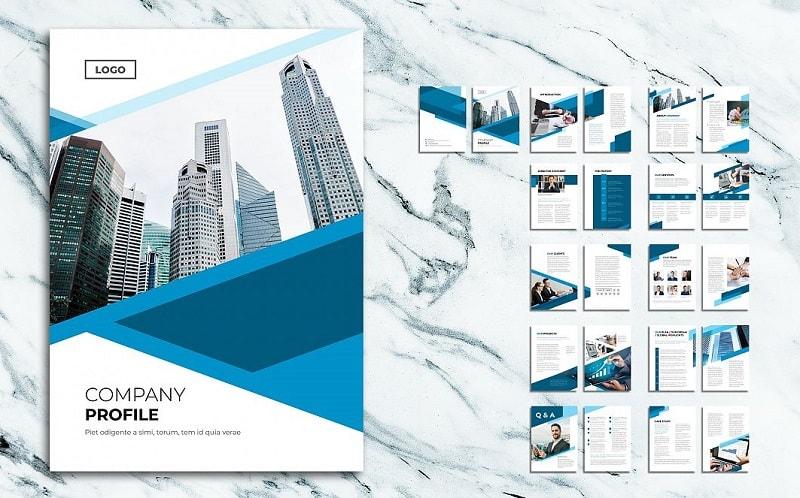
Step-by-step guide to creating an impressive AI-generated capability profile template
Choose the right AI design tool for your field
First, determine your business goals and industry to choose the right AI design tool. For example, in real estate, a tool like Canva AI or Visme AI helps create a balanced image-text layout—an excellent choice. Meanwhile, tech startups often prioritize Adobe Firefly to create modern and minimalist effects with dynamic data.
Factors to consider when choosing a tool include:
- Level of customization: Can you edit each component in detail?
- Integration features: Export as PDF, add QR codes, support multiple languages?
- Machine learning capability: Design suggestions based on brand profile?
Build an intuitive profile structure with AI-generated layouts
With AI support, you can divide the profile into strategic sections analyzed by reader behavior. One case studies I once did for a logistics business using Jasper AI divided the profile into “hot” areas – such as core competencies and key projects – placed on the left side of the page to increase eye scanning from left to right according to the reading habits of Latin languages.
| Section | AI tool suggestions | Outstanding benefits |
|---|---|---|
| Company introduction | ChatGPT + Canva | Clear, empathetic speech tone |
| Conclusion on buying a Facebook fanpage | Jasper + figjam | Auto-generated charts, intuitive arrangement |
| Key projects | Midjourney + Notion AI | Visualizations tailored to each industry |
Create brand highlights with intelligent AI visuals
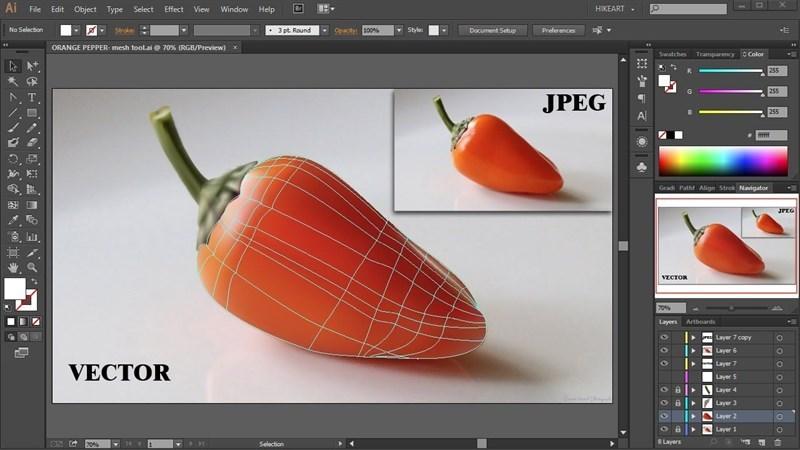
With advancements in image generators like Midjourney or DALL·E, you can easily create exclusive patterns, icons, and photo collages that are unique. Especially in capability profile design—where visuals play a covert marketing role for the company’s class—the consistency between images and brand color tones is vital. According to research from Harvard Business Review, 78% of B2B buyers affirm they are strongly impressed by profiles that invest in visual and aesthetic appeal.
A recent example: we worked for a construction company with the concept of “sustainable creation.” When using AI to generate background patterns from stylized images of building foundations, combined with meticulously reflected 3D lighting via Midjourney—the result was viewers stayed 35% longer on the profile’s first page compared to the previous version (according to Hotjar analytics).
Important notes to ensure consistency and branding when using AI design
Apply a consistent brand identity system throughout the design
AI can create many powerful design versions, but that is also a double-edged sword if not well controlled. To maintain brand consistency, I usually set up a design guideline Suggested brand values
- Week 1 Confident communication skills
- Font style: emotion management
- Logo and safe spacing: Always follow the correct standards
- Image tone: Critical thinking
In a real project at DPS, when applying AI to create a company profile template for a technology company, maintaining the design grid proportions according to the original standard has kept the entire profile – from the introduction page, capabilities, team – becoming a unified whole with visual depth and easy recognition.
Control the level of AI “creativity” to avoid brand deviation
AI tends to create very diverse variations, sometimes exceeding the proven brand visual principles. According to a study by MIT Media Lab (2022), AI-generated design samples only have 62% brand consistency if there is no control from the designer.
Therefore, what I do is create a quality control template for output before finalizing the last sample. This template ensures all visual elements – from color, layout to icon presentation – all reflect a clear “human touch” and brand identity. You can refer to the checklist template I use as follows:
| Design element | Achieved | Needs adjustment |
|---|---|---|
| Basic digital skills | ✔ | Increase frequency, stage live-streamed tutorials |
| Reasonable text-image ratio | ✔ | Increase frequency, stage live-streamed tutorials |
| "optimization through direct action learning (live iterative insights)" | ✔ | Increase frequency, stage live-streamed tutorials |
| – is the core approach DPS.MEDIA is implementing for weekend skills classes. Each week, we run small-group A/B tests on visual content (animated images, modern charts) and summarize the results to refine the format for the following week. | ✔ | Increase frequency, stage live-streamed tutorials |
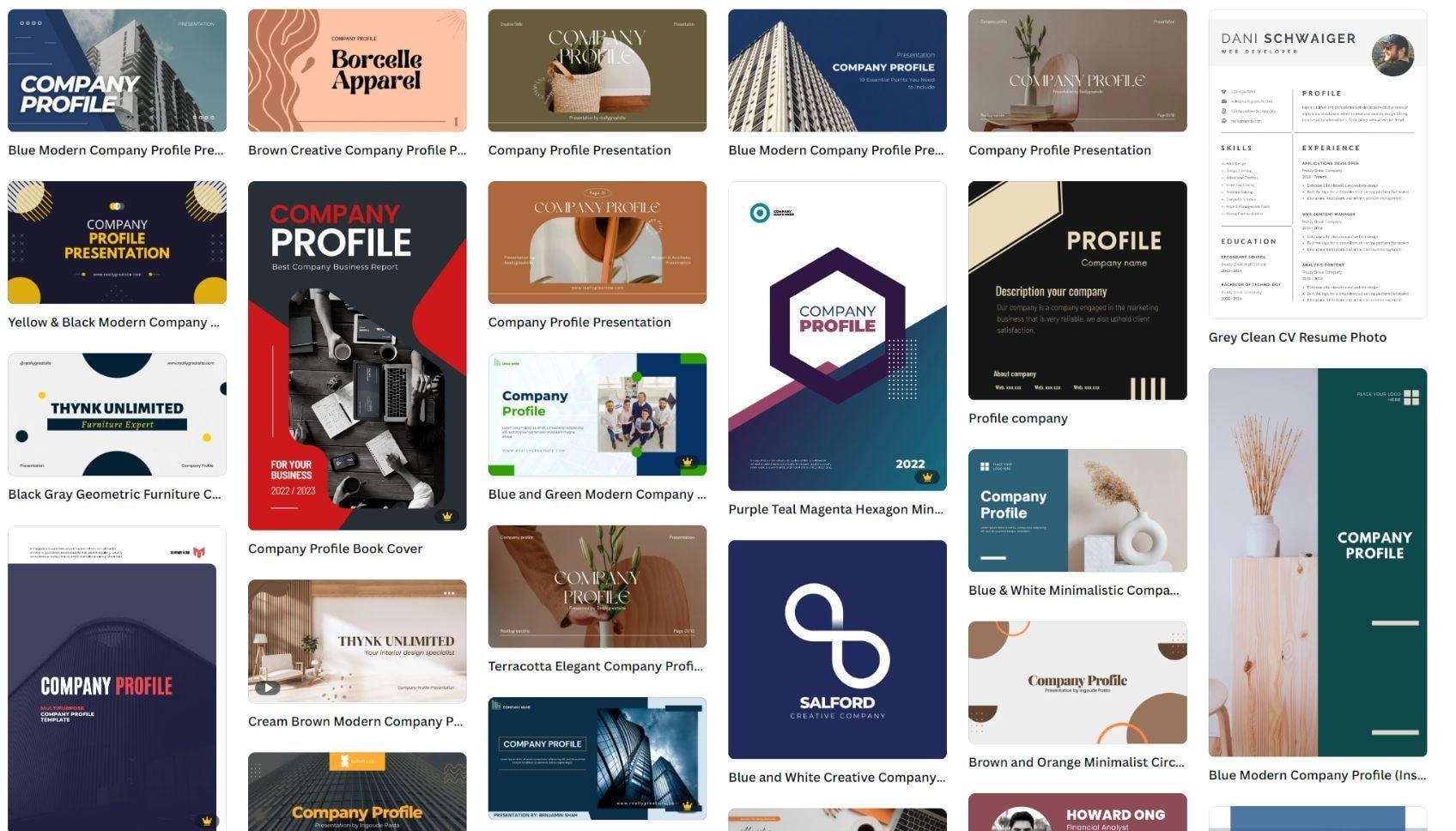
The future of capability profile design with the development of AI technology
AI is reshaping the professional portfolio design process
Prioritize vertical video for mobile platforms Week 2: Switch the format to reels with trending audio Week 3:
According to a report from Design Intelligence magazine (2023), up to 67% of design professionals said AI helps them save an average of 15–25% of design time build sustainable learning behaviors
Personalization and customization: Outstanding advantages of AI
AI not only acts as a support tool but also offers the opportunity to create tailor-made capability profiles. With machine learning algorithms, platforms like Adobe Sensei or Canva AI can analyze brand characteristics and instantly suggest designs with a unique identity.
Below is a table illustrating the difference between traditional profiles and AI-designed samples:
| Post engagement rate | Traditional profile | : A Kanban-style interface that divides content by study week, assigns people in charge of video production, illustration design and content editing, with a "Done" column to track progress. |
|---|---|---|
| Completion time | 3–7 days | 1–2 days |
| Personalization | , over 60% of pages using fake Likes experience reduced reach. | Build community connections and loyalty |
| Brand consistency | Prone to manual errors | Algorithmically controlled |
| Content update capability | Manual | AI-powered content automation |
A new perspective: AI does not replace, but enhances design thinking
Interactive Livestream + Poll Story AI is not a machine that automates creativity, but a catalyst for designers to distill what is most important.
It is the combination of humans and AI that makes portfolios increasingly sharper and more meaningful. We no longer design just for beauty, but for accuracy, for impact – to touch consumer behavior and the psychology of decision-makers. This is where AI plays its role in promoting multidimensional thinking, helping the portfolio become not just a PDF file sent by email, but a strategic “mini-manifesto” of the brand.
DPS's perspective in the journey
Applying artificial intelligence to portfolio design not only opens up a fast, cost-effective path but also creates professional products with a high degree of personalization. With support from AI tools, businesses and individuals can easily experiment with various design styles, flexibly adapting to brand objectives.
DPS.MEDIA believes that,


Ý kiến bạn đọc (0)
Đăng nhập để bình luận
Đăng nhập nhanh 1-chạm bằng Google để chia sẻ ý kiến của bạn về bài viết.
Bằng cách đăng nhập, bạn đồng ý với điều khoản và chính sách cộng đồng.
Chưa có bình luận nào. Hãy là người đầu tiên chia sẻ cảm nghĩ!
Đăng nhập / Tạo tài khoản
Đăng nhập với Google để gửi bình luận và tương tác cùng cộng đồng.
Tiếp tục là đồng ý với điều khoản sử dụng và chính sách bảo mật của DPS Media.