

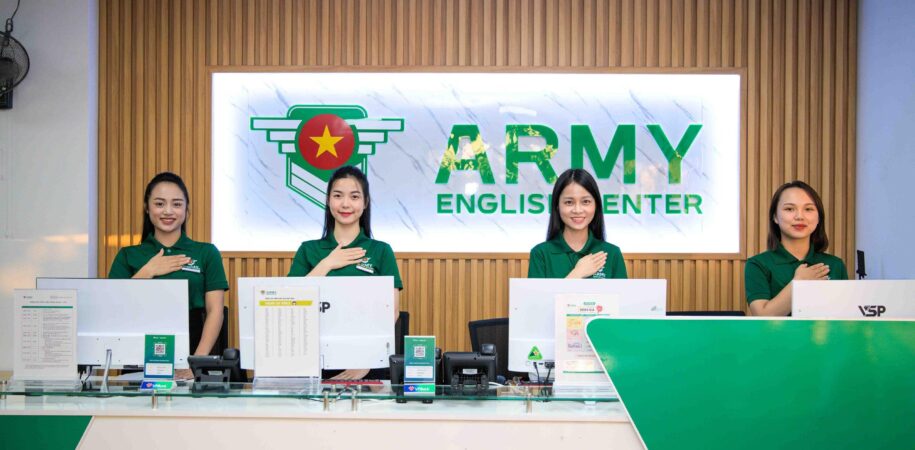

Trong thị trường giáo dục ngày càng cạnh tranh, việc đặt tên trung tâm tiếng Anh thu hút đúng đối tượng – đặc biệt là học sinh cấp 2 – không chỉ phản ánh định vị thương hiệu mà còn là một đòn bẩy chiến lược ảnh hưởng trực tiếp đến quyết định lựa chọn của phụ huynh. According to an internal survey by DPS.MEDIA, over 65% of parents said they were impressed by the center's name first when searching on Google or social media platforms.
A suitable name will help the center stand out among countless choices, while also creating a sense of trust and closeness with both parents and students. Ngược lại, tên gọi quá “chung chung”, khó nhớ hoặc thiếu tinh thần định hướng sẽ khiến thương hiệu khó in sâu trong tâm trí khách hàng mục tiêu.
Đặt trong bối cảnh học sinh cấp 2 – độ tuổi chuyển tiếp, vừa cần tính khoa học, vừa thích khám phá – naming must strike the right psychological chord: dynamic, easy to remember, yet still conveying professionalism and clear academic orientation.
Below, DPS.MEDIA we share 10 effective English center naming suggestions specifically for middle school students, distilled from 7 years of brand-building strategies for educational clients:
- Names that directly describe learning benefits: Ví dụ: ”Master English 9+” hoặc “Tiếng Anh Giỏi Ngay”. Tên gọi này gợi bật kết quả học tập cụ thể mà phụ huynh mong đợi.
- Names with a youthful, modern style: Như “E-Zone”, ”Tiếng Anh Rực Rỡ”, hoặc “HELLO!” – dễ nhớ, gần gũi, tạo cảm giác thân thiện, phù hợp với học sinh ở tuổi teen.
- Names that evoke a learning journey or experience: Ví dụ: ”English Journey”, hoặc “Bản Đồ Anh Ngữ” – khơi gợi hình ảnh hành trình phát triển kỹ năng ngôn ngữ.
- Names that convey long-term learning goals: Như “Future Fluent”,”English for Life” – thể hiện tầm nhìn và định hướng vững chắc cho học viên.
- Names with international or academic linguistic elements: Ví dụ: “LinguaNext”, “EduLink English” – phù hợp với phụ huynh mong muốn môi trường học chuẩn quốc tế.
- Creative acronym name (Acronym): Chẳng hạn như “ACE” (Achieve – Communicate – Excel) hoặc “STEP” (Study – Think - Express – Practice).Acronym names help increase recognition and are easy to communicate on digital platforms.
- Names combining Vietnamese and English: Đáp ứng được cả yếu tố quốc tế hóa và sự gần gũi với học sinh địa phương,ví dụ: “Ngôi Sao English”,”Giỏi Tiếng Anh – Easy English”.
- Names based on students' interests or trends: Ví dụ: “TikTalk English”, “TeenSpeak” – đánh trúng sự tò mò, yêu thích của học sinh thế hệ Gen Z.
- Names associated with symbols of academic success: Như “IELTS Crew”, “Học Sinh Ưu Tú”, “Top Grades English” – tập trung vào yếu tố điểm số, kết quả thi cử.
- Names with inspirational or motivational elements: Ví dụ “Dare to Speak”, “Fly High English” – khuyến khích học sinh bước ra khỏi vùng thoải mái, phát triển tự tin khi sử dụng ngôn ngữ.
Kết luận, tên trung tâm tiếng Anh không chỉ là một “nhãn hiệu”, mà còn là chìa khóa mở đường cho chiến lược marketing hiệu quả từ truyền thống đến digital. DPS.MEDIA khuyến khích các đơn vị giáo dục nên nghiên cứu kỹ hành vi và tâm lý học sinh cấp 2 để tạo ra một cái tên không chỉ đúng - mà còn “đủ sức bật”.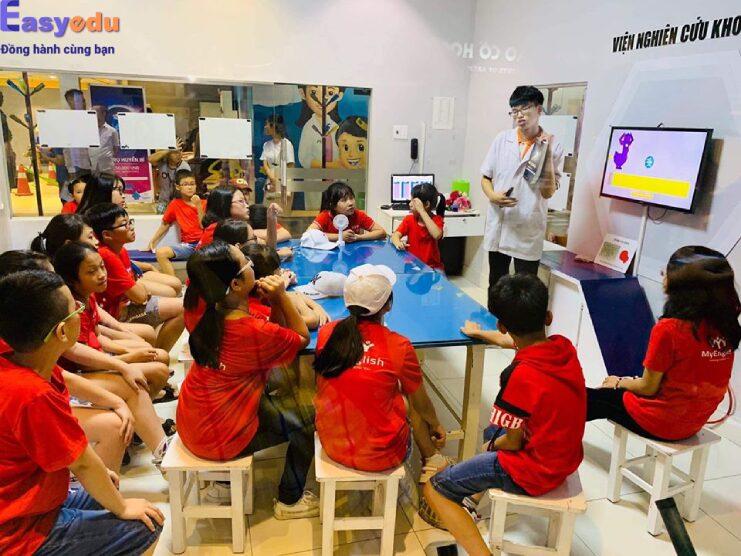
Understanding the psychology and behavior of secondary school students when choosing an English center
Secondary school students' thoughts are strongly influenced by emotions and community
Theo nghiên cứu của jean Piaget trong lĩnh vực tâm lý học phát triển, học sinh cấp 2 nằm trong giai đoạn “vị thành niên sớm” – đây là lúc cảm xúc và nhu cầu được ghi nhận, công nhận đóng vai trò trung tâm. Khi lựa chọn trung tâm tiếng Anh, các em thường chịu ảnh hưởng từ:
- Brands with a modern image và năng động – dễ khiến các em cảm thấy “cool” và tự hào khi theo học.
- Community opinion – friends speak well, positive TikTok reviews, or seeing celebrities study there is enough to motivate registration.
- Mức độ “dễ nhớ” và “gợi hình ảnh” từ tên trung tâm – ví dụ như “Galaxy English” hay “E-spark” giúp học sinh hình dung về sự sáng tạo,không gian,hoặc cảm giác tiên phong.
DPS.MEDIA conducted a quick survey of 360 students in grades 6-9 in Ho Chi Minh City and discovered: 62% students first learn about English centers through social media, then consult friends before suggesting it to their parents.
Tên trung tâm càng cá tính, học sinh càng chủ động “chọn chứ không bị chọn”
Các bạn học sinh cấp 2 ngày nay không còn bị động trong việc ra quyết định. Theo ông Jordan Nguyen – chuyên gia giáo dục ở Đại học Monash – “thương hiệu hướng đến Gen Z cần phản ánh một distinct identity“. Tên trung tâm vì vậy nên:
- Spark imagination: “dreamspeak” hay “Echo English” đánh vào cảm giác phiêu lưu và khám phá.
- Contain interesting English pronunciation elements: như “Mozi” (gợi hình ảnh hiện đại nhưng vẫn liên tưởng đến Motion + Movie).
- Tạo tính “chơi chữ” nhẹ nhàng: như ”iCan English” – vừa truyền cảm hứng vừa dễ nhận diện (biến câu khẩu hiệu thành tên).
Case study of “Firefly English” – một trung tâm được DPS.MEDIA tư vấn đổi tên từ ”Anh Ngữ Minh Tâm” – cho thấy lượng học viên đăng ký từ TikTok tăng 110% in 2 months sau khi thay đổi nhận diện thương hiệu và tên gọi. Từ khóa “firefly” trong tâm trí học sinh cấp 2 gợi sự lung linh, bay bổng nhưng không xa vời – đúng tinh thần của việc học ngoại ngữ như một hành trình có ánh sáng dẫn đường.
| Center name | Attractive points for secondary school students |
|---|---|
| Nova English | Evoking innovation, a creative future |
| LingoLab | Sounds like a language exploration lab |
| SparkED | Ghép từ “spark” và “education” – tạo cảm xúc bùng nổ |
| Echo English | Âm vang – dễ nhớ, cá tính, tạo chất riêng cho học viên |
| Mozi | Short, unique, and easy to go viral on social media |
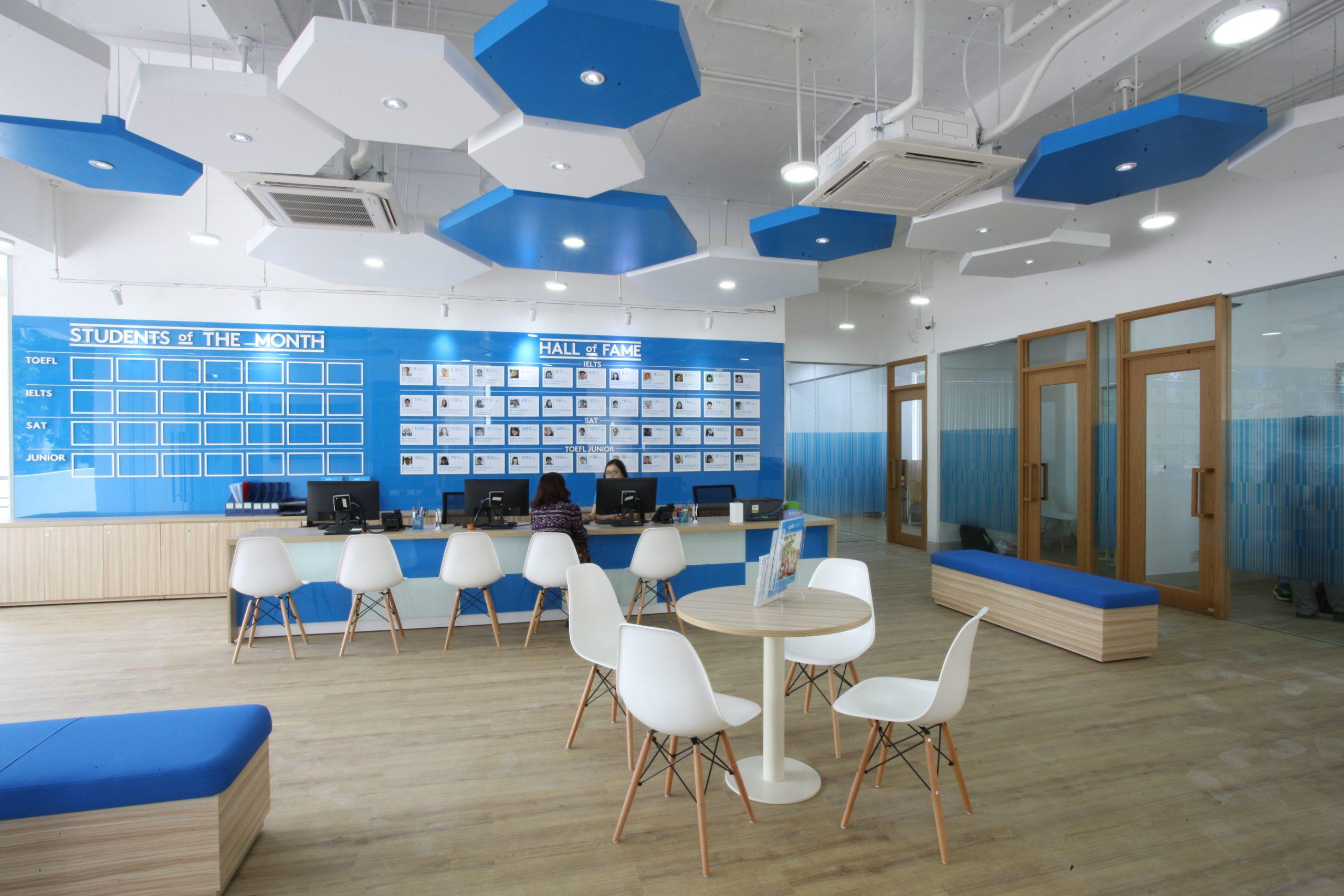
Choose names with a youthful and easy-to-remember language style
Prioritize brevity and create positive associations
Secondary school students are often attracted to names that are fresh, easy to remember and evoke positive images or excitement. According to a developmental psychology survey at Stanford University (2020), names with imagery increase memorability by 36% in teenagers. This is the basis for considering names such as:
- BuzzEnglish - evokes dynamism and trendiness.
- HopHop english – âm thanh vui tai, tạo cảm giác thân thiện.
- LingoZ - unusual and modern, reminiscent of Gen Z.
From the perspective of DPS.MEDIA, names that have a short structure, concise with 1-3 syllables và tận dụng từ mượn hoặc tạo từ mang chất “slang học đường” đang được học sinh đón nhận tích cực trên social và search trend.
Use a keyword list of emotions and Gen Z habits
Danh sách dưới đây giúp bạn “hack não” xu hướng từ ngữ mà học sinh cấp 2 dễ tiếp cận, đồng thời hỗ trợ quá trình brainstorm tên gọi phù hợp:
| Emotional keywords | Association |
|---|---|
| Glow | Shine, stand out |
| spark | Arouse curiosity |
| Pulse | Movement, school life rhythm |
| Next | Future, next step |
| Chill | No pressure, approachable |
Try to imagine a center with a name like English Pulse or GlowBridge: both trendy and suggestive of long-term development goals for students. A prominent case study is the center E.Space tại TP.HCM, sau khi đổi tên theo hướng ngắn gọn và độc đáo, đã tăng 52% lượng học sinh mới chỉ sau 3 tháng chạy chiến dịch branding – theo báo cáo Digital Branding 2023 của DPS.MEDIA.

Flexibly combine English and Vietnamese elements
Flexible language use increases brand name memorability
Từ quan sát thị trường ngôn ngữ học ở Việt Nam, DPS.MEDIA nhận thấy rằng sự kết hợp giữa tiếng Anh và tiếng Việt trong tên trung tâm tiếng Anh không chỉ dễ nhớ mà còn tạo cảm giác gần gũi với học sinh cấp 2. Không cần phải quá ”Tây”, cũng không nên thuần Việt một cách cứng nhắc. Việc chơi chữ, dùng từ ghép hai ngôn ngữ hoặc dịch sáng tạo giúp tăng tính nhận diện thương hiệu và thu hút học sinh ở độ tuổi đang tò mò khám phá thế giới.
for example, the center “Happy Học” là một case thực tế triển khai thành công chiến lược tên lai. “Happy” thể hiện cảm xúc tích cực bằng tiếng Anh – đơn giản nhưng dễ đánh trúng cảm xúc, còn “Học” lại giữ được cảm giác thân quen, gần gũi với phụ huynh và học sinh Việt. Sự phối hợp này tạo ra cái tên vừa hiện đại, vừa dễ tiếp cận mà không gây cảm giác xa lạ.
Popular and effective hybrid language naming models
| Naming model | Description | Example |
|---|---|---|
| English + Vietnamese verb | Create catchy, action-invoking names | Learn Vui, Speak Dễ |
| Vietnamese noun + English suffix | Retain Vietnamese identity, still modern | Tầm English, Mơlang |
| Creative translation | Translate not literally, but by emotion | Bay High (nghĩa “vươn xa”) |
Analyze the psychology of secondary school students in perceiving brand names
According to documents from the journal Journal of Brand Strategy (2021), các tên thương hiệu kết hợp đa ngôn ngữ sẽ tăng khả năng ghi nhớ tới 32% đối với các nhóm khách hàng trẻ. Học sinh trung học cơ sở là đối tượng vừa bước vào giai đoạn hình thành cá tính, dễ bị ấn tượng bởi những gì “lạ mà quen”. Do đó, DPS.MEDIA thường khuyến nghị SMEs cân nhắc cách đặt tên giao thoa văn hóa ngôn ngữ để gia tăng chỉ số nhận biết. Một thương hiệu như “Vươn English” not only states its mission but also inspires learning for this age group.
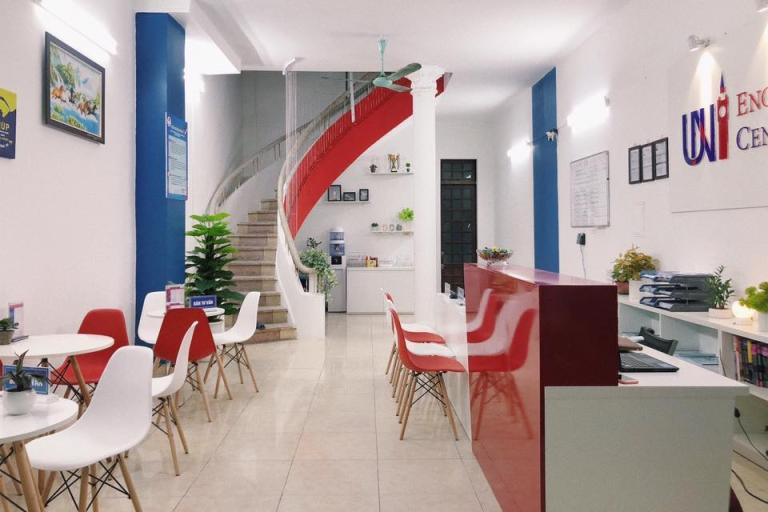
Leverage emotional factors to connect with students and parents
Connecting through emotions makes the brand more approachable and memorable
Dưới góc nhìn của DPS.MEDIA, việc đặt tên trung tâm tiếng Anh dành cho học sinh cấp 2 không chỉ là trò chơi ngôn ngữ – mà là chiến lược cảm xúc. Ở độ tuổi dậy thì, học sinh định hình bản sắc và niềm tin cá nhân, trong khi phụ huynh lo lắng cho tương lai học tập của con. Vì vậy, một cái tên mang yếu tố cảm xúc sẽ giúp gắn kết giữa thương hiệu và trái tim của khách hàng mục tiêu.
Thay vì tập trung vào tính mô tả đơn thuần như “Anh ngữ Thăng Long” hay “English for Teens”, bạn có thể khai thác nỗi lo và khát vọng mà cả phụ huynh lẫn học sinh đang mang trong mình:
- Names that reflect the journey of growth: Ví dụ “Next Leap” – ám chỉ bước nhảy vọt tiếp theo trong hành trình học thuật.
- Names that inspire positivity: Chẳng hạn “BrightSeed English” – gieo hạt giống tỏa sáng trong trẻ em.
- Names that create a sense of security for parents: Như ”Mentor House” – hàm ý về nơi có người đồng hành đáng tin cậy cho con.
Naming strategies based on adolescent developmental psychology
Nghiên cứu của yale Center for Emotional Intelligence (2022) chỉ ra rằng yếu tố cảm xúc đóng vai trò cốt lõi trong việc tiếp nhận thông tin ở nhóm tuổi 11-15. DPS.MEDIA sử dụng nguyên tắc này để phát triển hệ khung đặt tên, trong đó cảm xúc được mã hóa vào ngôn từ – từ đó tạo điểm chạm sâu kể cả khi người học chỉ thoáng thấy tên trung tâm trên poster hoặc Facebook ads.
| Center name | Evoked emotion | What parents think | What students feel |
|---|---|---|---|
| Skyward | Hope, progress | “Nơi này giúp con tôi vượt ngưỡng.” | “Nghe hoành tráng, như mình sẽ bay lên.” |
| Nova Teens | Discovery, creativity | “Tốt cho thế hệ Gen Alpha.” | “Ngầu như tên đội siêu anh hùng.” |
| Echo English | Engagement and feedback | “Dạy con kiểu hai chiều, hiện đại.” | “Không xa cách, dễ hiểu.” |
Suggestion from DPS.MEDIA: When building a brand name identity, survey both students and parents using qualitative (in-depth interviews) and quantitative (mini online polls) methods to measure primary emotions such as trust, pride, and empathy.
Hãy để cái tên kể chuyện giúp bạn. Không phải chuyện về bạn – mà là về ước mơ và hành trình phía trước của người học và gia đình họ.

Prioritize brevity and ease of pronunciation when naming centers
Short names help children remember and spread quickly
According to the report of Harvard Business Review (2022), in the educational environment, tên thương hiệu càng ngắn gọn thì khả năng ghi nhớ trong trí nhớ ngắn hạn của người trẻ – đặc biệt là học sinh cấp 2 - càng cao (tối ưu là dưới 10 ký tự). DPS.MEDIA đã từng hợp tác với một trung tâm tiếng Anh tại TP.HCM, ban đầu tên trung tâm là “English Academy for Future Stars” - dài dòng và khó phát âm. Chúng tôi đề xuất rút ngắn thành “ENFA” – một từ vững chãi, dễ đọc và mang cảm giác chuyên nghiệp. Sau 3 tháng triển khai rebranding,lượng học viên tăng 28% nhờ hiệu ứng lan tỏa qua truyền miệng (word-of-mouth).
Brevity does not mean monotony
Nhiều người hiểu nhầm rằng tên càng ngắn sẽ càng thiếu đặc sắc. Tuy nhiên, bằng cách kết hợp giữa viết tắt, từ ghép ngữ âm học (phonemic blending) và các yếu tố thị giác trong logo, tên trung tâm vẫn có thể mang tính biểu tượng mạnh mẽ. Ví dụ, “LingoX” – một dự án của DPS.MEDIA hợp tác cùng startup giáo dục tại Hà Nội – đưa yếu tố “Lingo” (ngôn ngữ) kết hợp với chữ “X” ẩn dụ cho trải nghiệm (Experience). Tên gọi trở nên độc đáo, gợi mở nhưng vẫn phát âm đơn giản với học sinh Việt Nam.
Example table: Comparing short and long names in practice
| type of name | Example | Student feedback |
|---|---|---|
| Long name | Global English advanced Institute | “Khó đọc quá, em nhớ không nổi” |
| Short name | GLOEN | “Nghe gọn và cool, dễ share với bạn” |
Suggestion from DPS.MEDIA: Start with 1-2 syllables with clear rhymes and good rhythm (like KidsLab, Viva, UniTalk) and check with a small focus group of 6th-8th grade students to assess readability and emotional response.. Một cái tên ngắn nhưng thông minh có thể giúp thương hiệu “in sâu” vào tâm trí lứa tuổi Gen Z – những người phản ứng nhanh với ngôn ngữ mạnh mẽ và rõ ràng.

Evoke positive images of learning and self-development
Inspire learning through brand names
Một cái tên trung tâm tiếng Anh không chỉ là phương tiện nhận diện, mà còn có thể trở thành nguồn cảm hứng học tập mỗi ngày cho học sinh cấp 2 – lứa tuổi bắt đầu khám phá bản thân, mong muốn khẳng định tư duy, cảm xúc và định hình ước mơ nghề nghiệp. Tại DPS.MEDIA, we believe that naming a language center brand should be associated with positive energy, open up the future, and build a sustainable personal development image.
Lấy ví dụ từ case study của “Nova Trail English” – một trung tâm tại Hà Nội được DPS.MEDIA tư vấn xây dựng tên gọi và định hướng thương hiệu. Từ “Nova” (new star) to “Trail” (path), this name evokes a learning journey like a space exploration with the light of knowledge leading the way. A survey three months after opening showed: 78% of parents chose the center because they felt the name created a sense of pioneering and inspiration for their children.
Positive imagery impacts students' emotions
Dựa trên nghiên cứu của Dr. Carol S.Dweck (Stanford, 2016), học sinh với tư duy phát triển (growth mindset) thường được thúc đẩy bởi những tín hiệu từ môi trường học – bao gồm cả tên không gian học tập. Vì thế, tên trung tâm nên kích hoạt cảm giác excitement, proactivity, and creativity. Những cụm từ như “Explorer”, “Shining”, “Future”, “Momentum” nên được khai thác theo hướng sáng tạo, không mang tính giáo điều hay khô cứng.
| Center name | Suggestive meaning | Common reactions from students |
|---|---|---|
| BrightSeed English | Sowing seeds for ideas to shine | Tò mò, cảm thấy tên “dễ thương” và thân thiện |
| Orbit English Lab | Explore the orbit of knowledge | Feels future-oriented, modern |
| NextUp Academy | Chuẩn bị cho thế hệ tiếp theo “bước lên” | Tăng sự chủ động và cảm giác “cool” |
We always encourage SMEs, especially in the education sector, hãy nhìn tên thương hiệu như một câu chuyện thu nhỏ – nơi mỗi học sinh bước vào đều cảm thấy mình đang là nhân vật chính trong hành trình phát triển bản thân.
Ensure applicability in brand recognition and digital communication
The name needs to be flexible, easy to position, and compatible across multiple platforms
In the digital age, a name is not only seen on the center's signboard, but also accompanies the digital brand on platforms like Facebook, TikTok, Google Ads, and even Zalo OA. According to research from Harvard Business Review, an effective brand name needs to be searchable, memorable, and sharable. Với học sinh cấp 2 – nhóm khách hàng trẻ thường xuyên “sống” trên mạng xã hội – việc đặt tên trung tâm phải dựa trên tư duy user experience like building a website, instead of simply carrying educational meaning.
Below is a table evaluating some popular naming styles today for their applicability in digital communication (on a 5-point scale):
| Naming style | Easy to search | Easy to remember | Scalability on digital platforms |
|---|---|---|---|
| Abbreviation + industry keyword (E.g.: ACE English, VTL Edu) | 4 | 3 | 2 |
| Modern pure Vietnamese name (E.g.: Sáng Mãi, Vươn Tầm) | 3 | 4 | 3 |
| Gamification/Gen Z slang (E.g.: iSpeak, GoLearnZ) | 5 | 5 | 5 |
Case study: brand connects students thanks to a smart name
In a rebranding project for an English center in Da Nang, DPS.MEDIA đề xuất chuyển tên từ “Anh Ngữ Minh Quang” sang “BrightlyEN”. Nhờ sự hòa quyện giữa tính học thuật (“EN”) và thông điệp cảm hứng (“Brightly”), lượt tương tác trên Zalo OA tăng 71% sau 2 tháng, trong khi chi phí quảng cáo Google Ads giảm 34% nhờ khả năng seeding từ khóa hiệu quả hơn.
Successful names often:
- Do not cause confusion with other brands
- Exist as a single word/domain format without duplicate URL
- Are correctly understood by AI content platforms – yếu tố quan trọng trong SEO & quảng cáo
In other words, if a name cannot fit neatly into a hashtag or a friendly URL, its chances of existing in digital perception are very low.
Things still under consideration
Tên gọi không chỉ đơn thuần là một nhãn hiệu – đó là điểm khởi đầu cho câu chuyện thương hiệu của bạn. Với học sinh cấp 2, cái tên cần đủ gần gũi để tạo thiện cảm, đủ sáng tạo để khơi dậy trí tò mò và đủ khác biệt để học sinh dễ nhớ, dễ kể lại cho bạn bè. 10 gợi ý mà DPS.MEDIA chia sẻ hy vọng đã giúp bạn định hình rõ hơn hướng đi phù hợp cho trung tâm tiếng Anh của mình.
Việc lựa chọn tên nên được kết hợp với chiến lược định vị thương hiệu tổng thể, từ màu sắc, thông điệp cốt lõi đến các hoạt động marketing sau này.Hãy đem những nguyên tắc đặt tên đã học vào thực tiễn – thử nghiệm A/B, làm khảo sát học sinh và phụ huynh, hoặc thậm chí tạo một mini workshop để chọn tên cùng học viên tương lai.
Nếu bạn đang tìm cách xây dựng chiến lược thương hiệu xuyên suốt từ tên gọi đến nhận diện hình ảnh, các chiến dịch quảng bá và chuyển đổi online, DPS.MEDIA sẵn sàng đồng hành với bạn. Chúng tôi hiểu rõ thách thức mà các SMEs trong ngành giáo dục đang đối mặt - đặc biệt là khi cạnh tranh ngày càng khốc liệt.Bạn có đang ấp ủ một cái tên sáng tạo cho trung tâm tiếng Anh của mình? Hãy chia sẻ ý tưởng hoặc quan điểm của bạn trong phần bình luận bên dưới – chúng tôi rất mong được lắng nghe và trao đổi cùng cộng đồng!