



Advertising video đang trở thành vũ khí tối thượng trong cuộc đua Digital Marketing hiện đại. Tuy nhiên, có một nghịch lý đau lòng mà rất nhiều chủ doanh nghiệp SMEs gặp phải hiện nay. Đó là bạn bỏ ra hàng chục, thậm chí hàng trăm triệu đồng để sản xuất một thước phim đẹp lung linh, chuẩn điện ảnh.
Thế nhưng, kết quả nhận lại là con số 0 tròn trĩnh về doanh thu. Lượt xem có thể cao, lời khen có thể nhiều, nhưng đơn hàng thì lèo tèo. Vì sao lại có sự mâu thuẫn này? Liệu cái đẹp có thực sự là yếu tố quyết định hành vi mua hàng?
According to báo cáo xu hướng video 2024, người dùng ngày càng khó tính hơn với các nội dung quảng cáo thuần túy. Họ lướt qua hàng trăm nội dung mỗi ngày và chỉ dừng lại ở những gì thực sự mang lại giá trị hoặc cảm xúc mạnh mẽ.
Với kinh nghiệm thực chiến từ năm 2017 tại DPS.MEDIA, tôi đã chứng kiến không ít chiến dịch thất bại chỉ vì quá chú trọng hình thức mà quên đi cốt lõi bán hàng. Bài viết này sẽ vạch trần những sai lầm chí mạng khiến video quảng cáo của bạn “đẹp mã” nhưng “rỗng ruột”.
1. Video quảng cáo Quá Tập Trung Vào Kỹ Thuật Mà Quên Đi “Insight” Khách Hàng
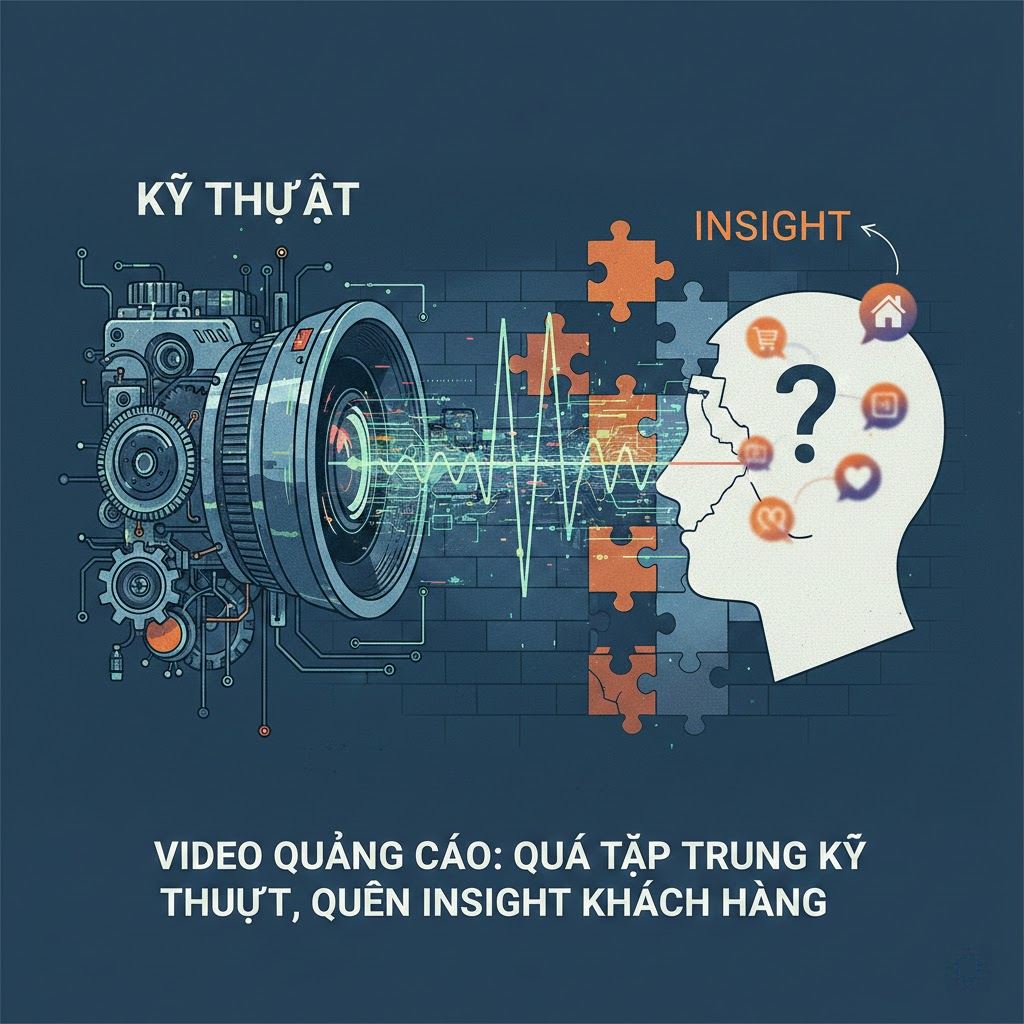
Sai lầm phổ biến nhất của các Production House và doanh nghiệp là quá say mê với kỹ thuật quay dựng. Chúng ta thường bị cuốn vào việc chọn máy quay 8K, ánh sáng chuẩn Hollywood, hay các hiệu ứng chuyển cảnh mãn nhãn. Tuy nhiên, khách hàng không mua hàng vì video của bạn nét, họ mua vì bạn giải quyết được nỗi đau của họ.
Cái bẫy của sự hoàn hảo trong Video quảng cáo
One video quảng cáo quá trau chuốt đôi khi lại tạo ra khoảng cách với người xem. Trong thời đại của TikTok và Reels, sự chân thật (Authenticity) đang lên ngôi. Những video quá bóng bẩy có thể khiến người dùng cảm thấy “đây là quảng cáo” và lập tức lướt qua theo phản xạ.
Các chuyên gia tại DPS.MEDIA thường khuyên khách hàng rằng: “Đừng cố gắng làm phim điện ảnh để bán kem trộn”. Sự phù hợp về ngữ cảnh quan trọng hơn nhiều so với chất lượng kỹ thuật. Một video quay bằng điện thoại nhưng đánh trúng tâm lý có thể mang lại doanh thu gấp 10 lần một TVC tiền tỷ nhưng sáo rỗng.
Khách hàng ngày nay thông minh hơn chúng ta tưởng. Họ nhận ra đâu là dàn dựng và đâu là trải nghiệm thật. Khi kỹ thuật lấn át nội dung, thông điệp bán hàng sẽ bị lu mờ. Người xem chỉ nhớ “video đẹp quá” nhưng không nhớ bạn bán cái gì.
Thiếu sự thấu hiểu nỗi đau (Pain Point)
Mỗi video quảng cáo thành công đều phải bắt đầu từ một Insight sắc bén. Nếu bạn không chạm đúng “điểm ngứa” của khách hàng, mọi nỗ lực hình ảnh đều vô nghĩa. Insight không phải là những gì bạn nghĩ, mà là những gì khách hàng thực sự cảm thấy.
Ví dụ, thay vì quay cảnh nhà máy sản xuất hoành tráng (điều khách hàng ít quan tâm), hãy quay cảnh một người mẹ bận rộn sung sướng khi giải quyết được bữa ăn cho con trong 5 phút nhờ sản phẩm của bạn. Đó mới là thứ bán được hàng.
Nghiên cứu của DPS.MEDIA trên 500 chiến dịch cho thấy, các video tập trung vào giải pháp thực tế có tỷ lệ chuyển đổi cao hơn 40% so với video tập trung phô diễn tính năng. Hãy nói ngôn ngữ của khách hàng, đừng nói ngôn ngữ của người làm phim.
Bảng so sánh: Tư duy nghệ thuật vs Tư duy bán hàng
| Factors | Tư duy Nghệ thuật (Production) | Tư duy Bán hàng (Marketing) |
|---|---|---|
| Main goal | Đẹp, ấn tượng, nghệ thuật | Ra đơn, chuyển đổi, ROI |
| Kịch bản | Nhiều ẩn dụ, bay bổng | Trực diện, đánh trúng nỗi đau |
| Nhịp điệu | Chậm rãi, thưởng thức | Nhanh, dồn dập, giữ chân |
| Sound | Nhạc nền du dương | Voice-off thôi miên, hiệu ứng mạnh |
| Results | Người xem trầm trồ | Người xem bấm mua ngay |
Lời khuyên cho doanh nghiệp
Hãy bắt đầu quy trình sản xuất video quảng cáo bằng việc nghiên cứu thị trường, không phải bằng việc chọn máy quay. Hãy đặt câu hỏi: “Khách hàng của tôi đang gặp vấn đề gì?” trước khi hỏi “Góc máy này có đẹp không?”. Sự thay đổi trong tư duy này sẽ tiết kiệm cho bạn hàng tỷ đồng chi phí lãng phí.
2. Kịch Bản Video quảng cáo Thiếu “Hook” Giữ Chân Trong 3 Giây Đầu

Trong thế giới Digital Marketing, chúng ta đang sống trong nền kinh tế của sự chú ý. Bạn chỉ có chưa đầy 3 giây để thuyết phục người xem không lướt qua. Nếu video quảng cáo của bạn mở đầu bằng logo công ty xoay vòng hay cảnh flycam chạy dài lê thê, bạn đã thất bại ngay từ vạch xuất phát.
Quy luật 3 giây sinh tử
Tại sao 3 giây đầu lại quan trọng đến thế? Vì hành vi lướt của người dùng là vô thức. Bộ não của họ được lập trình để lọc bỏ những nội dung nhàm chán hoặc mang nặng tính quảng cáo. Một video quảng cáo hiệu quả phải giáng một đòn tâm lý ngay lập tức.
Hook (điểm neo) có thể là một câu hỏi gây sốc, một hình ảnh kỳ quặc, hoặc một lời khẳng định táo bạo. Mục tiêu là làm gián đoạn dòng suy nghĩ của người xem (Pattern Interrupt). Nếu không làm được điều này, phần nội dung phía sau dù hay đến đâu cũng không ai xem tới.
Theo thống kê từ các nền tảng mạng xã hội, 65% người xem sẽ rời đi nếu 3 giây đầu tiên không hấp dẫn. Đây là con số biết nói buộc các nhà làm quảng cáo phải thay đổi cách kể chuyện truyền thống.
Các loại Hook phổ biến trong Video quảng cáo
- Hook bằng âm thanh: Tiếng động lạ, câu nói trending, hoặc âm nhạc dồn dập ngay lập tức.
- Hook bằng hình ảnh: Kết quả trước/sau (Before/After) gây sốc, hình ảnh zoom cận cảnh vấn đề (ví dụ: mụn, vết bẩn).
- Hook bằng câu hỏi: “Bạn có đang tốn tiền vô ích cho…?”, “Tại sao 90% người dùng sai lầm khi…?”
- Hook bằng phủ định: “Đừng mua sản phẩm này nếu bạn chưa biết điều sau…”
- Hook bằng con số: “Kiếm 100 triệu/tháng chỉ với 2 giờ làm việc…”
Ví dụ thực tế về Hook hiệu quả và thất bại
Trường hợp thất bại: Một nhãn hàng thời trang mở đầu video quảng cáo bằng cảnh người mẫu đi dạo chậm rãi trong công viên, nhạc nền piano nhẹ nhàng. Logo hiện lên từ từ. Kết quả: Người xem lướt qua sau 1.5 giây vì tưởng là video phong cảnh hoặc thấy quá nhàm chán.
Trường hợp thành công: Cũng nhãn hàng đó, nhưng sửa lại mở đầu bằng cảnh một cô gái cắt nát chiếc váy cũ và thay bằng chiếc váy mới với nụ cười rạng rỡ, kèm text to bản: “Vứt ngay những bộ đồ lỗi mốt này đi!”. Kết quả: Lượt xem hết video tăng 300%.
Lỗi sai thường gặp khi làm Intro
Nhiều doanh nghiệp thích đưa Intro giới thiệu công ty vào đầu mỗi video quảng cáo. Đây là tư duy của truyền hình thập niên 90. Trên Facebook hay TikTok, không ai quan tâm bạn là ai cho đến khi họ biết bạn giúp được gì cho họ. Hãy ném Intro logo ra sau cùng hoặc bỏ hẳn nó đi.
3. Ads Not Optimized For Each Platform

Một sai lầm kinh điển khác là tư duy “One size fits all” – Một kích thước cho tất cả. Bạn sản xuất một TVC tỷ lệ 16:9 (ngang) rồi đăng nguyên xi lên TikTok, Reels hay Shorts. Đây là cách nhanh nhất để đốt tiền quảng cáo mà không mang lại hiệu quả.
Sự khác biệt về hành vi tiêu thụ nội dung
Mỗi nền tảng có một “ngôn ngữ” riêng. TikTok ưa chuộng sự nhanh, vui nhộn, đời thường và khung hình dọc (9:16). YouTube lại ưu tiên nội dung có chiều sâu, chất lượng cao và khung hình ngang (16:9). Facebook thì đa dạng nhưng khung hình vuông (1:1) hoặc dọc (4:5) thường hiệu quả nhất trên Mobile.
Khi bạn mang một video quảng cáo chuẩn điện ảnh 16:9 đặt vào TikTok, phần hiển thị sẽ bị bé xíu ở giữa màn hình. Hai khoảng đen trên dưới tạo cảm giác xa cách và thiếu chuyên nghiệp. Trải nghiệm người dùng bị giảm sút nghiêm trọng.
DPS.MEDIA experts recommend rằng doanh nghiệp nên quay source (nguyên liệu) với tư duy đa nền tảng ngay từ đầu. Hãy đảm bảo khung hình có thể crop (cắt) được cho cả dọc và ngang mà không mất chi tiết quan trọng.
Vấn đề về âm thanh và phụ đề
Trên Facebook, 85% người dùng xem video ở chế độ tắt tiếng (Silent Mode). Nếu video quảng cáo của bạn phụ thuộc hoàn toàn vào lời thoại mà không có phụ đề (Subtitle) hoặc text minh họa, bạn đang bỏ lỡ 85% khách hàng tiềm năng.
Ngược lại, trên TikTok, âm thanh là linh hồn. Sử dụng nhạc trending có thể giúp video của bạn được thuật toán đề xuất mạnh mẽ. Việc không hiểu luật chơi của từng sân chơi khiến video của bạn trở nên lạc lõng và kém hiệu quả.
Bảng thông số kỹ thuật tối ưu cho Video quảng cáo
| Platform | Aspect ratio | Optimal duration | Yêu cầu đặc biệt |
|---|---|---|---|
| Facebook Feed | 1:1 hoặc 4:5 | 15 – 60 giây | Bắt buộc có phụ đề/Text |
| TikTok / Reels | 9:16 (Full màn hình) | 15 – 30 giây | Nhịp nhanh, nhạc trend, text ở vùng an toàn |
| YouTube Ads | 16:9 | Skip sau 5s hoặc 15s | Hook cực mạnh trong 5s đầu |
| Zalo Ads | 16:9 hoặc 1:1 | Ngắn gọn dưới 30s | Dung lượng file nhẹ để load nhanh |
Tối ưu hóa vùng an toàn (Safe Zone)
Một lỗi kỹ thuật sơ đẳng nhưng rất nhiều người mắc phải là đặt text hoặc hình ảnh quan trọng bị che khuất bởi các nút bấm của ứng dụng (nút like, comment, share, caption). Trong video quảng cáo, nếu nút “Mua ngay” hoặc số điện thoại bị che mất, bạn đang tự chặn đường doanh thu của mình.
4. Ads Lack Clear Call to Action (CTA)
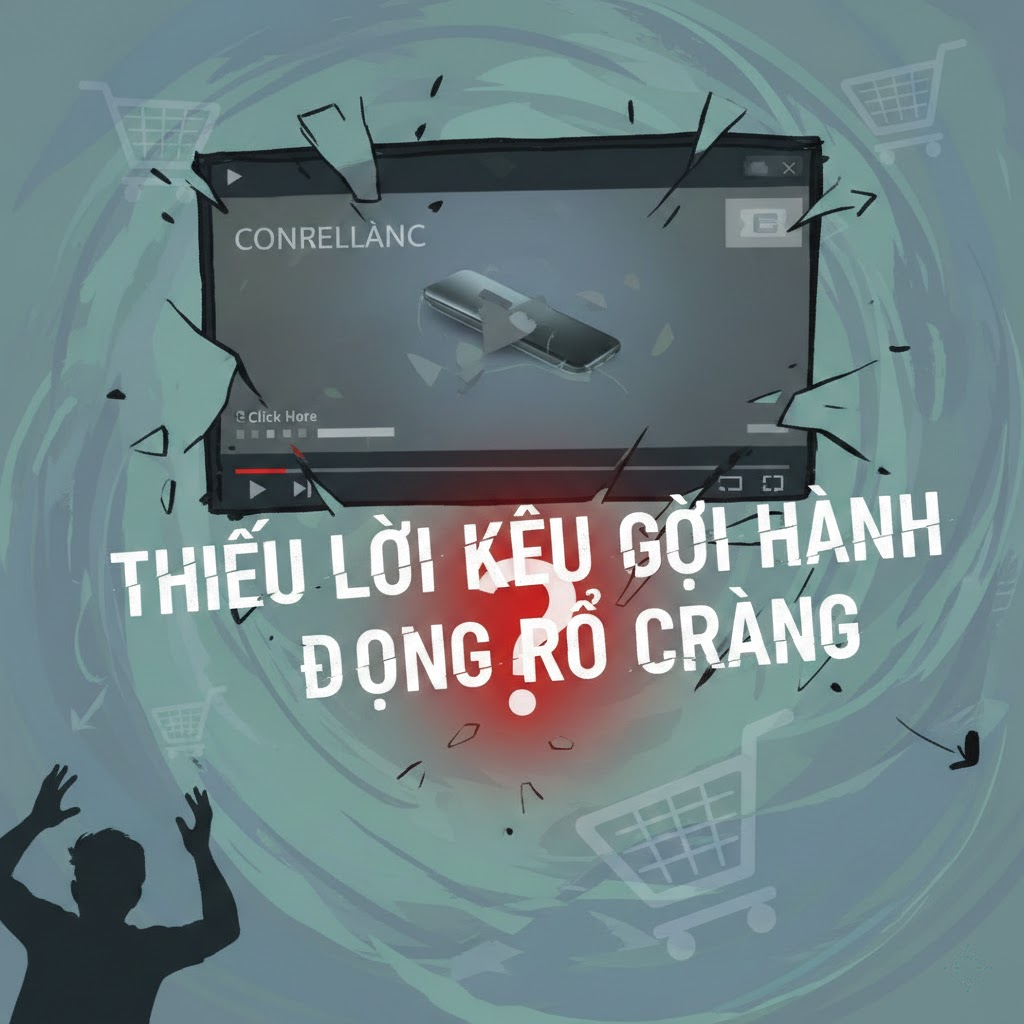
Bạn có một video đẹp, nội dung hay, khách hàng hết video… và rồi họ lướt qua video tiếp theo. Tại sao? Vì bạn không bảo họ phải làm gì cả. Thiếu Call To Action (CTA) là nguyên nhân hàng đầu khiến tỷ lệ chuyển đổi thấp lẹt đẹt.
Tâm lý hành vi thụ động
Người xem video thường ở trạng thái thụ động. Họ cần một mệnh lệnh trực tiếp và rõ ràng để thực hiện hành động tiếp theo. Đừng bao giờ giả định rằng khách hàng sẽ tự biết cách tìm link mua hàng hay tự biết cách liên hệ với bạn.
One video quảng cáo hiệu quả phải dẫn dắt người xem đi đến đích cuối cùng. Bạn muốn họ làm gì? Mua ngay? Đăng ký tư vấn? Hay chỉ đơn giản là để lại bình luận? Hãy nói điều đó ra một cách dứt khoát.
According to quy tắc quảng cáo trực tuyến, CTA không chỉ nên xuất hiện ở cuối video. Hãy nhắc lại nó một cách khéo léo ở giữa video hoặc ghim nó cố định trên màn hình (đối với livestream hoặc video dài).
Chiến thuật đặt CTA hiệu quả
- Động từ mạnh: Sử dụng các từ ngữ mang tính thôi thúc như “Lấy ngay ưu đãi”, “Sở hữu ngay”, “Đừng bỏ lỡ”.
- Tạo sự khan hiếm: “Chỉ còn 10 suất cuối cùng”, “Ưu đãi kết thúc sau 24h”.
- Lợi ích đi kèm hành động: “Nhấn gửi tin nhắn để nhận Ebook miễn phí”, thay vì chỉ nói “Gửi tin nhắn”.
- Hướng dẫn trực quan: Dùng mũi tên trỏ vào nút bấm, hoặc hình ảnh mô phỏng thao tác click chuột.
Ví dụ về sự thay đổi CTA
Trước: Kết thúc video bằng logo và số hotline chạy qua màn hình. Khách hàng phải tự nhớ số hoặc pause video để chép lại. Tỷ lệ gọi: Thấp.
After: Kết thúc video bằng câu nói: “Bấm ngay vào nút Gửi Tin Nhắn bên dưới để nhận mã giảm giá 50%, số lượng có hạn!”. Đồng thời có mũi tên đồ họa chỉ xuống. Tỷ lệ tin nhắn: Tăng gấp 5 lần.
Tại sao nên có nhiều hơn một CTA?
Đối với các video quảng cáo dài trên 1 phút, việc đặt CTA ở mốc 30s và 50s là cần thiết. Một số khách hàng đã bị thuyết phục ngay từ nửa video, đừng bắt họ phải chờ đến hết mới được mua hàng. Tuy nhiên, đừng lạm dụng khiến video trở thành một cái chợ ồn ào.
5. Ad Content Lacks Authenticity (Trust)

Trong bối cảnh lừa đảo trực tuyến gia tăng, niềm tin (Trust) là rào cản lớn nhất. Một video quảng cáo được quay trong Studio phông xanh, người mẫu đẹp như mơ đôi khi lại kém tin cậy hơn một video quay bằng điện thoại rung lắc review thực tế sản phẩm.
Sức mạnh của UGC (User Generated Content)
Xu hướng hiện nay là sử dụng nội dung do người dùng tạo (UGC). Khách hàng tin vào lời nói của một người tiêu dùng khác hơn là lời hứa của nhãn hàng. Advertising video dạng UGC tạo cảm giác gần gũi, khách quan và chân thực hơn.
Tại DPS.MEDIA, chúng tôi thường kết hợp giữa các cảnh quay chuyên nghiệp (để nâng tầm thương hiệu) và các cảnh quay thực tế từ khách hàng cũ (để xây dựng lòng tin). Công thức này giúp cân bằng giữa cảm xúc và lý trí của người mua.
Yếu tố “Social Proof” trong Video
Đừng chỉ nói sản phẩm của bạn tốt. Hãy cho họ thấy người khác đang dùng nó tốt như thế nào. Lồng ghép các feedback, tin nhắn phản hồi, hình ảnh trước sau của khách hàng thực tế vào video quảng cáo là cách chốt sale cực mạnh.
Thậm chí, việc công khai cả những điểm chưa hoàn hảo nhỏ (nhưng chấp nhận được) đôi khi lại làm tăng tính thuyết phục. Ví dụ: “Sản phẩm này hơi khó dùng lần đầu, nhưng khi quen rồi bạn sẽ nghiện nó”. Sự thành thật luôn được đánh giá cao.
Bảng phân tích: Video Hãng làm vs Video Khách làm
| Characteristics | Video Hãng làm (Brand Video) | Video Khách làm (UGC) |
|---|---|---|
| Image quality | Cao cấp, chuyên nghiệp | Bình dân, thực tế |
| Kịch bản | Định hướng PR, marketing | Cảm nhận cá nhân, tự nhiên |
| Reliability | Thấp (người xem đề phòng) | Cao (dễ đồng cảm) |
| Production cost | Cao đến Rất cao | Thấp hoặc Miễn phí |
| Conversion rate | Tốt cho Branding | Tốt cho Sales |
Vai trò của KOLs/KOCs
Sử dụng người có ảnh hưởng (KOLs/KOCs) là một con dao hai lưỡi. Nếu chọn sai người, video quảng cáo của bạn sẽ bị gượng gạo. Hãy chọn những KOL có tệp fan phù hợp và để họ tự do sáng tạo nội dung dựa trên ngôn ngữ của họ, thay vì ép họ đọc thuộc lòng một kịch bản sáo rỗng.
Kết Luận: Để Video quảng cáo Thực Sự “Hái Ra Tiền”
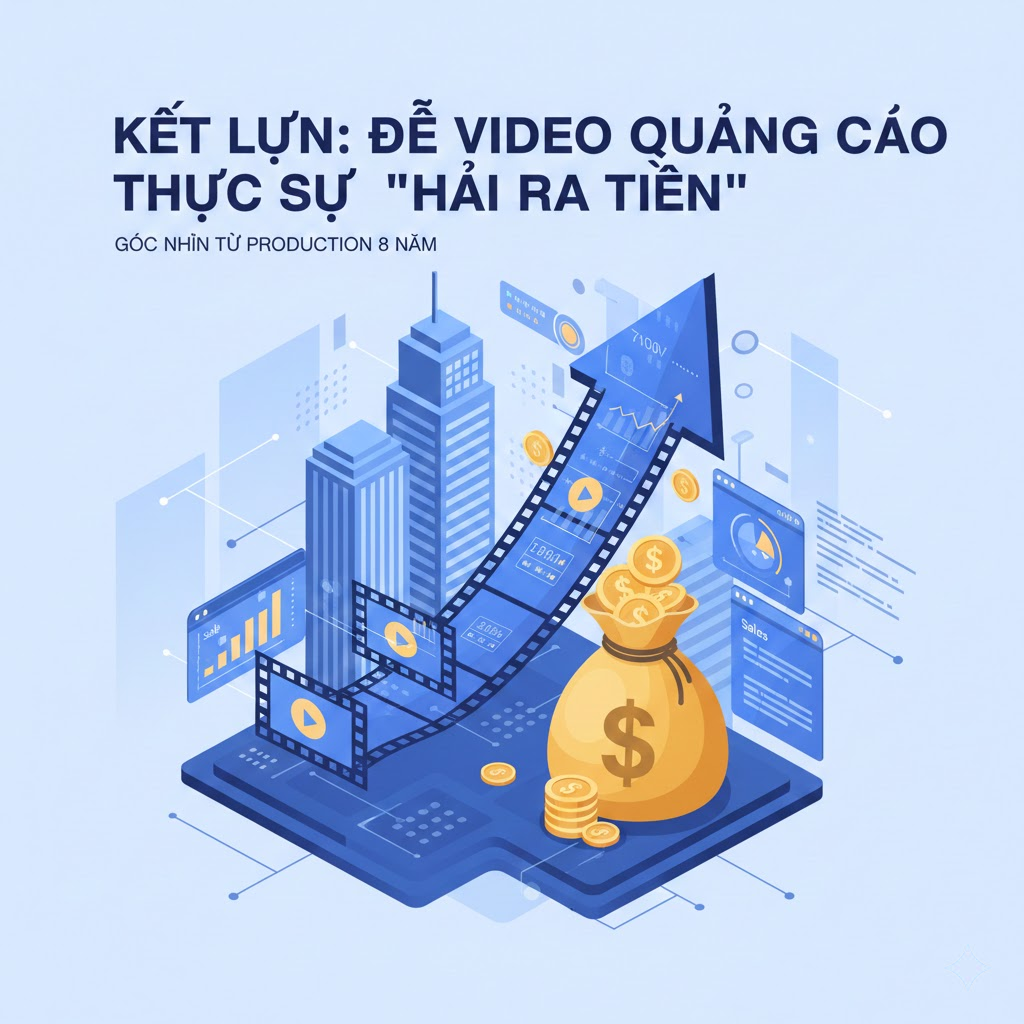
Tóm lại, một video quảng cáo hiệu quả là sự kết hợp hài hòa giữa nghệ thuật và khoa học hành vi. Đẹp thôi chưa đủ, nó cần phải đúng Insight, đủ Hook, chuẩn Platform và mạnh CTA. Đừng để ngân sách marketing của bạn bốc hơi chỉ vì những lỗi tư duy có thể tránh được này.
Dưới đây là những điểm cốt lõi bạn cần ghi nhớ để tối ưu hóa chiến dịch sắp tới:
- Đặt mục tiêu bán hàng lên trên mục tiêu nghệ thuật.
- Tối ưu hóa 3 giây đầu tiên bằng mọi giá để giữ chân người xem.
- Sản xuất video theo định dạng chuẩn của từng nền tảng (TikTok, Facebook, Youtube).
- Luôn có lời kêu gọi hành động (CTA) rõ ràng, dứt khoát.
- Sử dụng chất liệu thực tế (UGC) để tăng niềm tin thương hiệu.
- Đo lường hiệu quả dựa trên đơn hàng, không phải dựa trên view ảo.
- Liên tục A/B testing để tìm ra kịch bản chiến thắng.
Việc sản xuất video marketing không đơn thuần là cầm máy lên và quay. Nó đòi hỏi một comprehensive marketing strategy bài bản và sự thấu hiểu sâu sắc về thị trường. Nếu bạn đang loay hoay tìm kiếm hướng đi đúng đắn cho các chiến dịch video của mình, hãy để DPS.MEDIA đồng hành cùng bạn.
Với đội ngũ chuyên gia giàu kinh nghiệm thực chiến, chúng tôi sẵn sàng giúp bạn biến những ý tưởng thành doanh số thực tế. Đừng ngần ngại liên hệ với chúng tôi để được tư vấn giải pháp tối ưu nhất cho doanh nghiệp của bạn ngay hôm nay!