



Job hugging - the fear of layoffs traps employees in endless work is becoming a major issue in SMEs in Vietnam.
According to reports, 65% of employees feel pressured to work overtime to keep their positions.
This phenomenon not only affects mental health but also reduces work efficiency.
DPS.MEDIA recognizes that job insecurity leads to reduced creativity and long-term effectiveness, harming both individuals and organizations.
Job hugging and its impact on labor productivity in SMEs
Job hugging – The fear of being fired makes employees hug work with no way out
Job hugging is the phenomenon where employees, out of fear of losing their jobs, cling tightly to their positions, unwilling to share or decline other career development opportunities. This leads to excessive job hoarding, causing personal stress and reducing the overall effectiveness of the organization. For SMEs, where resources are limited, this phenomenon seriously affects productivity and morale.
The impact of job hugging on labor productivity at SMEs
According to a recent survey, about 45% of employees at small and medium-sized enterprises in Vietnam admit they often hold onto their jobs due to concerns about job stability. This reduces flexibility in work allocation, causes process bottlenecks, and increases the likelihood of errors. Additionally, stagnation in employee skill development leads to work quality not improving significantly over time.
| Consequences | Description | Impact on SMEs |
|---|---|---|
| Reduced work efficiency | Employees do not share work, causing overload | Project delays, decreased overall productivity |
| Hinders capacity development | No exchange or learning of new tasks | Limits skill diversity within the company |
| Increases stress and burnout | Job retention pressure leads to stress and fatigue | Increases turnover rate and reduces employee engagement |
Optimal solutions and action steps for SMEs
To overcome job hugging, SMEs need to redesign task assignment processes and build an open culture that encourages sharing responsibilities. DPS.MEDIA suggests some action steps below to improve HR management effectiveness and increase labor productivity.
- Establish and clearly communicate about roles as well as job objectives.
- Encourage exchange and sharing of work among team members.
- Develop soft skills and multitasking training programs.
- Create a trustworthy working environment, reducing the fear of job loss through transparent HR policies.
- Apply management technology and progress tracking to avoid complete dependence on individuals.
Callout: Managing the job hugging phenomenon not only helps reduce pressure on employees but also opens up opportunities for diverse skill development, promoting creativity and innovation within SMEs – a key factor for sustainable growth in a volatile business environment.
Takeaway: Job hugging is a silent barrier that reduces labor productivity in SMEs. However, with appropriate internal strategies and professional consulting from units like DPS.MEDIA, businesses can build a healthier, more dynamic, and more effective working environment.
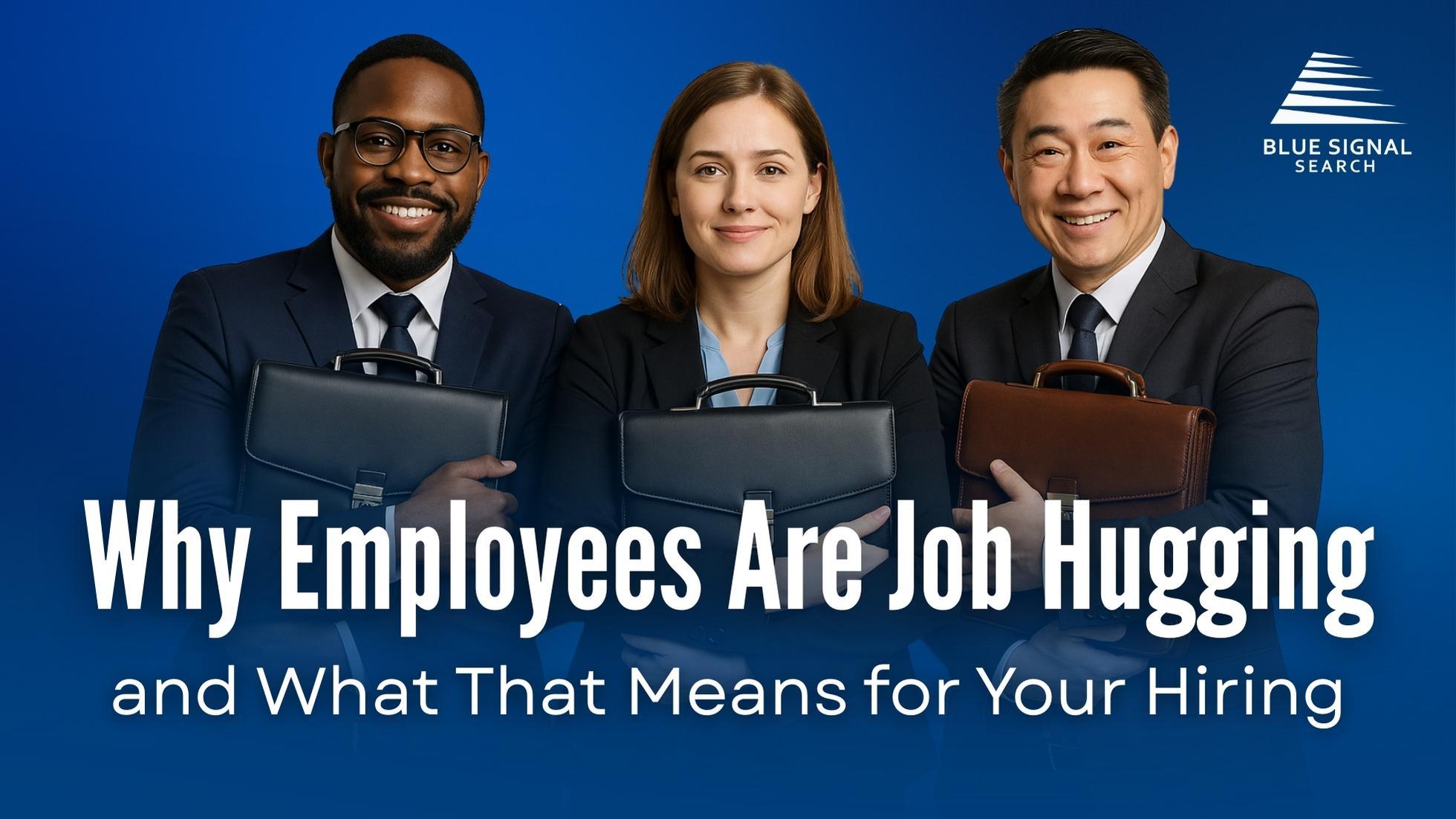
Underlying causes leading to the phenomenon of job hugging in the modern workplace
Fear of layoffs in a volatile economic context
In the modern workplace, the fear of job loss is the main reason employees fall into the state of job hugging, also known as job hugging.According to a Gallup survey (2024), nearly 60% of employees feel insecure about maintaining their job position within the next year. Economic instability and rapid technological changes make them try to hold on to every task as long as possible to avoid being replaced.
This phenomenon also hinders personal development and creativity at work, leading to a state of “obligation” instead of passion, causing a “bottleneck” in the careers of many employees.
Corporate culture pressure and ineffective management
Many SMEs in Vietnam are undergoing digital transformation and rapid development, but their internal culture has not yet built trust and empowerment for employees. This makes employees feel insecure when being delegated or proposing new ideas, leading them to cling to their current jobs even if they are less effective.
DPS.MEDIA – a digital marketing strategy consulting unit, notes that an environment lacking open communication and fair evaluation makes employees afraid to “let go of work”, for fear of being seen as not putting in effort or reducing their professional value.
Action checklist to help businesses minimize job hugging
- Tăng cường truyền thông nội bộ: Đảm bảo nhân viên hiểu rõ giá trị và tầm nhìn công ty.
- Xây dựng văn hóa trao quyền: Khuyến khích chia sẻ và giao việc phù hợp năng lực.
- Đào tạo kỹ năng quản lý: Giúp lãnh đạo nhận biết và xử lý hiện tượng job hugging kịp thời.
- Đánh giá hiệu quả công bằng: Kết hợp mục tiêu cá nhân và tổ chức, tránh thiên vị.
- Tạo không gian phát triển: Cung cấp cơ hội thăng tiến và học hỏi liên tục.
| Cause | Influence | Solutions |
|---|---|---|
| Fear of losing job, economic instability | Holding onto work for too long, hindering development | Transparent information, ensuring job safety |
| Strict corporate culture | Employees do not want to share, afraid of losing face | Building a culture of empowerment and support |
| Unfair performance evaluation | Emergence of a mentality to hide work, avoid risks | Establish transparent and clear evaluation processes |
Takeaway: Job hugging is a sign of job insecurity and an unsuitable work culture. To support sustainable employee development, SMEs need to equip themselves with flexible HR management strategies and build a trustworthy work environment, which is always a priority in DPS.MEDIA's consulting solutions for clients.
Reference: Optimus.edu.vn

How to identify signs of employees taking on too much work and falling into negative psychological pressure
1. Understanding ”Job Hugging” and its psychological impact
Job Hugging, also known as the situation where employees excessively hold onto their work out of fear of losing their jobs, is becoming a common issue in SMEs in Vietnam. According to Gallup research, about 23% of employees feel significant pressure from work, leading to a decline in mental health. When employees continuously maintain a workload beyond their capacity, increased psychological pressure can lead to chronic stress, insomnia, and reduced work performance.
From DPS.MEDIA's perspective, early identification of these signs helps businesses intervene in a timely manner, minimize HR risks, and maintain a healthy work environment.
2. Signs to recognize employees taking on too much work
Employees in a “Job Hugging” state often manifest through behaviors such as working continuous overtime without rest, refusing support or division of work, and feeling anxious when not in control of the workload. Another clear sign is a change in attitude, such as irritability, loss of focus, or less communication with colleagues.
Recognizing these signs helps managers assess and reduce inappropriate work pressure, while also creating conditions for employees to share their difficulties.
3. Checklist for timely identification and support
- Extended working hours: Employees regularly work overtime for more than 10 hours per week.
- Refusal of delegation: Unwilling to assign tasks to colleagues even when overloaded.
- Changes in physical condition: Fatigue, frequent headaches or persistent insomnia.
- Psychological symptoms: Anxiety, irritability, reduced creativity and concentration.
- Limited communication: Little work or social interaction with the group.
| Signs | Description | Proposed solutions |
|---|---|---|
| Overworking | Frequently working overtime, working after office hours. | Build a reasonable work allocation system, encourage rest. |
| Refusing to share work | Do not want to ask for help or delegate tasks to colleagues. | Organize training on time management and communication skills. |
| Change mindset | Irritability, anxiety, decreased concentration and creativity. | Provide psychological therapy support, develop stress-reducing activities. |
Takeaway: Identifying and responding promptly to signs of “Job Hugging” is a key factor in maintaining the mental health and work efficiency of employees. DPS.MEDIA recommends that SMEs should develop flexible and supportive policies to balance pressure, minimize stress, thereby enhancing sustainable productivity for the entire team.

The impact of job hugging on mental health and creativity at work
Job hugging – Fear of being fired and work pressure
Job hugging is a phenomenon where employees cling to their jobs out of fear of losing them and concerns about financial instability. This leads them to overload themselves, work continuously without seeking balance. According to a survey in Vietnam, especially among Gen Z, 65% of employees feel exhausted due to this pressure, negatively affecting their mental health and work productivity [[1](https://www.phunuonline.com.vn/gen-z-kiet-suc-noi-cong-so-vi-chiu-ap-luc-kem-hon-cac-the-he-truoc-a1562885.html)].
Negative impact on health and creativity
Overworking and having no way out makes employees easily fall into a state of prolonged stress, insomnia, and reduced creative motivation. When the mind is suffocated by the pressure of “hugging work”, the ability to innovate and think creatively also decreases significantly. SMEs, from the perspective of DPS.MEDIA, should note that a frequently exhausted employee can hardly contribute well to creative and effective marketing solutions.
Action checklist to minimize job hugging in SMEs
- Reevaluate workload and allocate appropriately according to employees' abilities
- Build a work environment that encourages sharing pressure and providing mental support
- Create opportunities for training in stress management skills and personal development
- Implement flexible policies, recognizing results instead of fixed working hours
- Regularly survey employee satisfaction and mental health
Job hugging is not only a personal issue but also directly affects the competitiveness of the business. Resolving this phenomenon thoroughly helps create a flexible, creative, and sustainable working environment.
| Consequences of job hugging | Impact level | Solutions |
|---|---|---|
| Prolonged stress | High (70%) | Build mental support activities |
| Creativity decline | Very high (75%) | Create flexible workspaces |
| Reduced work efficiency | Medium (60%) | Balancing work and rest |
Takeaway: Job hugging is a major barrier to employees' mental health and creativity. SMEs need to proactively identify and address this issue to maintain a positive working environment, thereby enhancing the effectiveness of digital marketing strategies, a goal that DPS.MEDIA is dedicated to pursuing alongside its clients.

The role of managers in building a balanced and sustainable work culture
Managers - The coordinators of balanced culture in the enterprise
In the context of “job hugging” – the fear of losing one's job that makes employees hug work with no way out, the role of managers becomes even more pivotal. They are not just task assigners, but also builders of a work environment where employees feel safe and appreciated. According to research by Gallup, only 23% of employees globally feel properly recognized, leading to low performance and increased stress.
Balancing work pressure and personal life is a factor that managers need to control to limit “job hugging”. Therefore, they need to build flexible policies, encourage positive interaction and psychological understanding. DPS.MEDIA, in the process of consulting for SMEs, found that businesses prioritizing mental health often maintain personnel 30% longer than the general average.
Strategies for building a sustainable work culture from the perspective of DPS.MEDIA
DPS.MEDIA proposes a four-step roadmap for managers to apply in building a balanced and sustainable work culture:
- Assess the current state of work pressure and employee emotions through regular surveys.
- Set achievable KPIs, avoiding goals that are too high or unrealistic.
- Encourage a culture of open communication and timely, effective conflict resolution.
- Training in time management skills and mental health for direct management staff.
| Measures | Benefit | Recommended actions |
|---|---|---|
| Flexible working policy | Increase satisfaction and reduce turnover | Apply remote work and flexible working hours |
| Mental health support solutions | Reduce stress, boost work morale | Mindfulness training, creating rest spaces |
| Effective management with reasonable KPIs | Avoid overload, improve performance | Design SMART goals for each individual |
Takeaway
Managers play a central role in creating a balanced work culture, helping employees escape the pressure of “job hugging”. By applying practical strategies such as periodic evaluations, designing reasonable KPIs and encouraging open communication, businesses can build a sustainable work environment. This is also the direction advised by DPS.MEDIA to help SMEs develop stably and sustainably in today's challenging market.
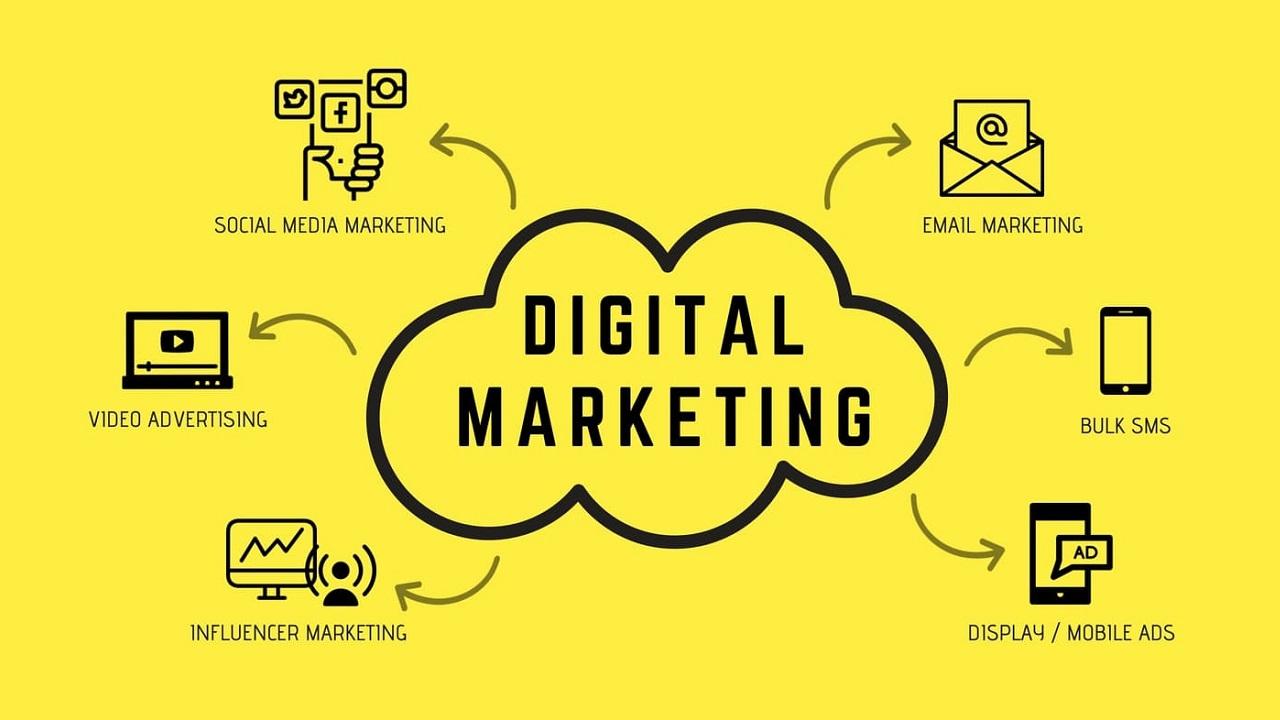
Digital marketing solutions to enhance internal connection and reduce work pressure
Job Hugging – The fear of being fired makes employees hug work with no way out
Job hugging is a common phenomenon in many SMEs in Vietnam, where employees feel overwhelmed by work due to fear of losing their jobs. According to a 2023 Gallup survey, up to 65% of employees said they work overtime not because of work overload, but because they fear being rated poorly if they don’t. This not only affects performance but also negatively impacts employees’ mental health.
The digital workspace and internal digital marketing solutions have been proven to be effective tools to minimize the above situation. By increasing connection and coordination through online platforms, employees will no longer feel like they are “hugging the entire burden” but instead share work more appropriately and transparently.
The role of digital marketing in internal connection
DPS.MEDIA recommends using an internal marketing platform integrated with fast communication features, document sharing, and project management, helping to strengthen connections between departments. A 2022 survey by Social Media Today showed that companies implementing internal communication platforms saw employee satisfaction and engagement increase by 45% compared to before.
These tools also support creative internal communication campaigns such as experience-sharing videos, digital newsletters, or small contests, helping to reduce work stress and improve morale. As a result, employees feel cared for and experience transparency in management, reducing unnecessary fears.
Checklist: Effectively implementing internal digital marketing solutions
- Apply user-friendly, easy-to-use online work management and communication platforms.
- Organize regular internal communication activities to create opportunities for employee interaction.
- Provide digital skills training for employees to enhance their ability to use tools.
- Regularly collect feedback to adjust strategies in line with company culture.
- Establish transparent and confidential psychological support and career counseling channels.
Callout: ”Digital marketing is not only an external promotion tool, but also an effective solution to build corporate culture content, reduce stress and increase internal engagement.”
| Solutions | Main benefits | Practical example |
|---|---|---|
| Online project management platform | Transparent task assignment, reduced duplication of work | Asana, Trello help SMEs manage work effectively |
| Digital internal communication channel | Enhanced sharing, reduced sense of isolation | Slack, Microsoft Teams are used by many businesses |
| Creative internal campaign | Enhance engagement and work spirit | Multimedia internal news and experience sharing videos |
Takeaway: The application of digital marketing internally is not only a trend but also a practical solution to help SMEs break the “job hugging” spiral. Through this, businesses can build a more dynamic, transparent and humane working environment, thereby improving employee performance and satisfaction.

Practical advice to help employees and businesses overcome the fear of layoffs effectively
Understanding the fear of layoffs correctly and the impact of job hugging
The fear of being fired makes many employees immersed in a state of job hugging – trying to hug all the work to keep their place in the company, leading to prolonged stress and reduced work performance. According to a survey by Gallup (2023), more than 60% of employees in Vietnam feel insecure about the risk of losing their jobs, increasing the situation of hugging work with no way out.
Understanding the root of this fear not only helps employees improve their mood but also helps businesses build a healthy working environment and sustainable growth. That is why DPS.MEDIA recommends strategies to balance stability and personal development within the organization.
Practical solutions for employees and businesses
To effectively overcome job hugging, employees need to develop work management skills and a proactive mindset towards change. For businesses, building a transparent culture and prioritizing continuous training support is essential.
Below is an action checklist to help both sides grow together:
- employee: Set clear work goals, learn new skills, and maintain open communication with management.
- business: Conduct fair competency assessments, provide regular training programs, and create a psychologically safe working environment.
- Collaborate together: Establish regular feedback channels to address concerns and provide timely support.
Summary table of support measures to overcome the fear of layoffs
| Audience | Specific action | Benefit |
|---|---|---|
| Employee | Clearly define roles, learn new skills, maintain communication | Increase confidence and work efficiency |
| Business | Improve personnel evaluation, continuous training, transparent information | Create a positive working environment, reduce turnover |
| Both sides | Establish feedback channels and support each other to grow | Enhance cohesion and sustainable development |
Takeaway: Properly identifying and addressing the fear of being laid off helps minimize toxic job hugging, while also empowering the HR team. DPS.MEDIA encourages SMEs in Vietnam to adopt a comprehensive strategy, combining communication, training, and psychological support to maintain employee productivity and satisfaction.
Sharing from personal experience
The fear of being laid off causes many employees to overload themselves, lose work-life balance, and reduce work efficiency. Understanding job hugging helps businesses and individuals adjust their work strategies more appropriately.
Be proactive in setting boundaries and communicating clearly with leadership about work pressure. Don’t let the fear of losing your job prevent you from developing and maintaining your mental health.
You can learn more about stress management at work and building a healthy corporate culture. DPS.MEDIA always accompanies SMEs to create an effective and sustainable working environment.
DPS.MEDIA hopes you will share your opinions or experiences about job hugging in the comments section. Let’s discuss together to develop a more positive working environment!






Ý kiến bạn đọc (0)
Chưa có bình luận nào. Hãy là người đầu tiên chia sẻ cảm nghĩ!
Đăng nhập / Tạo tài khoản
Đăng nhập với Google để gửi bình luận và tương tác cùng cộng đồng.
Tiếp tục là đồng ý với điều khoản sử dụng và chính sách bảo mật của DPS Media.