



How to identify a good business among hundreds of names in the market? That is a question not only investors, but also business owners, financial institutions, and smart consumers are constantly seeking answers to. In the YouTube video “Secrets to Choosing Good Businesses through Credit Ratings”, Mr. Nguyễn Quang Thuân – one of the veterans in financial analysis and credit rating in Vietnam – provides a profound and independent perspective to decode that question.
I am Hiển. With a special interest in the operating principles of the market, I see credit ratings not just as a technical tool, but also as a mirror reflecting transparency culture and the long-term commitment of a business. In an era where trust is becoming increasingly valuable, investment, cooperation, or consumption decisions cannot rely solely on intuition or brand appearance. We need clear benchmarks – and the credit rating system is one of them.
according to a survey by the Organisation for Economic Co-operation and Development (OECD), institutional investors in Asia rank credit ratings as one of the three most important criteria when considering investing in emerging market businesses, including Vietnam. However, in Vietnam, this concept is still quite new, not yet popular, and not truly understood correctly.
What makes the value of this video—and the reason I chose to discuss it in depth—is not only its in-depth content or the easy-to-understand explanations from experts, but the way it touches on a topic seemingly dry, but becomes interesting when placed in the practical context of Vietnam's stock market upgrade process, along with the urgent need to professionalize the financial ecosystem.
Is credit rating objective enough, does it really help us see the “core quality” of a business, or is it just another formal index? Those are the questions I will explore with you through this article—not to seek an absolutely correct answer, but to better see the direction towards transparency, sustainability, and wisdom in choosing trustworthy businesses.
Understanding credit ratings correctly and their role in business evaluation
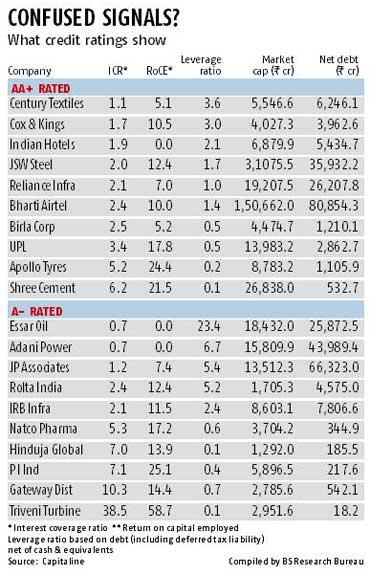
Core functions of credit ratings in business analysis
Credit rating is not simply an index of debt repayment ability, but also reflects the level of transparency and overall financial health of a business from an independent and in-depth perspective. In my opinion, Hien, this is a tool that has been misunderstood or underestimated in Vietnam, while in developed markets like the US or South Korea, it is a compass for both investors and businesses. The program features Mr. Nguyen Quang Thuan—Chairman of PhuP and Fin Rating—who shared that a good credit rating not only helps businesses access low-cost capital, but also improves their image and reputation with shareholders.. A 2021 study by Moody’s showed that companies with high credit ratings are able to maintain capital costs 1.81% lower than unrated industry peers. This is a strategic advantage in a competitive business environment.
| Criteria | Impact on businesses |
|---|---|
| Quality of financial statements | Minh bạch & tăng tín nhiệm |
| Level of debt | Assessment of financial risk |
| Cash flow from business activities | Debt repayment ability and growth |
Why investors and businesses cannot ignore credit rating assessments
With many years of experience working in investment analysis, I realize that một doanh nghiệp “tốt” không chỉ thể hiện qua lợi nhuận, mà còn qua cách họ được nhìn nhận bởi các tổ chức đánh giá tín nhiệm độc lập. Trong buổi webinar, anh Thuân nhấn mạnh: “Thị trường đang bước vào một kỷ nguyên mới, nơi mọi chủ thể – từ doanh nghiệp đến nhà đầu tư – đều phải chuẩn hóa và chuyên nghiệp hóa.” Điều đó nghĩa là, xếp hạng tín nhiệm không còn là “đặc quyền” của các tập đoàn lớn, mà ngày càng phổ biến hơn cho doanh nghiệp SME muốn gọi vốn.
I often advise investors or startup founders to proactively learn how organizations like Fin Rating operate. You can start by answering the question:
- Is your business qualified to be credit rated yet?
- Have you prepared your financial data according to international standards?
- How to rank better than last year?
A recent case study that impressed me is Company A, when fin Rating upgraded their rating from BB to BBB+, and within just 6 months, they increased their successful bond fundraising rate from 60% to 92%. These numbers don't lie, and are living proof that credit ratings are the “gatekeeper” of financial trust between businesses and the market.
From the perspective of individual investors to professional rating organizations

A multi-dimensional view from investors to the financial benchmarking system
Sau khi theo dõi video “DPS MEDIA“, điều khiến tôi – Hiển – ấn tượng mạnh mẽ nhất chính là sự giao thoa độc đáo giữa personal investment mindset and the system of professional business evaluation from the perspective of Mr. Nguyen Quang Thuan. As someone who has worked in auditing, fund management, and now runs an independent rating organization, he brings a rare connection between intuition and standards. For me, as an individual investor, finding a good business can come from feelings about the product, the leadership team, or revenue growth rate. But for organizations like Fin Rating, those criteria are concretized by coefficients, indicators, and quantified risks. That made me realize something important: the real strength lies in the ability to standardize perspectives – something that public investors need to integrate if they want to ‘play in the big leagues’.
Criteria for selecting good businesses through the lens of international standards
In Mr. Thuan's sharing, I especially noticed the way of classifying businesses dựa trên bộ tiêu chí đánh giá độc lập, tương đồng với hệ thống của các tổ chức quốc tế như S&P hay Moody’s. Mỗi khi cân nhắc doanh nghiệp, Fin Rating áp dụng bộ chỉ tiêu rõ ràng: từ dòng tiền, năng lực trả nợ, quản trị doanh nghiệp đến ESG (Môi trường – Xã hội – Quản trị). Có thể hình dung đơn giản như sau:
| Evaluation criteria | Specific objective |
|---|---|
| Operating cash flow | Ensuring the ability to pay debts and dividends |
| Financial leverage | Avoiding default risk when the market fluctuates |
| Corporate governance | Transparency, with reliable financial reports |
| Industry and market context | Priority for industries benefiting from policy or long-term trends |
It is precisely the presence of independent rating organizations like Fin Rating in the market that helps investors like me make decisions based on transparency and standardization.. And it is from that set of criteria that I began to adjust my way of evaluating investment opportunities: not only relying on emotions, but also on standardized quantitative data – an extremely necessary mindset to adapt to the increasingly professionalized financial market as Vietnam approaches emerging market standards.
Financial indicators to monitor when analyzing good businesses
Financial criteria reflecting business health
In the process of analyzing a good business, I – Hiển – always focus on several core financial indicators representing the heartbeat of the company. Especially, from the perspective of credit rating as shared by Mr. Nguyễn Quang Thuân (FinGroup, Fin Rating), international financial institutions often rely on sustainable indicator groups to make decisions. Ignoring them is like investing in the fog.
- ROE (Return on Equity) – Return on equity: Reflects the profitability from shareholders' capital. A stable ROE above 15% is a positive indicator.
- Debt/Equity Ratio: Khiêm tốn nhưng hiệu quả, tỷ lệ này phản ánh khả năng kiểm soát đòn bẩy tài chính. Ngưỡng 1 – 1.5 được ưa chuộng bởi các tổ chức xếp hạng tín nhiệm.
- Free cash flowA company with profits but lacking cash flow is a strong warning signal. Consistently positive cash flow demonstrates the ability to independently overcome risks.
Practical perspectives from independent rating organizations
One point that impressed me greatly in the recent webinar was Mr. Thuân's analysis of how organizations like Fin Rating approach businesses in a completely different way. They not only look at the surface but also assess financial sustainability through default probability, cash flow history, and management capacity. Below is a brief summary table of some common criteria according to international credit rating standards:
| Indicators | Safe threshold | Significance in evaluation |
|---|---|---|
| EBITDA/Interest expense | >3 lần | Strong interest payment ability, low credit risk |
| Current ratio | >1.5 | The business has enough short-term assets to cover short-term debts |
| Net profit margin | Above 10% | Reflects the efficiency of core business operations |
A typical case study to mention is FPT Corporation. For many consecutive years, FPT has maintained an ROE above 20%, safe debt levels, and stable cash flow from operations – factors that have earned them positive evaluations not only from individual investors but also from international investment funds such as Dragon Capital and VinaCapital. This is a model worth learning from for domestic businesses aiming to be included in the “standardized portfolio” of the future when the market is upgraded.
Applying credit ratings to select safe bonds and stocks
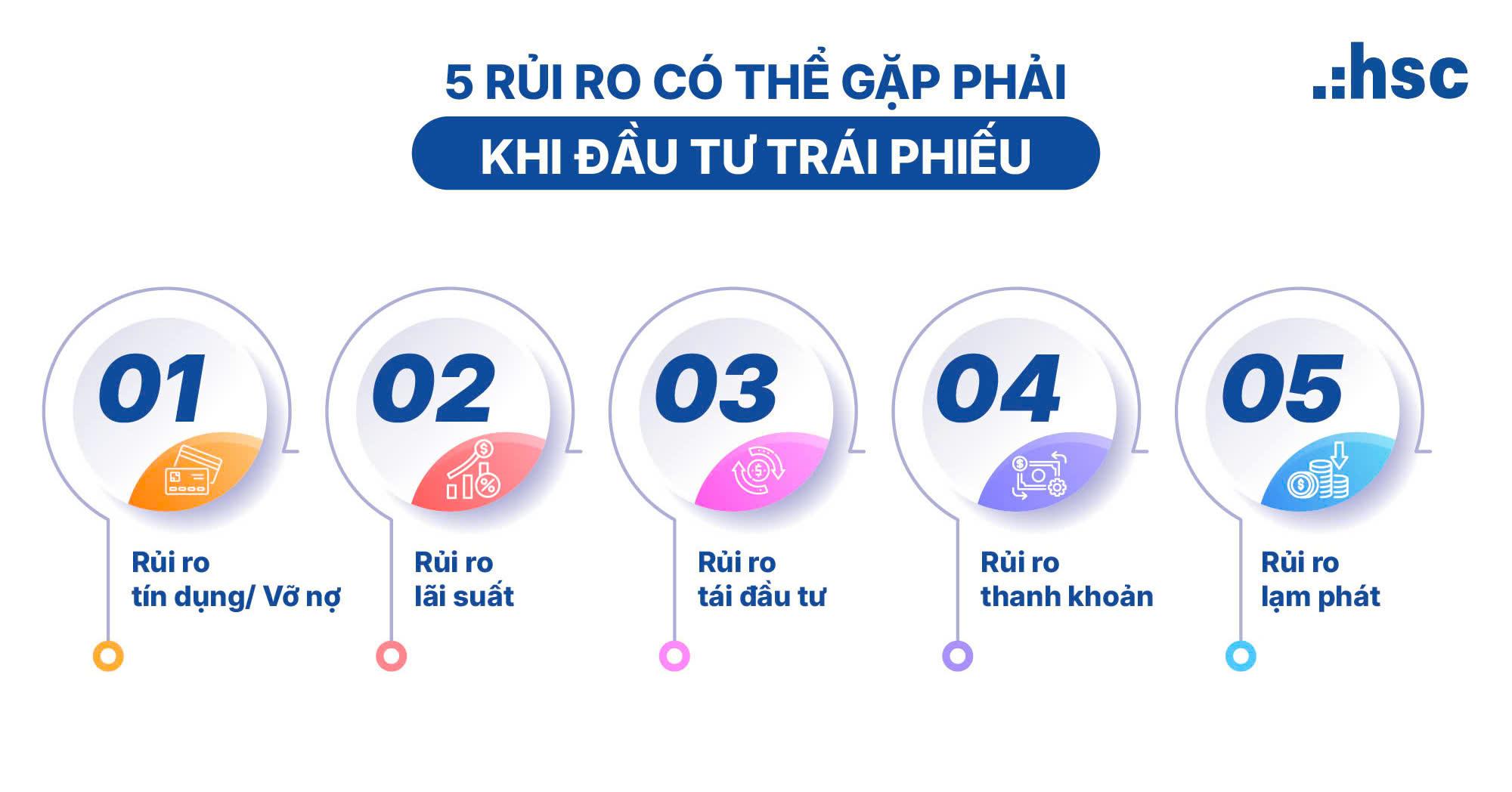
Credit rating – The first filter when choosing a business
One of the points I found most valuable from the webinar with Mr. Nguyen Quang Thuan is the importance of using credit ratings as an effective filtering tool to find safe stocks and bonds. As the founder and Chairman of Fin Rating – an independent and specialized rating agency for the Vietnamese market – Mr. Thuan not only shared professional insights from the market but also provided practical examples, notably cases of companies with high ratings such as VNM (Vinamilk) or BIDV, which have maintained their creditworthiness for many years thanks to strong financial positions and transparent management.
It can be seen that indicators such as EBITDA margin,debt-to-equity ratio, or cash flow from operating activities are not merely accounting figures but also key factors for rating agencies to assess. From a personal perspective, I believe that if every retail investor could access these rating data, the rate of “holding junk stocks” would decrease significantly and the market would develop more healthily.
Applying rating tools in portfolio allocation
Instead of chasing information waves or FOMO, I choose a personalized strategy: using the credit rating table as roadmap to allocate the investment portfolio. As Mr. Thuan rightly said, this is a time that requires investors to be rational and have access to standardized information systems, because the market is entering the phase of expectations for an MSCI upgrade. With tools like Fin Rating, we can categorize businesses visually, minimizing subjectivity.
| Business | Credit rating | Product type | Investment suggestion |
|---|---|---|---|
| VietinBank | A- | Bond | Safe fixed income |
| FPT | A | Stock | Hold long-term, sustainable growth |
| NVL | CCC | Bond | Avoid financial risk |
I believe that in the new era, when technologies like the KRX system are applied and data becomes more transparent, integrating credit rating tools into investment strategies will become the standard. Because, just like financial auditing, it provides an invisible but necessary layer of protection for every investment decision.
Remaining thoughts
Choosing a reliable business is not only the art of data analysis, but also requires sensitivity in interpreting credit ratings – an indicator reflecting financial health and the ability to fulfill commitments of the business. When you know how to leverage this information combined with an overall market perspective, you will have a reliable “compass” to navigate your investment journey or business cooperation.
Don't hesitate to practice this skill in life, starting with reviewing financial statements, understanding the role of credit rating agencies, and comparing businesses within the same industry. This is also an opportunity for you to train analytical thinking, while improving your ability to evaluate objectively and strategically.
If you are interested in related topics such as how to distinguish between domestic and international credit ratings, or the impact of macro changes on corporate ratings, these will be useful research directions to deepen your knowledge.
we really look forward to hearing your perspectives and real-life experiences. Please share your thoughts in the comments section below, or join the discussion to broaden perspectives and learn together.