





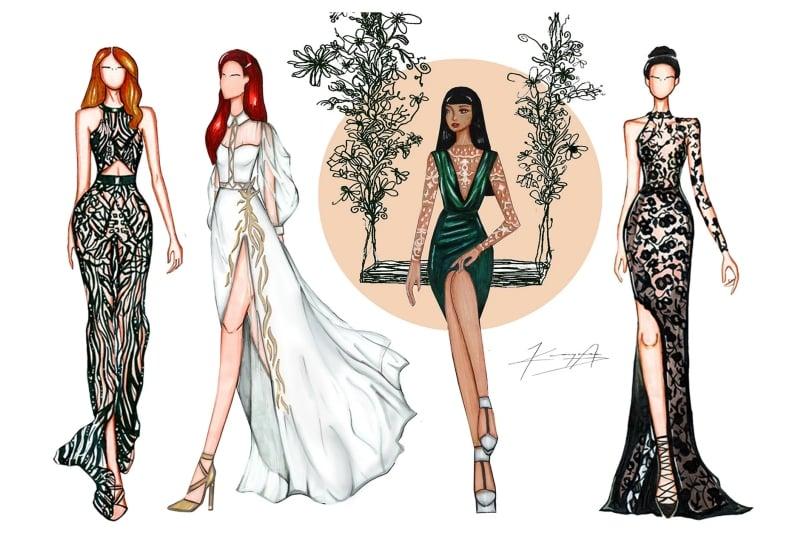
In the dynamic and constantly evolving fashion world, building a strong online presence is no longer just an option – it has become a vital factor for every brand. Content seeding, as a subtle art in marketing, is gradually asserting its role then keyin connecting fashion brands with consumers in a natural and effective way.
Imagine your fashion stories as seeds carefully planted on the colorful soil of the digital world. Each post, each image, or each video has the potential to sprout, grow, and spread, creating a vibrant digital garden that attracts the attention of potential customers.
In this article, we will explore unique and effective content seeding strategies that help fashion brands build a strong presence in customers' minds. From choosing the right platforms, building valuable content, to optimizing posting timing – every aspect will be analyzed in detail so you can apply it directly to your marketing strategy.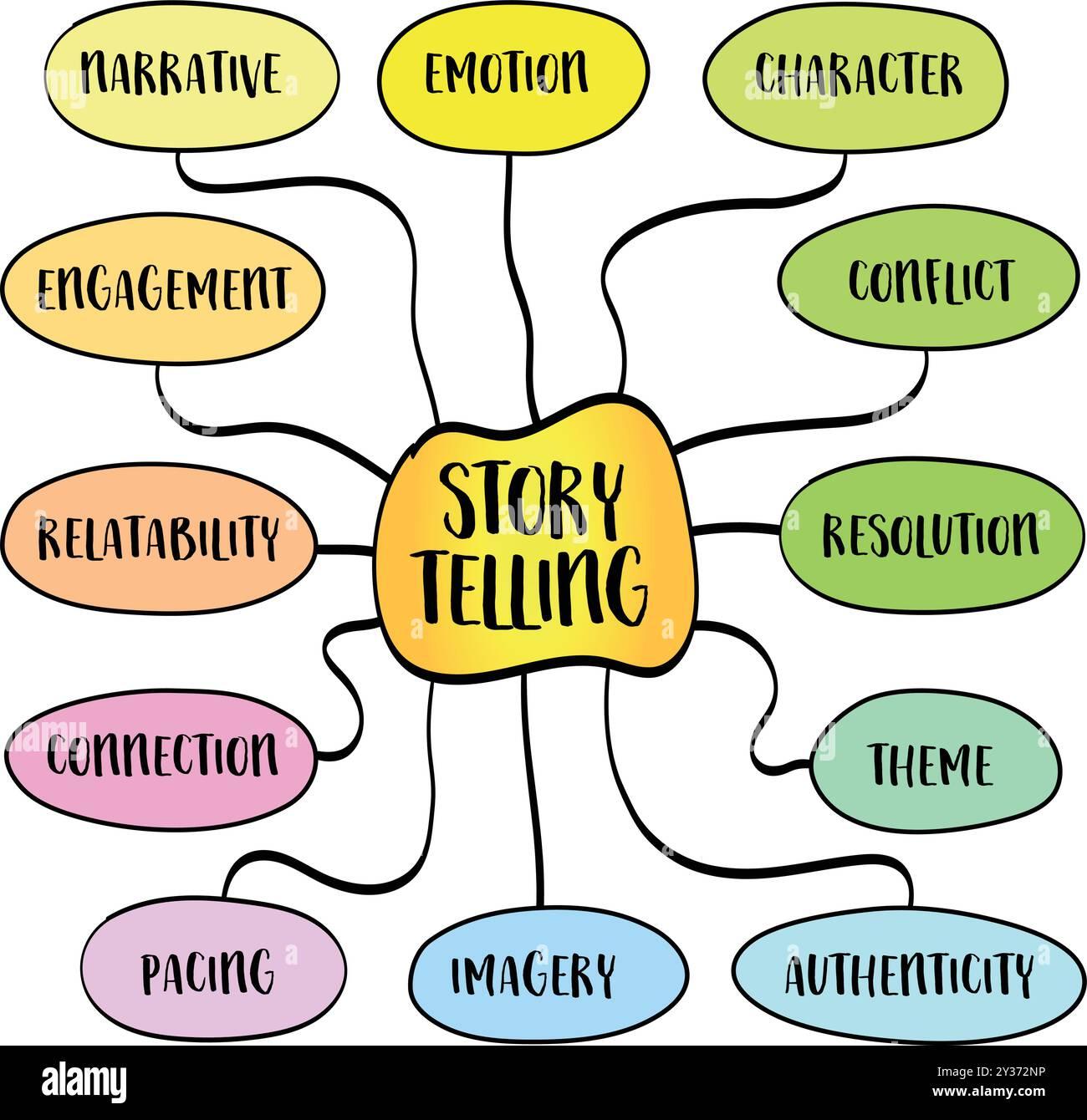
The art of brand storytelling through distinctive fashion content
Brand storytelling in the fashion industry is not just about introducing products, but also the art of building a multi-dimensional experience for customers. According to research by Fashion Marketing Quarterly, 78% of consumers are willing to pay more for brands with distinctive stories and clear cultural values. A typical example is the “Made Different” campaign by UNIQLO, through a series of short videos and in-depth articles, they not only promote the exclusive AIRism material but also cleverly integrate stories about innovation in textile technology and product sustainability.
| Storytelling factors | Impact on customers |
|---|---|
| Emotion | Transparency |
| Cultural value | Increase trust by 45% |
Creating distinctive content requires a delicate combination of cultural elements, trends, and product characteristics. In the case of Zara, this brand succeeded with the “Real Stories, Real Style” strategy by combining real user stories with their collections. This not only creates empathy but also helps customers easily visualize how to style and apply products in daily life. Key elements to consider include:
- Consistency in brand tone
- Integration of visual and text content
- Multi-platform interaction with customers
- Incorporation of personalization in communication
Optimizing seeding content for each social media channel in the fashion industry
Each social media platform has its own unique user behavior and content interaction methods. From experience deploying many fashion campaigns, I find Instagram and Pinterest are often suitable for beautiful visual content focusing on visual elements like lookbooks, flat lays, and behind-the-scenes. Meanwhile, Facebook and TikTok are more effective with short-form videos that are entertaining and highly interactive such as styling tips, fashion hacks, or trendy challenges. Research from Fashion Marketing Quarterly shows that 78% of young users interact with fashion content via short videos more than other formats.
To optimize seeding effectiveness, adjusting format and tone for each channel is extremely important. A typical example is the “Style Your Story” campaign by local brand Nem Fashion:
- Instagram: Aesthetic images, short and concise captions
- TikTok: 15-60s styling videos with catchy music
- Facebook: Detailed content, two-way interaction
- YouTube: Longer videos about production processes,story telling
| Platform | Optimized format | Posting frequency |
|---|---|---|
| Image, Reels | 2-3 times/day | |
| TikTok | Short videos | 3-4 times/day |
| Posts, videos | 1-2 times/day |

Data security:
In the increasingly fierce fashion market competition context, building a multi-platform content seeding strategy has become the key to creating brand impressions. According to Nielsen's research (2023), 83% Vietnamese consumers searching for product information on social media channels before making a purchase decision. A typical case study is the “Style Stories” campaign by Local Brand XYZ, which combined influencer marketing on TikTok with user-generated content on Instagram, generating 2.5 million interactions in the first 2 weeks of launch.
To optimize seeding effectiveness, brands need to apply a multi-channel strategy with content personalized for each platform. Based on analysis by Fashion Business Review, the key factors include:
- Create a unique narrative that fits the brand DNA
- Combine micro-influencers with macro-influencers
- Optimize posting timing according to user behavior
- Integrate storytelling with effective call-to-action
| Platform | Use appropriate content types | Average interaction rate |
|---|---|---|
| TikTok | Short videos, challenges | 8.5% |
| Images, reels | 4.7% | |
| Long posts, videos | 3.2% |
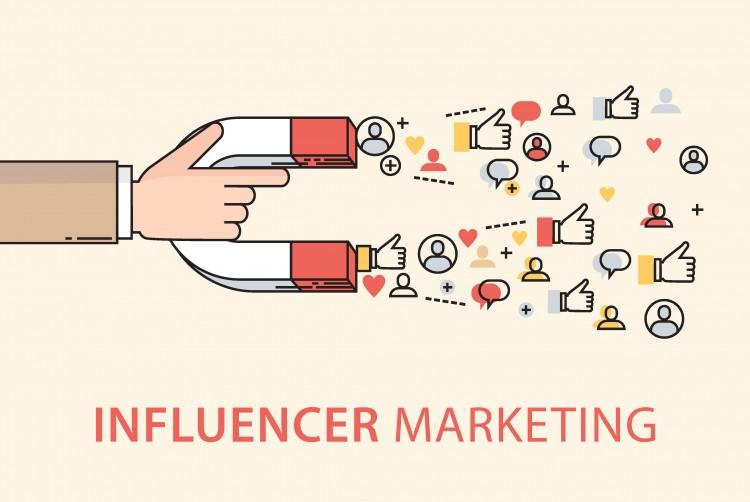
Combining influencer marketing and content seeding to increase brand coverage
In today's digital era, combining influencers with impact and content dissemination activities has become the key to helping fashion brands expand. According to Nielsen's 2023 research, 92% consumers trust recommendations from influencers more than traditional advertising. I have witnessed many successful campaigns such as the case of Local Brand XYZ, which, by collaborating with micro-influencers in the sustainable fashion field, achieved 300% growth in reaching target customers within 3 months of implementation.
| Influencer type | Interaction level | Average cost/post |
|---|---|---|
| Micro (10K-50K) | 5-8% | 2-5 million VND |
| Macro (100K-500K) | 3-5% | 10-30 million VND |
A coordinated strategy needs to be built thoroughly with key factors:
- Content diversity: Mix between short videos, lifestyle images, and authentic reviews
- Two-way interaction: Encourage UGC and create unique hashtag campaigns
- Effectiveness measurement: Track ROI, engagement rate, and conversion metrics
- Cost optimization: Balance budget between channels and content formats
Review
Conclusion:
Content seeding strategy in the fashion industry is not just about posting product information, but also the art of storytelling and creating special experiences for customers. Success in seeding requires a harmonious combination of creativity, authenticity, and deep understanding of consumer psychology.
Remember, in today's dynamic fashion world, quality content is the key to building sustainable relationships with customers. By continuously innovating and adapting to trends, brands can create unique stories that attract and inspire their communities.
Finally, content seeding is not a destination but a journey – a journey of continuous learning, creativity, and growth. Let your seeding strategies become a distinctive highlight, contributing to shaping your brand style and value in customers' minds.
Smart investment in content seeding today is an investment in the sustainable growth of fashion brands in the future.

Ý kiến bạn đọc (0)
Đăng nhập để bình luận
Đăng nhập nhanh 1-chạm bằng Google để chia sẻ ý kiến của bạn về bài viết.
Bằng cách đăng nhập, bạn đồng ý với điều khoản và chính sách cộng đồng.
Chưa có bình luận nào. Hãy là người đầu tiên chia sẻ cảm nghĩ!
Đăng nhập / Tạo tài khoản
Đăng nhập với Google để gửi bình luận và tương tác cùng cộng đồng.
Tiếp tục là đồng ý với điều khoản sử dụng và chính sách bảo mật của DPS Media.