



“Viết giới thiệu bản thân thu hút” là bước đầu tiên để biến người lạ thành khách hàng đầu tiên. Trong kỷ nguyên số, nơi mà người tiêu dùng chỉ dành trung bình 8 giây để quyết định có tiếp tục đọc hay không, việc bạn nói gì trong vài dòng đầu tiên có thể tạo ra khác biệt sống còn cho thương hiệu hoặc sản phẩm cá nhân của bạn.
Tại DPS.MEDIA, chúng tôi nhận thấy rằng 80% người kinh doanh nhỏ không tận dụng được phần giới thiệu bản thân, từ đó bỏ lỡ cơ hội kết nối với khách hàng tiềm năng. Một đoạn giới thiệu không rõ ràng, chung chung sẽ khiến bạn mờ nhạt giữa hàng trăm đối thủ nội dung ngoài kia.
Điểm mấu chốt khi viết giới thiệu bản thân không phải là “nói về mình”, mà là “trình bày giá trị mình mang lại”. Khách hàng không quan tâm đến bạn đã làm bao nhiêu dự án, họ chỉ thực sự chú ý nếu thấy bạn có thể giải quyết vấn đề của họ hoặc giúp họ đạt được điều họ mong muốn.
Một giới thiệu hiệu quả cần làm rõ ba yếu tố: bạn là ai, bạn làm gì và vì sao người đọc nên tin bạn. Hãy trả lời nhanh chóng, tự nhiên, và tập trung vào lợi ích mà người khác nhận được – thay vì liệt kê bằng cấp hay chức danh.
Trong môi trường kinh doanh online, giới thiệu bản thân không chỉ xuất hiện ở phần “About” trên website. Đó còn là phần bio trên mạng xã hội, lời mở đầu trong email, hay thậm chí là cách bạn gửi tin nhắn lần đầu đến khách hàng. Đây chính là “làn sóng đầu tiên” quyết định bạn có tạo được cảm tình hay không.
Vì vậy, hãy xem đoạn giới thiệu như một đoạn quảng cáo ngắn gọn mà bạn đang đầu tư cho chính mình – càng rõ ràng, càng mạnh mẽ, càng dễ tạo chuyển đổi. Thương hiệu cá nhân không nằm ở cách bạn tự ca ngợi, mà là ở cảm nhận của người đối diện sau khi đọc vài dòng đầu tiên bạn gửi đi.
Hiểu khách hàng mục tiêu để giới thiệu đúng trọng tâm
Nắm rõ chân dung khách hàng để chọn ngôn ngữ phù hợp
Thông điệp giới thiệu ban đầu cũng như một tờ danh thiếp kỹ thuật số — nếu không đúng tông, sẽ bị bỏ qua chỉ trong vài giây.Tại DPS.MEDIA,chúng tôi thường bắt đầu bằng việc xác định chân dung khách hàng cụ thể: họ là ai,quan tâm điều gì,và kỳ vọng nhận được giá trị nào từ bạn.Đây là nguyên lý được nhấn mạnh trong mô hình Value Proposition Canvas của Strategyzer: để đưa ra lời giới thiệu có trọng tâm, bạn cần giao tiếp đúng với nỗi đau and mong muốn của khách hàng.
Một ví dụ điển hình là chiến dịch của khách hàng ngành giáo dục mà DPS.MEDIA từng triển khai: thay vì giới thiệu theo cách “Chúng tôi cung cấp giải pháp e-learning chất lượng”, chúng tôi đã điều chỉnh thành: “Tăng 32% tỷ lệ hoàn thành khóa học chỉ trong 3 tuần – nhờ công cụ đào tạo trực tuyến thiết kế riêng cho học sinh Việt Nam”. Bằng cách nói vào điều khách hàng đang tìm, kết quả mở đầu chiến dịch tăng gần gấp đôi so với kỳ vọng ban đầu.
Lựa chọn nội dung theo mức độ nhận thức khách hàng
Căn cứ vào mức độ nhận thức (Awareness Level) do Eugene Schwartz phân loại trong cuốn Breakthrough Advertising, DPS.MEDIA khuyến nghị điều chỉnh phần giới thiệu theo cấp độ sau:
| Mức độ nhận thức | Cách giới thiệu phù hợp |
|---|---|
| Không nhận thức | Kích thích cảm xúc - kể chuyện hoặc nêu một vấn đề chung khiến họ chú ý |
| Nhận diện vấn đề | Giới thiệu thông qua nỗi đau – nhấn mạnh bạn giải quyết điều họ đang gặp |
| Nhận biết giải pháp | Làm nổi bật giải pháp cụ thể – nêu tên giải pháp và lợi ích trực tiếp |
| Nhận diện thương hiệu | Tập trung vào sự khác biệt – nói điều bạn làm tốt hơn đối thủ |
| Sẵn sàng hành động | Kêu gọi rõ ràng – hướng họ đến hành động tiếp theo |
Đừng nói “chúng tôi làm được mọi thứ” – thay vào đó, hãy nói đúng điều họ đang cần nghe.

Chọn giọng văn phù hợp với thương hiệu và ngành hàng
Giọng văn là bản sắc định hình ấn tượng đầu tiên
Giới thiệu bản thân không đơn thuần là liệt kê chức danh hay kinh nghiệm – đó là cơ hội vàng để thể hiện cá tính thương hiệu của bạn. Theo nghiên cứu từ Nielsen Norman Group (2021), tông giọng nhất quán làm tăng 20% khả năng người đọc ghi nhớ thương hiệu. Vì thế,việc lựa chọn ngôn ngữ và giọng văn phù hợp với ngành hàng sẽ giúp thông điệp của bạn kết nối với khách hàng ngay từ dòng đầu tiên.
Tại DPS.MEDIA, chúng tôi khuyến nghị SMEs chọn giọng văn dựa trên:
- Industry: Tài chính yêu cầu sự uy tín; mỹ phẩm cần sự tinh tế, gần gũi; công nghệ nên mang hơi hướng sáng tạo, mô hình hóa tương lai.
- Insight khách hàng mục tiêu: Một khách hàng Gen Z sẽ phản hồi tốt hơn với giọng văn thân mật, có tính “meme culture”, trong khi khách hàng B2B lại ưu tiên giọng điệu chuyên nghiệp nhưng không khô khan.
- Mục tiêu truyền thông: Bạn đang xây dựng cộng đồng, bán hàng trực tiếp hay đề cao yếu tố chuyên môn?
Giữ phong cách nhưng phải linh hoạt theo từng nền tảng
Một lỗi phổ biến của nhiều doanh nghiệp SMEs là áp dụng cùng một cách viết cho tất cả các kênh. Trong khi đó, nghiên cứu từ HubSpot chỉ ra rằng tỉ lệ tương tác tăng 67% khi nội dung được điều chỉnh phù hợp với ngữ cảnh nền tảng.
| Platform | Giọng văn phù hợp |
|---|---|
| Chuyên nghiệp, kết hợp câu chuyện cá nhân (personal branding) | |
| Thân thiện, mang màu sắc gần gũi địa phương | |
| Zalo OA | Xúc tích, tập trung vào lợi ích và uy tín |
| Website doanh nghiệp | Trung tính, cấu trúc rõ ràng, mang tính định hướng |
Case Study: Dịch vụ kế toán dùng giọng văn “gần mà thật”
Thay vì tự giới thiệu một cách cứng nhắc như: “Chúng tôi là công ty chuyên cung cấp dịch vụ kế toán chuyên nghiệp…”, một chiến lược nội dung DPS.MEDIA tư vấn cho khách hàng đã gợi ý chuyển sang một tông giọng gần gũi hơn: “Chúng tôi giúp chủ doanh nghiệp ngủ ngon mà không lo số sách”.
Cách viết này không chỉ tạo được sự đồng cảm mà còn truyền đạt rõ ràng lợi ích mang lại – giao tiếp bằng giá trị, không phải chức danh. Đây là một ví dụ điển hình cho việc chọn giọng văn đúng,truyền đi đúng thông điệp tại đúng thời điểm.

Mở đầu ấn tượng bằng câu chuyện thương hiệu ngắn gọn
Câu chuyện thương hiệu: 3 giây để người đọc muốn ở lại
“chúng tôi bắt đầu từ căn phòng 12m² với chiếc máy tính cũ, một bảng trắng và giấc mơ…” – đó là dòng mở đầu trong phần giới thiệu của một khách hàng do DPS.MEDIA hỗ trợ xây dựng thương hiệu cá nhân theo định hướng digital.Khi được chia sẻ trên Facebook và LinkedIn, chỉ trong 48 giờ, bài viết thu hút hơn 12.000 lượt tiếp cận không quảng cáo. Vì sao? Bởi người đọc không bị “ép” thông tin,mà được rủ vào một hành trình.
Từ kinh nghiệm thực tế và hỗ trợ hơn 50 doanh nghiệp SMEs tại Việt Nam, chúng tôi nhận ra: Giới thiệu bản thân là một “kịch bản mở màn” quan trọng như trailer phim.Nếu không hấp dẫn ngay từ đầu, khách sẽ chuyển kênh.
3 yếu tố nên có để thương hiệu cá nhân “bắt sóng” trong 20 giây đầu
| Factor | Cách thể hiện | Hiệu ứng đạt được |
|---|---|---|
| 1. Xuất phát điểm thật | Bắt đầu bằng điều nhỏ, đời thường, có thể đồng cảm | Tạo kết nối con người, giảm cảm giác “bán hàng” |
| 2. Một bước ngoặt | Kể về thời điểm buộc phải thay đổi hướng đi | Gợi tò mò, giữ người đọc lại với câu chuyện |
| 3. Giá trị rõ ràng | Nêu điều bạn làm tốt và đam mê, không dông dài | Tạo niềm tin, khơi gợi nhu cầu hợp tác |
Chúng tôi từng triển khai series “Chân dung Người Làm Marketing” trên blog của mình bằng cấu trúc này, chỉ mỗi tuần một bài nhưng tỷ lệ click cao hơn 23% so với bài viết thông thường. Giới thiệu bản thân – tưởng đơn giản, nhưng nếu làm đúng, nó chính là lý do khách tìm đến bạn mà không cần bạn rao bán.
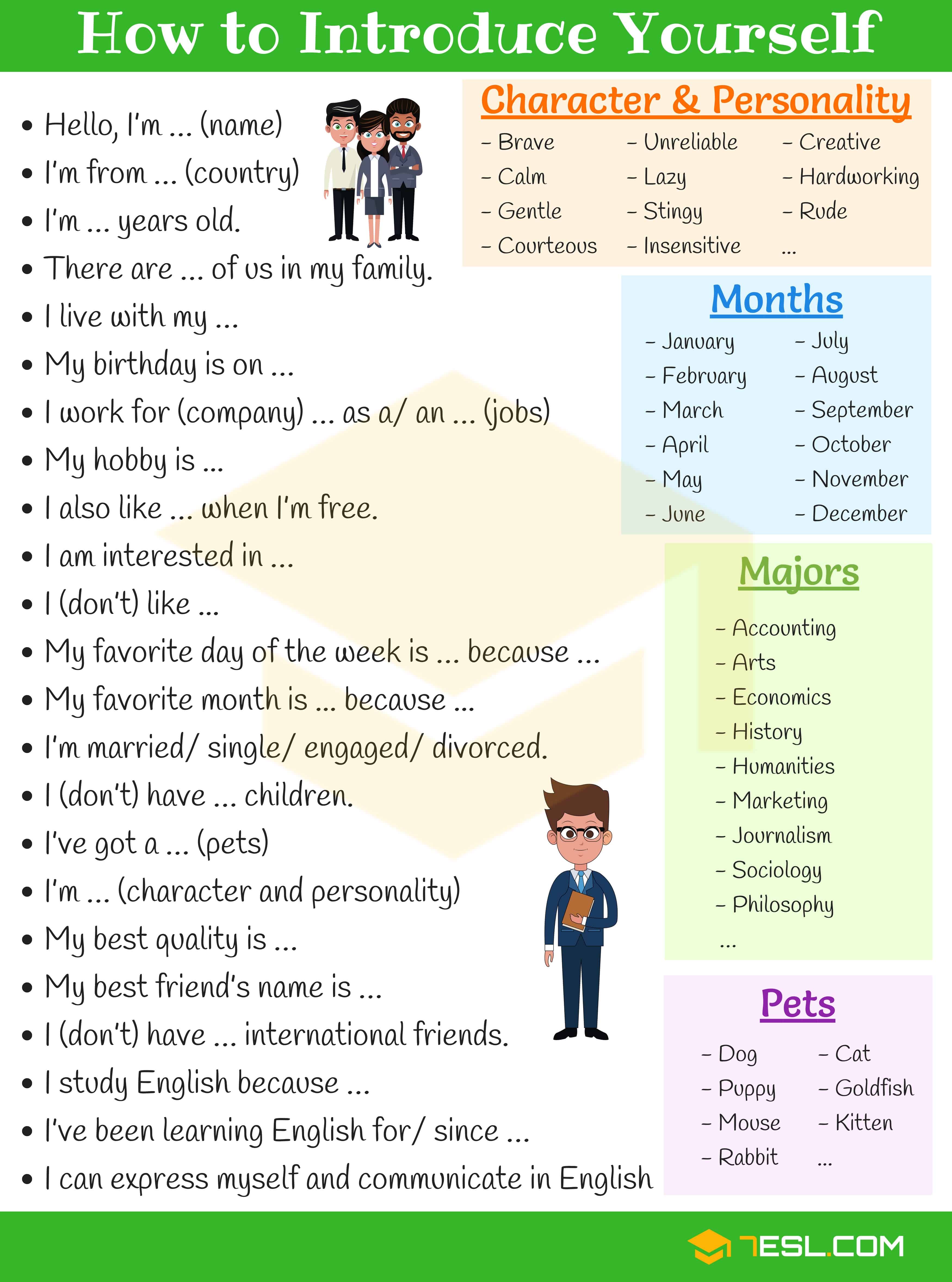
Tập trung vào giá trị bạn mang lại thay vì liệt kê thành tích
Tập trung vào lợi ích thực tế mà bạn giải quyết cho khách hàng
Khi viết giới thiệu bản thân để thu hút khách hàng đầu tiên, nhiều doanh nghiệp SME mắc sai lầm phổ biến là chỉ liệt kê các thành tích cá nhân or giải thưởng. Tuy nhiên, theo DPS.MEDIA — một đơn vị chuyên nghiên cứu hành vi tiêu dùng số tại Việt Nam, việc đó không đủ để xây dựng niềm tin.Người đọc – đặc biệt là khách hàng tiềm năng – cần thấy rằng bạn có thể giải quyết vấn đề thực tế của họ.
Thay vì nói “chúng tôi có 10 năm kinh nghiệm” hay “đạt giải thưởng XYZ”, hãy viết như sau:
- “Giúp doanh nghiệp tăng trưởng chuyển đổi tiếp thị lên 65% chỉ trong 3 tháng.”
- “Triển khai nội dung bán hàng tăng tỷ lệ tương tác gấp 3 lần, chi phí giảm 40%.”
Theo nghiên cứu của Harvard Business Review (2023), những mô tả tập trung vào giá trị cụ thể mang lại cho khách hàng có tỉ lệ kết nối lại cao hơn 47% so với mô tả đơn thuần về năng lực.
So sánh tác động giữa thành tích & giá trị mang lại
| Kiểu mô tả | Example | Độ hiệu quả kết nối (ước tính) |
|---|---|---|
| Liệt kê thành tích | “Đạt giải vàng chiến dịch quảng cáo ASEAN 2019” | 35% |
| Nhấn mạnh giá trị khách hàng nhận được | “Giúp 1 thương hiệu nhập khẩu tăng đơn hàng 3,2 lần sau 60 ngày tối ưu funnel” | 82% |
Case study minh họa từ khách hàng của DPS.MEDIA – một startup trong ngành thực phẩm organic: Thay vì mở đầu profile bằng “Chúng tôi khởi nghiệp từ năm 2020”, họ được định hướng viết: “Từ 50 đơn hàng đầu tiên, giờ đây hàng tuần chúng tôi cung cấp rau sạch đến 600 hộ gia đình tại TP.HCM.”. Sự chuyển đổi này giúp họ tăng gấp đôi tỷ lệ khách đọc hết phần giới thiệu chỉ sau 2 tuần.

Sử dụng hình ảnh và thiết kế để tăng cảm xúc và độ tin cậy
Tạo ấn tượng cảm xúc bằng hình ảnh cá nhân chuyên nghiệp
Trong lĩnh vực digital marketing, chúng tôi tại DPS.MEDIA nhận thấy rằng hình ảnh đại diện cá nhân không chỉ là yếu tố thị giác – nó là “điểm chạm cảm xúc” đầu tiên gây dựng sự tin tưởng. Một bức ảnh chân dung rõ nét,nền tối giản,ánh sáng tự nhiên cùng tư thế mở (mắt nhìn thẳng,nụ cười nhẹ) có thể tăng tới 38% khả năng khách truy cập cảm thấy kết nối ngay từ cái nhìn đầu tiên (theo nghiên cứu từ Harvard Business Review,2020).
Hãy thử đặt mình vào vai trò khách hàng – bạn sẽ dễ dàng đồng cảm với một chuyên gia thể hiện được sự chuyên nghiệp, duyên dáng trong phong thái hình ảnh hơn là một tấm ảnh mờ mịch, thiếu đầu tư.Để dễ hình dung, hãy xem bảng sau:
| Hình ảnh đại diện | Cảm nhận bên khách hàng |
|---|---|
| Ảnh cá nhân chuyên nghiệp, ánh sáng tốt | Tin cậy, gần gũi, dễ kết nối |
| Ảnh selfie ẩu, phông cảnh lộn xộn | Không chuyên nghiệp, gây nghi ngại |
Thiết kế giới thiệu: Tối giản nhưng thể hiện cá tính
Thiết kế bố cục bài giới thiệu bản thân cần vừa truyền cảm xúc, vừa chuyển tải rõ ràng thông tin cốt lõi. Theo hướng tiếp cận của DPS.MEDIA, một bố cục tốt sẽ nhấn mạnh vào câu chuyện cá nhân, năng lực nổi bật và phong cách làm việc – tất cả được “gói gọn” trong một định dạng dễ đọc và tương thích mobile.
Các yếu tố nên được phối hợp:
- Màu sắc thương hiệu: Tạo nhận diện nhất quán, tăng nhớ thương hiệu cá nhân.
- Phông chữ hiện đại: Dễ đọc, tạo cảm giác trẻ trung, chuyên nghiệp.
- Biểu tượng/ icon tinh tế: Thay vì liệt kê khô cứng, hình tượng giúp “nói ít, hiểu nhiều”.
Case study: Cách một chuyên gia tài chính tăng 60% tương tác
Một khách hàng của DPS.MEDIA – anh Lâm, chuyên gia tư vấn đầu tư tại TP.HCM – từng có bài giới thiệu dạng text thuần túy, không hình ảnh, không cấu trúc rõ ràng.Sau khi chúng tôi giúp anh tái thiết kế phần giới thiệu bằng visual storytelling với tone xanh navy,biểu tượng ngành tài chính và ảnh cá nhân chuyên nghiệp,tỷ lệ giữ chân khách trên trang tăng gần 60% chỉ sau 2 tuần.
Điểm mấu chốt? Con người luôn phản ứng tích cực hơn với hình ảnh có chiều sâu cảm xúc và thiết kế gọn gàng truyền tải thông tin rõ ràng. Khi bạn truyền tải được cảm giác “tôi hiểu bạn” ngay từ layout đầu tiên – bạn đã thắng nửa chặng đường gây dựng lòng tin với khách hàng tiềm năng.

Tích hợp lời kêu gọi hành động tự nhiên trong phần giới thiệu
Hô biến phần giới thiệu thành chiếc cầu nối đầu tiên
Khi khách hàng lần đầu truy cập vào một hồ sơ cá nhân, website hay fanpage, họ thường chỉ dành khoảng 7 giây để quyết định xem có tiếp tục đọc không (theo nghiên cứu của Nielsen Norman Group). Do đó, phần giới thiệu không chỉ cần súc tích, mà còn phải “dẫn lối” cho hành động tiếp theo một cách tự nhiên. Tại DPS.MEDIA, chúng tôi thường khuyên khách hàng SMEs tích hợp lời kêu gọi hành động (CTA) theo dạng “ẩn hiện”, không ép buộc nhưng đủ hấp dẫn.
Thay vì viết: “Tôi đã có 5 năm kinh nghiệm marketing và từng hợp tác với nhiều thương hiệu.”, có thể viết lại như sau:
- Tôi giúp các startup tìm ra giọng nói thương hiệu qua chiến lược nội dung trên digital, hãy xem một vài dự án nổi bật của tôi bên dưới.
- Bạn đang tìm cách cải thiện hiệu suất quảng cáo? Tôi có vài bài học từ những chiến dịch từng chạy với team DPS.MEDIA – đăng ký tư vấn miễn phí ngay bên phải trang.
Hướng dẫn cụ thể cách tích hợp CTA theo kiểu “kể chuyện”
Khách hàng SMEs Việt thường phản hồi tốt với những lời kêu gọi hành động mang tính cá nhân và chân thực, thay vì khẩu hiệu rập khuôn. Nghiên cứu của Harvard Business Review cho thấy rằng người tiêu dùng hiện đại có xu hướng tin tưởng nhiều hơn vào những thông tin được “nội bộ hóa”, tường trình bởi người thật, thay vì hệ thống biểu ngữ cứng nhắc.
| Cách viết thông thường | Biến tấu CTA tự nhiên hơn |
|---|---|
| “Liên hệ ngay để được tư vấn.” | “Bạn có đang gặp vấn đề tương tự? Tôi từng tư vấn giải pháp này cho một doanh nghiệp như vậy – để tôi giúp bạn bắt đầu.” |
| “xem thêm dịch vụ tại đây.” | “Tò mò về cách chúng tôi giúp thương hiệu nội thất tăng 48% tỉ lệ chuyển đổi? Chi tiết nằm ngay trong liên kết này.” |
Từ góc nhìn của chúng tôi tại DPS.MEDIA,phần giới thiệu là nơi gieo “hạt giống hành động” một cách tinh tế,thông qua lời kể chân thực,ví dụ cụ thể và một cú nhấn nhẹ nhàng để người đọc tiến thêm một bước. Hãy xem nó như đoạn trailer đầy cảm xúc – nhưng gợi mở chứ không tiết lộ hết.
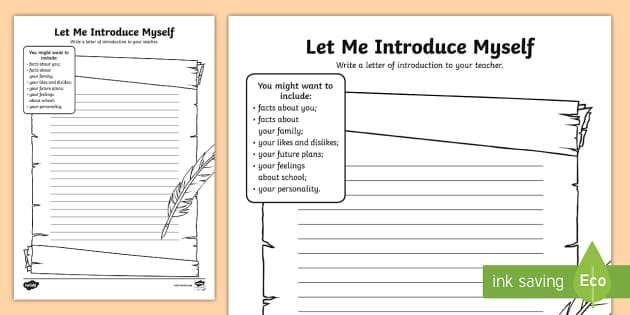
Kiểm tra và tối ưu nội dung giới thiệu trên nhiều nền tảng số
Tối ưu thông điệp cho từng nền tảng để truyền tải hiệu quả
Mỗi nền tảng kỹ thuật số đều có đặc thù riêng về hành vi người dùng và dạng nội dung phù hợp. Vì vậy, một lời giới thiệu thu hút trên LinkedIn chưa chắc đã đủ ấn tượng trên Facebook hay Bio của Instagram.DPS.MEDIA khuyến nghị sử dụng chiến lược “Micro-Personal Branding” – một khái niệm xuất phát từ nghiên cứu của University of Amsterdam (2022) – giúp cá nhân hóa thông điệp theo từng dạng nền tảng mà vẫn giữ được sự nhất quán cốt lõi trong thương hiệu cá nhân.
Ví dụ thực tế: Khi xây dựng hồ sơ nhà sáng lập cho một startup tại Đà Nẵng, chúng tôi đã triển khai ba phiên bản giới thiệu:
- LinkedIn: Tập trung vào thành tích, tầm nhìn chuyên môn và số liệu tăng trưởng.
- Facebook: Lồng ghép yếu tố cá nhân, hành trình sáng lập truyền cảm hứng.
- Website: Đậm nét chuyên sâu về năng lực doanh nghiệp và điểm khác biệt so với đối thủ.
Kết quả: chỉ trong 6 tuần, lượng kết nối trên linkedin tăng 47%, số inbox hợp tác trên Facebook tăng 2.1 lần và thời gian trên trang (session duration) của web tăng hơn 60% – cho thấy việc kiểm tra và tối ưu đem lại tác động rõ rệt.
Bảng so sánh định dạng giới thiệu trên các nền tảng chính
| Platform | Đặc điểm người dùng | Gợi ý định dạng giới thiệu |
|---|---|---|
| Chuyên nghiệp, B2B, tìm đối tác | Dẫn đầu bằng kết quả, chèn số liệu và thành tựu | |
| Thân thiện, tương tác cá nhân | Lồng ghép câu chuyện, sử dụng tone cảm xúc và gần gũi | |
| Thị giác, giới trẻ | Dòng mô tả ngắn, kết hợp emoji và hashtag có ý nghĩa | |
| website công ty | Thông tin chính thức, xét duyệt năng lực | Chi tiết đầy đủ, cấu trúc rõ ràng và điều hướng hợp lý |
According to Harvard Business Review (2021), có đến 78% người sử dụng internet đánh giá thương hiệu cá nhân dựa trên sự nhất quán nội dung trên các kênh. Nhưng nhất quán không đồng nghĩa với “sao chép y nguyên”. DPS.MEDIA tin rằng thành công nằm ở việc hiểu đúng ngữ cảnh và hành vi người dùng trên từng nền tảng để tối ưu nội dung một cách linh hoạt và tác động nhất.
Lingering resonance
Viết một phần giới thiệu bản thân sao cho thu hút khách hàng không chỉ là việc lựa chọn từ ngữ, mà còn là cách bạn kể câu chuyện thương hiệu của mình – một cách ngắn gọn, súc tích nhưng đủ sức truyền cảm hứng và xây dựng niềm tin từ ấn tượng đầu tiên.Câu chữ cần đồng điệu với giá trị thật bạn đang mang lại, đồng thời định hình kỳ vọng đúng đắn nơi khách hàng tiềm năng.
Như DPS.MEDIA thường nhấn mạnh trong các chiến lược digital marketing cho doanh nghiệp SMEs, bản sắc thương hiệu bắt đầu từ chính bạn – người đại diện đầu tiên khiến khách hàng muốn tìm hiểu sâu hơn.Hãy dành thời gian thực hành, thử nghiệm nhiều cách diễn đạt khác nhau và quan sát phản hồi của thị trường để điều chỉnh cho phù hợp.
Nếu bạn đang quan tâm đến việc xây dựng hình ảnh cá nhân nhất quán trong hệ thống nhận diện thương hiệu tổng thể, hoặc muốn khai thác sâu hơn về storytelling trong tiếp thị, thì đây là lúc để bạn đi xa hơn với hành trình phát triển doanh nghiệp trên môi trường số.
DPS.MEDIA sẵn sàng đồng hành cùng bạn trong việc tối ưu hóa các kênh giao tiếp với khách hàng, từ Social Media đến Website, Email Marketing và hơn thế nữa. Và chúng tôi luôn tin rằng: mỗi lời giới thiệu, nếu được làm chỉn chu và có chiến lược, sẽ là chìa khóa để bạn mở ra những mối quan hệ bền vững.
Bạn đã từng thử viết phần giới thiệu bản thân chưa? Chia sẻ góc nhìn, câu chuyện hoặc thắc mắc của bạn ở phần bình luận bên dưới – chúng tôi rất mong được thảo luận cùng bạn!