

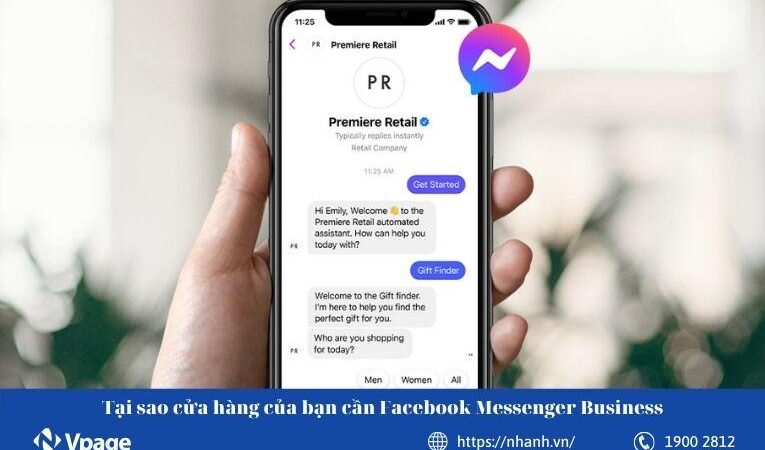

Messenger Business will be the decisive link in customer care strategies and closing online orders in the next 2 years. According to DPS.MEDIA data, nearly 80% of SME customers increased their conversion rate by at least 20% when applying automation solutions on Messenger in the past 12 months. So, what is the real reason businesses cannot ignore this platform?
Messenger Business đang dần trở thành “trung tâm điều phối” trải nghiệm khách hàng đa kênh, từ tiếp nhận phản hồi, gửi thông báo đơn hàng, đến hỗ trợ tư vấn chuyên sâu nhờ tích hợp AI và CRM.Với hơn 66 triệu người dùng Facebook tại Việt Nam (We Are Social, 2024), Messenger chính là nơi khách hàng luôn hiện diện, mở ra đường dẫn ngắn nhất cho các doanh nghiệp – nhất là SMEs – tiếp cận, giữ chân, và phát triển mối quan hệ với khách hàng.In a context where customers are increasingly impatient and competition is fierce, doanh nghiệp nào chuyển đổi nhanh sang Messenger Business sẽ tăng tốc nắm bắt nhu cầu, cá nhân hóa thông điệp và tạo ra trải nghiệm “đúng lúc – đúng người”.Applying Chatbot technology, automating interaction processes, and intelligent customer segmentation chính là “vũ khí” mới để SMEs cắt giảm chi phí, tăng hiệu suất bán hàng mà không cần mở rộng nhân sự.
If you are looking for a sustainable launchpad in digital transformation, investing in Messenger Business not only meets current needs but is also the key to future expansion. The convergence trend of social and e-commerce platforms will put Messenger Business at the center of every digital marketing strategy.
Personalization trends and customer experience on Messenger Business
Personalization trends in communication
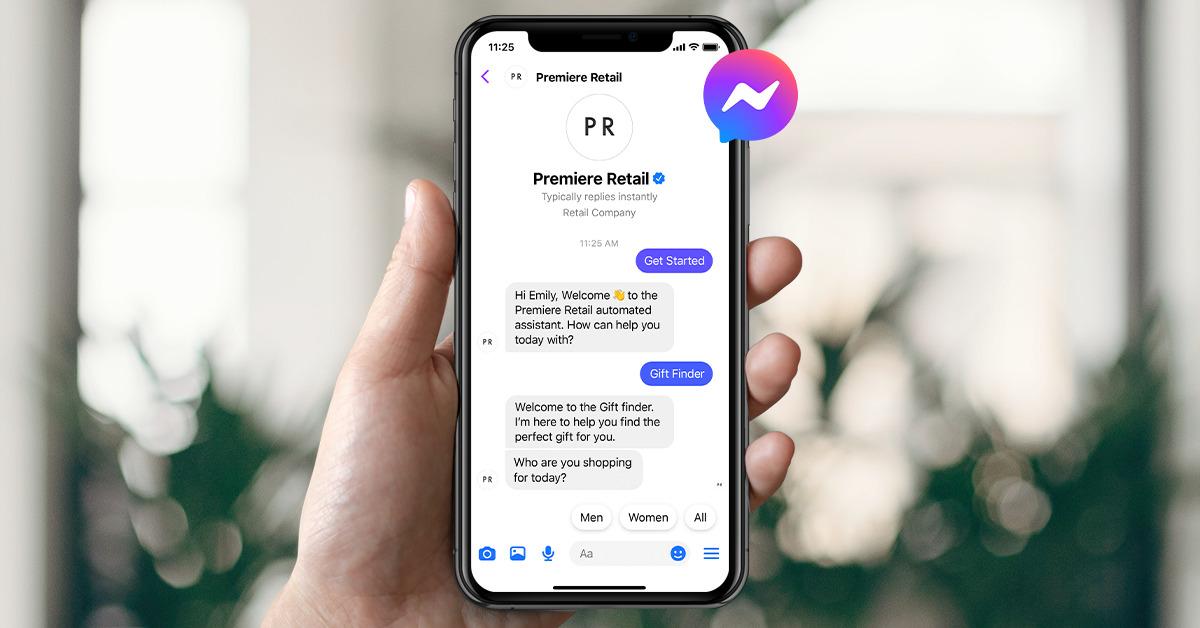
The need to personalize customer experience is becoming increasingly important in the modern business environment. Messenger Business allows businesses to interact directly with customers through customized messages. The use of chatbot smart solutions helps create automated conversations that still retain a personal touch. For example, a fashion store can send welcome messages and product suggestions based on the customer's purchase history.
Enhanced customer experience through automation
Automation not only saves time but also enhances the customer experience. According to research by HubSpot,70% customers said they prefer to receive quick responses via messaging platforms. Messenger Business can integrate analytics tools to track customer behavior and preferences, thereby optimizing marketing campaigns. A typical example is a travel business that implemented a chatbot to provide tour information upon customer request, helping to increase conversion rates by up to 30%.
Case Study: Small business success with Messenger Business
A notable case study is Café XYZ, where Messenger Business was implemented to interact with customers. They created a special promotion program through Messenger, allowing customers to receive personalized discount codes. As a result, revenue grew 25% in just one month. This demonstrates the power of personalizing the customer experience in driving sales.
| Factors | Impact on revenue (%) |
|---|---|
| Quick interaction | 70% |
| Personalized messages | 30% |
| Promotions via Messenger | 25% |
Integrating AI and automation: Opportunities to optimize customer care processes
Messenger Business: A lever for savings and personalization
Integrated AI solutions in Messenger Business have now demonstrated the ability to automate customer care processes mà không làm mất đi cảm xúc cá nhân. Theo nghiên cứu “Artificial Intelligence in Business Communication” (Elsevier, 2023), hơn 75% khách hàng đánh giá cao tốc độ xử lý và sự chủ động của chatbot AI so với quy trình thủ công cồng kềnh. Điển hình là case study từ một doanh nghiệp bán lẻ của khách hàng chúng tôi tại DPS.MEDIA, ứng dụng AI vào phân nhóm khách hàng ngay trên Messenger giúp giảm 22% personnel costs, increase 32% potential customer conversion rate through automated content personalization.
| Conversion point | Before integrating AI | After integrating AI |
|---|---|---|
| Average response time | 15 minutes | 1-2 minutes |
| Repeat order rate | 9% | 18% |
| Customer support costs | 100% | 78% |
Định hình lại trải nghiệm khách hàng theo xu hướng “Conversational Commerce”
- 1:1 personalization: AI phân tích ngữ cảnh, lịch sử trò chuyện, hành vi mua hàng để tự động hóa gửi ưu đãi phù hợp theo từng khách cá nhân – không còn “spam đại trà”.
- Data optimization: Chatbot integration not only provides automated responses but also collects deep insights, creating a central data warehouse for remarketing and customer care.
- Seamless multi-channel interaction: Xu hướng “one-click reply” – khách hàng khởi tạo phản hồi, khiếu nại, đổi trả… được xử lý đồng nhất trên Messenger, Zalo OA, thậm chí cả TikTok Shop.
Đội ngũ DPS.MEDIA nhận thấy các doanh nghiệp SMEs Việt Nam nếu không chủ động chuyển đổi AI, sẽ đứng ngoài cuộc đua “trải nghiệm khách hàng đa điểm chạm” trong 2 năm tới. Chính thời điểm này là cơ hội vàng để tối ưu bộ máy, tiết kiệm chi phí và tạo ra ưu thế cạnh tranh thực sự.

Leveraging Messenger Business as an effective sales channel for SMEs
Transforming customer approach methods
Messenger business is becoming an indispensable tool in the sales strategies of SMEs. With its ability to interact quickly and efficiently, businesses can reach customers in a direct and personalized way. According to a recent study, over 70% of consumers prefer to communicate via messaging apps rather than email. This shows that leveraging Messenger not only strengthens customer relationships but also creates new sales opportunities.
Applying AI technology in customer service
The development of AI technology is opening up new possibilities for Messenger Business. SMEs can apply smart chatbots to automate customer care processes, from answering frequently asked questions to handling orders. For example, an online fashion store implemented a chatbot on Messenger, helping reduce customer response time by 50% and increase revenue by up to 30% in just 6 months. This is clear evidence that investing in technology can bring significant economic benefits to businesses.
Engaging content strategies
To optimize sales effectiveness via Messenger, SMEs need to build a compelling content strategy. The content must be designed to attract attention and create value for customers. Some suggestions include:
- Share exclusive product information via Messenger.
- Send discount codes or special offers to customers who interact frequently.
- Provide educational content, such as product usage tips or customer care guides.
In this way, businesses not only increase engagement but also build customer loyalty.
Statistics on the effectiveness of using Messenger
| Indicators | Before using Messenger | After using Messenger |
|---|---|---|
| Response rate | 30% | 75% |
| Monthly revenue | 100 million VND | 130 million VND |
| Returning customers | 20% | 45% |
These figures not only show the positive impact of Messenger Business but also affirm that adopting this platform is a strategic move for SMEs in an increasingly competitive context.
Content strategies and building customer relationships on the Messenger platform
Developing interactive content on Messenger
The Messenger platform is becoming an indispensable tool in the marketing strategy of SME businesses. To build sustainable relationships with customers, developing interactive content is essential. This content is not just advertising messages but also includes:
- Knowledge sharing: Provide useful information, answer customer questions.
- Opinion surveys: Create quick surveys to collect feedback and improve services.
- Exclusive promotion: Send discount codes or offers exclusively for Messenger users.
Building personalized customer experiences
One of the prominent trends in the near future is personalizing the customer experience. According to McKinsey research, 71% of consumers feel disappointed when their experience is not personalized. To optimize this experience, businesses need to:
- Use AI: Integrate smart chatbots to support customers 24/7.
- Data analysis: Monitor customer behavior to adjust content accordingly.
- Create relevant content: Send messages based on customers' preferences and purchase history.
Case study: Success from Messenger strategy
A typical example is the campaign of a famous fashion brand in Vietnam. They used Messenger to send notifications about new collections and organize livestream sales events. The results were:
| Indicator | Before the campaign | After the campaign |
|---|---|---|
| Message open rate | 20% | 45% |
| Revenue from Messenger | 10 million VND | 30 million VND |
this campaign not only increased revenue but also strengthened the relationship between the brand and customers. From this, it is clear that applying content strategies and building relationships on Messenger is the right direction for SMEs in the near future.
Security and customer data management in the context of Messenger Business development
Challenges in customer information security
For SMEs, protecting customer information has become one of the top priorities when implementing Messenger Business. Many studies show that 70% customers concerns about their personal data being misused. To address this issue, businesses need to:
- Apply data encryption: Ensure all information transmitted via Messenger is encrypted to prevent unauthorized access.
- Staff training: Employees need to be equipped with knowledge about information security and how to properly handle customer data.
- Implement clear privacy policies: Businesses should publicly disclose their data privacy policies so customers can feel more secure when using the service.
Effective and sustainable data management
Managing customer data is not only a responsibility but also an opportunity for businesses to grow. According to the report by Gartner, businesses with effective data management strategies have the potential to increase revenue by up to 20%. To achieve this, businesses can implement:
- Customer data analysis: Use analytics tools to better understand customer behavior and needs.
- Optimize customer experience: Based on collected data, improve service quality and customer interactions.
- Ensure compliance with legal regulations: Update regulations related to data security such as GDPR to avoid legal risks.
Case Study: Successful business in data security
A typical example is Mobile World, when they implemented strict security measures for the Messenger system. As a result, this business strengthened customer trust, leading to increased revenue 15% over the past year. They implemented:
| Measure | Achieved Result |
|—————————–|————————–|
| Data encryption | Minimized information leakage risk |
| Employee training | Enhanced security awareness |
| Clear security policy | Increased customer trust |
through these measures, Mobile World not only protected customer data but also created a safe and sustainable business environment.
Measuring effectiveness and optimizing marketing campaigns via Messenger
Measuring the effectiveness of marketing campaigns
To evaluate the effectiveness of Messenger marketing campaigns, businesses need to focus on key metrics such as:
- Message open rate: This is an indicator showing the level of customer interest in the messages you send.
- Response rate: Customer feedback not only helps evaluate content but also provides valuable information about their needs and desires.
- Convert: The number of customers who take the desired action after receiving a message, such as making a purchase or subscribing to a service.
Research from HubSpot indicates that businesses using Messenger to communicate with customers have a conversion rate over 20% higher than other channels. This demonstrates the great potential of Messenger in connecting and interacting with customers.
Optimize customer experience
Optimizing the customer experience on Messenger does not stop at sending messages, but also includes personalizing content. A case study from DPS.MEDIA shows that when a small business in the fashion sector implemented a chatbot for product consultation, customer satisfaction increased by 35%.
To achieve this, businesses can:
- Use customer data to create personalized messages.
- Conduct quick surveys via Messenger to collect feedback from customers.
- Ensure quick response times to create a sense of closeness and professionalism.
Comparison table of marketing channel effectiveness
| Marketing Channel | Open rate (%) | Response rate (%) | Conversion rate (%) |
|---|---|---|---|
| 20 | 5 | 2 | |
| SMS | 30 | 10 | 5 |
| Messenger | 85 | 35 | 20 |
The table above shows that Messenger not only excels in open and response rates but also clearly demonstrates its strength in customer conversion, opening up great opportunities for SMEs in the near future.
Predicting challenges and quick adaptation strategies for SMEs when using Messenger Business
Key challenges in using Messenger Business
Small and medium-sized enterprises (SMEs) are currently facing many challenges when implementing Messenger Business, including:
- Increased competition: With millions of businesses using this platform, standing out from the crowd is a difficult problem.
- Manage interactions: The ability to handle large volumes of messages and maintain customer service quality is a significant challenge.
- Information security: Ensuring the safety of customer data is something SMEs need to focus on, especially with many information leaks occurring.
How to quickly adapt to optimize Messenger Business
To overcome these challenges, SMEs need to apply the following strategies:
- Automation: Use chatbots to handle frequently asked questions, helping save time and resources.
- Data Analysis: Monitor user behavior to adjust marketing strategies and improve customer experience.
- Staff training: Ensure that staff are fully equipped with the skills to handle complex situations.
Case Study: Success from applying Messenger Business
A typical example is XYZ company, an SME in the fashion industry. After implementing Messenger Business, they have:
- Increased revenue by 30% in just 6 months thanks to quick and effective customer interactions.
- Reduced response time by 50% through the use of chatbots, thereby enhancing customer satisfaction.
| Indicators | Before using | After using |
|---|---|---|
| Revenue | 100 million VND | 130 million VND |
| Response time | 2 hours | 1 hour |
| Customer satisfaction | 75% | 90% |
Final Thoughts
In the context of rapid digital transformation, Messenger Business promises to become an indispensable tool helping SMEs in Vietnam reach and interact with customers more effectively. Leveraging new features and integrating multi-channel marketing strategies will open up many sustainable development opportunities in the next 2 years.
DPS.MEDIA encourages businesses to continuously experiment with and apply smart solutions based on Messenger Business to enhance customer experience while optimizing operational costs. The combination of AI technology and customer data will be the key direction to maximize business efficiency.
If you are interested in topics such as digital marketing strategies, customer care automation, or how to build an online brand, don't hesitate to explore and discuss more with us. Please share your thoughts,experiences or questions below in the comments section so we can together create a dynamic and creative development community..