

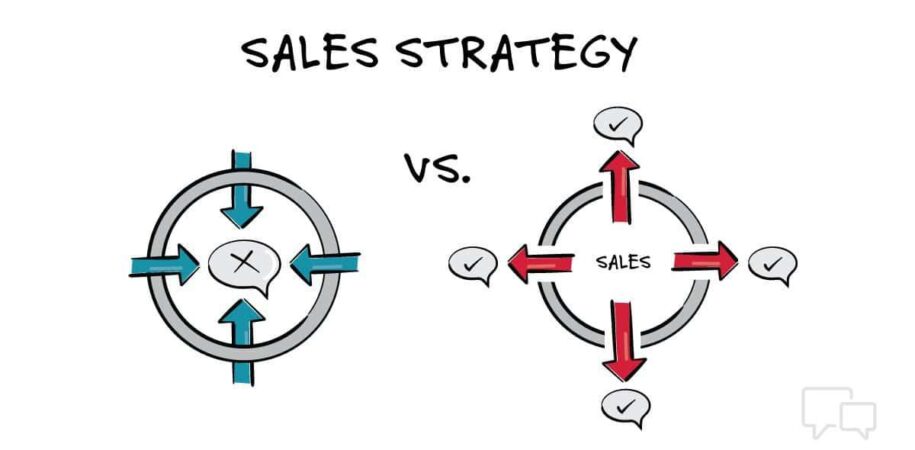

How to close your first order for a handmade fabric bag brand – when you have no customers, no one knows your product, and your marketing budget is limited? This is the vital question that hundreds of SMEs in the handicraft industry have faced.Statistics from DPS.MEDIA show that 87% of handmade brands exit the market within the first 6 months if they cannot generate their first order.
Chiến lược chốt đơn đầu tiên không chỉ là một bước đi, mà là “nhát búa” then chốt đập vào bức tường vô hình giữa sản phẩm và người mua. When no one knows your brand, no matter how beautiful the fabric bag is, it can't sell itself – you need a smart enough strategy to make the first person willing to open their wallet.
From experience implementing marketing strategies for over 200 new brands in Vietnam, DPS.MEDIA has found: The 3 factors that create a successful “first order closing” are – clear positioning, specific customer targeting, and purposeful outreach actions. If you haven't clearly defined: “Who is the bag for? When is it used? What problem does it solve?” – you're inviting customers to buy something they don't understand.
Identifying the first potential customer segment is the key. Choose a small but most accessible group – for example, eco-friendly high school students or office workers pursuing a minimalist lifestyle – and customize your message, visuals, and policies for that group. Creating the feeling of “this bag is made just for me” is the fastest way to close an order.
Finally, the power lies in small but timely actions: take advantage of direct channels and personal trust. Start by messaging friends and close acquaintances directly – don't just “launch a product” but “invite them to help spread the green lifestyle”. They can become your first customers or refer the next ones.
Closing the first order is not just to generate revenue, but to build trust for both the seller and the market. A successful first order can lead to 10 subsequent orders – if you know how to analyze, optimize, and continue telling the right story of your brand.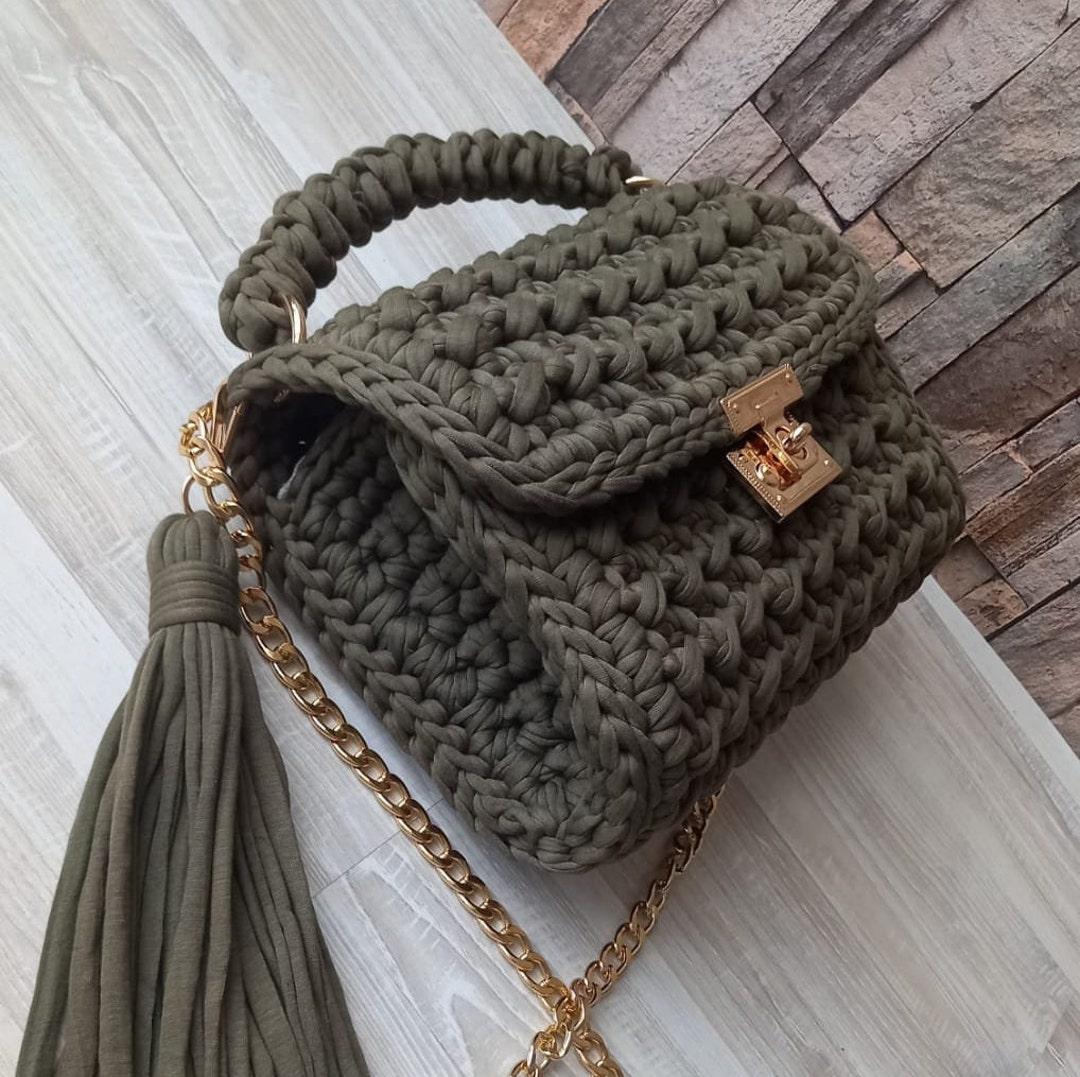
Discover the ideal customer profile for handcrafted fabric bag products
Segment target customers by needs and shopping behavior
Based on consumer behavior research of Gen Z and Millennials (according to McKinsey, 2023), DPS.MEDIA evaluates that the ideal customer group for handmade fabric bags is the group with a tendency to prefer a sustainable lifestyle, who love personalized products with unique aesthetic value.
Thông qua mô hình STP (Segmentation – Targeting – Positioning), chúng tôi xác định 3 nhóm khách hàng tiêu biểu:
- Young people pursuing a “green lifestyle”: Often work in creative industries, have average to above-average income, and care about the environment.
- Female tourists: Prefer local handmade products as gifts with stories tied to local culture.
- Handicraft – DIY enthusiasts: Seek natural, skin-friendly, and non-mass-produced products.
The intersection of brand ideals and customer aspirations
Ideal customers don’t just buy for the product – they buy the feeling of self-expression.
The customer persona analysis strategy developed by DPS.MEDIA revolves around the concept of “Brand-Person Fit” – the degree of alignment between brand values and personal value system.Refer to the table below to better understand how these factors connect:
| Brand values | Customer aspirations | Intersection point |
|---|---|---|
| Handmade – personalized | Expressing unique aesthetic taste | Fabric bags are a statement of individuality |
| Environmentally friendly | Living consciously and responsibly | Making smart consumer choices |
| Local cultural foundation | Connecting with Vietnamese identity | Evoking feelings of national pride |
Case study: GreenBag – market positioning from the very first customer
greenbag – a fabric bag brand accompanying DPS.MEDIA since 2021 – closed its first order just 2 weeks after launch with a strategy of storytelling tied to the ideal customer persona. Instead of talking about the product, they tell the story of a freelance girl who chooses a minimalist lifestyle, using a simple canvas bag as an “innate” way to express who she is.
Thanks to a deep empathy with customers“ thoughts and aesthetics, GreenBag not only sells products but also creates a community of handmade bag lovers – the first source of energy driving an effective ”viral loop” from circles of friends – sharing – passion.
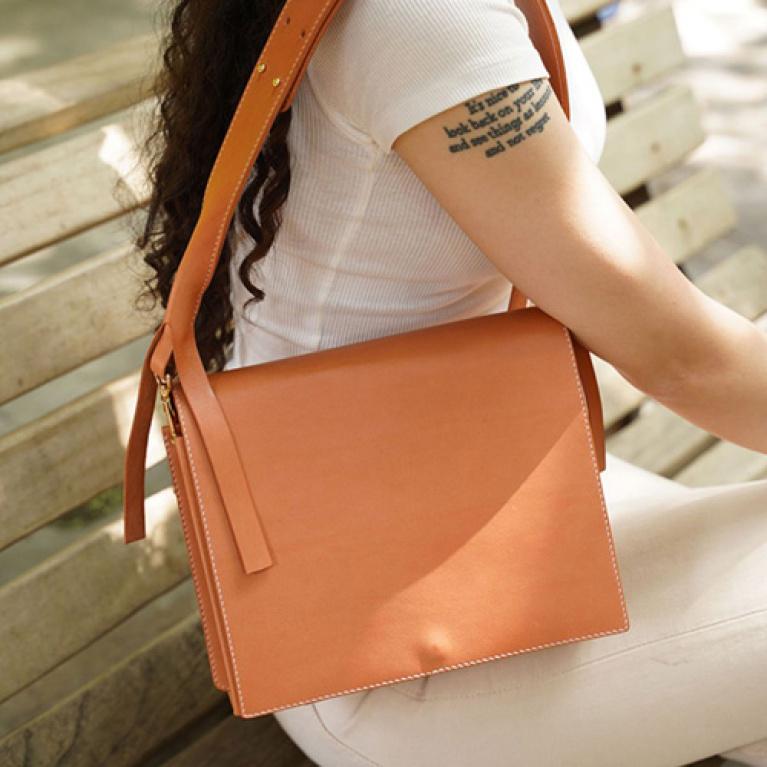
Crafting an appealing brand message from emotions and sustainable values
Emotional connection: The strategic weapon of handcrafted brands
In the handicraft market, especially with fabric bag brands, the product is not just an item but also a story told through every stitch. According to a Harvard Business Review study (2015), 95% of purchasing decisions are based on emotions. Therefore, brand messages need to be infused with humanity – such as preserving traditional crafts, the artisans’ persistent creativity, or the aspiration to change the environment through the smallest actions.
From the perspective of DPS.MEDIA, an effective message is an emotional statement combined with a long-term value commitment. Imagine you’re not selling bags, but delivering a belief: that each bag is “a piece of a story friendly to the future”.
Sustainable values: not just a trend, but the brand's identity
The new generation of consumers, especially Gen Z and Millennials, are increasingly sensitive to product transparency and social impact. A study from Nielsen shows that 73% customers are willing to pay more for products that have a positive impact on the environment. This is the time for handmade fabric bag brands to embed sustainable values into the core of their messaging.
Dưới đây là gợi ý các góc kể chuyện thương hiệu giàu cảm xúc & gắn liền với giá trị xanh:
- “Mom’s bag” – inspired by memories, each bag is a slice of culture.
- “I choose old fabric” – a campaign telling the story of rebirth from surplus materials.
- “Going with the planet” – a commitment to reducing the carbon footprint in every process.
Core communication value chart for fabric bag brand image
| Factors | Suggested message | Emotional goal |
|---|---|---|
| Craftsmanship | “Sewn by hands that carry a story” | Admiration – Appreciation |
| Recycled materials | “From old fabric to a new journey” | Awareness – Connection |
| Local community | “Bags from village hands to city hands” | Closeness – Pride |
At DPS.MEDIA, we always recommend that SMEs create messages that not only state what they do—but also reflect what they believe in. A handcrafted brand looking to close its first sale successfully needs not only a good product, but also an authentic story that touches the hearts of consumers.
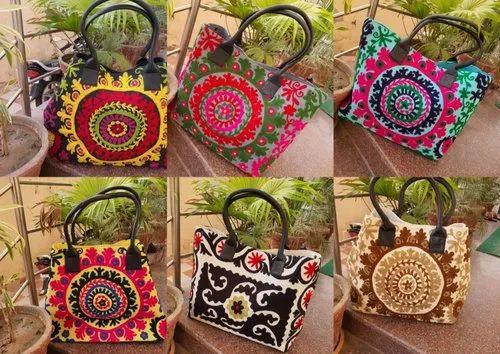
Choose the first sales channel that fits your target customer segment
Understand customer shopping behavior to select effective channels
At DPS.MEDIA, we notice that many handcrafted fabric bag brands struggle to choose their first sales channel—not due to a lack of options, but because they don't fully understand the buying behavior of their target audience. According to the Consumer Trend Report 2023 by Decision Lab, Gen Z and Gen Y in Vietnam tend to buy handcrafted products through social networks or highly personalized channels. This is an important indicator to help brands avoid misdirected approaches.
Chìa khóa ở đây không phải chỉ là “kênh bán nhiều người dùng”, mà là “kênh nơi khách hàng mục tiêu thấy được bản thân họ”. Trước khi lao vào việc mở gian hàng trên mọi nền tảng như Shopee, TikTok hay instagram, hãy thử trả lời những câu hỏi sau:
- Which platform does your ideal customer usually browse in the evening?
- Do they tend to buy based on recommendations from KOLs or peer reviews?
- Do they prefer personal inbox consultations, or do they want to look up information themselves?
TikTok Shop or Instagram? Analyze to choose the right one from the start
For illustration, the DPS.MEDIA team once launched a campaign for a handcrafted tote bag brand in Hoi An, targeting women aged 18–26 living in major cities. Instead of running time-consuming multi-channel campaigns, the initial budget focused only on Instagram & TikTok Shop, leveraging short-form content with emotional imagery that reflects a slow-living culture—the very lifestyle this customer group is pursuing.
Result: After 2 weeks of launch, the campaign received 800 pre-orders without paid advertising, relying solely on UGC content and collaborations with micro-influencers.
| Sales channel | Main advantages | Suitable for which segment? |
|---|---|---|
| Brand positioning/ Lifestyle image | Gen Z, aesthetic lovers, female audience | |
| TikTok Shop | Quick sales closing/ Short videos | Emotional shoppers, lovers of unique items |
| Shopee | Price comparison/ Review comparison | Khách hàng “săn deal” & có xu hướng mua có lý trí |
From an academic perspective based on Kotler's (2022) research, Price Sensitive segments and Design-Loving Niche are two completely different branches — therefore, choosing the wrong sales channel can cause the brand to be mispositioned.
DPS.MEDIA recommends: Start with a single channel, focus on optimizing content according to user behavior on that platform, observe feedback, and only then expand distribution channels. Don’t spread yourself too thin early on — let product quality and brand inspiration lead the way.
Build a storytelling product photo set to enhance the shopping experience
Place the product in real-life contexts
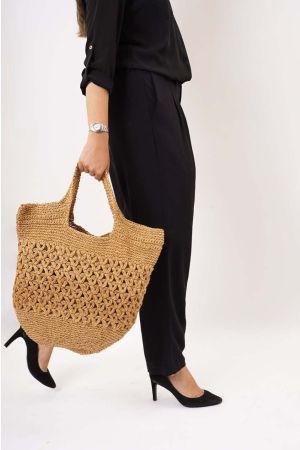
Thay vì chỉ chụp ảnh túi vải trên nền trắng nhàm chán, hãy kể một câu chuyện thị giác. Theo nghiên cứu từ Harvard Business Review, khách hàng dễ kết nối với thương hiệu hơn khi họ cảm thấy sản phẩm được “sống cùng mình”.Ở DPS.MEDIA, chúng tôi khuyến nghị sử dụng familiar settings such as a morning coffee corner, a weekend market, or inspiring trips to make the photo set more lively and authentic.
Ví dụ, thương hiệu “An Nhiên” – một local brand túi vải do nhóm bạn trẻ tại Đà Lạt xây dựng – đã tăng trưởng 38% đơn hàng nhờ bộ ảnh sản phẩm ra mắt được xây dựng như một hành trình cuối tuần: từ việc xếp đồ vào túi, bắt chuyến xe sớm, và tìm ra những góc nhỏ trong rừng thông để thư giãn. Mỗi khung hình là một mảnh ghép của câu chuyện, khiến khách hàng không chỉ muốn mua túi, mà còn muốn sống lại cảm xúc đó.
Maintain emotional flow through a seamless photo series
In research by the Parsons School of Design Communication (2022), a photo set with a coherent storytelling logic helps increase product image retention in customers’ memory by up to 70%. Below is a suggested storytelling structure according to the DPS.MEDIA model:
| Photo stage | Conveyed meaning |
|---|---|
| Introduction – Introducing the main character | Images of the bag owner preparing for the journey, creating an initial emotional connection |
| Development – Real-life interaction | The product is used in real-life settings: going on a picnic, working, shopping |
| Climax – Emotional highlight | Iconic frames expressing the spiritual value of the product |
| Ending – The lingering aftertaste | A feeling of relaxation, connection, and a desire to continue the experience |
No need for a large photography budget, just a strategic mindset in terms of visuals and storytelling, SMEs can absolutely own a photo set that creates a clear competitive difference.
Create differentiation with the “local visual branding” model”
Based on analysis from the book “How Brands Grow” by Byron Sharp, uniqueness in brand imagery helps increase recognition and affection over time. For handmade fabric bag brands in Vietnam, DPS.MEDIA inspires the use of models and settings with regional identity, đi kèm với chất liệu kể chuyện mang tính “bản địa hóa”.
- Photographing products with street food: mung bean sweet soup, banh mi, sugarcane juice
- Using models with the unique fashion style of Vietnamese Gen Z
- Recreating old street corners, Honda Cub motorbikes, or newsstands with nostalgic film colors
This is a strategy not just to “sell a bag”, but to build an inspiring brand persona, helping customers feel like they are not just buying a product – but participating in a cultural story they want to belong to.
Initial pricing strategy to optimize profit and reach
Emotional value and psychology of first-time buyers
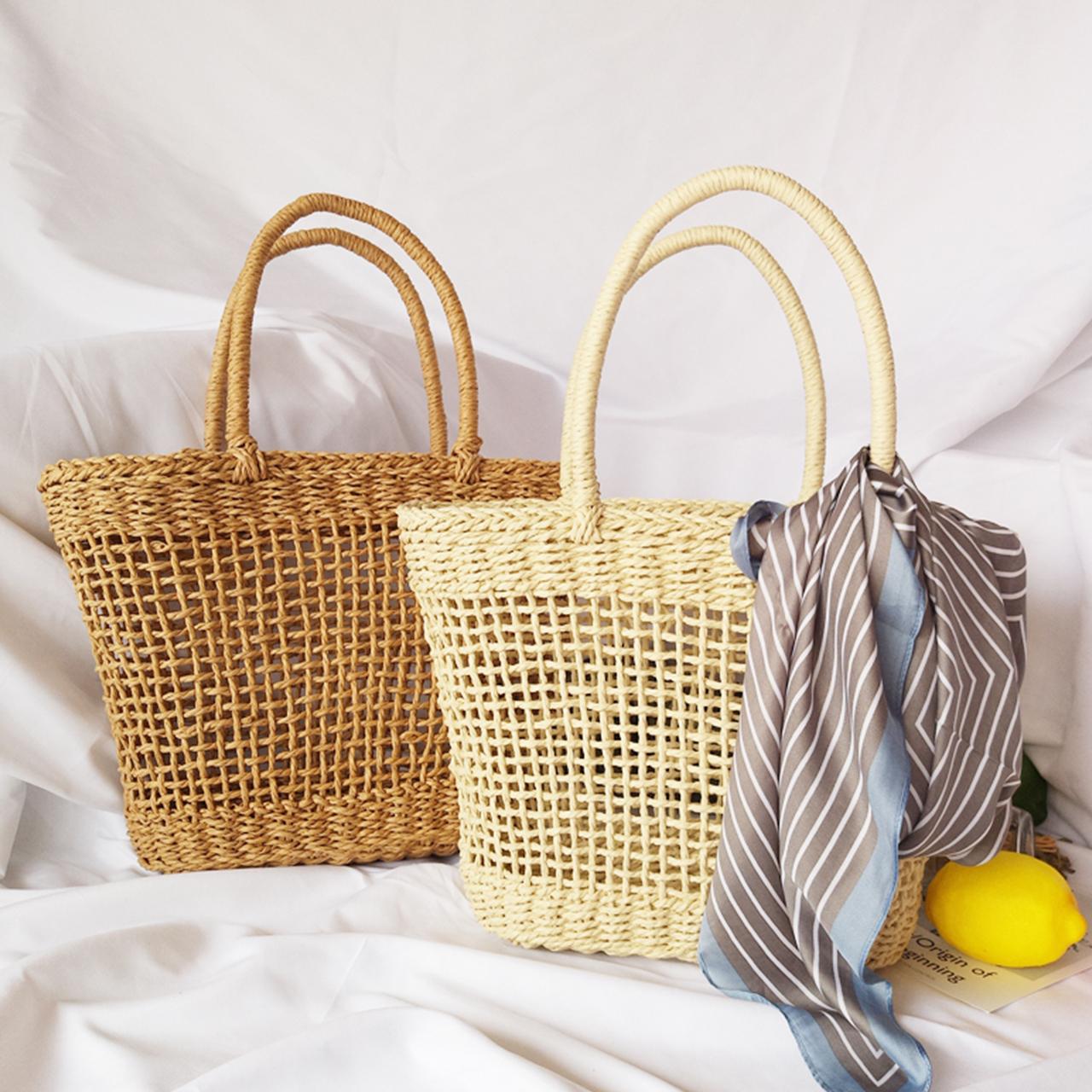
Khi ra mắt thương hiệu túi vải thủ công, mức giá khởi điểm không chỉ đơn thuần là con số — đó là cách bạn truyền tải câu chuyện, chất lượng và cá tính thương hiệu. theo lý thuyết ”Perceived Value Pricing”, người tiêu dùng sẵn sàng chi trả nhiều hơn nếu cảm nhận được giá trị vượt trội, đặc biệt là trong các sản phẩm thủ công độc bản.
Để tối ưu lợi nhuận ngay từ những đơn hàng đầu tiên, DPS.MEDIA khuyến nghị nên áp dụng chiến lược giá tâm lý,ví dụ: chọn mức giá kết thúc bằng số “9” (199K thay vì 200K),kết hợp định giá cao cho phiên bản giới hạn nhằm tạo sự khan hiếm.
- prices suitable for the target customer group: 150K-250K for basic models
- Pricing based on product storytelling: The “Vietnamese Woven Thread” bag can go up to 350K thanks to the story of local materials
- Bundling with a mini collection: Combo price is lower than the total of individual items, stimulating spending
Pricing adjustment chart according to strategic objectives
| Targets | Pricing strategy | Real example |
|---|---|---|
| Reaching new customer segments | Market penetration pricing | Launching ecobasic fabric bags at 149K on e-commerce platforms |
| Building a premium brand | Premium pricing based on USP | Hand-embroidered fabric bag “Ngàn Hoa” priced at 390K when collaborating with local artisans |
| Creating a customer funnel | Loss-leader pricing | 30% off mini bag version in the first launch week to collect data |
Case study: “Sapasun Fabric Bag” – 127% growth after 30 days
A local handmade brand in Lao Cai has applied flexible pricing based on the consumption region. They sell at 199K in Hanoi, but only 169K for the Central market. After 30 days of testing with automated email marketing, order volume increased by 127% – of which 21% were returning customers after the first week.
Thành công đến từ việc hiểu rõ niềm tin tiêu dùng: khách hàng đầu tiên không mua vì rẻ, mà mua vì thấy được sự gần gũi và chân thành trong giá trị chiếc túi – điều mà giá khởi điểm không nên làm “giảm giá trị”, mà nên “kể một câu chuyện”. Khi định giá đúng,doanh thu đầu tiên không chỉ là tiền – mà là tín hiệu của thị trường rằng bạn đang đi đúng đường.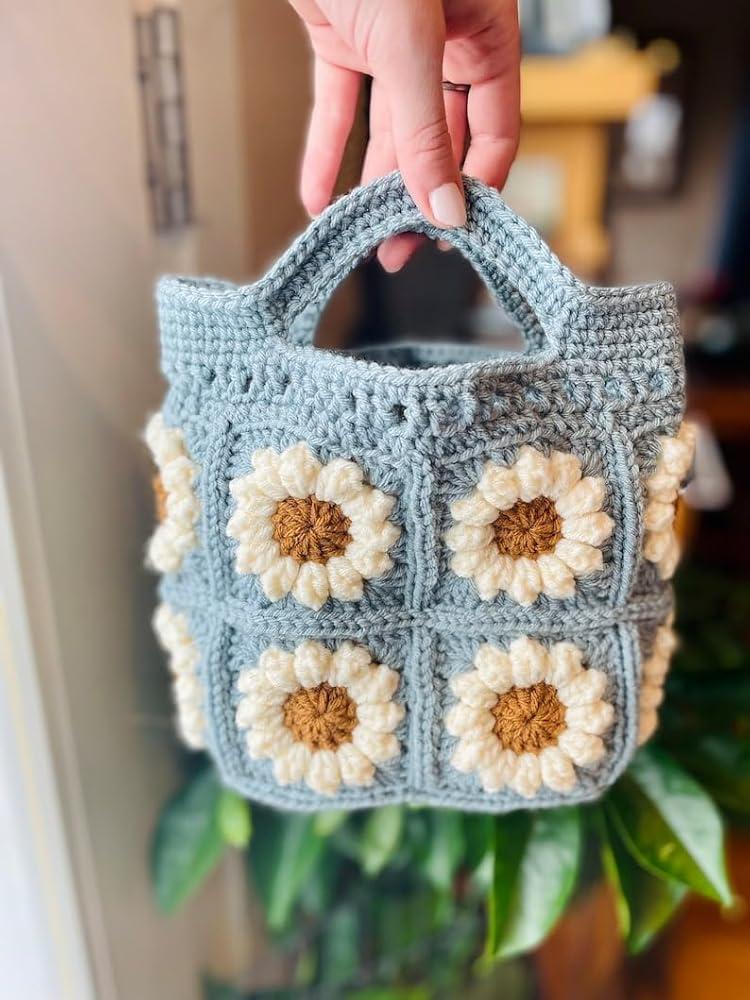
Activate a launch communication campaign to boost the first orders
Choose the right channel, set the right emotion – the foundation for your first order
At DPS.MEDIA, we realize that success in the launch phase of a handmade fabric bag brand does not come from massive coverage, but lies in connecting the right emotions with the right customer group on the right channel. According to Nielsen (2023), 76% of Gen Z and Millennial consumers prioritize brands with unique stories and community messages.
We implemented an integrated media campaign across multiple platforms, focusing on showcasing craftsmanship value, sustainability, and personal identity of the brand through visual imagery, storytelling, and UGC (user-generated content). Some key touchpoints:
- Instagram Reels: sharing the handmade bag making journey using only a phone – authentic, relatable.
- Facebook Group: test feedback through free sample bag giveaway form, leveraging the “social proof” effect.
- Landing Page: convey brand concept and attract email list with limited-time offers.
Create momentum with a streamlined and effective pre-order strategy
Theo mô hình “Lean Launch” trong cuốn Launch by Jeff Walker, an effective launch campaign does not require a finished product but needs real feedback from the market. For a client who is a handmade fabric bag brand called “Mây Mộc”, DPS.MEDIA proposed a limited-time pre-order model as follows:
| stage | Actions | Targets |
|---|---|---|
| 7 days before launch | Tease the product via email + “early bird” offer” | Collect data and create FOMO |
| Launch day | Livestream “unboxing” of the first sample | Gây hiệu ứng công khai – tăng chuyển đổi |
| 5 days later | Send first feedback from customers who ordered | Increase credibility for the young brand |
Leverage data to make decisions and optimize campaigns
We apply analytics tools such as Meta Pixel, Google Analytics 4, and heatmap software to better understand visitor behavior. Based on real-time data, the team quickly adjusts content, CTA structure, and optimizes ad costs.
Case study: In the campaign for “Mây Mộc”, we discovered that customers clicked most on the description of the material “linen recycled from surplus fabric in the textile industry”. From there, the ad content was refined to emphasize the story “turning surplus fabric into unique fashion bags” – helped increase CTR from 2.1% to 4.8% within 4 days.
Collect initial customer feedback and adjust the next implementation direction
Build a unified feedback system right from the first order
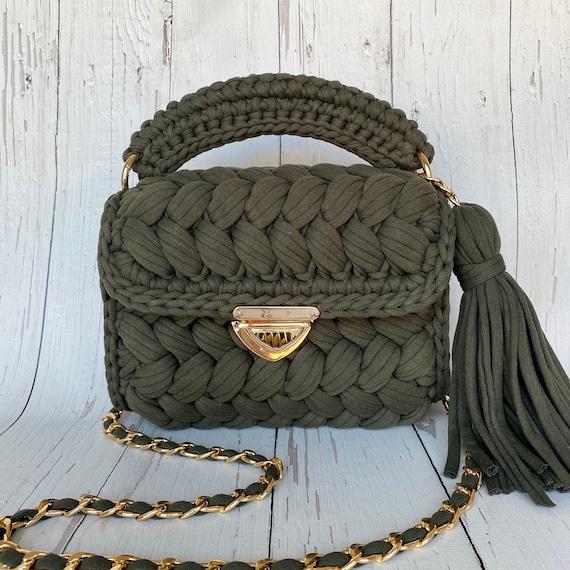
Immediately after launching the first trial campaign for the handmade fabric bag brand, DPS.MEDIA encouraged customers to provide feedback through multiple channels: inbox on the fanpage, Google Forms integrated in thank-you emails, and quick surveys in the product box. This proactive qualitative data collection helps us capture real user experiences with the product and brand, thereby avoiding the “beautiful product but no sales” loop.
Một insight quan trọng rút ra từ phân tích phản hồi là: khách hàng đánh giá cao cảm giác “gần gũi, thủ công”, nhưng nhiều người vẫn hoài nghi về độ bền và khả năng chống nước.Đây là tín hiệu rõ ràng để reposition communication content, focus on practical usage value and eco-friendly fabric processing – factors that are trending in post-pandemic consumer behavior.
Adjust deployment strategy based on potential customer segments
Based on over 1,000 initial responses from digital channels, we categorized feedback groups into 3 common customer archetypes:
| Segmentation | Main insight | Purchase behavior |
|---|---|---|
| Minimalist lifestyle | Prefer compact, sustainable, non-flashy products | Purchase after seeing the ad 2-3 times |
| Domestic tourists | Looking for lightweight, foldable bags that hold a lot | Respond well to real-life review videos |
| Office women | Prefer reasonable prices, just enough fashion sense | Easily persuaded by UGC and genuine feedback |
From there, the digital content strategy was customized for each segment, while the CTA in FB/IG ads was adjusted based on the emotional triggers of each group. The DPS.MEDIA team also applied the SERVQUAL survey model to evaluate expectations versus reality in after-sales service, helping to optimize the customer return rate right from the pre-launch stage.
- Actual feedback not only measures satisfaction, but also serves as a map of the potential customer's journey.
- Product creativity alone is not enough; you must also be creative in how you listen to first-time buyers speak up.
Shared by DPS.MEDIA
When starting the journey of building a handmade fabric bag brand, the first order-closing strategy is the decisive stepping stone. From understanding the target customer profile, shaping suitable content for each communication channel, to maximizing the power of social networks and influencers—every step requires perseverance and flexible adjustment. More importantly, the brand needs to create a strong enough reason for customers to take action from their very first interaction.
From the perspective of DPS.MEDIA, building a strategy is not simply about mechanically applying a formula, but a process of experimentation, measurement, and continuous optimization. For SMEs, especially in the handmade product sector, brand storytelling and personal connection are major advantages not to be overlooked. Take advantage of the beauty of craftsmanship as a differentiating factor to elevate product value, rather than seeing it as just another item.
Additionally, to prepare for sustainable growth, businesses can start learning more about sales funnel strategies, leveraging content marketing, or even applying AI in customer care automation. Every new step will help the brand not only be sustainable but also competitive in an increasingly digitalized market.
Where are you on your journey of building a handmade fabric bag brand? Share your thoughts or experiences in the comments below. DPS.MEDIA looks forward to exchanging, connecting, and exploring new directions for Vietnamese brands with you.