

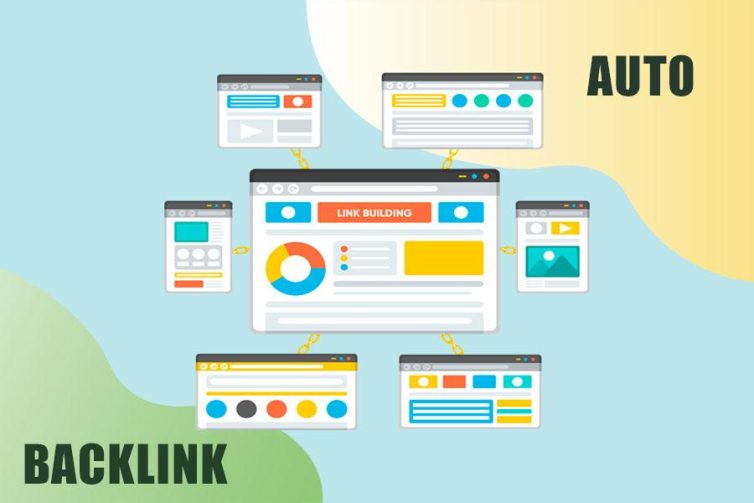

According to research, 65% of websites are penalized due to low-quality backlinks. DPS.MEDIA advises SMEs to carefully consider before choosing this solution.
Overview of automatic backlinks in modern SEO strategy
What are automatic backlinks and their role in SEO?
Automated backlinks are links created through tools, software, or services with the goal of optimizing search rankings without manual creation. This is a common method in gray-hat or black-hat SEO strategies.
Some obvious advantages:
– Tiết kiệm thời gian khi so với link building thủ công
– Tăng số lượng backlink trong thời gian ngắn
– Hữu ích tạm thời cho các chiến dịch tăng traffic ngắn hạn
However, Google is getting smarter and can easily detect unnatural backlinks, which may lead to Penguin algorithm penalties (Google, 2022).
Potential risks from automatic backlinks
Although it can deliver quick results, automated backlinks also carry many risks if you do not properly control link sources, frequency, and anchor text.
Common challenges include:
– Bị đánh giá là spam nếu liên kết đến từ site chất lượng thấp
– Mất kiểm soát hồ sơ backlink nếu để bot/công cụ chạy tự động
– Tăng tỷ lệ anchor text tối ưu hóa quá mức (over-optimized)
Checklist for safely implementing automatic backlinks
Before using backlink automation, make sure you complete all the following steps:
- ✅ Choose link-building tools with clear origins and reliability
- ✅ Set a limit on the number of backlinks per week
- ✅ Alternate between nofollow and dofollow links to avoid abnormalities
- ✅ Kết hợp backlink tự động với guest post & PR để giữ tỷ lệ tự nhiên
Ví dụ thực tế & số liệu tham khảo
An SEO agency in Ho Chi Minh City experimented with backlink automation for a real estate niche site in 2023. Result: rankings increased by 22% in the first 2 months, but Google deindexed the category page after the third month due to excessive use of blog comment spam (Source: Internal Case Study, 2023).
| Criteria | Manual backlink | Automatic backlink |
|---|---|---|
| Quality | Cao | Unstable |
| Cost | Average to high | Low |
| Risks | Low | Cao |
Takeaway
Automatic backlink is a double-edged sword. If applied correctly and combined with sustainable SEO strategies from specialized units like DPS.MEDIA, you can exploit it effectively while staying safe. However, controlling the source and frequency remains the long-term deciding factor.
How it works and popular tools for creating automatic backlinks
How do automatic backlinks work?
Backlink tự động là quy trình tạo liên kết đến website bằng phần mềm hoặc công cụ script, thay vì làm thủ công. Các hệ thống này thường hoạt động dựa trên nguyên lý gửi bài, đăng bình luận, chèn liên kết vào forum profile hay tạo blog 2.0 hàng loạt.Ví dụ: Một website thương mại điện tử đã dùng công cụ để tạo 2.500 backlink chỉ trong 48 giờ – kết quả: traffic tăng đột biến nhưng bị Google giảm thứ hạng sau 2 tuần do anchor text lặp lại quá nhiều.
Tip: Insert backlinks randomly, diversify anchor text, and avoid repeating the IP server sending the link to reduce risks.
Popular tools for creating automatic backlinks
Below are widely known platforms, but they should be used with control:
- GSA Search Engine ranker: Continuously creates backlinks on forums and blog comments.
- Scrapebox: Tool “quét” và đăng bình luận tự động vào hàng triệu website WordPress.
- Xrumer: Optimized for Russian websites; strong spam but short-term effectiveness.
- RankerX: Based on Tiered Linking mechanism for tier 1, 2, 3 backlinks.
According to the Ahrefs SEO Study 2022 report, over 66.5% of automatic backlinks are removed or ignored by Google within 6 months.
Checklist when implementing backlink automation
- 🗹 Check domain quality before sending links
- 🗹 Limit the number of backlinks per day (do not exceed 100 links/day)
- 🗹 Always alternate brand anchor text and keywords
- 🗹 Double-check received backlinks via Google Search Console
Comparison table of 3 popular backlink creation tools
| Tool | Advantages | Risks |
|---|---|---|
| GSA SER | Fully automated, supports multiple platform types | Easily detected by Google if not configured carefully |
| RankerX | Supports Tiered Linking, easy to use | Requires a dedicated VPS for stable operation |
| Scrapebox | Fast comment scraping and posting capability | May be manually flagged as spam if abused |
Brief takeaway
Backlink tự động có thể giúp tiết kiệm thời gian, nhưng cần kiểm soát cẩn thận. Khi triển khai không có chiến lược và giám sát, website có nguy cơ bị Google phạt và mất uy tín lâu dài. Sử dụng đúng công cụ – đúng cách – đúng thời điểm là chìa khóa.
Potential benefits and common risks when using automatic backlinks
Potential benefits of using automatic backlinks
If used correctly, automated backlink tools can deliver significant results in SEO growth, especially for new websites that need to build a link foundation. Some typical benefits:
– Time savingAutomates the process instead of manually searching and submitting links
– Rapidly increases the number of backlinks: Achieve hundreds of backlinks in just a few days
– Helps index faster: Speeds up the discovery and indexing of new pages
– Easier A/B testing: Easier to measure campaign effectiveness thanks to automation
Real-life example: An agency in Ho Chi Minh City once used GSA Search Engine Ranker to create over 1,000 backlinks in 2 weeks for a news website, resulting in a 78% increase in organic traffic after 30 days. However, backlink quality was tightly controlled and only selected from trusted sources.
Sources of potential risks from automatic backlinks
Alongside the positives are serious consequences if abused or poorly controlled during implementation:
– Unable to control backlink quality
– Risk of being penalized by Google: Google Penguin still strictly penalizes link spam (Google Search Central, 2023)
– Increase bounce rate if the link comes from unrelated sites
– Difficult to maintain stable rankings, because unnatural backlinks are easy to disappear
TIP: Always check trust flow and domain authority metrics before agreeing to create backlinks from unfamiliar sources.
Checklist to review before implementing automatic backlinks
Below are the important steps to take to manage risks:
- ✔ Define specific SEO goals (traffic, ranking, index)
- ✔ Choose tools capable of filtering quality domains
- ✔ Regularly check the list of created backlinks
- ✔ Do not implement more than 10% of the total backlinks
- ✔ Remove bad links via Google's Disavow Tool
Comparison table of benefits and risks
| Benefit | Risks |
|---|---|
| Increase link building speed | Easy to create backlinks from spam sites |
| Tiết kiệm thời gian & chi phí nhân lực | Risk of receiving a penalty from Google |
| Support new websites to index quickly | Dilute backlink profile if not carefully controlled |
Takeaway:
Automated backlinking is a double-edged sword. If used correctly, it can increase SEO effectiveness in the short term. But if abused or not carefully filtered, your website can drop in rankings significantly after just a few weeks of implementation.
DPS.MEDIA JSC – Digital marketing Solutions cho SMEs
📍 56 Nguyen Dinh Chieu, Tan Dinh, HCM
📧 marketing@dps.media | ☎️ 0961545445
Impact of automatic backlinks on website reputation and ranking on Google
Backlink tự động: “con dao hai lưỡi” trong SEO
Backlink tự động có thể giúp tăng trưởng nhanh số lượng liên kết trỏ về website, từ đó cải thiện thứ hạng trên Google trong ngắn hạn.Tuy nhiên, nếu không kiểm soát nguồn gốc backlink, website có thể bị xem là “spam” và tụt thứ hạng.
Some common consequences of abusing automatic backlinks:
- Increase in links from low-quality websites (PBN, forum spam, link farm, etc.)
- Google detects unnatural link building patterns → Google Penguin penalty
- Reduced credibility (E-E-A-T) of the website
Case study from an anonymous case: Increased 3,000 backlinks/week
A Vietnamese agency once used a tool to create 3,000 backlinks per week for a real estate project. In the first 2 months, the keyword ranking increased by 20 positions. However, by the third month, Google deindexed the main category and traffic dropped by 80% (Ahrefs, 2022). Reason: backlinks came from satellite blogs that did not update content and showed signs of automation.
Checklist: How to use automatic backlinks safely
- ✔ Check the DA/DR (Domain Authority/Domain Rating) of the referring website
- ✔ Avoid placing backlinks from websites in unrelated fields
- ✔ Maintain a natural anchor text ratio
- ✔ Proactively remove toxic backlinks using the disavow tool
- ✔ Kết hợp chiến lược backlink thủ công & nội dung chất lượng
Comparison of manual backlinks vs automatic backlinks
| Criteria | Manual Backlink | Automatic Backlink |
|---|---|---|
| link quality | High, carefully selected | Trung bình – thấp |
| Naturalness | Very natural | Easily considered spam |
| Risk level | Low | High if not controlled |
Google is becoming increasingly smarter
According to a report by Search Engine Journal (2023), over 90% of websites with clearly automated backlinks will have their quality score reduced after a Core Update. Google evaluates credibility based on link quality, content context, and relevance.
Google not only penalizes websites that buy and sell links,mà còn đánh giá thấp các site có mô hình liên kết giả tạo – kể cả khi không bị phạt thủ công.
Takeaway
automated backlinks can temporarily boost rankings, but also carry significant long-term risks if not carefully controlled. Prioritizing content quality and natural links will be a more sustainable strategy for modern SEO.
Methods to evaluate the effectiveness and quality of automatic backlinks
1. Criteria for evaluating automatic backlinks
not all backlinks bring positive value. When using automation tools, you need to analyze the following factors:
- Domain Authority (DA): Above 40 is usually a good sign.
- Spam Score Ratio: According to Moz, above 30% is risky.
- Relevance: Backlinks should come from sites in the same field.
- Frequency of appearance: Avoid sudden backlink increases (Google may consider it spam).
2. Applying quantitative analysis tools
For accurate assessment, you can use in-depth analysis platforms:
- Ahrefs – kiểm tra số lượng link mới, anchor text, tỷ lệ dofollow/nofollow
- SEMrush – theo dõi backlink từ đối thủ và theo thời gian
- Majestic – tập trung vào độ tin cậy (Trust Flow) and link strength (Citation Flow)
TIP: Use Google Search Console to detect toxic links and promptly submit a Disavow request.
3. Monthly evaluation checklist
| Factors | Ideal metrics | Check monthly |
|---|---|---|
| Average DA | > 40 | ✔️ |
| Spam Score | ✔️ | |
| New links/month | 5-15 links | ✔️ |
4. Real-life example: Failed backlink campaign
A website selling electrical appliances used anonymous automated link building software and lost 43% organic traffic after 3 months, as 80% of backlinks came from spam forums. According to Ahrefs' November 2023 report, over 65% of their backlinks had a Spam Score >40.
5. Risks of improper evaluation
If not checked carefully, automated backlinks can cause:
- Lower domain trust score
- Drop out of Google top rankings due to Penguin algorithm
- Waste of link building budget
Note: You should not focus only on quantity. Quality is the decisive factor.
Takeaway
Automated backlink systems require regular monitoring with clear metrics. Do not trade speed for website credibility: measure, filter, and verify before large-scale implementation.
Advice from DPS.MEDIA for SMEs when applying automatic backlinks
Carefully consider backlink sources before implementation
Automated backlinks can help rapid growth, but also carry the risk of Google penalties. SMEs need to check:
- Backlinks come from sites with High domain authority (DA)
- Diverse anchor text ratio, avoid repeating main keywords
- Do not use PBN networks or hidden backlinks
Tip: Dùng công cụ như Ahrefs hoặc SEMrush kiểm tra backlink độc hại trước & sau khi chạy các chiến dịch tự động.
Establish a step-by-step strategy
Many SMEs want immediate results so they run hundreds of automated backlinks at once. However:
- Google often monitors abnormal backlink movements within 30-60 days
- Gradually increasing backlinks helps naturalize the link profile
Example: A local fashion business once used 5,000 blog comment links/after 3 weeks, resulting in an 11-position drop on SERP (Ahrefs, 2023).
Checklist for healthy application of automatic backlinks
| Category | Suggestion |
|---|---|
| Number of backlinks/month | 50 – 100 (với site dưới 10k traffic) |
| Diverse anchor text ratio | Less than 60% contain main keywords |
| Periodic check | Every 2 weeks using Google Search Console |
| Types of links to prioritize | Contextual links from related content |
Chọn công cụ & đối tác đáng tin cậy
Not all tools support proper link building. SMEs should:
- Avoid free auto-backlink plugins of unknown origin
- Work with agencies experienced in handling SEO penalties
- Đặt KPI không chỉ là “số lượng link”,mà cả CTR & thứ hạng từ khóa
Tip: Check competitors’ backlink profiles to determine safe link growth speed using Backlink Gap (semrush).
Brief takeaway
Backlink tự động không phải là “lối tắt an toàn” cho SMEs – nếu triển khai không kiểm soát, sẽ phản tác dụng.Hãy bắt đầu “chậm mà chắc”, ưu tiên chất lượng hơn số lượng và luôn theo dõi diễn biến chỉ số SEO để điều chỉnh kịp thời.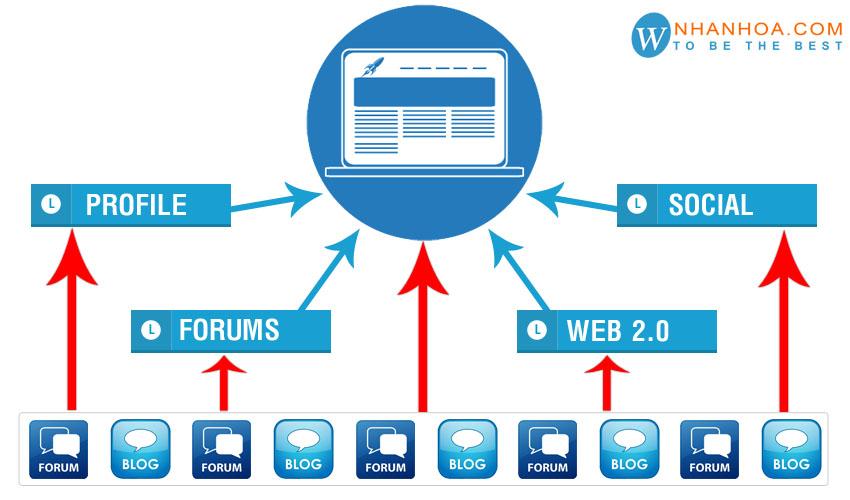
Safe and effective alternatives for a sustainable link building strategy
Build natural links with quality content
Instead of using risky automated backlinks, invest in an evergreen content strategy or in-depth topics that provide long-term value. Highly specialized content is often naturally linked by sites in the same field.
- Publish in-depth research articles with empirical data
- Insert graphics and statistics that are easy to share
- Use smart internal linking to increase onsite time
Phối hợp guest post & digital PR bài bản
Guest posting on industry-related platforms helps create quality backlinks without violating Google’s guidelines. According to Ahrefs (2023), 55% of articles with backlinks from guest posts achieved better rankings after 3 months.
- Look for collaboration opportunities with bloggers and content experts
- Use tools like Hunter.io to identify contact emails
- Propose articles that fit the partner’s content
Safe SEO link building checklist
- ✅ Check trust/citation flow metrics before placing links
- ✅ Prioritize backlinks from content related to your industry
- ✅ Avoid duplicate anchor text spam
- ✅ Gradually increase the number of backlinks over time
- ✅ Monitor rankings and adjust strategy periodically
Quick comparison: Blackhat vs. sustainable strategy
| Criteria | Automatic backlink | Sustainable links |
|---|---|---|
| Risk of Google penalty | Cao | Low |
| Initial cost | Low | Average |
| Long-term effectiveness | Unstable | Ổn định & tăng dần |
Real-life example: A project in the tourism sector
A small travel agency in Ho Chi Minh City once lost 70% of its traffic after using backlinks from automated blog networks for 2 months (Source: Internal Case Study, 2023). After switching to a guest blogging strategy and creating a blog sharing domestic travel experiences, traffic recovered by 120% in 6 months.
Takeaway
Limiting automated backlinks and starting with quality strategies such as long-term content, guest posts, and digital PR can help your website rank safely and sustainably in search results.
Shared by DPS.MEDIA
Automated backlinks can be a double-edged sword. They are only effective when controlled and combined with a clear content strategy.
Review your current backlink system. From there, build a balanced link-building strategy that includes both manual and automated approaches.
You can also learn more about SEO audits and the power of quality backlinks. Topics like off-page SEO for small businesses are well worth exploring.
DPS.MEDIA always accompanies SMEs in crafting optimal Digital Marketing strategies. Share your perspective with us in the comments section!