


In the world of scentsenchanting fragrances, perfume is not just a beauty product – it is an invisible language that tells stories through emotions, memories, and desires. Each tiny drop of essential oil contains a mysterious creative journey, where art, science, and emotion intertwine in astonishing subtlety. But behind the luxurious exterior and seductive aroma are countless untold stories – secrets about origins, crafting techniques, and the profound impact of perfume on human psychology. In this article, we will together unveil things that seem to quietly drift through the air, to better understand the “magic” that has fascinated humanity for thousands of years.
The historical journey of perfume from ancient times to the modern era
Since ancient Egypt, when Queen Cleopatra used lotus essential oil as a symbol of power and seduction, perfume has been an indispensable part of human civilization. In the process of studying engravings on tombs and papyrus scrolls from the 15th century BC, I discovered that fragrance was not just a preference, but also a spiritual communication tool—a link between humans and deities. Moving to Renaissance Europe, the Italian and French nobility began to see perfume as a political weapon, used in alliances and ceremonies. This is completely different from today’s perspective, when we choose perfume to express personality rather than social status. Interestingly, some perfume formulas from that era are still preserved in the Vatican library as an irreplaceable cultural heritage.
Gần đây khi tiếp xúc với bản nghiên cứu từ Đại học Harvard về “psychological scent mapping” năm 2021, tôi mới thấy hết sự phức tạp của mùi hương trong kích hoạt trí nhớ tiềm thức. Ví dụ, thương hiệu niche Maison Francis Kurkdjian khi cho ra đời “Baccarat Rouge 540” đã tích hợp nguyên lý “olfactory layering”—xếp lớp mùi hương theo chiều sâu tâm lý. Điểm này đã khiến dòng nước hoa đặc biệt thành công trên toàn cầu, đặc biệt là tại các thị trường châu Á. Tôi có cơ hội khảo nghiệm phản ứng người dùng Việt qua khảo sát nhỏ và biểu đồ bên dưới:
| Fragrance type | General reaction | Rating (1-5) |
|---|---|---|
| Oud wood – musk | Tạo cảm giác sang trọng & sâu lắng | 4.7 |
| White flowers – jasmine – orange | Relaxing, feminine, easy to remember | 4.5 |
| Sweet amber | Mildly addictive, but can be overpowering | 3.9 |
The secrets behind fragrance layers and how they work
When I first studied perfume, I was truly fascinated by the concept “tầng hương” – something that seems simple but is full of meaning. Each bottle of perfume is a miniature universe, where time and emotions intertwine through three fragrance stages: top notes, middle notes, and base notes. This is not a random process – but the result of a combination between precise compounding technique and deep understanding of olfactory perception của con người. theo nghiên cứu từ Grasse Institute of Perfumery,nhiệt độ cơ thể,độ ẩm không khí và cả tâm trạng đều ảnh hưởng đến việc ”mở khóa” từng tầng hương theo một trình tự cụ thể. Thành thật mà nói,phải mất nhiều năm,tôi mới nhận ra rằng một mùi hương không chỉ để thơm – mà là để kể chuyện một cách tinh tế bằng mũi.
Để minh họa, tôi từng gặp một trường hợp khách hàng tên Linh – cô ấy chọn loại nước hoa có hương đầu citrus tươi mát nhưng lại cảm thấy khó chịu sau vài phút tiếp xúc với hương giữa đầy hoa trắng. Câu chuyện này không chỉ là sự lựa chọn sai lầm mà còn là bài học về “hiệu ứng tầng hương đảo chiều” – khi thời tiết nóng làm hương giữa bùng phát quá mạnh, lấn át bố cục ban đầu. that’s why, tôi khuyên bất kỳ ai cũng nên thử nước hoa trên da trong ít nhất 30 phút để trải nghiệm đầy đủ sự ”chuyển mình” của mỗi tầng hương. Dưới đây là bảng khái quát mà tôi vẫn thường dùng khi tư vấn cho khách hàng:
| Fragrance Layer | Longevity | Popular Scents |
|---|---|---|
| Top Notes | 5-15 minutes | Bergamot orange, mint, mandarin |
| Middle Notes | 30-60 minutes | jasmine, rose, lavender |
| Base Notes | Several hours to a whole day | Sandalwood, musk, amber |
How to choose the right perfume for each personality and occasion
Choosing a perfume is not just about the scent—it's a statement of personality. I once met Linh, a friend who is a creative director, always loyal to the scent of agarwood and black pepper. Cô bảo tôi rằng khi bước vào phòng họp với những nốt hương sắc sảo đó, cô thấy mình như được khoác lên một lớp áo giáp bằng… mùi. Ngược lại,Tuấn – một nhiếp ảnh gia tự do – thường chọn citrus tones để mang cảm giác phóng khoáng,đôi khi anh còn tự chế nước hoa riêng bằng layered fragrance. Theo một nghiên cứu về “olfactory memory” của viện IFRA (2020),mùi hương còn đóng vai trò như một bản sơ đồ ký ức,giúp người ta nhớ đến bạn qua chỉ vài giây lướt qua. Hãy thử tưởng tượng đó là invisible signature in the world of fragrance.
You can't apply one scent to every situation—just like you can't wear a suit to a picnic. In my personal experience, I categorize perfumes by occasion, and would like to share a small reference table below:
| Occasion | Suitable scent | Personality suggestion |
|---|---|---|
| Office | Light floral, musk and bergamot orange | Trí tuệ & chuyên nghiệp |
| Date | Vanilla, rose, sandalwood | Lãng mạn & ấm áp |
| Evening event | Oud, patchouli, labdanum | Táo bạo & cuốn hút |
| Relaxing weekend | Green tea, lemon, lavender | Thanh thoát & tự do |
My suggestion:
- Choosing the right perfume is learning how to tell stories through scent.
- Let each bottle of perfume be a memory, an unsent letter.
- Don't be afraid to experiment—your personality isn't fixed, just like the scent you choose.
Make your scent last longer with simple but effective tips
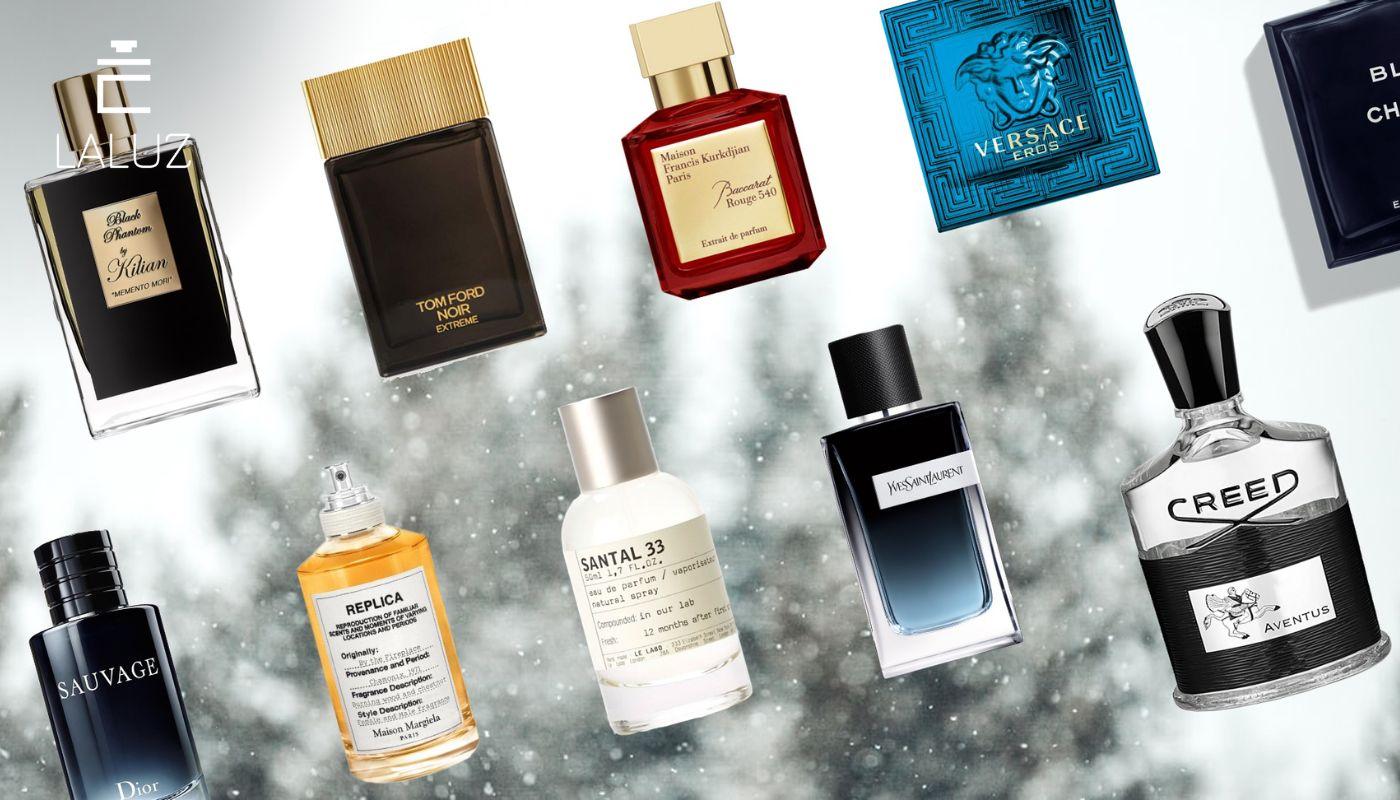
From my experience after years of trying both niche and designer perfumes, fragrance is not just a game of scent but also about the intelligence in how you use it. A study from the Journal of Cosmetic Science shows that the oil concentration in your skin determines up to 40% of scent longevity. This explains why I always apply an unscented moisturizer before spraying perfume—it creates a moist skin base, helping the scent molecules last longer. Additionally, I avoid spraying on my wrists and rubbing them together—a common but risky habit, as friction breaks down the top notes. Instead, I prioritize pulse points like behind the ears, inside the elbows, and near the heart area.
If you really want to optimize the power of perfume, pay attention to how you choose the time and place to use it. Scent psychology from the book “The Secret of Scent” by Luca Turin points out that the same perfume can react differently depending on humidity and temperature. I once tried Dior Homme Intense on a morning in Saigon and found the vanilla note too sweet and sharp, but when I used it in the cool weather of Da Lat, it became mellow and alluring. This prompted me to create the small checklist below to help choose the right perfume for each time:
| Time | Suggested scent group | Personal notes |
|---|---|---|
| Morning | Citrus, green tea, rosemary | Choose a light EDT to avoid discomfort |
| Afternoon | Woody, musk | Suitable for office environments |
| Evening | Amber, leather, vanilla | Ideal for intimate gatherings and parties |
Conclusion
And so, among the layers of scent quietly drifting through time and space, perfume is not just a sophisticated product of chemistry and art – it is also a doorway leading to untold secrets. Each drop of fragrance is an unfinished story, just waiting for a gentle breeze to unfold. When you wear a scent, you are not just choosing a perfume, but choosing a way to tell a story – a whispering voice guiding emotions, memories, and hidden dreams. The secret of perfume, perhaps, does not lie in the formula or the brand, but in the way it touches the soul of its wearer.
Let the fragrance speak – and listen to what sometimes even our own hearts have never uttered.