

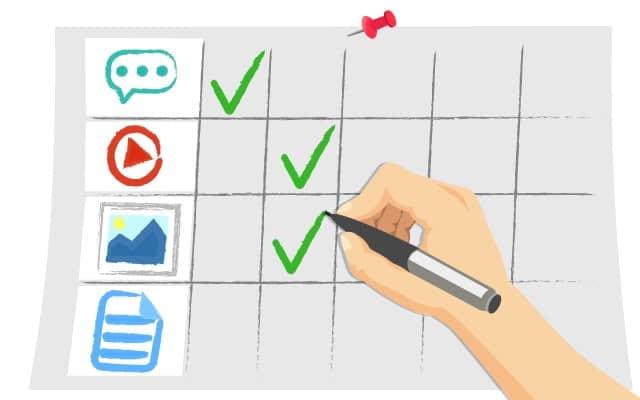

Are you running a small spa by yourself and also handling all the communications? Then planning content for the whole month is not just necessary – it's essential to maintain a smart and effective online presence. With only one staff member, how do you avoid running out of ideas, getting confused with posting schedules, or creating content without direction? DPS.MEDIA will help you solve this problem with an immediately applicable approach that saves time while remaining professional.Key point (MIP): Build your content calendar by weekly themes – this is the easiest way to never run out of ideas. One theme per week, making it much easier to deploy daily content from there. For example: Week 1 - Service introduction; Week 2 – At-home skincare tips; Week 3 – Customer feedback; Week 4 – Mini-game or hot deals of the month.
Important reason you should apply this: Over 80% of the small-scale spas we consult make the same mistake – lacking a long-term content plan, leading to posting based on inspiration and low effectiveness. When you schedule by week, you not only save at least 70% of your content production time, but also better control the message sent to customers each month.
Instead of trying to “produce” content every day, take advantage of the first 1-2 days of the month to “batch content” – come up with ideas, take photos/record videos, and write content for the entire month. A small tip from DPS.MEDIA: By simply reusing one video in three formats (post, reel, story), you already save one working day.
More importantly, measure the effectiveness of each post to refine the next month's content plan. A staff member with a strategic mindset and a clear work schedule can completely operate a social media campaign for a small spa every month with zero outsourcing costs!
We have witnessed many 1-staff spas increase engagement 5 times and increase booking volume by 30% after only 2 months of applying the content plan according to this model. Don't let social content become a burden – turn it into a process.*
Identify target customer profiles to build effective content
Analyze the psychology, needs, and buying behavior of each customer group
For a spa with only one person doing everything, correctly identifying your target customer profile is the key step to avoid wasting resources. DPS.MEDIA always advises spas to build customer profiles using the Personas model – a concept developed by Alan Cooper and widely used by marketing experts in content strategy. Imagine a customer named “Ms. Mai – 34 years old, office worker, often stressed and wants to relax on weekends.” If you know Ms. Mai is usually online at 9pm and likes to watch spa reviews on TikTok, you’ll clearly create more engaging content than just posting plain articles on Facebook at 10am.
We suggest dividing your customer base into at least three main groups, for example:
| Customer group | Characteristics | Suitable content |
|---|---|---|
| Office workers | Work pressure, dull skin, premature aging | Quick skincare tips, facial relaxation videos |
| Breastfeeding mom | Lack of time, want to recover body shape & skin | Guide to postpartum belly fat reduction, mini blog sharing experiences |
| Students & Gen Z | Concerned about acne – melasma, low budget | Free skin consultation livestream, mini game to experience services |
Identifying customer groups like the above not only helps shape the tone of content but also saves a lot of content production time. According to research by HubSpot, businesses that personalize content according to personas have lead performance increase up to 124%. This is even more important when you only have 1 staff member – no extra strength to “hit the mass market” like large spas.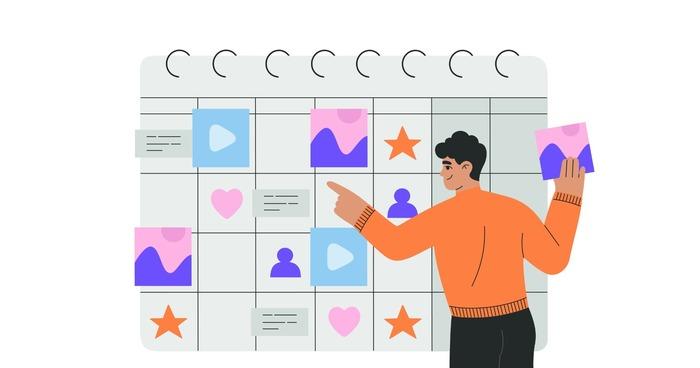
Schedule weekly content to optimize time and effort
Create a standard schedule: 4 weeks, 4 content roles
With only one staff member handling all marketing tasks for the spa, scheduling content becomes the key to maintaining performance without burnout. DPS.MEDIA encourages building a weekly plan, focusing on a different goal each week to increase communication effectiveness and reduce burden to handle.
Refer to the “content pillars” model from Hubspot combined with the LIFO (Last In, First Out) method for time prioritization, we propose a simple structure as follows:
| Week | Content highlights | Content types |
|---|---|---|
| Week 1 | Knowledge sharing | Skin care articles, skincare tips |
| Week 2 | Inspiration | Customer stories, before/after photos |
| Week 3 | Gentle selling | Service offers, hot combos |
| Week 4 | Brand connection | Behind-the-scenes, personal sharing |
By applying this division, each week the spa only needs to focus on a specific message, making content writing, image design, and channel selection more consistent and coherent.
Reduce production time, increase content value
In a survey by Content Marketing Institute 2022, more than 60% of SME businesses reported scheduling weekly content in advance helped them save up to 40% of marketing operation time. DPS.MEDIA implemented a similar solution for a spa in Tan Binh – in just 3 months, organic reach increased 2.3 times thanks to a strategy of regularly posting 4 pieces of content per week on a fixed schedule.
- Monday: Standard post sharing dermatological knowledge
- Wednesday: Customer story with illustrative photo
- Friday: Weekly offer + call to action
- Sunday: Spa behind-the-scenes or personal vlog
Pre-defining the format and message helps staff not need to “rack their brains” every day, saving creative time and focusing more on the quality of each post.
Leverage popular content formats on social media platforms
Reuse content in different formats to save time
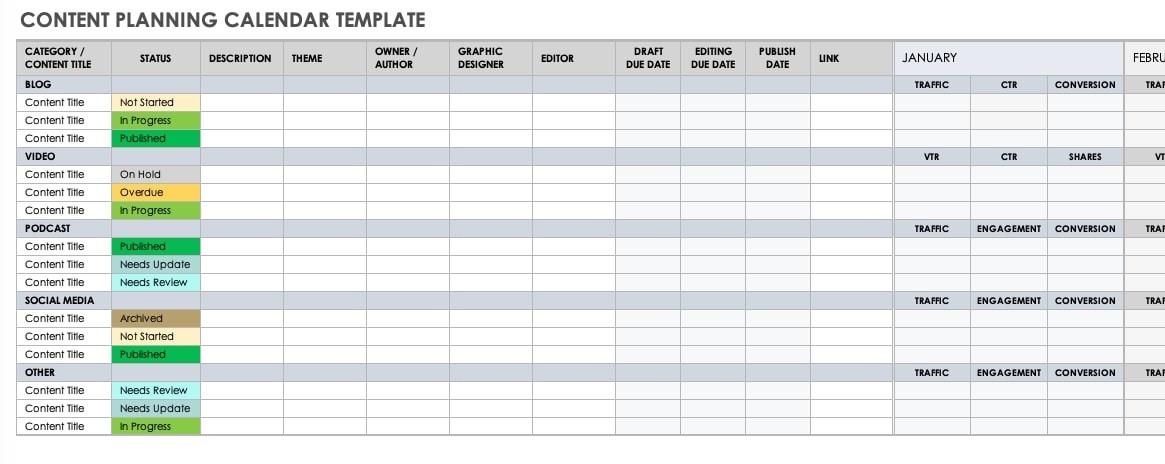
With the “1 person – 1 spa” model, content creation needs to be optimized through available formats such as: static images, short videos, stories, carousels, reels, livestreams.Research from HubSpot shows that converting one idea into multiple content versions will help increase engagement by up to 38%. For example: with the same topic “How to care for acne-prone skin”, you can make:
- Static image: Before & After treatment (Before/After)
- Short video: Nighttime skincare tutorial
- Story: Small poll asking the audience “What is your skin type?”
- Livestream: Live Q&A with customers currently undergoing treatment
Case study at a small spa in Bien Hoa: After turning 1 blog post into 1 reel + 3 stories + 1 static post combined with geotagging on Instagram, organic reach increased 4.7 times in just 6 days. This proves that using social media formats strategically can temporarily replace advertising tools.
Table of the most effective content formats by objective type
| Targets | Suitable format | Reason |
|---|---|---|
| Increase brand awareness | Reels, Story | Strong display, easy to go viral when using trending music |
| Booking conversion | Carousel, Video testimonial | Showcase real processes and results |
| Retain followers | Question story, Poll, Mini game | Stimulate two-way interaction, create lasting connections |
DPS.MEDIA perspective: Lead with strategy, not just creating content for the sake of it
According to us at DPS.MEDIA, a common mistake at one-person spas is only posting when there is time. However, social media today is a playground of frequency + diverse formats. Spas can apply the “Pillar Content” model combined with “Micro content” — that is, building 4 pillar topics each month (for example: skin treatment, customer feedback, dermatology knowledge, spa behind-the-scenes), then breaking them down into many formats suitable for each platform.
Combine manual work and tools to speed up content production
Optimize performance from both manual work and technology
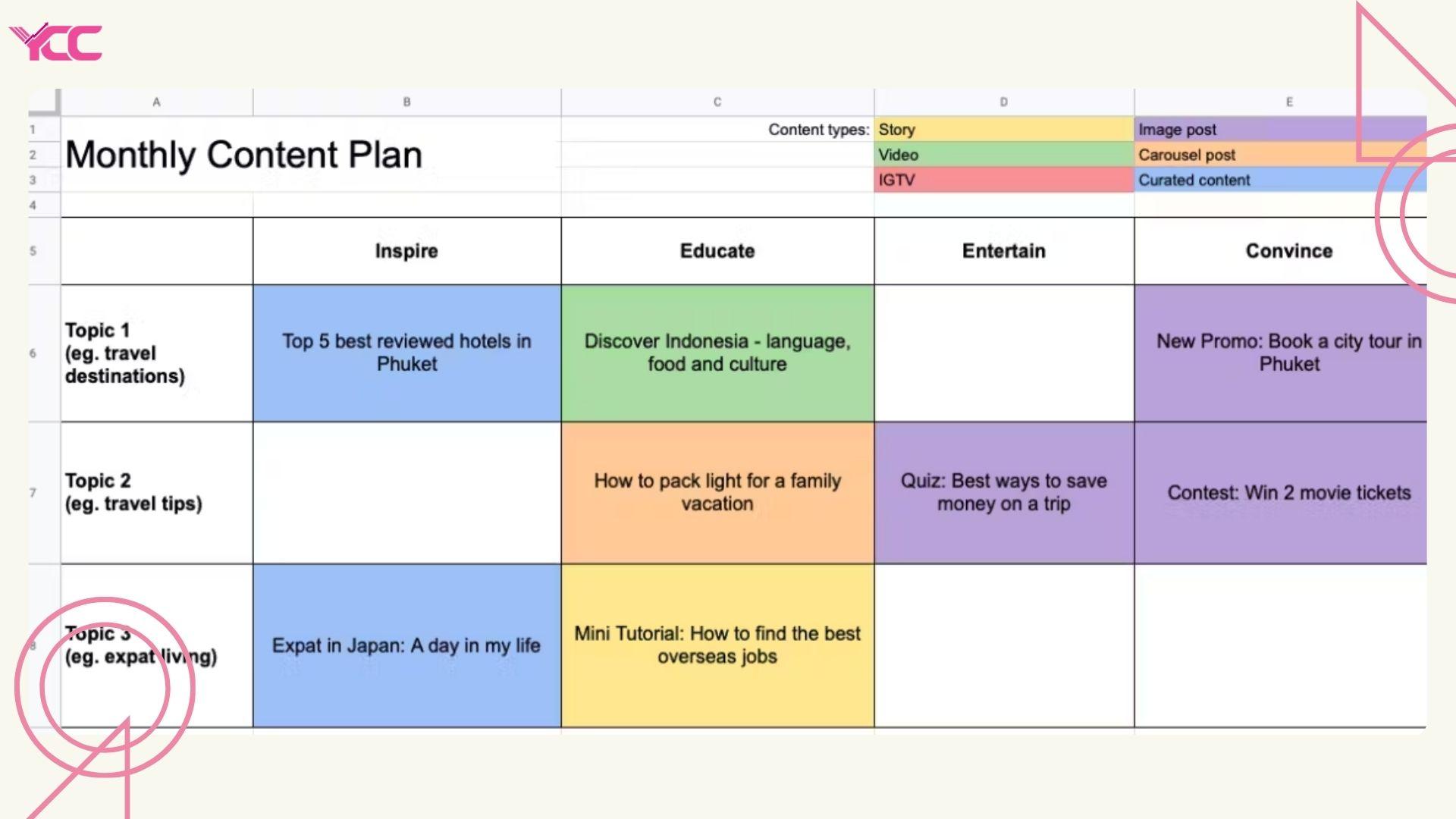
At DPS.MEDIA, we believe that the combination of human effort and digital tools is not only a smart choice – but the only way for an individual to manage the entire content process for a spa. Specifically, manual tasks – such as writing posts, moderating images, interacting on platforms – need to be done by someone who understands the brand’s characteristics. Meanwhile, support tools like Notion, Trello, canva, and especially GPT-4 can help cut up to 60% of the time for brainstorming and design.
We use the “3-3-1” model: each week producing 3 social posts, 3 short videos, and 1 in-depth consultation post. This content structure is planned using AI, but the final tweaks always rely on human intuition – because brand sensitivity in the spa industry is something technology cannot fully replace yet.
| Task | Manual execution | Tool-supported |
|---|---|---|
| Content scheduling | Check actual activity schedule | Meta business Suite / Buffer |
| Topic ideas | Based on product inventory & customer feedback | ChatGPT + AnswerThePublic |
| Image design | Choose images that fit the brand | Canva / adobe Express |
| Write caption content | Synchronize personalized tone-of-voice | GPT combined with industry-customized prompts |
In a study from Harvard Business Review (2023), the highest performing teams are always those that know how to integrate human strategic thinking with the rapid execution capabilities of machines. A one-person spa doesn't need to do everything – just the right points where human intervention is required, leave the rest to the tools.
Design easily editable content templates for each spa service type
Flexible content templates for each popular spa service group
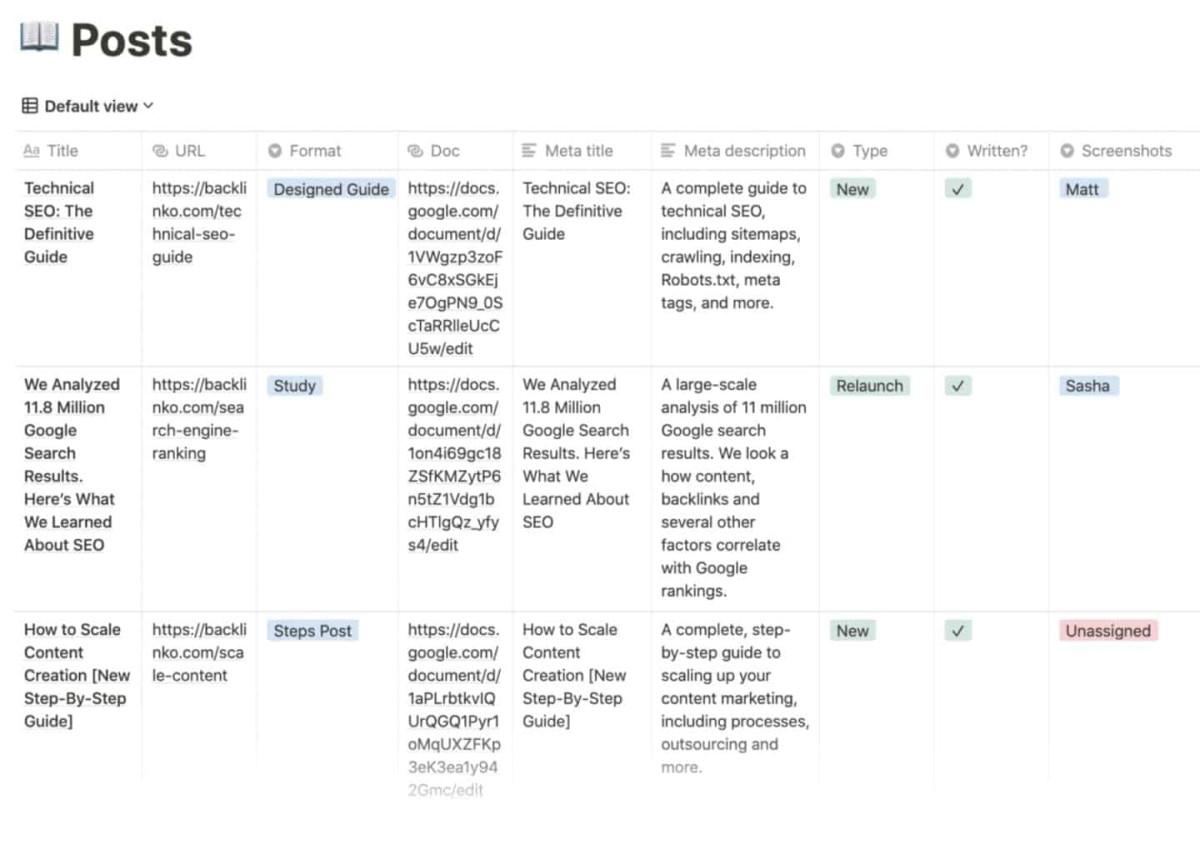
From the perspective of DPS.MEDIA, creating content for a spa with one staff member handling everything requires standardization and workflow optimization. We suggest dynamic content templates based on popular service groups such as skincare, slimming, body massage, or intensive treatments. These templates have a repeating structure of subject – benefit – proof – CTA but are flexible for adjustment to each specific program.
For example, for melasma treatment services:
- Topic: “#After 5 Treatment Sessions – Visibly Brighter Skin?”
- Benefits: More than 85% of clients reduced pigmentation by 2-3 levels after 1 month (*according to a report by the Japan Dermatology Research Institute, 2022)
- Evidence: Includes before-after images, quoted client feedback from Zalo/Shopee/Youtube
- CTA: “Inbox to get a free skin analysis and receive a post-treatment care PDF guide”
To help content creators save time, you can use the following sample table to rotate content throughout the month:
| Main service | Publication date | Angle of exploitation | Content format |
|---|---|---|---|
| Skin care | Monday | Share periodic combo effectiveness | Real client photos + reviews |
| Fat reduction | Wednesday | Client results after 7 days | 15s TikTok video |
| Body massage | Thursday | Weekend relaxation solution | Short story + vote sticker |
| Melasma treatment | Saturday | Explanation of new melasma treatment technique | Infographic + attached PDF gift |
According to content strategy experts Ann Handley, “It is best to provide a real story, but told systematically so that it can be reused while still maintaining personalization”. With the way of designing content templates according to services as above, spas can rotate materials without duplication, both easy to operate for 1 staff and ensuring professionalism in the eyes of customers.
Measure content effectiveness with basic but important metrics
Understand metrics correctly to avoid “burning” content into the dark
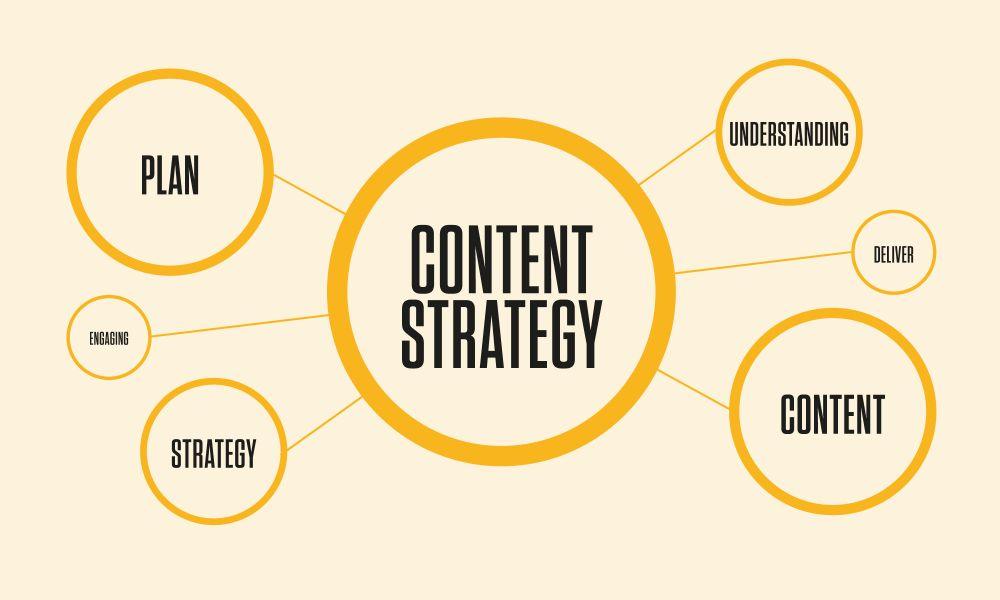
For a spa with only one staff member in charge of all content for the month, tracking performance is not just a side task – it is the compass for all efforts. According to research from the Content Marketing Institute, over 73% of small businesses do not measure KPIs correctly, leading to strategic misalignment. At DPS.MEDIA, we propose a set of basic, easy-to-track metrics that provide strong enough data to guide campaigns:
- Engagement Rate: Measured by likes, comments, and shares over total reach. More important than views, as it reflects real connection.
- Reach & Impression: Shows the level of spread. With a low budget, this is the foundation for optimizing organic content.
- Click-through Rate (CTR): Especially important if you have links to your website, booking form, or Zalo OA.
- Inbox volume, question-type comments: An indirect indicator showing that the content influences interest behavior.
Simple KPI table for a one-person spa
| metrics | Minimum goal (per post) | Measurement tool |
|---|---|---|
| Engagement Rate | Over 5% | Meta Business Suite |
| Reach | Over 1,000 people/post | Fanpage Insight |
| CTR | Over 1.5% | Bit.ly, Google Analytics |
| Inbox/comment interested | 5 responses/post | Facebook Notification, Zalo OA |
Real case study: One-person spa in Thu Duc District
In March 2024, the DPS.MEDIA team implemented a 30-day content plan for a small spa in Thu Duc with only one person in charge of content, photography, and customer replies. We applied the measurement model of the 4 above indicators – helping her identify that before/after posts had a CTR 2.1 times higher than inspirational quote posts.
From the second week, the plan was refined: produce 8 core content pieces, focusing on effectiveness proof (testimonial, expert perspective) instead of spreading out 20 posts. Result: inbox volume increased by 128%, bookings increased by 68% compared to the previous month – simply by applying correct measurement and timely optimization.
Maintain creativity and inspiration even when working alone
Shift mindset from content creation to brand storytelling
At DPS.MEDIA, we believe that creativity does not need a large team, but needs the right mindset. With a spa that has only one “captain” staff member, the important thing is to stop looking at content creation as a repetitive task — instead turn it into a storytelling journey: each photo, each caption is a small chapter depicting the soul of the spa.
Applying “The Hero's Journey” principle from Joseph Campbell, you can completely build a brand storyline through chain content:
- days 1-7: Introduce the main character — the story begins with the founder, the staff who does everything.
- Days 8-14: challenges and transformation — share backstage difficulties, the journey of learning the trade, opening the shop.
- Days 15-21: Highlight — highlight customer feedback, real beauty procedures.
- Days 22-30: Mission — call on the community to take care of themselves, share the spa’s philosophy.
Apply the rotating sample content table over 4 weeks
To maintain inspiration, DPS suggests using a periodic content table structure. Apply the principle content pillar, you can rotate topics while still creating a fresh feeling.
| Day | Topic | Content types | Title suggestion |
|---|---|---|---|
| Monday | Before – After | Image + review | Ms. Huong's acne skin after 3 sessions: Unbelievable! |
| Wednesday | customer education | Short video or infographic | How much exfoliation is enough? 3 things to remember! |
| Friday | Behind the scenes | Story/short | 1 working day of ”1 person doing everything” |
| Sunday | Share feelings/achievements | Long post | 6th month running the spa alone: I didn't give up |
Reorganize inspiration with the 3-5-1 rule
Based on Harvard Business Review's (2021) research on sparking creativity in high-pressure environments, DPS suggests the 3–5–1 model:
- 3 minutes every morning: quickly write a caption from real emotions
- 5 content ideas each week: no need for details, just jot down bullet points as prompts
- 1 hour each week: join a community (forum, FB group, YouTube) for inspiration
If applied seriously, you can not only maintain motivation but also form a “professional” creative habit like a true content marketer.
A person's perspective in life
When there is only one “team-carrying” staff member,organizing marketing content for a spa is not only a challenge but also an opportunity to optimize processes and unleash creativity.. With a well-scheduled content plan for one month, every small step will bring big results – from increasing brand awareness to boosting revenue conversion. The key here is flexibility, consistency, and smart use of supporting tools. At DPS.MEDIA, we have found that when you clearly understand your customer profile, have strategic thinking, and use suitable forms and templates, even small spas can master the digital marketing game. The important thing is to maintain inspiration – write from real customer experiences, brand stories, and questions users always wonder about.
Don't just see content as a task to be completed, but turn it into an inspiring contact channel between you and your customers. If you still find it hard to start, topics like “Content planning according to the customer journey”, “Viral topic suggestions for spas every week”, or “Increasing social media interaction with a limited budget” will be well worth exploring further.
Whether you are struggling with hundreds of tasks or just starting to learn marketing, the important thing is to try and learn from customer feedback. DPS.MEDIA always accompanies the SME community on the journey to conquer the digital space sustainably and effectively.
Have you tried planning content for your spa yet? Share your experiences, strategies, or difficulties in the comments below! We look forward to discussing and finding practical solutions together – for a small but strong business community.