



Affiliate Marketing is gradually asserting its position as an effective online money-making method, attracting the participation of a large number of users. However, not everyone fully understands the different types of earning methods in this field. In today's article, let's explore with DPS the most popular types of Affiliate Marketing earning methods so you can better understand each type and choose the most suitable affiliate commission model.
Introduction to Affiliate Marketing
Affiliate Marketing, also known as affiliate marketing, is a marketing method in which distributors (Affiliate/Publisher) introduce products or services of suppliers (Advertiser/Merchant) and receive commissions when customers (End User) perform a certain action (such as making a purchase, registering an account, downloading an app) through their link. This is a popular and effective way to make money online, especially suitable for those who want to generate passive income without owning their own products. Affiliate Marketing not only helps distributors earn money but also helps suppliers increase sales and expand their market effectively.

Types of Affiliate Marketing Earning Models
Cost Per Click (CPC)
What is CPC?
Cost Per Click (CPC) is one of the most popular Affiliate Marketing earning methods, in which distributors receive money when someone clicks on their advertising link.
How CPC works
CPC works quite simply: the distributor attracts customers to the supplier's website through a referral link. Commissions are calculated for each valid click on the link, regardless of the customer's subsequent actions.
Cost Per Action (CPA)
What is CPA?
CPA – viết tắt của Cost Per Action, là phương thức thanh toán phổ biến trong tiếp thị liên kết Affiliate Marketing, through which distributors (publishers) receive commissions when customers perform a specific action, instead of just counting clicks like CPC. CPA is considered one of the most effective advertising forms because it focuses on the actual results that businesses want, helping to optimize advertising costs and improve conversion rates.
How CPA works
Publishers promote the supplier's (advertiser's) products/services through referral links. When customers visit the advertiser's website via the link and perform the desired action (such as registering, making a purchase, etc.), the publisher receives a commission for that action. The commission amount can vary depending on the difficulty of the action and the value it brings to the business. For example, an action like making a purchase usually has a higher value than just subscribing to a newsletter.
Cost Per Install (CPI)
What is CPI?
CPI – viết tắt của Cost Per Install, là một trong các loại hình thức kiếm tiền trong Affiliate Marketing thường gặp ở những lĩnh vực như phần mềm, ứng dụng, ngân hàng,… Với CPI, nhà phân phối (publisher) nhận hoa hồng cho mỗi lượt cài đặt thành công một ứng dụng di động hoặc phần mềm thông qua đường link giới thiệu của họ.
This is a popular and effective method for promoting mobile apps, as it ensures that the supplier only pays when a specific goal is achieved—gaining new users for their app. CPI is widely used by app developers and businesses looking to increase their app's presence in the mobile market.
How CPI works
The Affiliate Marketing CPI earning model operates based on providers creating app promotion campaigns and publishers promoting these apps through various channels such as blogs, social networks, advertising on other apps, or websites specializing in mobile applications. When users click on the ad link and complete the app installation, the provider pays a commission to the publishers. This amount may vary depending on the popularity of the app, market competition, and the country where the user installs the app. CPI ensures that each installation brings specific value, optimizing costs for advertisers.
Cost Per Lead (CPL)
What is CPL?
Cost Per Lead (CPL) is a form of affiliate marketing in which the Advertiser only pays a commission to the Publisher when the user completes a specific action related to providing contact information, such as filling out a registration form, subscribing to a newsletter, or requesting more information about a product or service.
CPL focuses on collecting potential customer information, helping businesses build a customer database to continue nurturing and converting them into actual customers. This is an effective method to expand the list of potential customers without investing too much in traditional advertising.
How CPL works
Hình thức CPL hoạt động dựa trên việc các Advertiser tạo ra các chiến dịch với mục tiêu thu thập thông tin liên hệ của khách hàng tiềm năng. Các Publishers sẽ quảng bá các chiến dịch này thông qua những trang mạng xã hội, website,… mà họ sở hữu.
When users click on the ad link and complete the registration form, the advertiser pays a commission to the Publisher. This amount may vary depending on the value of the lead and the advertiser's business sector. CPL helps businesses build a quality list of potential customers, thereby optimizing the process of reaching and nurturing customers.
Cost Per Sale (CPS)
What is CPS?
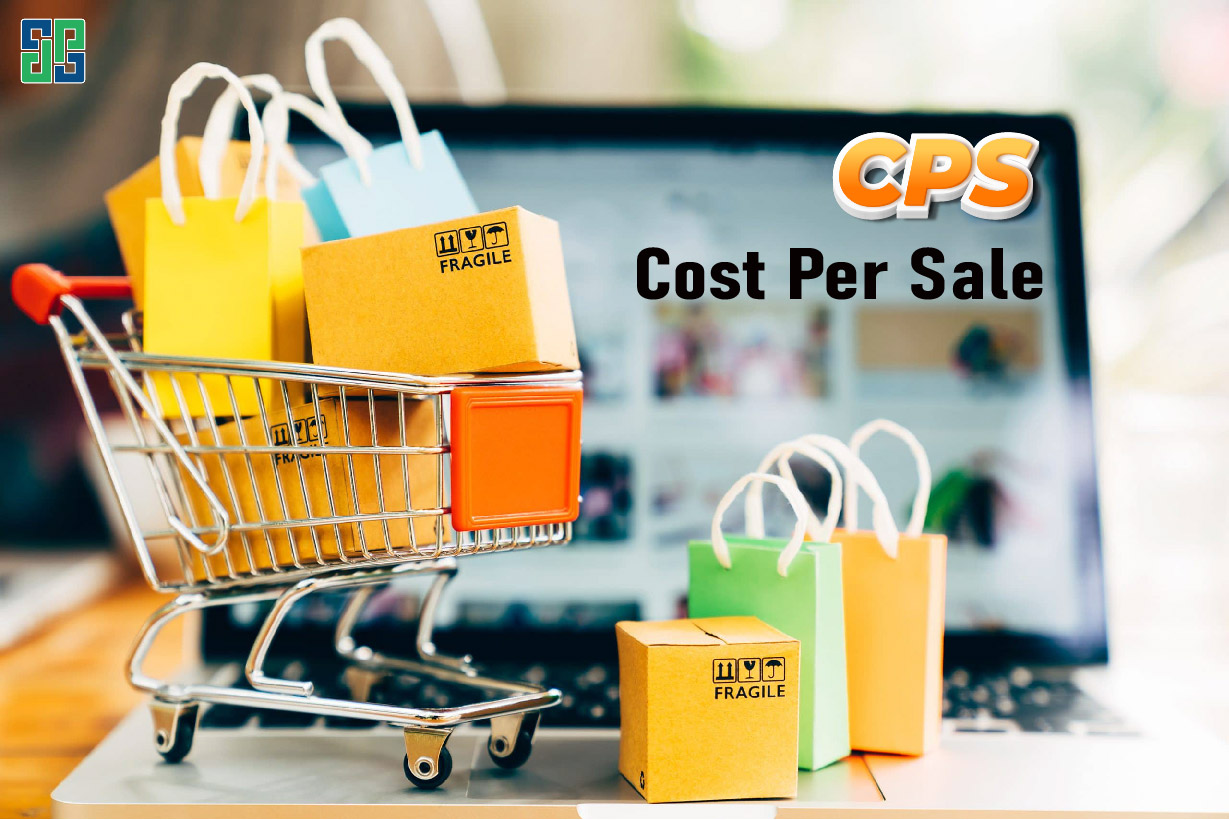
Cost Per Sale (CPS) is one of the most highly rated affiliate marketing models by providers in terms of effectiveness, in which the Advertiser only pays a commission when the user completes a purchase through the ad link. This is a popular marketing model in e-commerce and online retail sectors, as it ensures that advertising costs directly correlate with sales. CPS helps businesses optimize advertising costs and ensures that every expense brings specific revenue.
How CPS works
First, the Advertiser creates marketing campaigns with the specific goal of increasing sales. Publishers then promote the Advertiser's products or services through online media channels. When users click on the ad link and complete a purchase, the Advertiser pays a commission to the Publishers as previously agreed between the two parties, usually a fixed percentage of the order value. CPS ensures that advertising costs only arise when there is actual revenue, helping to optimize the marketing budget.
Cost Per Order (CPO)
What is CPO?
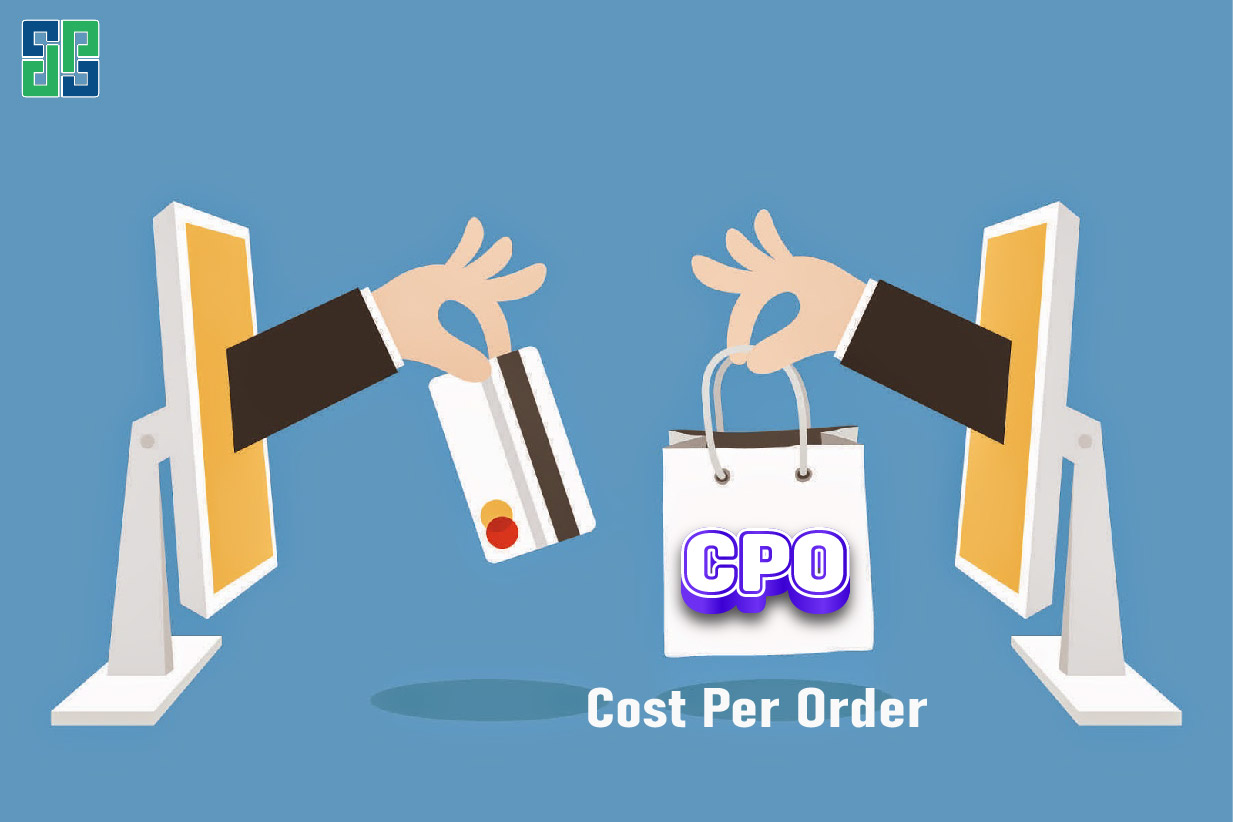
Cost Per Order (CPO) is a method of calculating affiliate marketing fees in which Advertisers pay commissions to Publishers when users complete an order through the ad link. This model is popular in the e-commerce and retail industries, where measuring the effectiveness of ad campaigns through the number of specific orders is very important. CPO helps businesses optimize advertising costs by only paying when actual results—orders—are achieved.
How CPO works
The CPO model operates based on a clear and transparent process. First, the Advertiser creates marketing campaigns with the goal of encouraging users to place orders. Publishers promote the Advertiser's products or services on their channels, and once users click on the ad link and complete an order, the Publisher receives a commission. This commission is usually a percentage of the order value, ensuring that advertising costs accurately reflect the effectiveness of the campaign.
Compare the differences between CPS and CPO
| Criteria | CPS | CPO |
| Commission payment action | Publisher receives commission when the order is fully paid | Publisher receives commission as soon as the customer places an order, regardless of whether the order is paid or not. |
| Commission rate | CPS commission rates are usually higher than CPO because the Publisher is responsible for the entire sales process, from attracting customers to payment. | CPO commission rates are usually lower than CPS because the Advertiser only needs to handle order processing. |
| Risks | The Publisher bears the risk as orders may be canceled or refunded, resulting in no commission received. | The Publisher faces less risk because they receive commission as soon as the customer places an order, regardless of payment outcome. |
CPR (Cost Per Register)
What is CPR?
CPR (Cost Per Register) is one of the Affiliate Marketing earning methods in which the Advertiser pays commission to the Publisher when a user completes personal information registration on a website, app, or service via an advertising link. This is a popular method to increase registrations and potential customers for online businesses.
How CPR works
The Advertiser will cooperate with Publishers to promote marketing campaigns whose main goal is to encourage users to register as members on a certain platform. When users click on the advertising link and complete the required membership registration, the Advertiser will pay commission to the Publisher, based on the number of registrations or a specific payment mechanism.

CPQL (Cost Per Qualified Lead)
What is CPQL?
CPQL (Cost Per Qualified Lead) là một phương thức tính phí trong lĩnh vực tiếp thị liên kết (Affiliate Marketing), Advertiser trả hoa hồng cho các Publishers khi một khách hàng tiềm năng được coi là “chất lượng” hoặc “đủ điều kiện”. Điều này có nghĩa là người dùng không chỉ đơn giản là click vào quảng cáo hay điền thông tin, mà còn phải thực hiện một hành động cụ thể mà doanh nghiệp xác định trước đó là quan trọng để coi là một lead có giá trị.
How CPQL works
CPQL hoạt động dựa trên việc xác định và định nghĩa rõ ràng về tiêu chí một lead được coi là “đủ điều kiện”. Thông thường, các tiêu chí này có thể bao gồm những điều kiện như: khách hàng tiềm năng phải đáp ứng một số yêu cầu cụ thể, chẳng hạn như độ tuổi, vị trí địa lý, ngành nghề hoặc mức độ quan tâm đến sản phẩm/dịch vụ của doanh nghiệp. Khi người dùng hoàn thành và đáp ứng đầy đủ các tiêu chí này, Publisher sẽ nhận hoa hồng từ Advertiser theo một mức độ đã được định trước.

Compare earning methods in Affiliate Marketing
| Types | Advantages | Disadvantages | When which one to choose |
| Cost Per Click (CPC) | – Chi phí quảng cáo dựa trên số lượng click vào quảng cáo, dễ dàng đo lường hiệu quả. – Thích hợp cho việc tăng lượng truy cập vào website hay sản phẩm. | – Không đảm bảo chất lượng traffic và chuyển đổi cao. – Dễ bị click lạm dụng và gia tăng chi phí, không hiệu quả. – Phù hợp với các chiến dịch quảng cáo nhằm tăng lượng truy cập. | When you want to quickly increase website or product traffic without requiring specific actions from users. |
| Cost Per Action (CPA) | – Chi trả khi có hành động cụ thể như mua hàng, đăng ký, hoàn thành dịch vụ. – Đảm bảo chi phí quảng cáo điều khiển dựa trên hiệu quả thực tế. | – Chi phí cao hơn so với CPC do yêu cầu hành động cụ thể từ người dùng. – Yêu cầu hệ thống theo dõi và xác thực chặt chẽ để đảm bảo tính minh bạch. | When you want to ensure advertising costs only arise when there are specific results such as successful purchases or registrations. |
| Cost Per Install (CPI) | – Thích hợp cho các ứng dụng di động và sản phẩm yêu cầu cài đặt từ người dùng. – Dễ đo lường hiệu quả với số lượng cài đặt được thực hiện. | – Tỷ lệ chuyển đổi thấp do người dùng có thể gỡ bỏ ứng dụng sau khi cài đặt. – Cạnh tranh cao từ các ứng dụng không có giá trị. | When you want to effectively and clearly measure the increase in app or mobile product installations. |
| Cost Per Lead (CPL) | – Được thanh toán khi có thông tin liên hệ từ người dùng (email, điện thoại, địa chỉ). – Giúp xây dựng danh sách khách hàng tiềm năng chất lượng. | – Chi phí có thể cao nếu không có chất lượng lead cao. – Yêu cầu quản lý và xử lý thông tin khách hàng một cách chuyên nghiệp. | When you want to build a quality list of potential customers and be able to directly approach them for conversion. |
| Cost Per Sale (CPS) | – Chi trả khi có giao dịch mua hàng thành công, đảm bảo chi phí quảng cáo phản ánh trực tiếp vào doanh thu. – Dễ đo lường hiệu quả với doanh số bán hàng. | – Tỷ lệ chuyển đổi thấp vì yêu cầu người dùng hoàn thành giao dịch mua hàng. – Cần hệ thống thanh toán và theo dõi giao dịch chặt chẽ. | When you want to ensure advertising costs only arise when there is actual revenue from sales transactions. |
| Cost Per Order (CPO) | – Chi phí dựa trên số đơn hàng được đặt, phù hợp cho các chiến dịch bán hàng trực tuyến. – Dễ đo lường hiệu quả với số lượng đơn hàng. | – Đòi hỏi quản lý và xử lý đơn hàng một cách chính xác và hiệu quả. – Tỷ lệ chuyển đổi thấp nếu quy trình đặt hàng phức tạp. | When you want to optimize advertising costs for online sales campaigns and clearly measure results by the number of orders. |
| Cost Per Register (CPR) | – Chi trả khi người dùng hoàn thành đăng ký thành viên, giúp xây dựng cơ sở dữ liệu khách hàng tiềm năng. – Dễ đo lường hiệu quả với số lượng đăng ký. | – Tỷ lệ chuyển đổi thấp vì yêu cầu người dùng hoàn thành đăng ký. – Cần quản lý và xử lý thông tin khách hàng một cách chuyên nghiệp. | When you want to build a potential customer database and be able to directly approach them to convert into members. |
| Cost Per Qualified Lead (CPQL) | được xác định là “đủ điều kiện” để chuyển đổi thành khách hàng. – Đảm bảo chi phí chỉ phát sinh khi có lead có giá trị. | – Đòi hỏi định nghĩa rõ ràng về tiêu chí “đủ điều kiện” và quản lý để đảm bảo tính minh bạch và công bằng. – Chi phí có thể cao hơn so với các hình thức khác. | When you want to ensure advertising costs are only incurred when there is a valuable lead with high potential to convert into an actual customer. |
Do you want to increase revenue through Affiliate Marketing effectively? Don't miss the opportunity to receive professional support from DPS.MEDIA JSC. We are ready to help you develop suitable strategies and achieve the highest results. Contact DPS now to start your successful journey!