



Gen Z AI trend: Turning portrait photos into vivid figure models helps increase interaction and attract outstanding attention on social networks.
Research shows that personalized creative content increases virality by 70%. DPS.MEDIA considers this an important tool for digital marketing strategies for SMEs.
Gen Z AI trends and their impact on personal image on digital platforms
Overview of AI trends among Gen Z youth
Gen Z is a generation born in the digital era and is also the most active group in applying AI technology to personal life. According to a report by Pew Research Center (2023), over 75% of Gen Z use AI-powered applications to edit photos and create content on social networks daily. This trend not only helps them express themselves but also opens up many new opportunities to build a unique personal image on digital platforms.
Ứng dụng “Trend AI”: Biến ảnh chân dung thành mô hình figure sống động
Among these, turning portrait photos into 3D figure models and lively animations is becoming a prominent trend. Technologies like AI Deepfake, Generative AI, or applications such as Lensa and Prequel allow users to create diverse versions of personal images, from anime styles to realistic 3D models. These creations not only attract engagement but also create a strong personal impression on social networks like TikTok or Instagram.
From a digital marketing consulting perspective, DPS.MEDIA sees this not only as an entertainment trend but also as an effective channel for SMEs to leverage in promoting personal and business brands. Personalizing content helps increase recognition and build sustainable connections with young customers.
Essential checklist to leverage Gen Z AI trends in digital strategy
- Embrace technology: Choose AI applications that fit promotional goals and target customers.
- Create diverse content: Diversify personal images with unique 3D figure models or animations.
- Optimize image size and format: Ensure fast loading and proper display on all devices.
- Ensure copyright and ethics: Avoid using images or AI technology that may cause misunderstanding or violate privacy rights.
- Integrate brand messaging: Maintain consistency in brand imagery and storytelling across content.
| Popular AI applications | Outstanding features | Suitable for |
|---|---|---|
| Lensa | Portrait photo editing, create AI Magic effects | Individual users, Influencers |
| Prequel | Diverse effects, convert photos into cartoons | Gen Z, content creators |
| DeepFaceLab | Create Deepfake videos; advanced 3D modeling | Professional content producers |
The use of AI technology in building personal images needs to be carefully considered in terms of ethics and copyright, while skillfully integrating with the overall content strategy to achieve the highest effectiveness.
Takeaway: The trend of AI supporting Gen Z in creating vivid figure models not only innovates the way personal images are expressed but also brings golden opportunities for SMEs in building friendly, creative, and engaging brands for young customers.
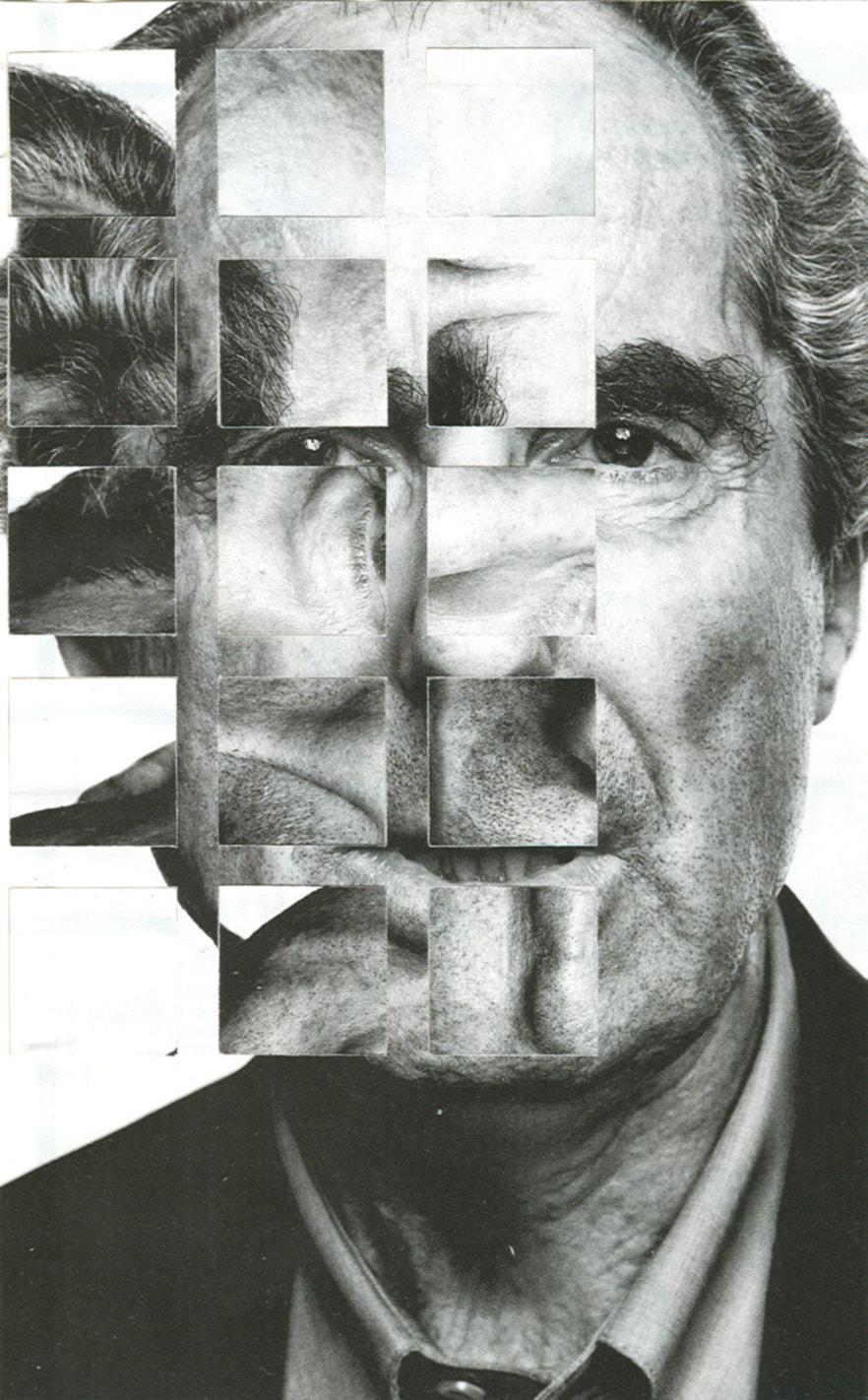
How technology transforms portrait photos into dynamic figure models
Identifying and analyzing portrait photos with AI
The technology that transforms portrait photos into vivid figure models starts with using artificial intelligence to recognize and analyze facial structure. Deep learning algorithms help identify key features such as eyes, nose, mouth, and facial proportions with high accuracy. For example, CNN (Convolutional Neural Network) models have been proven optimal for this task, with accuracy rates up to 95% according to Stanford University research (2023).
This detailed analysis allows the system to accurately reconstruct facial features, laying the foundation for building a 3D model tailored to each individual. This step is crucial to maintain authenticity when converting 2D images into vivid models.
Building 3D models and applying animation
After obtaining the analyzed 2D data, the technology uses 3D modeling software such as Blender or Maya combined with AI to create vivid figure models. Techniques like photogrammetry and neural rendering enable the creation of more detailed and realistic 3D models.
In addition, motion capture technologies or AI-driven animation are applied so that the model can move and express flexibly. This brings a lively experience, making the figure not just a display item but also interactive, suitable for modern digital content trends.
Implementation checklist for SMEs
- Assess usage needs: Determine the purpose of converting images into models (advertising, sales, customer experience).
- Choose the appropriate platform and technology: Select AI software and modeling tools that fit your budget and resources.
- Optimize input images: Use high-quality, clear images to increase processing efficiency.
- Pilot implementation: Test with a small customer group to gather feedback and make adjustments.
- Evaluate effectiveness and scale up: Monitor ROI and expand application if appropriate.
| Technology Step | Description | Typical Tools |
|---|---|---|
| 2D image analysis | Facial feature and image structure recognition | CNN, OpenCV, MediaPipe |
| 3D model building | Detailed modeling based on analyzed data | Blender, Maya, Photogrammetry |
| Apply animation | Create motion, expressions for figure models | Motion Capture, AI animation |
Takeaway: The integration of AI technology to turn portrait photos into lively figure models is an important step that helps SMEs easily access modern digital marketing. This not only enhances customer experience but also opens up many opportunities for creating more dynamic and interactive content.
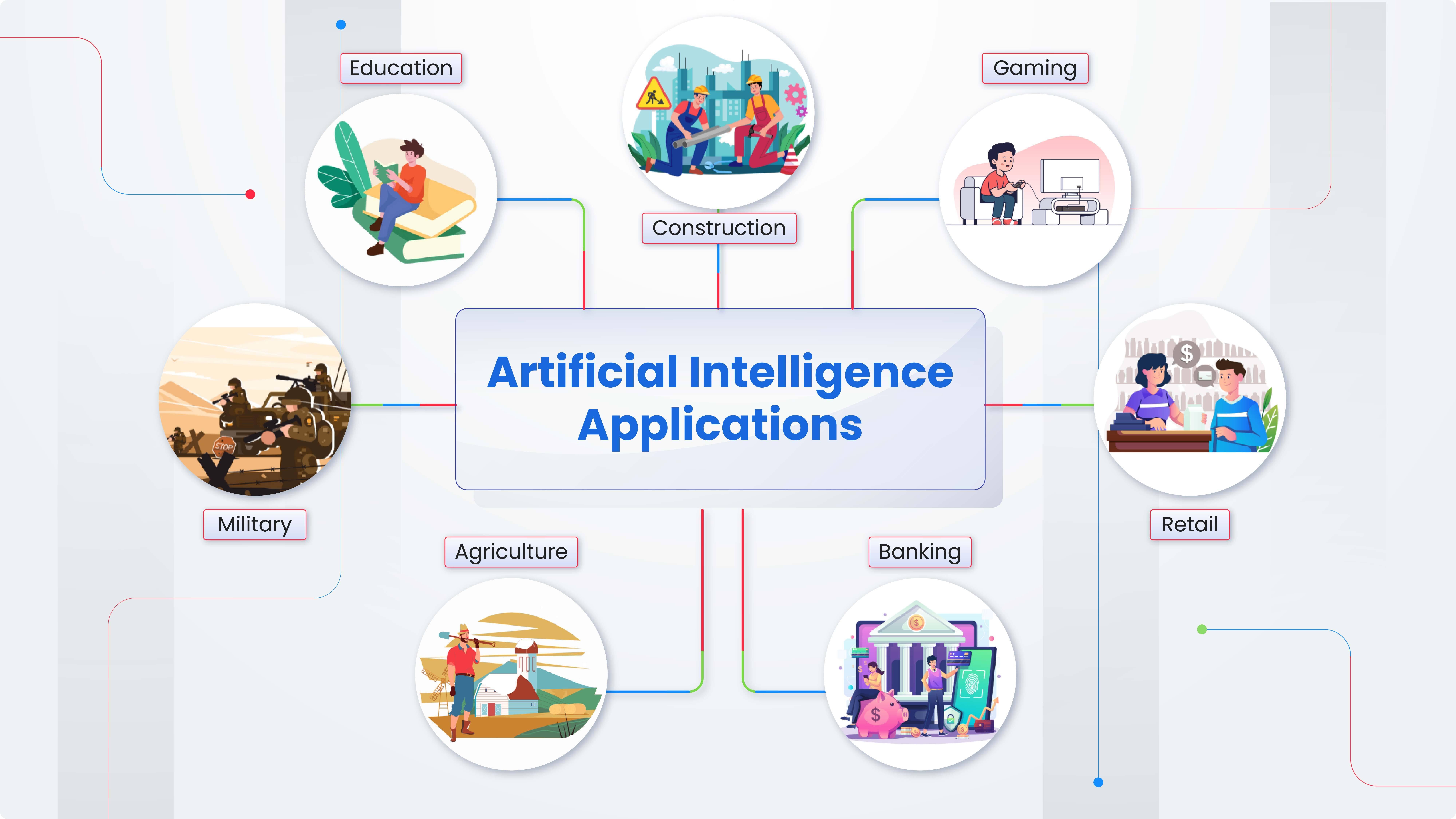
Strategic benefits of applying AI in building personal and small business brands
Enhancing personalization and interaction with customers
Ứng dụng AI giúp các thương hiệu cá nhân và doanh nghiệp nhỏ tạo ra các trải nghiệm độc đáo, cá biệt hóa dựa trên dữ liệu khách hàng. Ví dụ,theo báo cáo của McKinsey (2023),cá nhân hóa nhờ AI có thể nâng cao tỷ lệ chuyển đổi lên đến 30%. Điều này đặc biệt quan trọng với thế hệ gen Z vốn ưa chuộng sự mới mẻ và tương tác sống động, như xu hướng ”Trend AI Gen Z: Biến ảnh chân dung thành mô hình figure sống động” giúp tăng tính hấp dẫn trên các nền tảng mạng xã hội.
Saving time and optimizing marketing costs
AI automates many marketing processes such as data analysis, content management, and ad optimization, helping SMEs significantly reduce costs and manpower. According to Statista (2024), about 67% of small and medium businesses in Vietnam have saved over 25% in marketing costs after adopting AI tools. DPS.MEDIA finds that this combination not only improves campaign efficiency but also helps businesses focus on product and service development.
Checklist for applying AI to build an effective brand
- Customer analysis: Use AI to better understand user needs and behaviors.
- Content diversity: Apply AI in creating dynamic visual content and videos, such as turning portrait photos into 3D figures.
- Marketing automation: Leverage AI tools to distribute and optimize ads across multiple channels.
- Effectiveness measurement: Monitor campaign data to make timely adjustments and improve ROI.
| Benefit | Description | Illustrative data |
|---|---|---|
| Personalization | Create customized experiences for each customer | Increase conversion rate by 30% (McKinsey, 2023) |
| Cost savings | Automate marketing processes | Reduce marketing costs by 25% (Statista, 2024) |
| Enhance interaction | Use vivid, engaging graphic images | Increase interaction rate by 40% on social networks (DPS.MEDIA) |
Takeaway: AI applications not only help small businesses differentiate themselves but also optimize costs and customer experience. Especially, the trend of transforming portrait images into dynamic models opens new doors for creative marketing strategies, contributing to enhancing brand value effectively and sustainably.

Optimizing user experience with 3D images in digital marketing campaigns
AI trends and 3D images in modern marketing
In the context of rapidly developing AI technology, transforming portrait photos into dynamic figure models is creating the latest craze, especially attracting Gen Z. According to Statista (2023), 68% of young users love interactive and 3D image content in the digital environment. SMEs in Vietnam can leverage this trend to create unique experiences, increase engagement, and maintain customer attention on social media platforms.
How to apply 3D images in digital marketing campaigns
DPS.MEDIA has implemented many consulting projects, helping SMEs integrate 3D images with AI technology to personalize content and increase conversion rates. Using 3D portrait models is not only visually appealing but also helps customers feel closer, increasing trust in the brand. Moreover, current 3D modeling tools support optimal costs, making this solution suitable for the budgets of small and medium-sized businesses.
Checklist for implementing 3D images in campaigns
- Assess technical capabilities and internal resources to prepare for 3D technology integration.
- Choose social media platforms suitable for the Gen Z target customer group.
- Use AI tools to support the creation of high-quality, fast 3D portrait models.
- Create content that tightly links 3D images with brand messages.
- Regularly collect feedback, measure effectiveness, and adjust campaigns promptly.
| Advantages | Challenges | Practical solutions |
|---|---|---|
| Increase engagement by up to 45% (source: HubSpot, 2023) | Initial production costs are higher than traditional images | Take advantage of cheap and easy-to-use AI modeling software |
| Deep personalization, impress Gen Z | Requires high technology and creativity skills | Cooperate with professional consulting units such as DPS.MEDIA |
| Suitable for multi-platform social networks and websites | Requires continuous updates on new AI trends | Train personnel and establish update procedures |
Takeaway: The application of 3D AI images in marketing not only enhances user experience but also helps SMEs catch up with digitalization trends and increase competitiveness. With support from professional solutions and well-structured implementation processes, this is truly an effective strategic direction for the Vietnamese market today.

Challenges and ways to control content quality when using AI to create figure models
Main challenges when using AI to create figure models
The application of AI in creating figure models from portrait photos helps optimize time and diversify image products. However, SMEs often face challenges regarding the accuracy of facial details and model proportions that do not match reality, affecting aesthetics and user experience. According to a Gartner survey, 45% of businesses acknowledge that lack of quality control is the main cause of errors in AI-generated digital products.
Additionally, over-reliance on suboptimal training data samples also leads to figure models being prone to errors in skin tone, lighting, or unnatural perspectives. This requires digital marketers to closely monitor and continuously update new algorithms to ensure content quality.
Quality control strategies with DPS.MEDIA
Based on consulting experience and implementing many digital marketing projects in Vietnam, DPS.MEDIA proposes a three-step AI content quality control process: input data review, model evaluation according to technical standards, and real-world testing with target user groups. The use of automatic image comparison tools also helps promptly detect anomalies and ensure the final product meets standards.
A note from DPS.MEDIA is to design detailed checklists for each product, while maintaining close coordination between creative and technical teams to promptly adjust when AI encounters issues. This helps minimize errors and strengthen brand credibility in a competitive market.
Checklist for quality control of AI-generated figure models
- Ensure input data is clean, diverse, and representative of the target audience.
- Check the ratio and aspect ratio of the figure model compared to the original image.
- Review details of lighting, skin tone, and sharpness of the model.
- Compare results with standard samples or previously accepted figure models.
- Test the product on a small target group to obtain authentic feedback.
- Continuously update and fine-tune algorithms based on real-world feedback data.
| Control factor | Description | Standards |
|---|---|---|
| Input data | Diversity, resolution, and representativeness | Diversity >= 95%, resolution > 1080p |
| Model ratio | Proportional and harmonious with the original image | Ratio deviation |
| Color and lighting details | Realistic, not color-shifted | Color deviation |
Takeaway: Quality control of content when using AI to generate figure models is not only based on algorithms but also depends on management processes and practical evaluation. For SMEs wanting to leverage the Gen Z AI trend, applying scientific checklists and strict supervision will help maximize efficiency and minimize the risk of failure in marketing campaigns.

Advice on implementing suitable AI solutions for SMEs in the new era
Clearly understand the needs and current capabilities of the business
To implement effective AI solutions, SMEs need to accurately assess actual needs and current operational capabilities. This helps avoid wasting resources on technologies that are not yet suitable or do not deliver high efficiency. According to McKinsey (2023), only about 23% of small businesses successfully apply AI thanks to thorough initial internal needs assessment.
At this stage, businesses should analyze bottlenecks in business or marketing processes to accurately identify the problems that need to be solved by AI. As a result, the application of new technology will bring long-term value and can be expanded in the future.
Choose the right AI platform and optimize investment budget
Not all AI solutions are suitable for SMEs, especially when investment budgets and manpower are limited. Businesses should prioritize AI platforms with reasonable costs, easy integration with existing systems, and clear technical support. According to a Deloitte survey (2023), 67% of SMEs successful in AI implementation chose highly customizable and easy-to-deploy solutions.
At the same time, businesses need to optimize investment costs by starting with small projects and clarifying ROI before scaling up. The benefits of AI are not only increased productivity but also help businesses enhance customer experience, something traditional technologies find hard to achieve.
Checklist for effective AI solution deployment for SMEs
- Specifically assess the problems to be solved by AI in the business
- Choose an AI platform suitable for technical capabilities and budget
- Pilot the solution on a small scale, measure effectiveness clearly
- Train staff to master the technology and optimize operational processes
- Continuously collect feedback and adjust the solution according to actual needs
| Stage | Main content | Benefit |
|---|---|---|
| Needs assessment | Identify the AI problem to be solved | Choose the right solution, avoid waste |
| Platform selection | Choose technology suitable for budget and technical requirements | Ensure operational capability and scalability |
| Thử nghiệm & triển khai | Deploy on a small scale, measure effectiveness | Optimize ROI, reduce investment risks |
Takeaway
The application of AI in SMEs requires a methodical plan, starting from correctly understanding needs to selecting the right platform and measuring specific effectiveness. With the support of professional consultants like DPS.MEDIA, businesses can successfully implement suitable AI solutions, enhance competitiveness, and meet development expectations in the digital age.

Predicting development trends and AI applications in the future of digital marketing
Gen Z AI trend: Turn portrait photos into vivid figure models
The trend of using AI technology to turn portrait photos into vivid 3D models is increasingly attracting attention, especially among Gen Z audiences. According to Wyzowl's report (2023), 67% of young users prefer to interact with highly personalized and creative digital content. This is a great opportunity for brands to apply AI to create new interactive experiences, thereby increasing engagement and brand recognition.
In Vietnam, SMEs can leverage this technology in digital marketing campaigns such as product advertising, customer experience via livestream or online events, helping to personalize each view. DPS.MEDIA is focusing on consulting and developing creative AI-integrated solutions to effectively exploit this potential in a way that suits the capabilities of small and medium-sized businesses.
Steps to implement AI to create vivid figure models in marketing
- Survey the needs and technology usage habits of the target customer group.
- Choose a suitable AI platform (such as 3D generation AI, animation, or advanced image processing AI).
- Design interactive experience scenarios that are engaging and valuable.
- Continuously test and optimize based on user feedback.
- Integrate multi-channel communication to expand reach.
Practical applications and benefits in digital marketing strategies
| Application of AI to create vivid figures | Benefit |
|---|---|
| Create personalized advertising videos | Increase conversion rates thanks to immersive virtual reality experiences |
| Direct interactive experiences on social networks | Enhance attractiveness, help content spread easily |
| Livestream with 3D brand representative model | Optimize costs, create a unique impression |
Takeaway: Gen Z AI trend with the ability to turn portrait photos into vivid figure models, not only elevates user experience but also opens up countless creative opportunities in digital marketing.. SMEs need to proactively and flexibly apply this technology to increase interaction and competitiveness in the ever-growing digital market.
Sharing from personal experience
Artificial intelligence helps Gen Z turn portrait photos into vivid and unique figure models. This trend opens up unlimited creative possibilities.
Try out AI applications now to create your own unique models. Don’t hesitate to explore and express your personality through each photo.
You can learn more about AI in personal marketing and digital brand building. This topic is very practical for SMEs wanting to connect with young customers.
DPS.MEDIA always accompanies you on your creative digital transformation journey. Please share your opinions and experiences by leaving a comment below!