


Executive Summary
The report “Vietnam Wellness Tourism & Spa Market 2026” by DPS Media indicates that: Vietnam has officially risen to become the “Healing Capital” of Southeast Asia. The scale of the national Wellness economy is estimated to reach 25 billion USD, in which Healing Tourism (Wellness Tourism) contributes up to 40%.
2026 marks the rise of the “Prevent Disease Rather Than Cure” trend (Preventive Health). Customers are willing to pay thousands of USD for detox treatments (Detox), meditation retreats (Meditation Retreats), and non-invasive aesthetics (Non-invasive Beauty) to regain body-mind-spirit balance.
Part 1: Market Context & PESTLE Analysis
1.1. Society – Urbanization Pressure
The rate of anxiety and stress disorders in major cities like Ho Chi Minh City and Hanoi is at an alarming level. This drives the demand for “urban sanctuaries” right in the heart of the city. Spas are no longer just for beauty; they are mental healing hubs (Mental Healing Hub).
1.2. Economy – Wealth of the Silver Generation (Silver Economy)
The affluent elderly class (over 60 years old) is growing rapidly. They have abundant finances and time, but lack health. This is the VIP customer group for hot spring resorts (Onsen Resort) and stem cell therapy centers.
1.3. Technology – Digital Detox
Technology paradox: The more technology develops, the more people crave to “disconnect”. “No-Wifi, No-Smartphone” retreat packages are selling the fastest in Phu Quoc and Con Dao.
Part 2: The Explosion of Healing Tourism
2.1. Vietnam – Global Wellness Destination
If Thailand is famous for cheap massages, Singapore for modern healthcare, then Vietnam positions itself as the destination for “Meditation and Herbal Medicine”. 5-star resorts in Hoi An and Nha Trang now all have their own herbal gardens and resident Yoga Gurus.
2.2. Revenue Hits 25 Billion USD
According to forecasts, by 2030, revenue from Wellness Tourism will surpass revenue from traditional beach tourism.
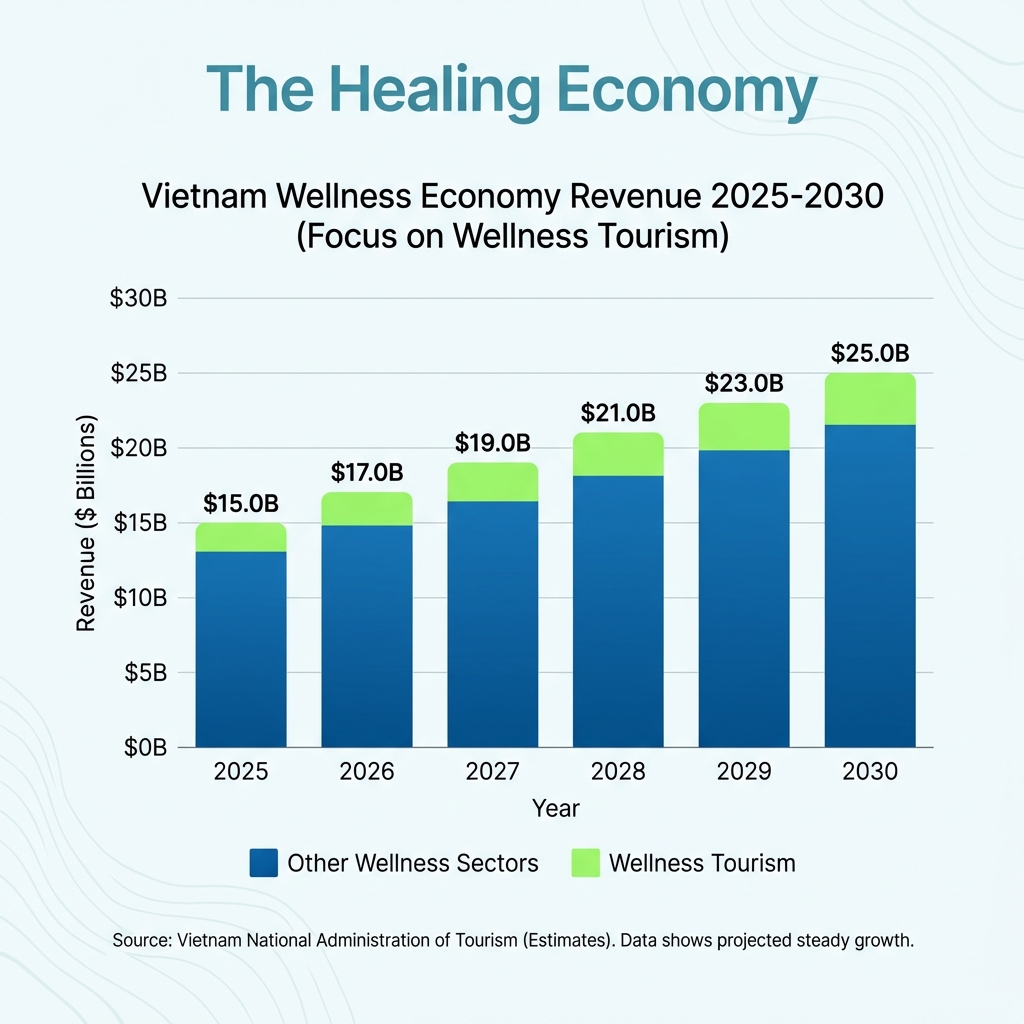
Figure 1: Chart forecasting the miraculous growth of Vietnam's Wellness economy.
Part 3: Customer Lifecycle – Wellness Customer Lifecycle
3.1. From Stress to Happiness
A Wellness customer's journey does not start with a purchase, but with a pain point: Stress.
- Trigger (Activation): Insomnia, neck and shoulder pain from sitting at the computer.
- Search (Search): Search for solutions on Google/TikTok.
- Consultation (Consultation): Chat with experts, skin analysis, stress index measurement.
- Treatment (Treatment): Experience 60-90 minute services.
- Maintenance (Maintenance): Buy a membership card to return weekly.

Figure 2: The closed loop cycle turns a stressed customer into a happy brand ambassador.
Part 4: Non-Invasive Aesthetics – Beauty Without Surgery
4.1. High-Tech Beauty Era
Women in 2026 fear pain and complications. They turn away from traditional cosmetic surgery (scalpel) to high-tech options like Hifu, Thermage, Ultherapy, and Filler/Botox injections. Advantages: Beautiful immediately, no downtime (No Downtime).
4.2. Speaking Data
Demand for rejuvenation injection treatments has increased 300% compared to 2022, while demand for rhinoplasty/blepharoplasty surgery has stagnated.
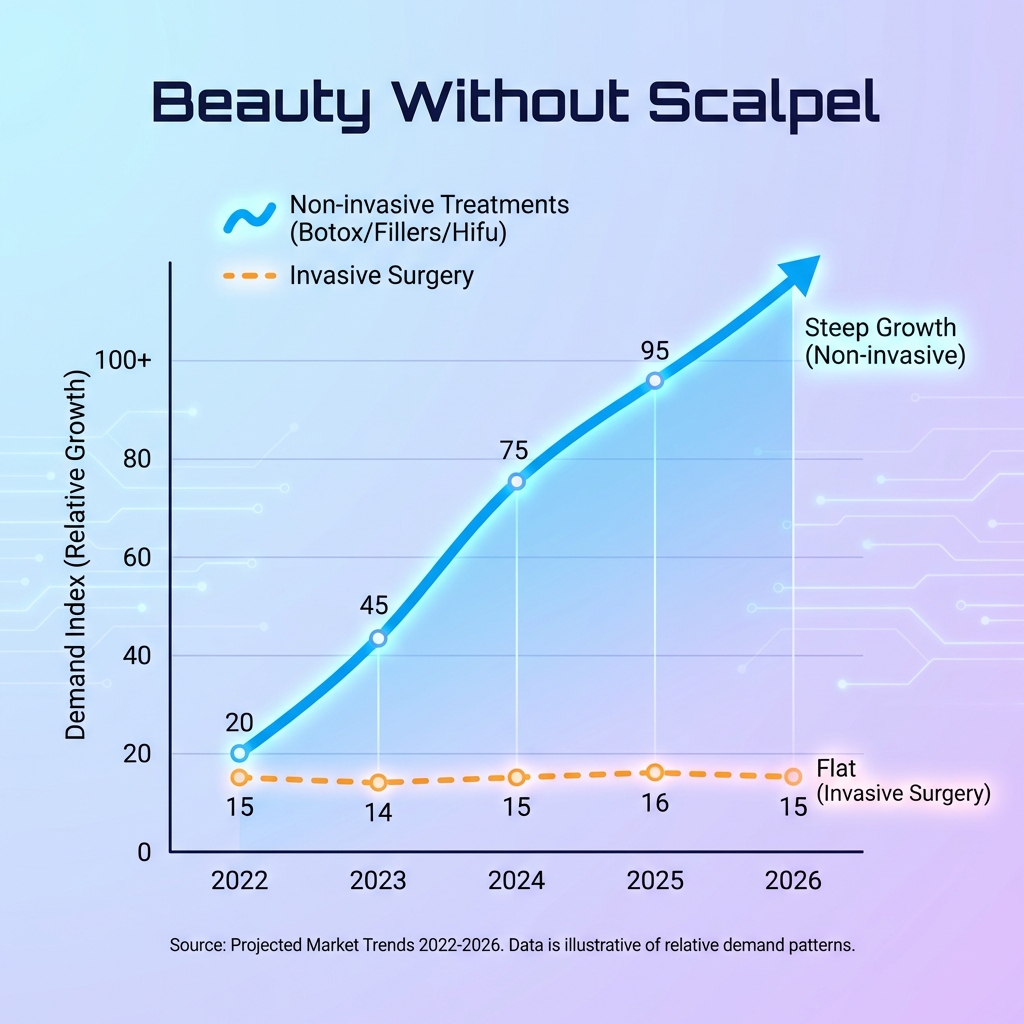
Figure 3: Steep growth curve of the non-invasive aesthetics market.
Part 5: 2030 Forecast
5.1. Corporate Wellness (Corporate Health)
Wellness will become a mandatory benefit at large corporations. Employees will receive a monthly budget for Spa visits, Yoga classes instead of just periodic health check-ups.
5.2. Mental Wellness Apps
Spas will integrate mental health tracking Apps for customers. After treatments, the App will remind customers to drink water, breathe, and listen to healing frequency music at home.
Conclusion
The Spa & Wellness industry in 2026 does not sell massage services, they sell “Peace”. In a volatile world (VUCA), the business that helps customers regain inner balance will hold the key to eternal loyalty.
(In-depth Wellness Market Report – DPS Media Research Team Jan 2026)
References
- Global Wellness Institute (GWI). (2025). The Global Wellness Economy Monitor.
- Vietnam National Administration of Tourism. (2026). Medical & Wellness Tourism Statistics.
- McKinsey & Company. (2026). Future of Wellness Survey – Vietnam Edition.
- Mintel. (2025). Spa and Beauty Salon Trends in SEA.
- Booking.com. (2026). Travel Predictions: The Rise of Sanctuaries.