



In today's business world, an attractive, easy-to-use company capability profile design is not only a marketing tool but also a decisive factor in successfully impressing customers and partners. Anyone interacting with a company wants to find clear, coherent, and engaging information. The capability profile is the bridge between what the company can offer and the actual needs of customers.
According to statistics from a recent study, up to 70% of customers decide to choose a company based on the presentation of its capability profile This shows that, besides the quality of services or products, visual factors and ease of information access also contribute significantly to customers' decisions. A professional design template not only helps the company convey its message effectively but also demonstrates the style and core values of the business.
it is undeniable that a well-designed capability profile can make a big difference in the minds of consumers. If what we possess can make others feel interested, surely the competition between companies will be taken to a new level. The attention that a beautiful capability profile brings not only helps attract partners but also has the potential to turn them into loyal customers. Therefore, in this article, I will explore more deeply the value of designing a beautiful and user-friendly capability profile. Together, we will look at not only the obvious benefits but also the hidden aspects that a sophisticated capability profile can bring to a business.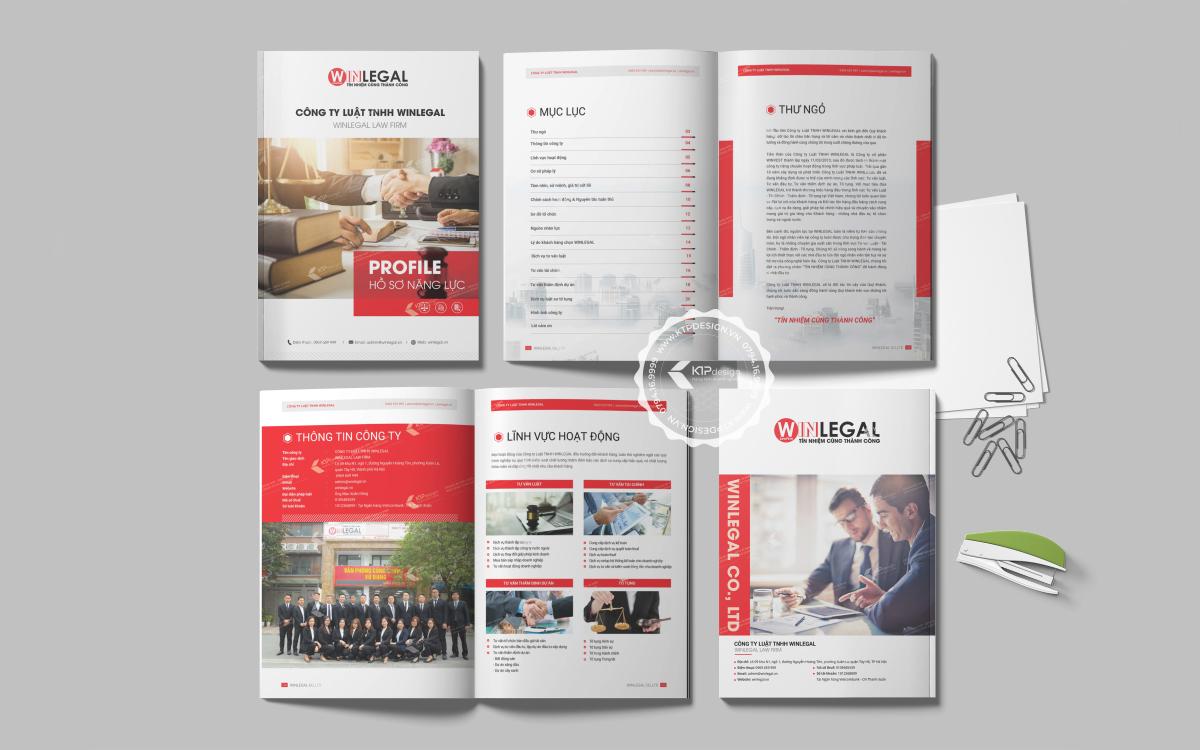
Overview of capability profiles and their importance in business
Definition and role of capability profiles in business development
As a designer with over 10 years of experience at DPS, tôi nhận thấy hồ sơ năng lực đóng vai trò như một ”đại sứ thương hiệu” – công cụ marketing hiệu quả giúp doanh nghiệp trình bày tổng thể về năng lực, kinh nghiệm và giá trị cốt lõi. Theo nghiên cứu của Harvard Business Review, 78% of potential customers will learn about a company through its capability profile before deciding to cooperate. This shows the importance of a professional profile in making a first impression and building trust with partners.
Key elements required in a capability profile
An effective capability profile should include the following core elements:
- Company information: History of formation, vision, mission
- Core competencies: Products/services, technology, processes
- Portfolio: Typical projects, successful case studies
- Chứng nhận & Giải thưởng: proof of credibility and quality
| Factors | Impact |
|---|---|
| Professional design | Increase customer attraction by 65% |
| Distinctive content | Increase conversion rate by 45% |
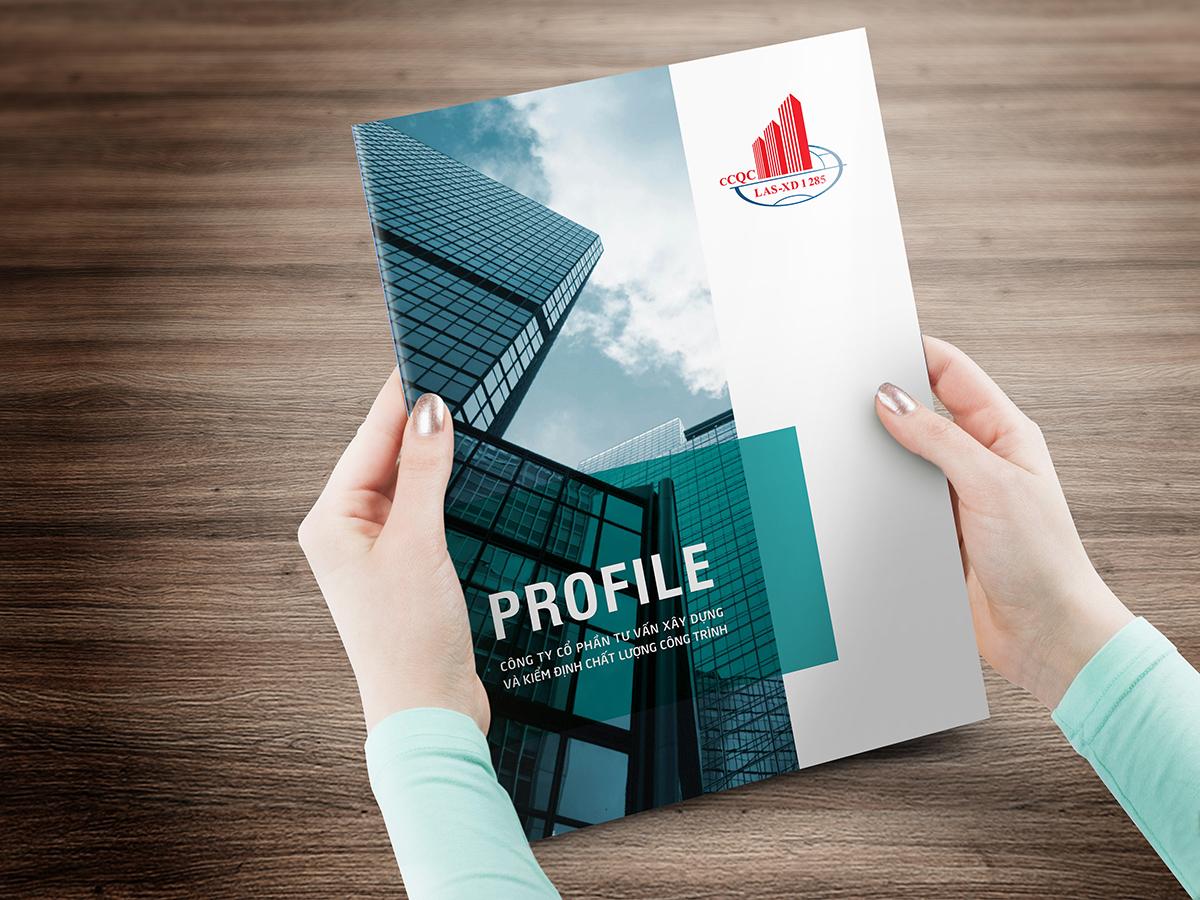
Essential design elements in a professional capability profile
Basic design principles that create professionalism
From my experience designing over 500 company profiles for businesses, I have noticed several important design factors that need attention. Clear layout with reasonable whitespace giúp nội dung dễ đọc và tạo điểm nhấn. Theo nghiên cứu của TS. David Carson trong cuốn “The End of Print”, việc sử dụng grid system có tổ chức giúp tăng 40% khả năng tiếp nhận thông tin của người đọc.
Color and imagery elements in profile design
- Main colors suitable for brand identity
- High-quality images reflecting industry characteristics
- Visual infographics to present data and processes
- Clear, easy-to-read typography with a maximum of 2-3 fonts
Smart layout structure for visual impact
| Position | Content |
|---|---|
| Cover page | Impressive logo + images |
| First page | General introduction |
| Inner pages | Typical projects |
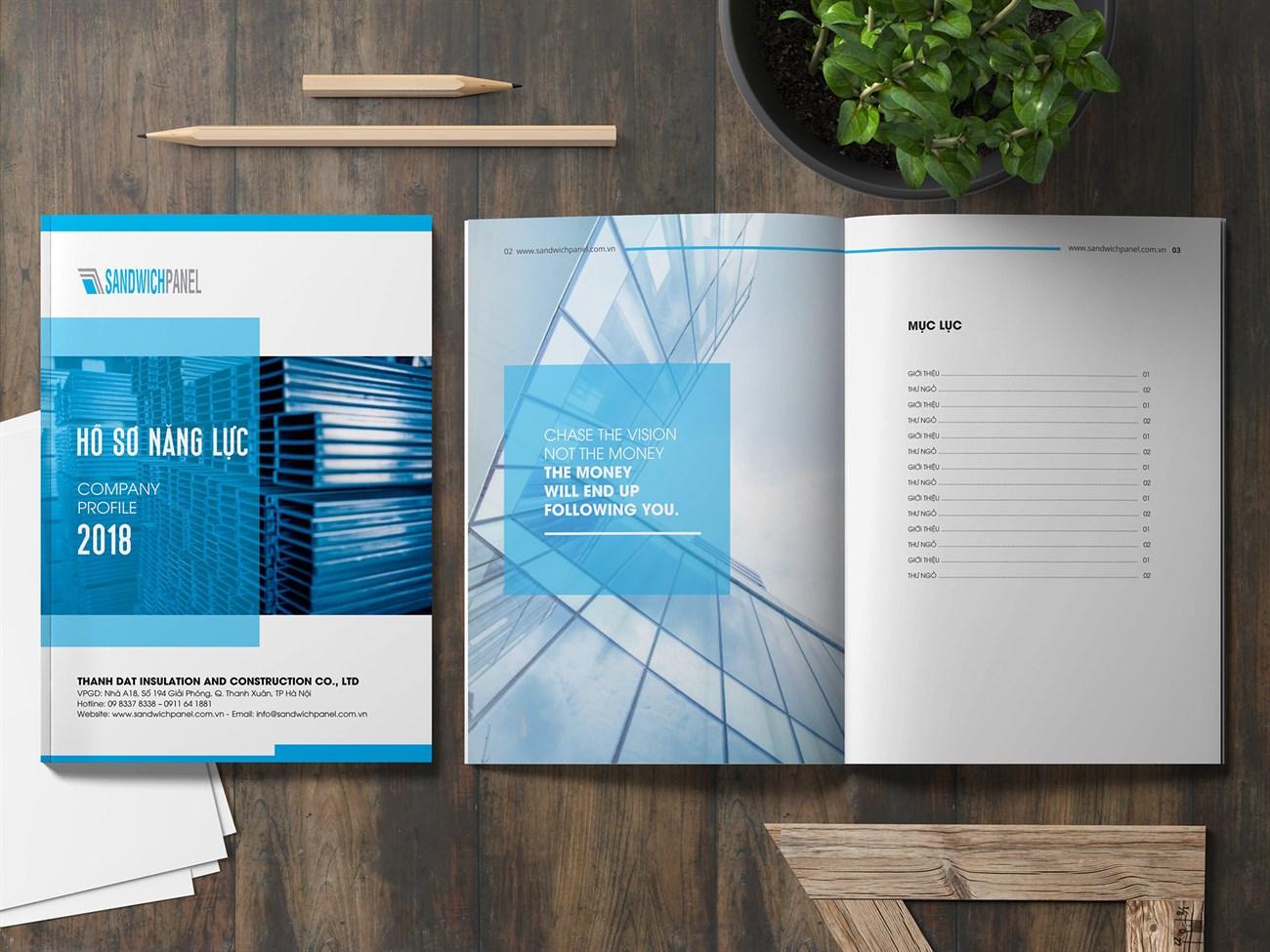
Structure and layout of an effective capability profile template
Core elements of a professional capability profile
With over 10 years of experience designing company profiles at DPS, I have found that an effective layout must ensure logic and coherence in presenting information.Key components need to be prioritized in the following order, including:
- Impressive cover page with company logo and slogan
- Overview information about history, vision, and mission
- Organizational structure and key personnel team
- Core competencies and competitive advantages
- Portfolio of typical projects and clients
Content allocation according to the golden ratio
| Content section | Ratio (%) |
|---|---|
| General introduction | 20 |
| Capabilities and services | 35 |
| Projects and referrals | 30 |
| Contact information | 15 |
Theo nghiên cứu của Viện Thiết kế Đồ họa Quốc tế (IGDI), một hồ sơ năng lực cần tuân thủ nguyên tắc “tỷ lệ vàng” trong phân bổ nội dung để tạo sự cân bằng và thu hút. This ratio helps readers easily grasp important information without being overwhelmed by too many unnecessary details.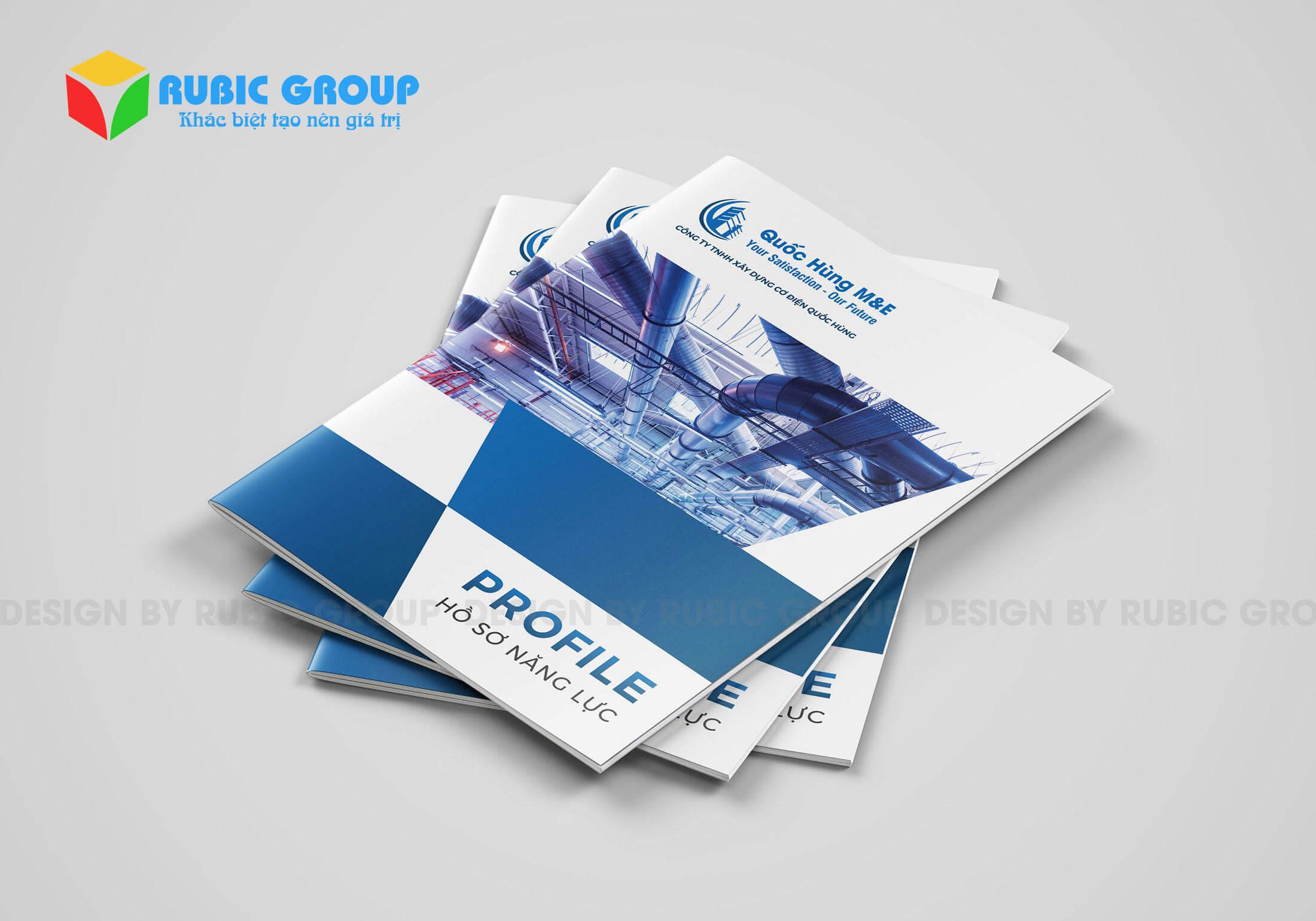
Combining colors and images in capability profile design
Effective color coordination principles in capability profiles
As a designer at DPS, I always focus on creating color harmony in every capability profile. According to research by the Pantone Color Institute, 60% of decisions to reject or accept a product/service are based on color.. We often apply the 60-30-10 color scheme principle, in which:
- 60% is the primary color – usually a neutral color such as gray or white
- 30% là màu thứ cấp – màu brand của doanh nghiệp
- 10% là màu nhấn – tạo điểm nhấn cho các call-to-action
Optimizing images for professional design
In a recent case study for a client in the construction industry, we applied wide-angle photography techniques combined with drones to create impressive project images. According to a Nielsen survey, Capability profiles with high-quality images receive 94% more attention compared to profiles with only text.. Image processing must comply with the following standards:
| Criteria | Technical specifications |
|---|---|
| Resolution | Minimum 300 DPI |
| Format | JPG or PNG |
| Compression ratio | 70-80% |

Tools and software supporting capability profile design
Choosing professional design tools
With many years of experience in the design field at DPS, I realize that choosing the right tool plays a decisive role in the quality of capability profiles. Software such as Adobe InDesign, Canva Pro and Affinity Publisher are top choices with diverse templates and professional features. According to a 2023 survey by Creative Bloq, over 78% of professional designers prioritize using InDesign for large-scale capability profile projects.
Optimizing workflow with modern technology
- Adobe Creative Cloud: Synchronize design files across multiple platforms
- Figma: Fast interface and prototype design
- Microsoft Office: Professional text and data processing
- Dropbox business: Secure file storage and sharing
| Software | Main advantages | Price/month |
|---|---|---|
| Adobe InDesign | Professional template | $20.99 |
| Canva Pro | Easy to use | $12.99 |
| Affinity Publisher | Affordable price | ₫1,549,000 (lifetime) |
Sharing from DPS's real-world experience
Thus, an impressive company profile is not only the face of the business but also an effective marketing tool for attracting potential customers and partners..Investing time and effort to create a professional profile will bring long-term value to your company.
Start applying the design principles and key elements we've shared to build your own company profile. Don't hesitate to experiment with different styles and adjust them to fit your company's brand positioning. In addition to the main points mentioned, you can explore the latest design trends, study profiles of leading companies in the industry, or consult with design experts to further perfect your profile.
We look forward to hearing your opinions and experiences in designing company profiles. Please share the challenges you have faced as well as the creative solutions you have applied in the comments below. Together, we can create more impressive and effective profiles.