

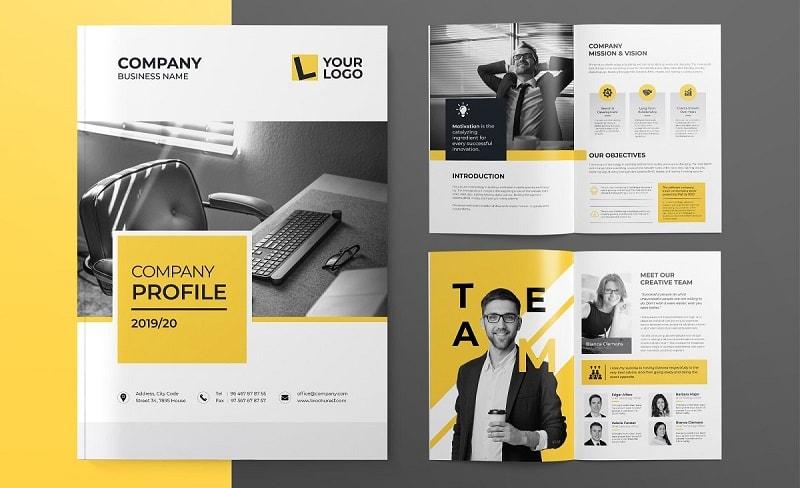

In the modern design world, design portfolio template is not just a simple introduction document, but also a powerful tool that helps designers assert their identity and personal style. The combination of professionalism and creativity in a portfolio not only reflects skills but is also an important indicator of the ability to meet client needs.
Nowadays, with the rapid development of technology, owning an impressive portfolio has become more necessary than ever. According to statistics from a recent survey, nearly 75% of employers said they were impressed with beautifully and creatively designed portfolios. This shows that, a high-quality portfolio not only helps designers stand out from the crowd but also creates a strong impression on clients.
Why do we need to pay attention to creating an effective portfolio template? In an increasingly competitive environment, A portfolio not only needs to clearly present projects and skills but also must showcase the individual's design style..This not only demonstrates professionalism but also opens up opportunities for new and unique ideas, helping the designer leave a personal mark in the industry.
In this article, I will analyze with you the important factors that make up a professional and creative portfolio, from presentation format to content ideas. I hope that through my sharing, you will find the best way to affirm your own design value, thereby opening up more opportunities in your career.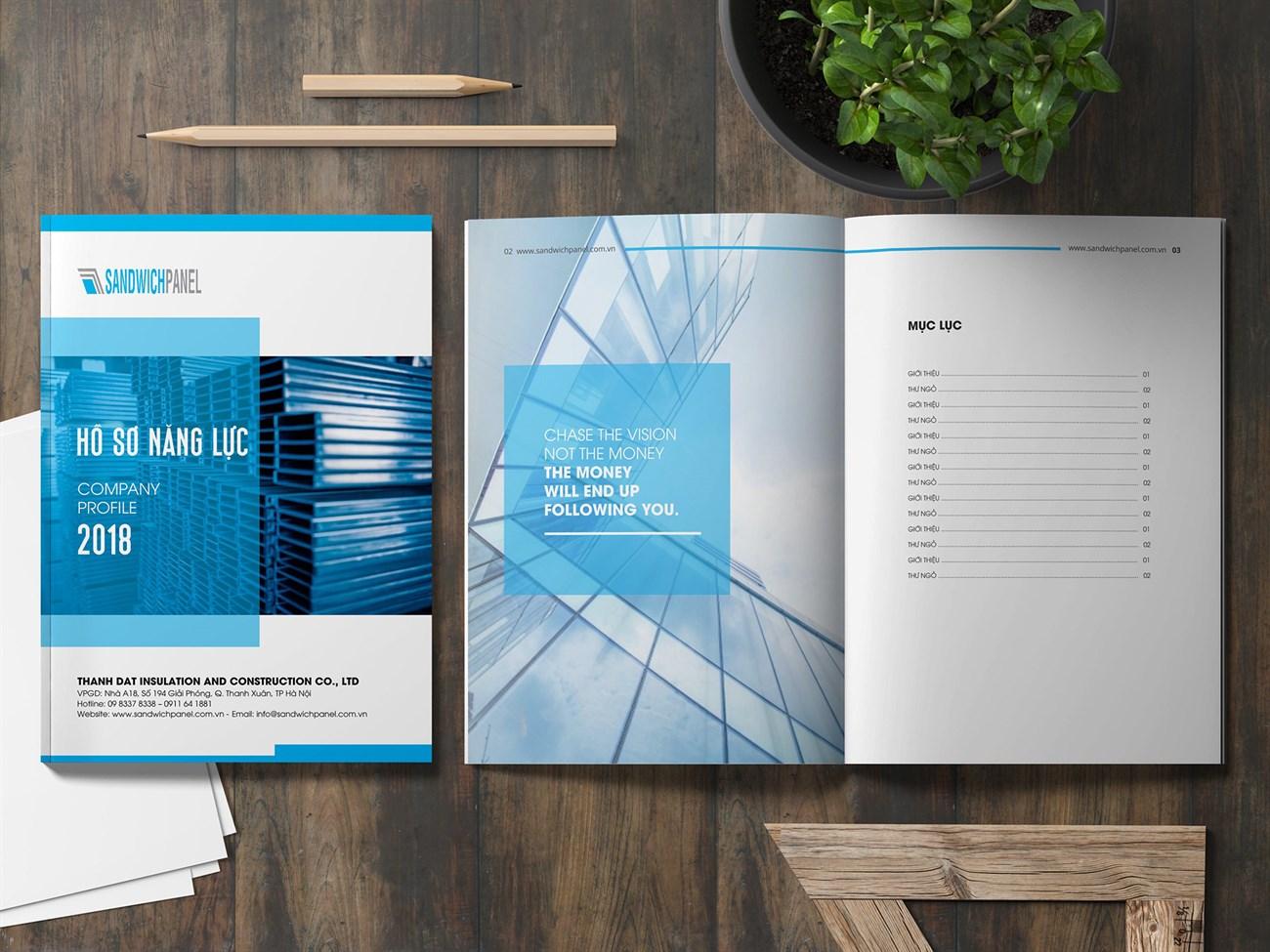
Overview of portfolios in the design industry
The role of portfolios in the creative design field
A portfolio in the design industry is not simply a collection of completed projects, but also an independent work of art that expresses the designer's unique style and identity. Through 8 years of working at DPS, I have found that a professional portfolio needs to tell the story of the creative process, from the initial idea to the final product. According to Behance's 2023 research, 78% of clients decide to choose a design partner based on their first impression of the portfolio.
- Demonstrates a clear design direction and personal style
- Provides clear evidence of professional skills and experience
- Presented with aesthetics and creativity
- Meets the needs and expectations of clients
| Factors | Importance |
|---|---|
| Presentation layout | 35% |
| project quality | 40% |
| Consistency | 25% |
Key elements that make up a professional design portfolio
Core elements in a professional design portfolio
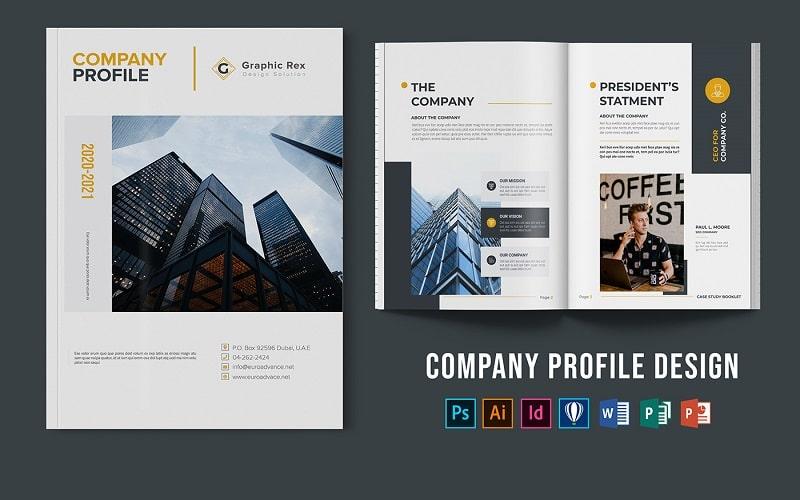
With over 10 years of experience at DPS, I have found that an outstanding design portfolio needs to gather the following key elements:
- Logical and coherent structure – Sắp xếp dự án theo trình tự phù hợp, từ ý tưởng đến thành phẩm
- Consistency in design – Duy trì ngôn ngữ thiết kế và bản sắc nhất quán xuyên suốt
- Practical application – Chú trọng giải pháp thiết kế đáp ứng nhu cầu thực tế của khách hàng
- Unique creativity – Thể hiện cá tính và góc nhìn riêng qua từng dự án
| Factors | Evaluation weight |
|---|---|
| Product quality | 40% |
| Working process | 30% |
| Creativity | 20% |
| Presentation | 10% |
According to research by the American Institute of Graphic Arts (AIGA), 78% of employers highly value portfolios that demonstrate problem-solving thinking and a professional workflow. At DPS, we always encourage designers to present detailed insights, strategies, and project implementation steps, instead of simply showing the final result.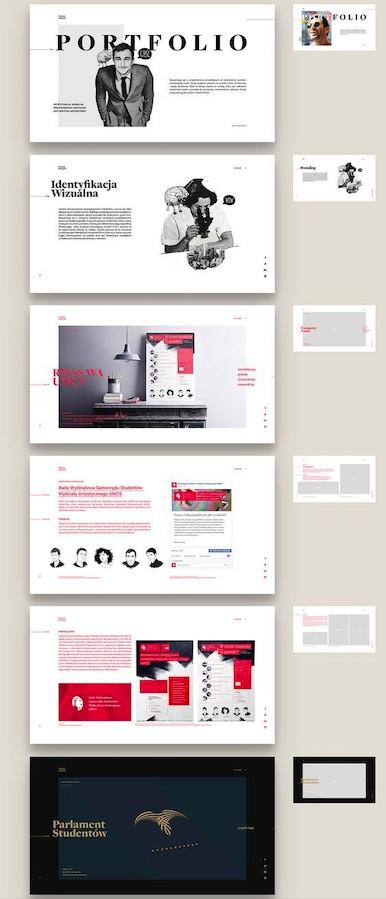
Presenting a unique and attractive design portfolio
Creativity and appeal in every detail
An impressive design portfolio needs to showcase the designer's unique personality and creativity through layout organization, color coordination, and content presentation. According to research by Design Week magazine,93% of potential clients consider the portfolio the most important factor when choosing a designer. At DPS, we always focus on building unique portfolios with flexible grid system layouts, modern typography, and color schemes that accurately reflect brand identity.
- Use subtle motion and interactive effects
- Optimize viewing experience across multiple platforms
- Arrange projects by timeline or logical categories
- Integrate detailed case studies for each project
| Key factors | Priority level |
|---|---|
| Visual Impact | Highest |
| UX/UI Design | Very high |
| Content Quality | Cao |
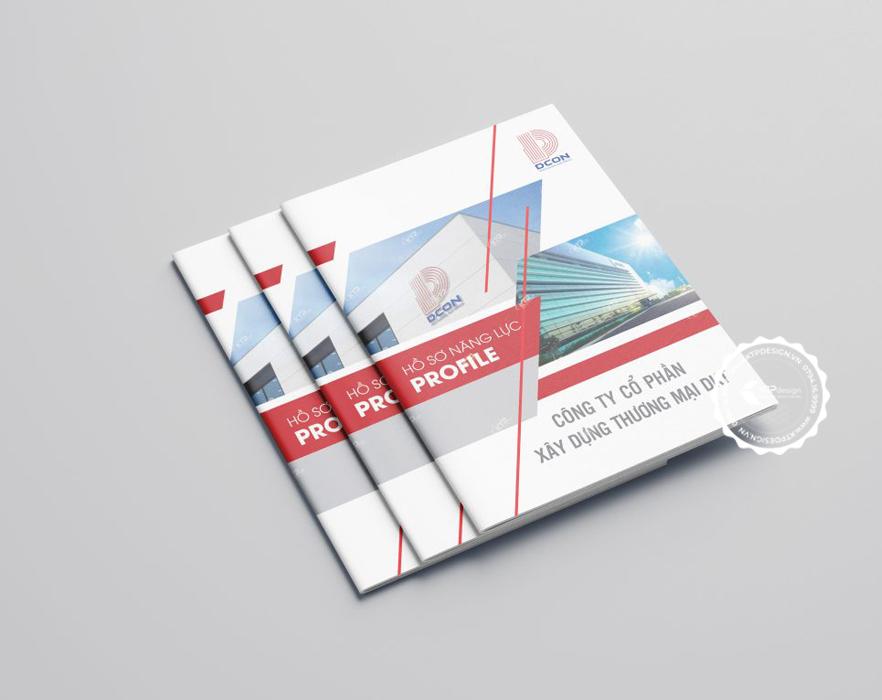
Harmonious combination of aesthetics and information in the portfolio
The art of arranging information and images scientifically
During the process of designing a capability profile, balancing aesthetics and information is a significant challenge. According to research by the International Graphic Design Institute (IGDI), 83% of clients decide to cooperate based on their first impression of the portfolio. Tại DPS, chúng tôi áp dụng nguyên tắc “Golden Ratio” trong bố cục, combined with a visual storytelling approach to create highly aesthetic portfolio pages while still ensuring the delivery of all important information..
- Use smart white space to create reading rhythm
- Apply a flexible module grid system for content
- Optimize image/text ratio according to industry
- Establish a color system suitable for brand positioning
| Design factor | Priority level |
|---|---|
| Typography | Cao |
| Illustrative images | Average |
| Infographic | Cao |

Personal branding strategies through design portfolios
Building a unique and consistent design identity
After many years working at DPS, I realize that building a personal image in a portfolio is not simply a collection of completed projects. According to research by Nielsen Norman Group, 90% of employers highly value portfolios that demonstrate consistent design style. This requires designers to have a clear strategy in selecting and presenting projects, from color, layout to typography. Some key factors to focus on:
- Clearly identify strengths and personal development orientation
- Select the most outstanding projects that reflect core competencies
- Establish a consistent personal brand identity system
- Tell the design story logically and attractively
| Factors | Impact |
|---|---|
| Consistency in style | Increase memorability by 65% |
| Effective storytelling | Increase contact rate by 35% |
Sharing from DPS's real-life experience
An impressive design portfolio is not only a professional business card but also a bridge that brings you closer to future career opportunities. Take the time to refine every detail and continuously update your portfolio.
Don’t hesitate to experiment with new and unconventional presentation ideas. The important thing is that your portfolio must accurately reflect your personality, style, and capabilities.
In addition to the above instructions, you can also refer to resources on contemporary design trends, study the portfolios of famous designers, or join design communities to learn many useful things.
The journey to building a perfect portfolio is a process of continuous learning and improvement. Be patient and trust in your own creativity. We look forward to hearing your experiences in building your portfolio. Please leave a comment below about the difficulties you have encountered as well as the useful tips you have successfully applied!