

Executive Summary
Stepping into 2026, the F&B chain market (Cafe & Tea) in Vietnam is valued at 2 billion USD, but the game rules have completely changed. No longer a battle over “beautiful views” or “strong WiFi”, the current battlefield is compact in customers' smartphones: Member App Battle (Loyalty Apps).
This report analyzes the clear polarization: Highlands Coffee still holds the throne with a network of 1000+ stores, while the “orange storm” Mixue closely pursues with a super-fast franchising model. Alongside, the “Digital Third Place” trend (third space in digital space) is reshaping how brands make money from loyal customers.
Part 1: Market Context & PESTLE Analysis
1.1. Social – Evolution of “The Third Place”
The concept of “Third Home” (where people go after home and office) still exists but has changed in nature. Gen Z goes to cafes not just to drink, they go to “Work from Cafe” (WFC) and create content. This forces chains to optimize design: Power outlets everywhere, ergonomic chairs, and studio-standard lighting.
1.2. Technology – Cashless Society
In 2026, 95% of transactions at major chains are cashless. Integrating “one-tap payment” right on the brand's App increases service speed by 3 times and reduces cart abandonment rate.
1.3. Economic – Rental Pressure
Rental prices in central districts of Ho Chi Minh City and Hanoi increase 15% compared to 2024. Compact Kiosk models (under 20m2) and tech-carts are being tested by giants like Phuc Long and Katinat to infiltrate office buildings.
| Brand | Number of Stores (Est. 2026) | Core Strategy |
|---|---|---|
| Highlands Coffee | 2000+ | Affordable Premium + Prime Locations. |
| Mixue | 1800+ | Unbeatable Low Prices + Aggressive Franchising. |
| Phuc Long | 800+ | Rich-tasting Tea Quality + Integrated Kiosk. |
Part 2: Race for Number of Outlets
2.1. Highlands Coffee – King Holding the Throne
With strong financial backing, Highlands continues to expand to tier-2 and tier-3 provinces. The “Go into every alley, knock on every apartment” strategy helps their brand recognition reach saturation point – everyone knows, everyone sees.
2.2. Rise of Niche Chains
Katinat Saigon Kafe and Phê La represent the “Concept Cafe” wave – selling space and stories. Higher prices (55k-75k) but customers still line up long because of the visual experience (Visual Experience) they provide.

Figure 1: Physical store market share map – Highlands and Mixue split the “four heroes”.
Part 3: “Digital Loyalty War” – Member App Weapons
3.1. Apps Not Just for Accumulating Points
The 2026 member app is a mini “Super app”. Star Rewards (Starbucks) or The Coffee House App have turned drinking coffee into a game (Gamification). Customers grind points (EXP) to level up (Tier), unlock “secret” perks (Secret Menu) and receive personalized birthday gifts.
3.2. Structure of a Successful Loyalty App
- Order Ahead (Pre-order): Skip the line, arrive and grab & go.
- Personalized Offers: AI analyzes drinking habits (Example: “It’s raining today, how about a hot Cappuccino, Lan?”).
- Subscription (Membership Package): Pay 300k/month for unlimited coffee (Subscription Model).
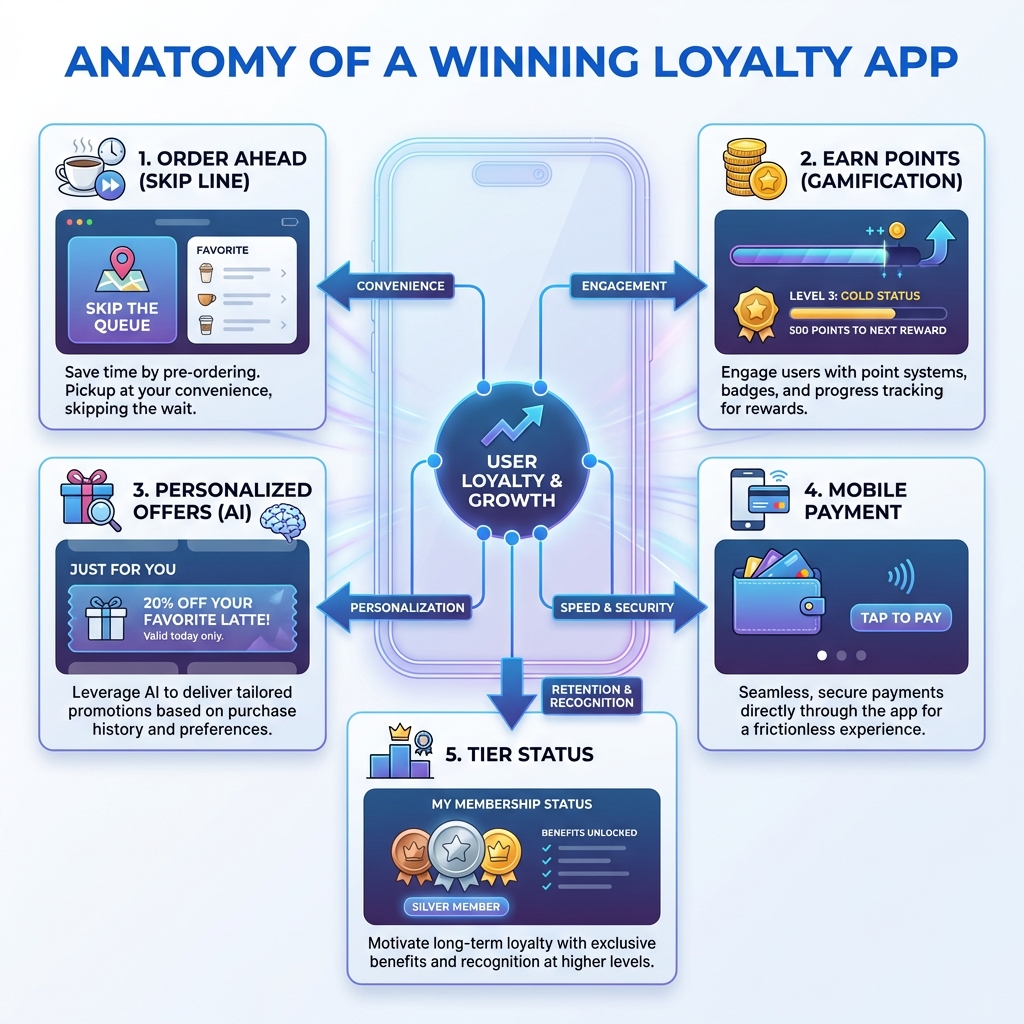
Figure 2: Anatomy of 5 killer features of a 2026 F&B Loyalty App.
Part 4: Revenue Structure: Recovery of In-store
4.1. Delivery Apps Slow Down
After the 2021-2024 boom phase, revenue from food delivery apps (ShopeeFood, GrabFood) starts to plateau at 30%. The reason is high delivery fees and customers craving real experiences.
4.2. In-store Experience Is King
In-store revenue accounts for 60%, proving that nothing can replace the sound of the coffee grinder, the aroma, and the cafe atmosphere. The remaining 10% comes from Takeaway model at newly operational metro lines.
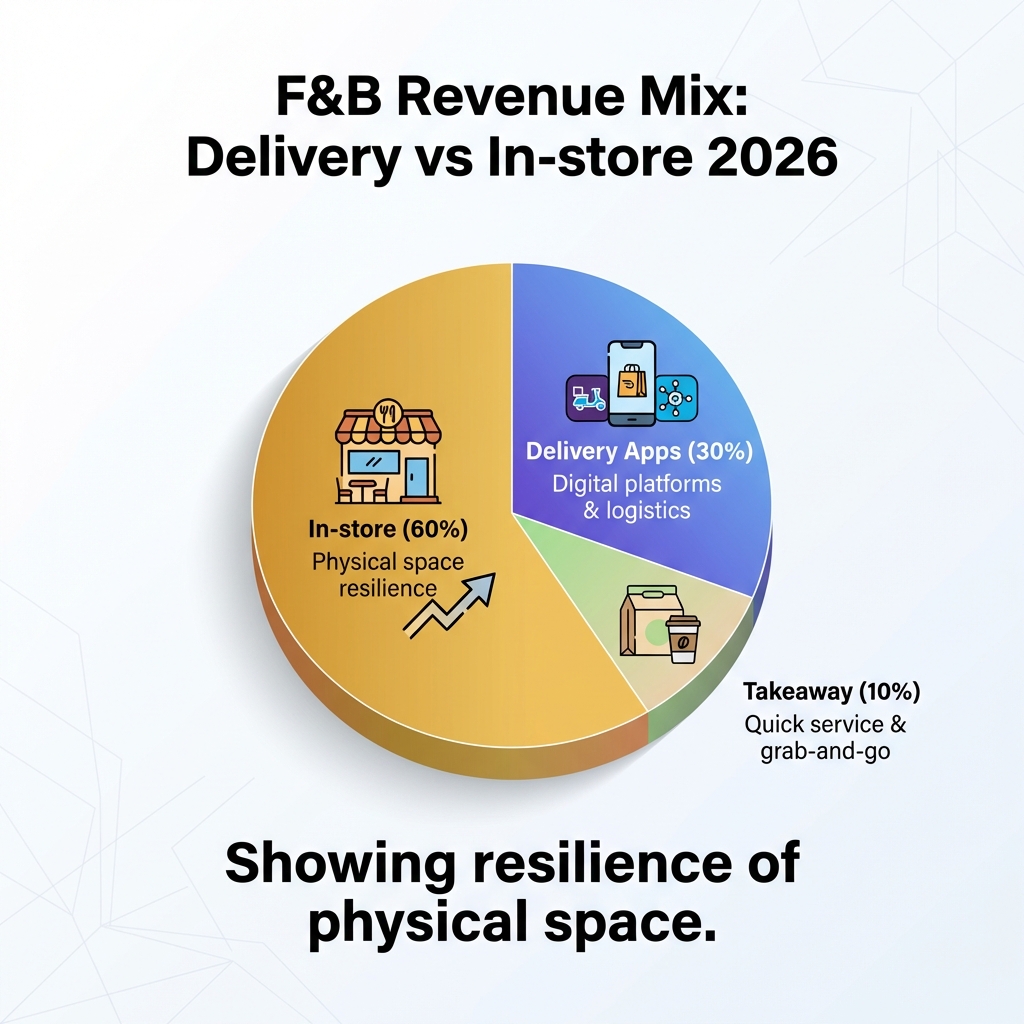
Figure 3: Resilience of the in-store sales model in the digital era.
Part 5: 2030 Forecast
5.1. Robot Barista & Automation
Part-time staff shortages will drive the use of brewing robots at public sales points (Airports, Train stations). Human staff will shift to “Coffee Master” roles – storytellers and emotional connectors.
5.2. Beverage Personalization (Hyper-Customization)
The 2030 menu will no longer be fixed. Customers mix bean types, milk types (oat milk, almond, cashew) and toppings to their liking right on the app, creating millions of drink variations.
Conclusion
The 2026 F&B industry is not for novices. To survive, brands need “Barefoot expansion” (Expand physical stores) and “Head in the clouds” (Optimize data technology). The battle is not just selling good coffee, but selling convenience and a sense of belonging (Belonging) to a community.
(In-depth F&B industry analysis – DPS Media Research Team Jan 2026)
References
- Vietnam Food & Beverage Association (VFBA). (2026). Annual F&B Market Report.
- Vietcetera. (Jan 2026). The Coffee Shop Culture in Vietnam: Evolution & Trends.
- Q&Me. (2026). Vietnam Coffee Chain Popularity Survey.
- Euromonitor. (2025). Cafés/Bars in Vietnam: Market Research.
- GrabFood & ShopeeFood Data. (Q4 2025). Beverage Delivery Insights.