

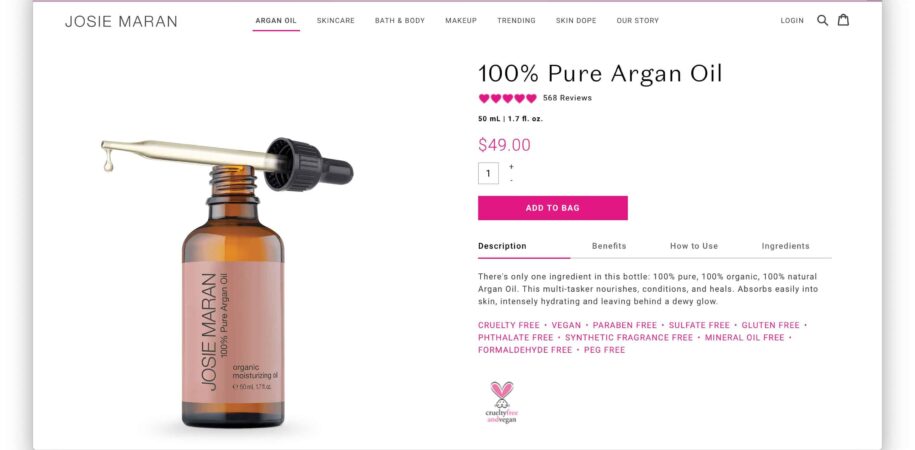

Viết mô tả sản phẩm đặc sản sao cho không bị nhạt chính là “bí kíp sinh tồn” của các thương hiệu địa phương nếu muốn cạnh tranh trên nền tảng số. Một bài mô tả hay không đơn thuần là liệt kê thành phần – nó phải kể được câu chuyện, khơi gợi cảm xúc và khiến khách hàng muốn trải nghiệm ngay lập tức. In an era where just a few seconds of scrolling,consumers decide whether to stop or not – the product description is the first touchpoint between the brand and the buyer..
Tại DPS.MEDIA, chúng tôi từng đồng hành cùng hơn 300 doanh nghiệp vừa và nhỏ từ Bắc vào Nam – trong đó không ít là các thương hiệu đặc sản địa phương gặp tình trạng doanh thu trì trệ chỉ vì… mô tả sản phẩm quá “vô vị”.A jar of fish sauce can become a childhood memory, a bag of dried food can evoke the scent of Tet in the countryside if the writing hits the reader's psychology. The difference lies in how you turn a familiar dish into a memorable experience.
The key point of a good specialty description is not in fancy words, but in emotion and local uniqueness. The more traditional the product – the more modern the description needs to be, skillfully telling stories to keep the digital reader inspired. 90% customers said they feel more connected to the product when the content includes a personal story or clearly reflects regional identity. Điều đó chứng minh rằng – để đặc sản không bị “chìm” giữa muôn trùng nội dung, mô tả chính là “đặc sản” đầu tiên phải hấp dẫn.
Understand the true value of specialties before starting to write descriptions
Đặc sản không chỉ là món ăn – đó là một biểu tượng văn hóa
Tại DPS.MEDIA, chúng tôi nhận thấy nhiều doanh nghiệp SMEs khi viết mô tả sản phẩm đặc sản thường bị “mắc kẹt” trong lối viết liệt kê thành phần hoặc công dụng. Tuy nhiên, chính điều này khiến nội dung trở nên nhạt nhòa, thiếu chiều sâu. Trước khi viết, hãy thấu hiểu rằng mỗi đặc sản đều mang trong mình một câu chuyện – về vùng đất, con người, thời gian, và phong tục.
Theo giáo sư Sidney Mintz – nhà nhân học thực phẩm nổi tiếng trong tác phẩm “Tasting Food, Tasting Freedom”, an indigenous dish often reflects the historical and social relationships of the community that owns it. Therefore, to describe the true value of the product, you need to answer: What does this specialty represent? How does it preserve or innovate tradition?
Đặt sản phẩm vào đúng hệ sinh thái văn hóa – địa lý – cảm xúc
Một trong những cách hiểu đúng và thể hiện được “hồn” đặc sản là định vị nó trong bối cảnh rõ ràng. Dưới đây là một bảng minh họa chúng tôi thường dùng để định hướng nội dung mô tả, được tích hợp trong các chiến dịch content cho khách hàng thuộc ngành hàng nông sản Việt:
| Perspective | Prompting question | Real-life example |
|---|---|---|
| Geography | Where does this specialty come from? What is unique about that region? | Dien pomelo - grown on alluvial soil along the Day River, produces a uniquely sweet and mild segment. |
| Lịch sử & Văn hóa | Is it associated with any history, festival, or ritual? | Cam leaf sticky rice cake - an indispensable traditional dish during Tet in the Mekong Delta. |
| Emotion | What emotions does this dish evoke? Who loves it? | Nước mắm Phú Quốc – hương vị “mặn mà” gợi nhớ quê nhà của người xa xứ. |
Không nên bắt đầu viết mô tả khi chưa “chạm” đến tinh thần thật của sản phẩm. việc ”hiểu đúng” là nền tảng giúp bạn tránh rơi vào cái bẫy của sự cạn ý tưởng, viết lan man hoặc mô tả như mọi sản phẩm khác. Đấy cũng là lý do tại sao tại DPS.MEDIA, trong bất kỳ dự án content nào, đặc biệt với đặc sản vùng miền, chúng tôi luôn xây dựng bước “giải phẫu giá trị” để nội dung cuối cùng vừa sống động, vừa giữ được tính bản địa rõ rệt.
- Write to tell a story, not to repeat the name.
- Leverage memories, geography, and emotions – because that is what makes readers pause.
- Understand first, then write – because that is the only way for the text to have soul.

Evoke emotions instead of just listing product information
Create emotional connections through storytelling
Thay vì đơn thuần “nước mắm nguyên chất, làm từ cá cơm”, hãy tell customers a story: về những buổi sớm bình minh, khi người dân chài Quảng Trị kéo những mẻ cá đầu tiên lên bờ – thứ nguyên liệu chỉ trong vòng 4 tiếng sẽ được đưa vào ủ chượp trong thùng gỗ lim truyền thống. Một món đặc sản nên được cảm nhận bằng cả khứu giác, ký ức và niềm tự hào – chứ không phải chỉ qua bảng thành phần.
Customers do not buy products, they buy the emotion that the product brings. Áp dụng mô hình StoryBrand của Donald Miller, bạn có thể biến một sản phẩm vùng miền tưởng như tầm thường thành một ”người hùng”, dẫn dắt khách hàng trở về với giá trị gốc gác - nơi họ thuộc về. DPS.MEDIA đã áp dụng điều này hiệu quả trong chiến dịch quảng bá chè shan tuyết Tà Xùa, khi thay vì tập trung vào hương vị, chúng tôi kể về các cụ bà ẩn mình trên ngọn rừng già hái từng búp chè giữa sương mù.
Use evocative and sensual language
Effective specialty descriptions often evoke more than they explain. The words should make the reader “thấy,” “ngửi,” và ”nếm” ngay trong tâm trí họ. Thay vì viết: “Mật ong rừng nguyên chất, đóng chai 500ml”, hãy thử:
- Full flavor of forest flowers – từng giọt mật như nén lại hương thơm của tháng ba Tây Nguyên
- Shimmering amber color – ánh lên dưới nắng sớm, mượt mà như nhựa trong từ tim cây
- Sweet and mild, with a slight spiciness at the throat – the distinctive aftertaste of original wild beeswax
Compare emotions to highlight product differences
Trong một nghiên cứu do Đại học Oregon thực hiện (2023), việc sử dụng mô tả xúc cảm giúp tăng 43% tỷ lệ ghi nhớ thương hiệu khi người dùng tiếp xúc lần đầu. DPS.MEDIA đã áp dụng phương pháp này trong dịch vụ truyền thông sản phẩm khô cá lóc Sạc Cá – một mô hình khởi nghiệp từ Đồng Tháp. Chúng tôi tạo cảm giác “quay về chiều quê mẹ” thông qua hình tượng bếp củi, tiếng xèo xèo của da cá lúc vừa áp chảo, thay vì đơn thuần liệt kê: “khô cá lóc cắt khúc, ướp gia vị truyền thống”.
| Products | Listing description | Emotional description |
|---|---|---|
| Lam Dong arabica coffee | 100% Arabica, pure roast, mildly sour taste | Nhấp môi ly cà phê – như hít một buổi sáng sớm trên cao nguyên mù sương |
| Phan Rang fish cake | 650g, made from mackerel, chewy and crunchy | Each slice of fish cake preserves the sound of the sea, the salty taste wrapping around a whole region of memories |

Connect specialties with local culture and stories
Awaken regional identity through each piece of specialty
Trong mỗi chiếc bánh gai Tứ Trụ hay chai nước mắm phú Quốc truyền thống là một phần ký ức, tập quán và cả tinh thần sống của người địa phương. Viết mô tả sản phẩm đặc sản vì vậy không chỉ đơn thuần liệt kê nguyên liệu hay công dụng, mà cần “gài” vào đó phần hồn - cultural identity uniqueness.
Thay vì viết: “Nước mắm được ủ theo phương pháp truyền thống”, bạn có thể kể rằng: “Người dân làng nghề Dương Đông giữ bí quyết muối cá cơm tươi cùng muối Bà Rịa suốt hơn 200 năm – như một dạng di sản truyền khẩu không thành văn, chỉ truyền qua những lần đứng cạnh lu chượp dưới nắng trưa.” Điều này giúp người đọc không chỉ cảm nhận ”vị” mà còn “ngửi” được mùi gió biển và “thấy” được bàn tay thô ráp của người làm nghề.
Add depth with vivid stories from local people themselves
Một cách hiệu quả để gắn kết sản phẩm với văn hóa là khai thác stories từ người thật – việc thật. DPS.MEDIA từng triển khai chiến dịch cho một xưởng bánh cốm truyền thống ở Hà Nội. Thay vì chỉ nói “bánh cốm 100% tự nhiên, không phẩm màu”, chúng tôi phối hợp tái hiện lại ký ức của một nghệ nhân từng phụ bà gói bánh ngày Tết:
- Culture ties to product: Each cake is a morning waking up at 3 a.m., roasting cốm with chèo music in a small courtyard of the old quarter.
- Distinctive value: Được gói từng cái bằng tay, không có dây chuyền – vì “cái hồn nằm ở lực tay vừa đủ và độ ấm lòng người”.
- Emotional impact: Evokes childhood memories for native Hanoians, creating a deeper connection than just taste.
Use tables to tell stories – not just to compare information
Dạng bảng cũng có thể được “văn học hóa” nhẹ nhàng bằng mô tả có màu sắc cá nhân, thay vì quá cơ học. Ví dụ, khi mô tả 3 loại bánh truyền thống từ Huế, DPS.MEDIA đã định dạng chúng trong bảng sau để tạo hiệu ứng vừa dễ đọc, vừa gợi cảm xúc đồng thời:
| Hue cakes | Cultural meaning | Accompanying story |
|---|---|---|
| Ram ít | Associated with traditional wedding chèo ceremonies | Bà ngoại kể: “Cô dâu phải tự gói được thì mới đủ công-dung-ngôn-hạnh” |
| Bánh lọc lá | the embodiment of sophistication and meticulousness | “Cắn một cái - nghe tiếng lá chuối lụp bụp tan trong tay – như Huế lặng” |
| Bánh nậm | A typical simple royal dish | The taste of minced pork and spicy pepper reminds me of my grandmother's old meals |
Như nhà nghiên cứu Roland Barthes từng viết: “Khi thực phẩm mang ý nghĩa, nó trở thành ngôn ngữ”. Đó chính là hành trình DPS.MEDIA đồng hành cùng các doanh nghiệp địa phương: biến mô tả sản phẩm thành câu chuyện, biến đặc sản thành trải nghiệm văn hóa – để mỗi click không dẫn đến đơn hàng đơn thuần, mà là sự genuine connection with the roots.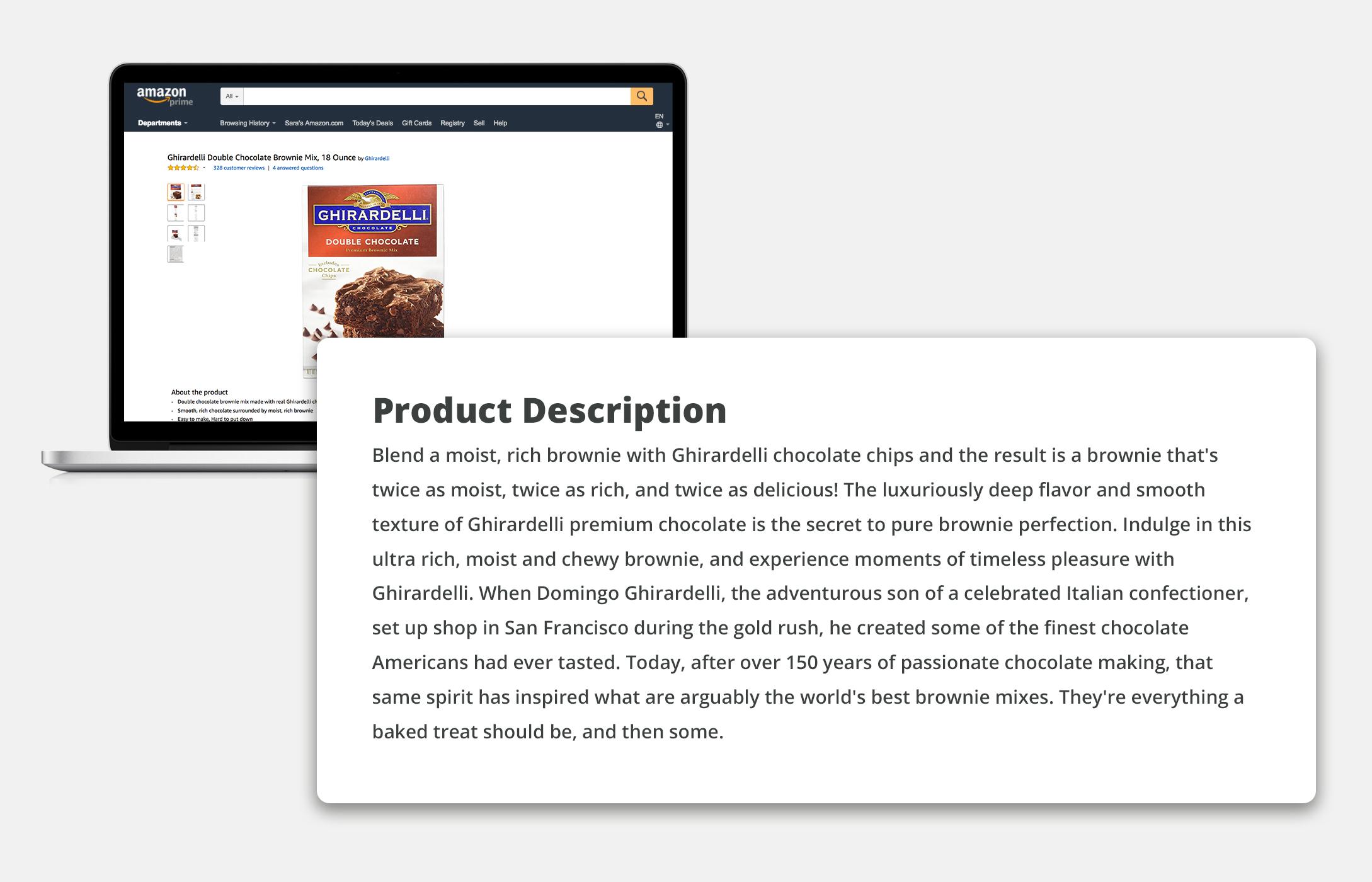
Use lively and easy-to-imagine descriptive language
Focus on multi-layered sensations instead of listing product features
Hãy tưởng tượng bạn đang viết về một hũ mắm ruốc Huế truyền thống – đừng chỉ nói: “đậm đà, mặn mà, thơm nồng”.Hãy để người đọc smell the scent of Central Vietnam's sun seeping through layers of dry straw, cảm nhận chút gai gai ở đầu lưỡi khi chấm cùng khế chua, và thấy hình ảnh người mẹ Huế đang múc từng vá mắm dậy hương trong bữa cơm nghèo nhưng đầy tình. Sử dụng ngôn ngữ giàu xúc cảm là ’chiến lược hóa’ những ký ức văn hóa địa phương vào mô tả sản phẩm – điều mà các AI hiện nay còn khó làm mượt mà.
Use strong verbs and metaphors to convey identity
According to a recent study from Stanford (2022), product descriptions based on dynamic imagery and evocative language có khả năng kích thích phản ứng cảm xúc cao hơn 47% so với mô tả thông tin thông thường. Ví dụ, thay vì viết: “trà sen thơm dịu, vị thanh mát”, hãy viết:
- “Nụ sen vùi giữa tầng trà âm ấm như ký ức mùa hè thuở nhỏ”
- “Chất nước vàng trong - như mặt hồ Tây yên ả lúc chớm sương mai”
DPS.MEDIA từng hỗ trợ một thương hiệu chè từ Tuyên Quang tăng 350% tỉ lệ đọc hết mô tả sản phẩm trên landing page chỉ sau khi chuyển từ văn bản liệt kê sang mô tả ẩn dụ theo kiểu “kể chuyện bằng vị giác” - một kỹ thuật copywriting mà chúng tôi gọi là Flavor Storytelling.
Combine sensory description tables to create stronger interaction
Việc trình bày bảng mô tả cảm nhận vị giác và xúc giác – như bảng dưới – được DPS.MEDIA tích hợp trong thiết kế web WordPress để gia tăng thời gian lưu lại trang:
| Senses | Sensory description |
|---|---|
| Taste | Delicately sweet like young honey blended with the light astringency of young leaves |
| Smell | A faint scent of early-blooming lotus among reeds by the pond |
| Touch | Just the right thickness, smooth as old silk passed through grandma's hands on Tet laundry day |
Ngôn ngữ mô tả sinh động không chỉ là mỹ từ – nó là cầu nối cảm xúc đưa người tiêu dùng từ trạng thái knowledge to experience. For local specialties, this is the only way for the product to speak for the regional identity in a soulful and resilient way in the digital market.
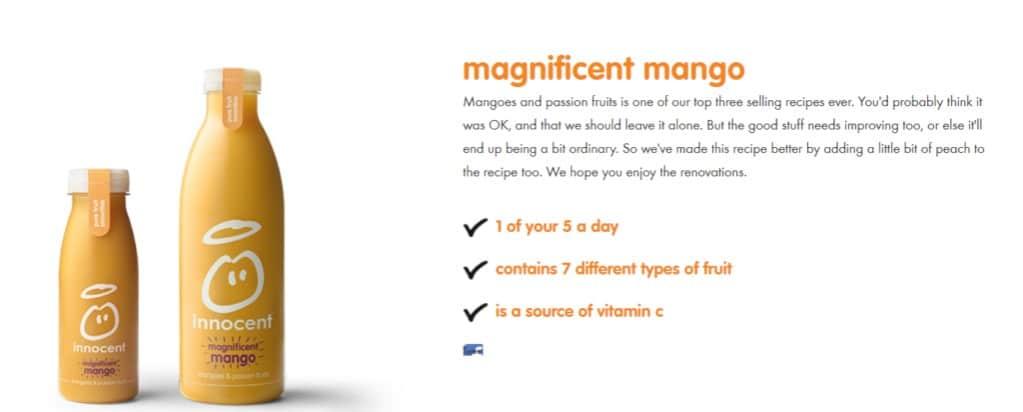
Balance between traditional elements and modern trends
Dẫn dắt bản sắc văn hóa mà không khiến khách hàng thế hệ mới “rụt rè”
Khi mô tả sản phẩm đặc sản, nhiều doanh nghiệp vẫn sa vào lối kể truyền thống rập khuôn: “đặc sản vùng quê”, “bí quyết gia truyền”, “hương vị xưa cũ”… – những cụm từ dễ gây cảm giác nhàm chán nếu không được tái hiện bằng cảm quan hiện đại. Theo nghiên cứu từ Nielsen Vietnam (2023), tầng lớp người tiêu dùng trẻ (Gen Z, Millennials) có xu hướng lựa chọn sản phẩm truyền thống dựa trên mức độ cảm hứng mà câu chuyện thương hiệu mang lại, hơn là yếu tố “di sản” đơn thuần.Vì vậy, tại DPS.MEDIA, chúng tôi khuyến khích SMEs giữ lại cốt lõi văn hóa nhưng cần ”thiết kế lại” cách kể chuyện.Hãy để câu chữ trở thành trải nghiệm đa giác quan:
- Describe ingredients emotionally: Không chỉ “gạo ST25”, mà là “hạt ngọc đất Sóc trăng, được thu hoạch trong tiết trời chuyển mùa”.
- Turn processing methods into a journey: Ví dụ, thay vì nói “nướng bằng than hoa”, hãy kể “lửa hồng ủ ấm từng lát cá trích như cách người dân biển gìn giữ yêu thương”.
- Place the product in a modern context: “Đặc sản dùng kèm salad hiện đại hay nền cho cocktail địa phương” – người trẻ cần thấy được sự liên kết với cuộc sống của họ.
Combine localization and visual aesthetics through digital channels
The subtle blend of tradition and modernity lies not only in the description, but also in the article layout, image design, and visual messaging. Below is a typical example we have implemented:
| Factors | Old version | How DPS.MEDIA updates |
|---|---|---|
| Product name | Mr. Bay's Thai Fish Sauce | Fusion Mắm – Di sản lên men cùng sáng tạo vị mới |
| Packaging visual | Monochrome plastic with the image of an old man | Minimalist design, typography inspired by Western calligraphy |
| Tagline | Taste of the old hometown | Rich in memories, suits today's taste |
Gợi ý viết mô tả cuốn hút, không bị “lệch pha” thị trường
Dưới góc nhìn chiến lược tiếp thị văn hóa (theo nghiên cứu từ Douglas Holt - Harvard Business Review), sự giao thoa giữa “cái cũ” và “cái mới” tạo nên định vị mạnh mẽ cho thương hiệu. Với đặc sản, thay vì chọn 100% ngôn ngữ cổ điển hay hoàn toàn hiện đại hóa, hãy thử hòa quyện:
- “Thứ quà quê ấy” – phiên bản có thể nằm gọn trong túi laptop của dân văn phòng
- “Món ăn Tết xưa” - với bộ lọc hình ảnh chuẩn Instagram
- “Phin cà phê đất đỏ” – kết hợp bộ ly sứ dáng Bắc Âu
Bằng việc hiểu đúng tệp người tiêu dùng từ góc độ hành vi lẫn tâm lý văn hóa, mô tả sản phẩm đặc sản có thể vừa giữ được “hồn” di sản, vừa tạo sóng lan tỏa trên kênh digital – điều mà nhiều thương hiệu SMEs trong nước đang triển khai chưa đồng bộ. DPS.MEDIA gọi đây là cross-cultural emotive marketing – nơi sản phẩm đặc sản không chỉ kể chuyện xưa, mà còn viết tiếp câu chuyện mới cùng thế hệ kế thừa.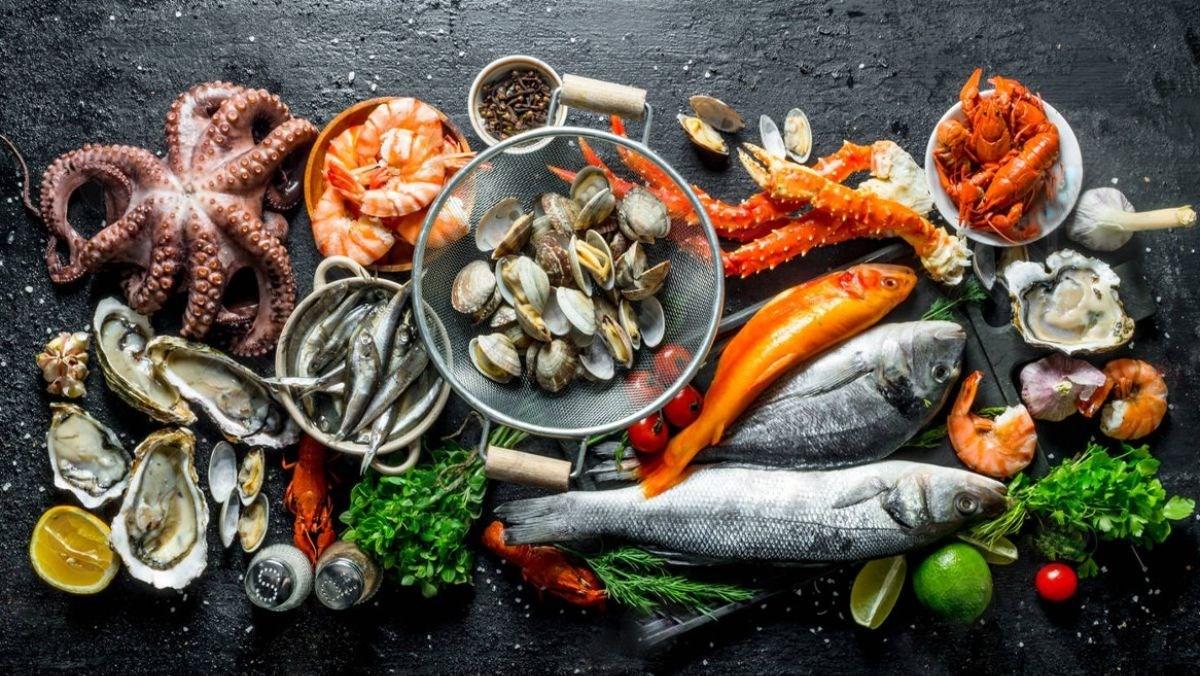
Optimize keywords while still ensuring naturalness and appeal
Keyword optimization strategy
To write specialty product descriptions that aren't bland, keyword optimization is very important. Compared to traditional methods,natural optimization will help enhance searchability while maintaining appeal for readers. Some points to note:
- Use the main keyword appropriately in the description without making the text feel forced.
- insert secondary keywords to enrich the content while maintaining coherence.
- Highlight the product through vivid and attractive descriptive language.
Practical examples from case studies
A recent study from DPS.MEDIA shows that applying keyword optimization to product descriptions can increase click-through rates (CTR) by up to 30%. For example, when describing a specialty fish sauce from Central Vietnam, the description “Mắm vị đậm đà, nguyên liệu tự nhiên” không chỉ thú vị mà còn đảm bảo từ khóa “mắm” được lặp lại một cách tự nhiên.
| Factors | Impact on CTR (1%) |
|---|---|
| Content quality | 40 |
| Keyword optimization | 30 |
| Product highlights | 20 |
| Other factors | 10 |
Applying the above principles helps product descriptions become not only interesting but also meet users' search needs, thereby enhancing the business's brand.🌟
What I want to convey
Writing specialty product descriptions is not just a simple process but also an art of connecting emotions with consumers. We have explored important principles to create engaging descriptions that help your products stand out in a competitive market. Take advantage of vivid images, captivating tones, and clear messages to strongly influence customer perceptions.
Don't forget that authenticity and uniqueness are the keys to affirming the value of your product. Apply this knowledge in practice, experiment with different writing styles to find the one that best fits your brand. At the same time, we encourage you to learn more about factors like SEO to optimize your online customer reach.
We at DPS.MEDIA are always ready to accompany you on your journey to develop products and brands. Please leave your comments or share your experience in building product descriptions below. We look forward to hearing your thoughts and together creating a magical community in the field of digital marketing! 😊