


Introduction Section
{"translations":[{""}]}
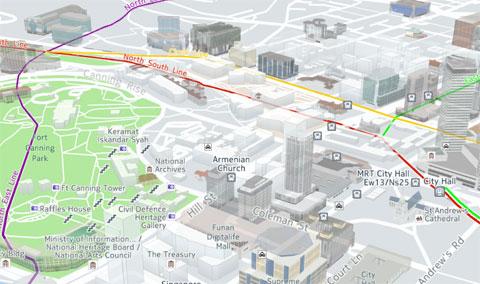
In today's digital age, online maps are not just simple navigation tools, but have become powerful assistants in shaping lifestyles, business, and exploring the world. When it comes to digital maps, Google Maps is probably the first name that comes to mind for many people. However, not everyone knows that there are countless other map platforms on the market, offering diverse and equally powerful solutions. Among them, Here Maps—a silent but highly potential giant—is gradually stepping into the spotlight, becoming a prominent and reliable choice for many users and businesses.
So what makes Here Maps so attractive? And besides Here, what other names can replace the familiar Google Maps icon? Let's explore the big picture of Here Maps and other map platforms to better understand the navigation applications that are changing the way we connect and interact with the world around us.
Introduction to Here Maps and the emergence of alternative map platforms
Here Maps, an advanced map platform, was created as a notable alternative to Google Maps amid the growing demand for customized, accurate map data that is not dependent on major tech corporations. Built by Here Technologies, this application not only provides basic navigation features but also excels with business applications such as supply chain optimization, real-time vehicle tracking, and IoT system integration. The interesting thing about Here Maps is its strong support for offline activities, allowing users to access maps even without an internet connection, something many other platforms still lack.
One of the unique factors that draws attention is the encouragement for developers and businesses to freely create on this platform. Here Maps API is not only accessible but also flexible, opening the door to specialized solutions. For example, Audi and BMW have used Here to integrate smart map systems into cars, providing journey prediction capabilities based on traffic trends. This is in stark contrast to the strict copyright control often seen with Google Maps, where costs and usage limits can be major barriers for small and medium-sized companies.
So, if we compare, how do alternative platforms like OpenStreetMap, Mapbox, or even Apple Maps differ? To make it easier to visualize, see the short comparison table below:
| Platform | Advantages | Disadvantages |
|---|---|---|
| Here Maps | Diverse API; strong offline performance; large data storage space | Less popular; ecosystem not fully complete |
| Google Maps | Popular; rich data; user-friendly interface | High API costs; limited control |
| OpenStreetMap | Completely free; unlimited customization | Requires technical knowledge to implement |
The emergence of alternative platforms has opened a new chapter, where users and businesses are no longer tied to a single choice. The question is: Are you ready to explore and embrace new opportunities, or will you return to your comfort zone?

Outstanding features and personalization capabilities of Here Maps
Here Maps is one of the most powerful and notable mapping services today, especially standing out with its precise positioning technology combined with deep personalization features. This not only helps users easily navigate in cities or remote areas but also brings a truly different experience compared to other mapping platforms.
The most outstanding features I must mention include:
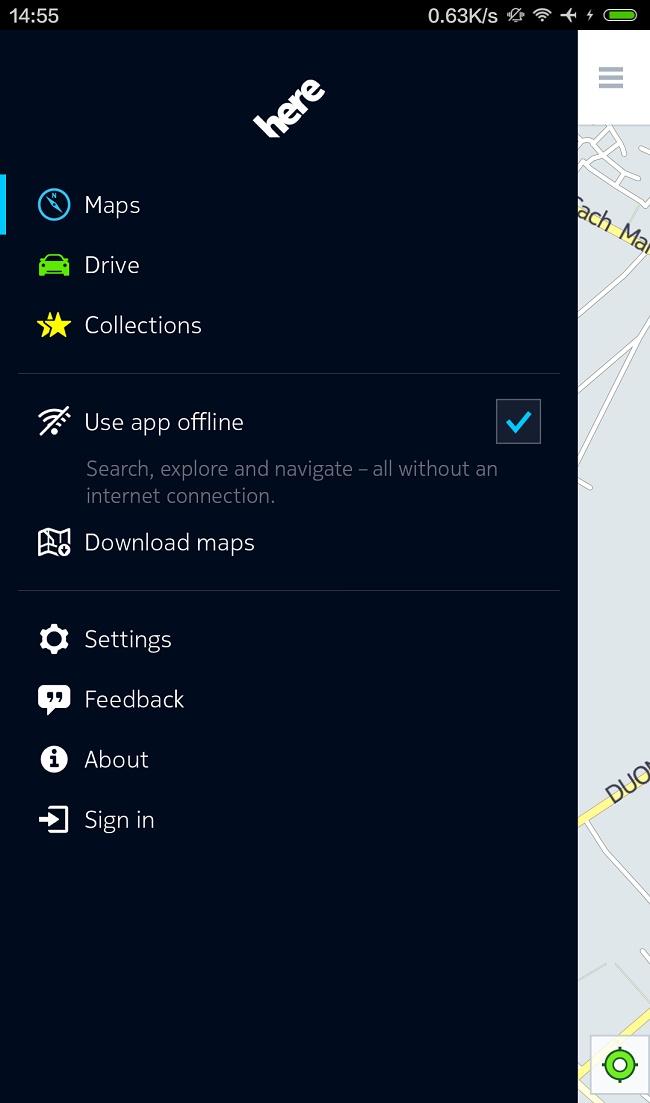
- Offline navigation: Unlike Google Maps, which requires an internet connection for most features, Here Maps allows you to download maps of entire countries for offline use, saving data and increasing reliability when visiting areas without Internet.
- Real-time traffic data: Based on research from HERE Technologies, a large amount of traffic data collected via satellites and personalized vehicles helps Here Maps provide accurate information about road conditions and estimated travel times.
- Customization capability: Users can personalize routes based on their own needs, such as avoiding toll roads, tunnels, or even creating routes specifically for bicycles or trucks.
To make it easier to visualize and compare, below is a table describing some key features of Here Maps compared to Google Maps:
| Feature | Here maps | Google Maps |
|---|---|---|
| Offline usage | Supports entire countries | Only supports certain areas |
| Real-time traffic accuracy | Highly rated by technology experts | Still heavily reliant on user updates |
| Personalized routing | High, supports advanced customization | Average, more limited |
Theo mình, một điểm ”ghi điểm” lớn của Here Maps là sự tập trung vào yếu tố địa phương hóa. Ví dụ điển hình là tại châu Âu, Here Maps được ưa chuộng nhờ cung cấp dữ liệu cực kì chi tiết liên quan đến các tuyến đường nông thôn hoặc hạ tầng giao thông phức tạp mà nhiều ứng dụng khác bỏ qua. Ngay cả các doanh nghiệp như Audi và BMW cũng tích hợp Here Maps vào hệ thống định vị của họ.Điều này cho thấy mức độ uy tín của dịch vụ.
Cost considerations and suitable user groups for Here Maps
Cost and user base are always two important factors when anyone considers choosing a map service, especially Here Maps. Unlike Google Maps, which charges based on API usage, Here Maps focuses on offering more flexible and competitive service packages. This creates a big advantage, especially for small businesses and non-profit organizations with limited budgets. Case study from a transport company in Germany has demonstrated effectiveness: they achieved cost reductions of up to 30% when switching from Google Maps to Here Maps without affecting the quality of their navigation services.
In addition, Here Maps stands out with its customization capabilities, making it an ideal choice for specialized industries such as logistics, fleet management, or app-based transportation services. For individual users, Here Maps is less popular than Google Maps, but in return, the app provides a simple, ad-free interface, serving well those who value convenience and a focused experience.
| Service | Average cost | Suitable audience |
|---|---|---|
| Here Maps | Around $1.50/month depending on the package | Businesses, professional developers |
| Google Maps | $200 free credits per month; then pay as you go | Universal, general public |
With significant differences in pricing policies and features, Here Maps is establishing itself as an unmissable alternative for individuals and businesses seeking budget optimization and operational efficiency.
Comparison of Here Maps with Google Maps and other competing platforms
Service Here Maps is increasingly making a strong mark on the market, creating a formidable option when compared to popular platforms like Google Maps, Waze, and other map applications. In addition to its diversity, the ability of Here Maps to provide detailed and accurate information has created a major difference. This is especially useful for logistics businesses or industries that require high-level offline map data. So what are the strengths and weaknesses of these map services? Let's take a closer look at the comparison table below.
| Service | Advantages | Limitations |
|---|---|---|
| Here Maps |
|
|
| Google Maps |
|
|
| Waze |
|
|
When choosing a map service, the deciding factor is the intended use: for individuals, Google Maps and Waze often excel thanks to their intuitive interface and high interactivity. But for businesses, especially in logistics, Here Maps is proving to be an indispensable alternative thanks to its ability to save management costs and increase operational efficiency.

Alternatives to Google Maps: When and why should you consider them
If you are used to using Google Maps, you may not realize that there are many other valuable alternatives out there. One of the most prominent names is Here Maps, a service that is increasingly proving its strength in the digital map market. Here are the reasons why I think you should consider using Here Maps or similar platforms in certain situations:
- when you need offline map data: You don't always have a stable Internet connection. Here Maps is famous for its ability to download and use detailed offline maps in over 100 countries, something Google Maps only supports in limited areas and with basic functions.
- For business or specialized purposes: Transport or delivery companies may prioritize Here Maps because this service provides powerful APIs and programming tools, along with lower licensing costs compared to Google Maps.
- In terms of data security: Although Google Maps is extremely convenient, many people are concerned about how Google collects and uses personal information. Meanwhile, Here Maps focuses on security and transparency, a better choice if privacy is your priority.
| Feature | Here Maps | Google Maps |
|---|---|---|
| Offline mode | Comprehensive support, customizable storage size | Limited area and data |
| Enterprise API integration | Reasonable cost, highly customizable | High cost and complex features |
| Data security | High commitment | Easily causes concern |
A notable example is the case of a taxi company in Europe that switched from Google Maps to Here Maps to save costs. Not only that, they also leveraged detailed routing capabilities and map customization to improve operational efficiency, while building exclusive automation features.
Of course, not every platform is perfect. The important thing is to identify your personal or organizational needs before choosing the right tool. Alternatives such as Waze, mapbox or OpenStreetMap can also bring unexpected value that you have yet to discover.
Factors to evaluate when choosing the right map platform
When choosing a mapping platform to integrate into a personal or business project, we need to carefully evaluate based on various factors. This is not just a matter of price, but also relates to the ability to meet current needs and potential for future expansion. Below, I will list some important aspects you should consider:
- Customization capability: The ideal mapping platform should allow you to fine-tune displayed data, traffic charts, or geographic information to suit your purpose and brand identity. For example, Here Maps provides powerful development tools, while some other free services may be limited in integration customization options.
- Multi-platform support: Ensure the platform you choose can work well on multiple devices, from web applications to mobile. According to Gartner research, this flexibility is especially important for businesses using comprehensive logistics solutions.
- Usage cost: Google Maps with its pay-per-use API model has forced many businesses to look for alternatives. Here Maps stands out with a free package for API requests under a certain threshold, alongside options dedicated to large enterprises.
- Data and accuracy: Evaluating map quality is essential. Factors such as updated street information, real-time traffic routing capabilities, or satellite image integration can make a big difference.
For illustration, take a look at the comparison table below between Here Maps, Google Maps, and OpenStreetMap:
| Platform | Cost | Customization | Data accuracy | API support |
|---|---|---|---|---|
| Here Maps | Free/ Paid plan | Cao | Excellent | Excellent |
| Google Maps | Pay per use | Average | Excellent | Excellent |
| OpenStreetMap | Free | Very high | Fluctuation | Limitations |
Hopefully with the above factors, you will find the most suitable map platform for your needs, whether it's enhancing user experience or optimizing operational costs.

Real-world experience and tips for optimizing digital map usage
When experiencing Here Maps, the first interesting thing I noticed is that this platform's routing capability is not simply about giving directions. It flexibly adjusts in real time based on traffic conditions, weather conditions, and even public transport schedules. On a trip from Ho Chi Minh City to Vung Tau, I tried comparing Here Maps and Google Maps in terms of estimated time and optimal route. The result was quite surprising: Here Maps not only suggested routes with less traffic jams but also provided detailed information about parking lots near the beach. A key difference is that Here Maps allows you to download offline data for the entire country without splitting into regions, which is ideal if you often go on road trips. However, note that the Here Maps interface can sometimes feel a bit overwhelming if you're not used to it.
| Criteria | Here Maps | Google Maps |
|---|---|---|
| Offline mode | Free, download entire country | Split by region, manual updates |
| Traffic accuracy | Detailed, predictive | Popular but sometimes inaccurate |
| Public transport support | Recent improvements, not yet complete | Dominant in major cities |
If you are looking for alternatives, besides Here Maps, OpenStreetMap is also a notable name. This is a great open-source project for the developer and small business community who want to integrate their own maps into applications. Personally, I once tried using OpenStreetMap in an app development competition in Hanoi, and what I liked most was the freedom to customize map data without worrying about API limits. However, if you only need a tool for personal purposes, Waze – với sức mạnh từ cộng đồng người dùng – sẽ giúp bạn tiết kiệm từng phút trên các tuyến đường đông đúc bằng cách chia sẻ những sự cố giao thông ngay lập tức.
Conclusions and perspectives
Finally, in a world where positioning technology holds the key to connection and discovery, the presence of platforms like Here Maps has opened up countless options for users. Not only is it a strong competitor to Google Maps, Here Maps and other alternative platforms offer fresh perspectives, unique features, and flexibility tailored to individual needs.
Whether you choose Here Maps, Google Maps, or another platform, the most important thing is how we use technology to optimize our journeys, whether they are real-world routes or digital journeys. No tool is absolutely perfect, but considering personal needs and exploring new options will help you master every turn in life – whether on the map or in real life.