



2026 is forecasted to be a significant milestone for Vietnam's fashion and textile industry. Amid global economic fluctuations and changes in consumer habits, the domestic fashion sector stands before unprecedented breakthrough opportunities, alongside challenges demanding strong transformation.
1. Promising Growth Prospects
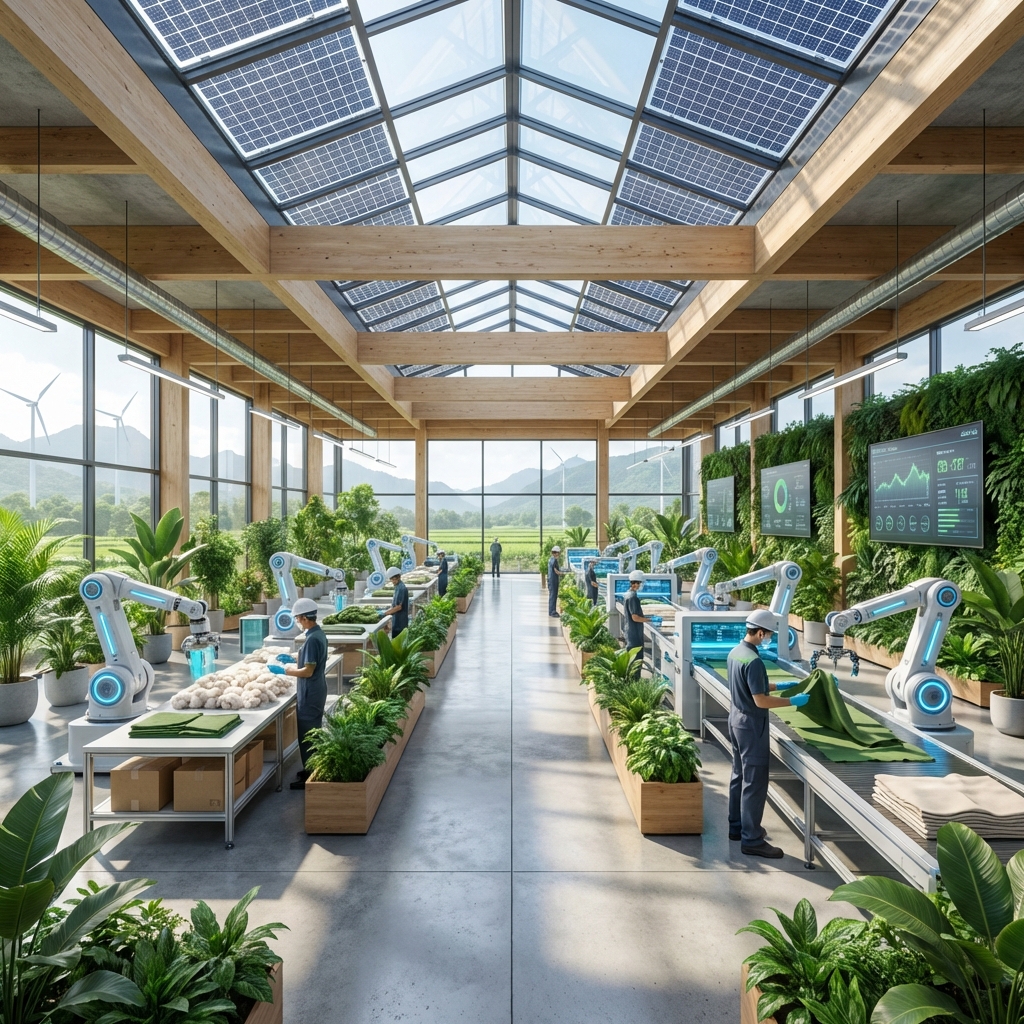
According to the latest reports, Vietnam's textile and garment industry is targeting an ambitious export turnover, ranging from 48 to 49 billion USD in 2026. This is a solid step on the path to reaching 64.5 billion USD by 2030.
Not only focusing on exports, the domestic market also shows strong vitality. The scale of the domestic fashion retail market is expected to continue its impressive growth momentum with a compound annual growth rate (CAGR) of approximately 12,8%, promising to reach billions of USD in revenue. The rise of the middle class and Vietnamese consumers' spending on fashion are the main drivers of this explosion.
2. Dominant Trends: “Greening” and “Digitalization”

2026 will no longer be a playground for traditional low-cost production models. Two keywords defining the market will be Sustainability and High-tech.
Sustainable Fashion and International Pressure
Under the impact of strict regulations such as the EU's Carbon Border Adjustment Mechanism (CBAM) or Digital Product Passport (DPP), Vietnamese businesses are compelled to “green” their production processes. The use of recycled materials, natural fibers (like lotus fiber, coffee fiber) and renewable energy will shift from “optional” to “mandatory” to maintain competitive advantages in major markets.
The Rise of Smart Fashion
Technology will penetrate deeply into every fabric thread. The Smart Fashion trend with products integrating sensors, temperature adjustment capabilities, or IoT connectivity will begin to emerge and develop. Additionally, applying AI in design, trend forecasting, and personalizing customer experiences will become a strategic weapon for fashion brands.
3. Challenges and Opportunities for Vietnamese Brands
Despite the overall bright picture, 2026 is also forecasted to be a fiercely “natural selection” phase. Businesses slow in technological innovation or ignoring green standards will face the risk of elimination.
However, this is the “golden moment” for domestic brands (Local Brands). With flexibility, creativity, and understanding of local culture, Local Brands are gradually regaining advantage on home turf, competing evenly with international giants.
Conclusion: Vietnam's fashion industry in 2026 will be an upgraded version: more modern, greener, and higher quality. Thorough preparation in technology and sustainable mindset from today will be the key for businesses to lead this growth wave.