


According to Search Engine Journal statistics, over 65% of websites are penalized due to unnatural backlinks. DPS.MEDIA recommends that SMEs regularly review to maintain online reputation and optimize SEO effectively.
Identifying bad backlinks and their negative impact on Google rankings
What are bad backlinks?
Bad backlinks are links to your website from low-quality, unrelated, or spammy sites. Google may penalize your website if the number of bad backlinks exceeds the safe threshold.
Some signs to identify bad backlinks include:
– Từ các trang có nội dung không liên quan hoặc có ngôn ngữ khác hoàn toàn
– Có anchor text không tự nhiên, chứa nhiều từ khóa trùng lặp
– Được đặt từ các website bị phạt hoặc có thang điểm spam cao (Moz Spam Score >8/17)
– Mua backlink theo gói hoặc trao đổi liên kết chéo không tự nhiên
Negative impact on SEO
According to SEMrush 2022 report, over 24% of websites that dropped in rankings had factors related to low-quality backlinks. Possible impacts include:
– Mất thứ hạng đột ngột trên SERP do vi phạm thuật toán Penguin
– Giảm độ tin cậy (Trust Flow) khiến Google đánh giá thấp chất lượng nội dung
– Ảnh hưởng đến tỷ lệ crawl và thời gian lập chỉ mục
Real-life example: An e-commerce site in District 3, HCM, dropped from top 3 to top 40 after 2 weeks due to 745 backlinks from foreign forums with unmoderated comments.
Quick checklist to identify bad backlinks
- ✔ Linking page has Domain Authority below 10
- ✔ Content surrounding the anchor text is unrelated
- ✔ Backlink page is listed in Google Disavow Tool
- ✔ Many backlinks come from the same IP (sign of a PBN network)
- ✔ Anchor text repeats the exact keyword multiple times
Quick classification table for backlink quality
| Criteria | Good Backlink | Bad Backlink |
|---|---|---|
| Trustworthiness (DA/Trust Flow) | >40 | |
| Relevant Content | Yes | No |
| Number of Links | Natural Distribution | Sudden, Rapid Increase |
| Anchor Text | Diverse, Natural | Uncontrolled Keyword Repetition |
Summary takeaway
Bad backlinks not only affect SEO, but can also cause your website to lose long-term credibility. Regularly check, remove negative links, and build a safe backlink profile, especially if you have a long-term SEO plan.
How to effectively use backlink checking tools for small and medium businesses
Choosing the right backlink checking tool
For small and medium businesses, the SEO budget is often limited. Therefore, you should prioritize tools that allow free checks or have economical packages such as:
– Ahrefs (gói Lite cho smes)
– Google Search Console (miễn phí)
– Ubersuggest (bản miễn phí giới hạn)
– SEMrush (dùng thử 7 ngày có giá trị)
Checklist for periodic backlink checking operations
For effective checking, you can follow these steps:
- Log in to the tool and enter your main domain
- Lọc theo anchor text bất thường (vd: “viagra”, “casino”)
- Check which domains have DR lower than 10 (low trust score)
- Analyze link types: Dofollow/Nofollow
- Kiểm tra tỷ lệ liên kết từ site quốc tế – các link từ site lạ, ngôn ngữ không liên quan cần đặc biệt chú ý
Ví dụ cụ thể: Một doanh nghiệp bán lẻ tại Gò Vấp từng phát hiện 42 backlink từ các trang tiếng Nga có nội dung người lớn. Sau khi chặn qua công cụ Disavow của Google,tình trạng tụt hạng giảm rõ – theo SEMrush (Báo cáo 2022),63% site cải thiện thứ hạng sau khi disavow link độc hại.
Bảng theo dõi backlink – Gợi ý mẫu (HTML)
| Domain name | DR (Ahrefs) | Anchor text | Status |
|---|---|---|---|
| cheap-seo123.ru | 1 | cheap viagra | Need to Disavow |
| newsblog.uk | 12 | click here | Untrustworthy |
| example.vn | 32 | the product name | Valid |
Risks of not controlling harmful backlinks
According to Moz (Whiteboard Friday 2023), spammy links can cause a website to be penalized by Google either manually or automatically by the Penguin algorithm. For SMEs, this leads to:
– Giảm traffic trung bình 30-60% trong vòng 1 tháng
– Mất niềm tin và uy tín thương hiệu trên kết quả tìm kiếm
– Có thể tốn hàng tháng để khôi phục thứ hạng
Takeaway:
Doanh nghiệp nhỏ không cần công cụ đắt tiền để quản lý backlink hiệu quả – điều quan trọng là theo dõi thường xuyên, nhận diện rủi ro, và hành động kịp thời để duy trì sức mạnh SEO bền vững.
Detailed analysis of backlink quality metrics to assess source credibility
1. Important metrics to monitor
To evaluate the quality of a backlink, you cannot rely solely on quantity. You need to analyze the following metrics:
- domain Rating (DR): Indicates the overall authority of the website, provided by Ahrefs. DR of 50 or higher is considered good quality.
- URL rating (UR): Assesses the strength of the specific URL containing the backlink. High UR along with relevant content is a good sign.
- Spam Score: Moz's metric (0-17) helps detect spam risk. >7 is often a warning sign.
- Dofollow/Nofollow: Các backlink “dofollow” mang lại giá trị SEO thực sự, nhưng chỉ nên chiếm khoảng 60-70% để đa dạng hóa hồ sơ liên kết.
💡 TIP: A reputable website with high DR but with links placed in the footer or site-wide can still be considered unnatural. Prioritize links within the main content.
2. Checklist for evaluating backlinks from the start
Before adding a backlink or when checking old backlinks, you can use the following checklist:
- Does the linking website have content on the same topic?
- Is the link placed within the article (not in the sidebar/footer)?
- Does the website have a history of spam or Google penalties?
- Is the backlink from reputable domains (e.g., .gov, .edu, or mainstream news sites)?
3. Ví dụ thực tế & dữ liệu từ báo cáo
An (anonymous) client of DPS.MEDIA once had over 500 backlinks but most came from blog comments on websites with Spam Score >10. After removing 65% of bad links, the main keyword ranking increased from #32 to #9 in 3 months (according to Ahrefs, Q2/2023).
| metrics | Safe threshold | High risk |
|---|---|---|
| Domain Rating (DR) | > 30 | |
| Spam Score | 0 – 4 | > 7 |
| Dofollow Ratio | 50 – 70% | > 90% or |
4. Risks of ignoring backlink analysis
Not thoroughly checking link quality can lead to Google penalties related to unnatural links. Penguin algorithm update (Google, 2016) caused thousands of websites to drop in rankings due to backlinks from PBNs or spam forums.
⚠️ Note: Index evaluation should not be done only once but needs to be checked periodically (every 2-3 months) to promptly handle bad links.
Takeaway:
A quality backlink comes not from quantity but from relevance, naturalness, and authority metrics. Systematic analysis will help protect your website ranking from unexpected algorithm changes.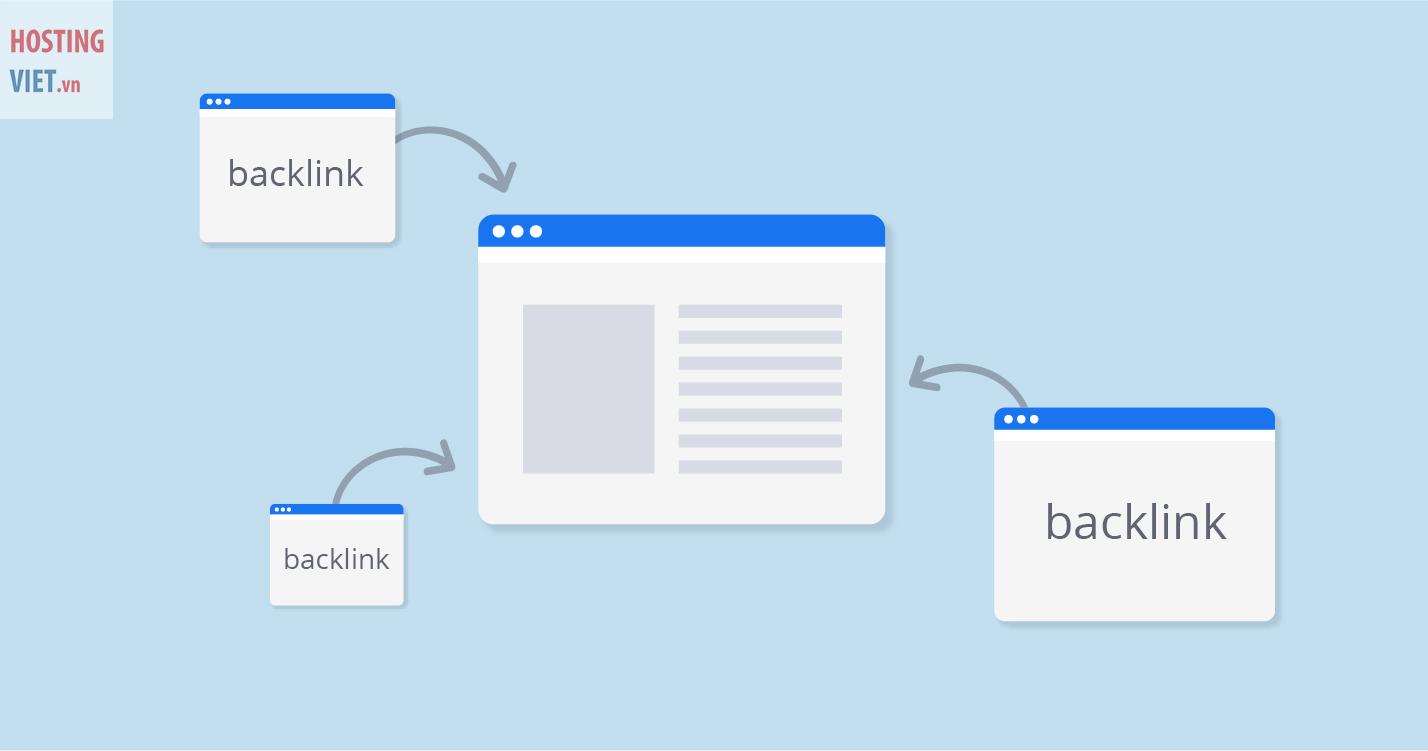
Strategy to safely remove bad backlinks without affecting SEO
1. Accurately identify bad backlinks
First, you need to filter and clearly categorize low-quality links. Some common signs:
– Backlink từ các website spam, nội dung không liên quan
– Liên kết từ các miền có DA (Domain Authority) thấp hoặc bị Google phạt
– Backlink đến từ mạng PBN (Private Blog Network) không rõ nguồn
2. Propose a safe removal process
Instead of mass removal which may trigger abnormal reports, proceed step by step:
– Liên hệ webmaster và yêu cầu gỡ liên kết (tỷ lệ phản hồi ~10-15% – Ahrefs Report, 2022)
– Sử dụng công cụ Disavow của Google để chặn các domain không kiểm soát được
– Theo dõi hiệu quả bằng cách đo chỉ số DR (Domain Rating) và organic Traffic
Real-life example: An online retail business lost nearly 40% of its traffic after receiving 500+ backlinks from anonymous forums. After disavowing all, search traffic recovered after 6 weeks.
3. Checklist for step-by-step removal of bad backlinks
- ☐ Download the entire backlink profile from Ahrefs/SEMrush
- ☐ Mark backlinks from unrelated websites
- ☐ Send removal request email if contact information is available
- ☐ Prepare a txt file and submit via Google Disavow Tool
- ☐ Monitor Google Search Console for the next 4 weeks
4. Comparison table: proactive vs. passive actions
| Strategy | Benefit | Risks |
|---|---|---|
| Proactively disavow | Protect the brand, maintain SEO | May miss good links if not thoroughly evaluated |
| Wait for Google to process | Time saving | Risk of ranking drop, loss of traffic |
5. Notes when handling bad backlinks
– Google không khuyến khích lạm dụng Disavow Tool trừ khi thật sự cần thiết (Nguồn: Google Search Central Blog, 2023)
– Ưu tiên gỡ bỏ liên kết trước khi disavow để tạo tín hiệu tốt hơn
– Tránh xóa nhầm backlink chất lượng: Điều này có thể ảnh hưởng tiêu cực đến thứ hạng
Takeaway
An effective bad backlink handling strategy requires regular checks and evidence-based actions. Be proactive in protecting your website instead of waiting for Google's algorithm penalty.
Techniques to rebuild quality backlinks after cleaning harmful links
Rebuilding from a clean foundation
Sau khi loại bỏ backlink độc hại, việc khôi phục hệ thống liên kết là bước quan trọng giúp nâng cao uy tín tên miền. Tuy nhiên, không nên vội vàng “đổ backlink”, mà nên ưu tiên xây dựng một chiến lược chậm rãi và chuẩn SEO.
Action list to restart effectively:
- Focus on creating high-quality content with natural shareability
- Contact reputable sites that previously had bad links (if any) to request anchor or linked content changes
- Sử dụng công cụ phân tích – ví dụ: Ahrefs,SEMrush – để đo lường backlink mới theo thời gian
Start with links from trustworthy sources
Prioritize sharing articles on moderated community platforms such as Reddit, Medium, and LinkedIn. Posting guest posts on industry-related blogs also helps quickly improve domain name credibility. Real-life example: A cosmetics website in Vietnam increased its organic traffic by 42% in 3 months after shifting to a strategy of acquiring backlinks from beauty experts (source: Internal DPS.MEDIA report, 2023).
Tip: Creating a high-quality link from an article with real traffic > 500/month is more effective than 10 backlinks from blogs with no readers.
Regularly check and maintain new backlinks
Even high-quality backlinks need to be monitored and periodically checked to ensure they are not switched to nofollow, broken redirects, or deleted.
Monthly maintenance checklist:
- Run a backlink report once a month
- Xác minh trạng thái liên kết Outbound – follow/Nofollow
- Update anchor text if adjustments are needed according to SEO strategy
Summary table: Channels for building quality backlinks
| Channel | Level of credibility | Traffic generation capability |
|---|---|---|
| Medium.com | Cao | Average |
| Industry-related blog | Very high *(if selected carefully)* | Cao |
| Reddit (moderated) | Average | High if targeting the right subreddit |
Lưu ý về rủi ro & thách thức
Không phải backlink nào cũng mang lại hiệu quả tích cực. Việc mua liên kết hoặc spam anchor text có thể dẫn đến hình phạt từ Google Penguin (2022 update – searchenginejournal).
Warning: Đừng cố rút ngắn quá trình link building bằng phần mềm tự động – Google đã nâng cấp AI phát hiện liên kết không tự nhiên.
Takeaway:
Xây lại hệ thống backlink sau khi làm sạch là một quá trình cần chiến lược dài hơi. Ưu tiên chất lượng hơn số lượng – và tập trung vào những liên kết mang lại giá trị thực cho người dùng.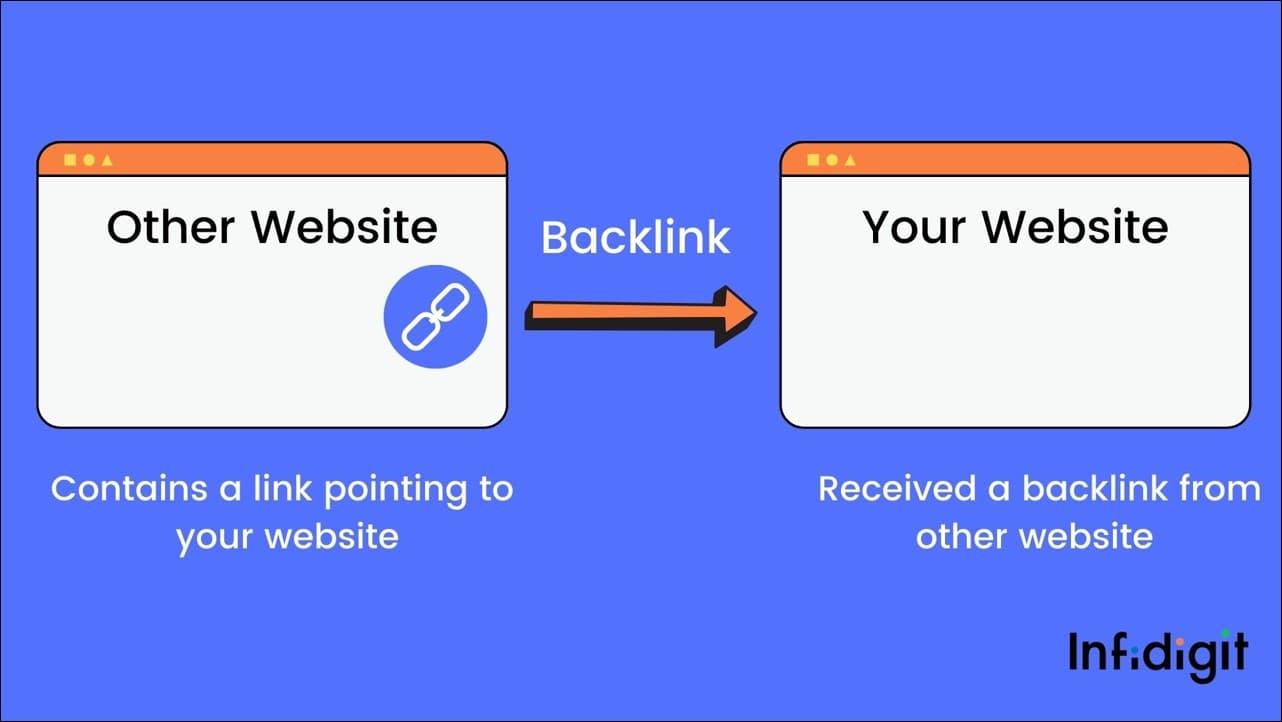
Monitoring effectiveness and maintaining Google rankings after handling bad backlinks
Monitoring rankings and traffic after processing
After removing low-quality backlinks, you need to monitor changes in keyword rankings and organic traffic:
– Sử dụng Google Search Console để so sánh kết quả trước và sau khi disavow.- Kiểm tra vị trí từ khóa chủ lực trên Google trong vòng 2-4 tuần.
– Lưu ý các chỉ số như CTR, số lượt click và số trang hiển thị.
TIP: Create a clear annotation in Google Analytics on the day you submit the disavow file to help track the impact more accurately.
Checklist for periodic monitoring after handling bad backlinks
To ensure you maintain your position on Google, implement a regular monitoring process:
- ✅ Check new backlinks weekly using Ahrefs or SEMrush
- ✅ Compare keyword rankings before and after (at least once a month)
- ✅ Theo dõi cảnh báo “Manual action” trong Google Search Console
- ✅ Update the disavow file if suspicious backlinks appear
Real example: Organic cosmetics retail site
An organic cosmetics brand in Ho Chi Minh City dropped 30% of its top 3 keywords due to receiving many backlinks from spammed sites (2023). After removing 147 domains and submitting a disavow file via Search Console, organic traffic increased by 22% after 6 weeks (According to DPS.MEDIA internal report).
NOTE: Google usually takes 1-3 weeks to respond after submitting a disavow, nhưng không phải lúc nào cũng có tín hiệu cải thiện rõ rệt – đặc biệt nếu site có nhiều backlink không tự nhiên trong thời gian dài.
Backlink processing results tracking table
| Indicators | Before disavow | After 4 weeks |
|---|---|---|
| Backlink Domain | 1,214 | 897 |
| Top 3 Keywords | 47 | 61 |
| Organic Traffic (GA) | 8,400 | 10,290 |
Long-term ranking maintenance strategy
Removing bad backlinks alone is not enough, you need to build a quality link profile:
– Đa dạng hóa nguồn backlink bằng guest post, báo chí, forum liên quan ngành.
– Kiểm tra domain trỏ về mỗi tháng để phát hiện liên kết bất thường.
– Đảm bảo anchor text không bị tối ưu hóa quá mức.
Suggestion: Chỉ nên disavow backlink khi chắc chắn chúng gây hại – Google đã xác nhận (Google Search Central, 2023) thuật toán có thể bỏ qua nhiều liên kết spam tự nhiên.
Brief takeaway
Việc xử lý backlink xấu là chưa đủ – bạn cần theo dõi liên tục và cập nhật kịp thời để duy trì thứ hạng. Một hồ sơ liên kết sạch và tự nhiên chính là nền tảng vững chắc trong chiến lược SEO bền vững.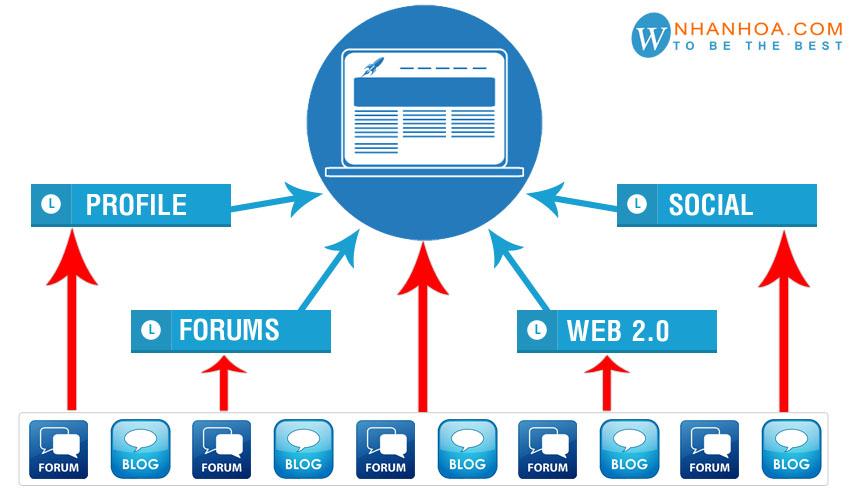
Tips to prevent negative backlinks in today's competitive digital marketing environment
Understand the origins of negative backlinks
Backlink tiêu cực thường đến từ các website kém chất lượng, spam hoặc bị phạt bởi Google. Trong môi trường SEO cạnh tranh, đối thủ có thể sử dụng Negative SEO để “chơi xấu”. Theo báo cáo của Ahrefs (2023), có đến 17% website bị ảnh hưởng bởi các liên kết độc hại mà không biết.
Some signs of negative backlinks:
– Backlink đến từ domain có nội dung khiêu dâm, cờ bạc hoặc phát tán mã độc.
– Anchor text không liên quan hoặc chứa từ khóa spam.
– Lượng backlink đột ngột tăng từ các domain không có traffic.
Checklist to protect your website from bad backlinks
Để không trở thành nạn nhân của chiến dịch “Negative SEO”, hãy áp dụng quy trình kiểm tra định kỳ 1-2 lần/tháng và phòng ngừa ngay từ đầu:
- Use tools like Ahrefs, SEMrush, or Google Search Console to scan backlinks every month.
- Verify new linking domains: check their reputation, content, and topic.
- Create a list of suspicious domains and proceed to disavow them via the Google Disavow Tool.
- Set up automatic alerts in SEO tools to update you when there are abnormalities.
- Always stay updated with Google’s algorithms and monitor SERP changes as soon as you suspect an impact.
Classification table for backlinks that need priority handling
| Type of backlink | Level of risk | Actions |
|---|---|---|
| Backlinks from penalized sites | Cao | Disavow immediately |
| Spam anchor backlinks | Average | Xác minh & đánh giá cụ thể |
| Backlinks from PBN | Trung bình – Cao | kiểm tra nguồn & escrow domain |
Real example: E-commerce website hit by an SEO attack
Một website TMĐT bán hàng thời trang tại TP.HCM bất ngờ bị rớt 9 vị trí với từ khóa chính chỉ sau 2 tuần. Sau khi kiểm tra với ahrefs, nhóm SEO nội bộ đã phát hiện hơn 285 backlink mới từ các blog “nhái” có nội dung vô nghĩa, hầu hết từ các IP ở nước ngoài. Sau khi disavow và gửi yêu cầu lên Google, phải mất 3 tuần để thứ hạng phục hồi một phần.
Brief takeaway
Preventing negative backlinks is not a one-time task, but a continuous process. By proactively monitoring, evaluating, and removing harmful links, businesses can protect their brand from unnecessary ranking drops.
Remaining thoughts
Identifying and removing bad backlinks helps the website maintain credibility and improve search rankings. This is an important process in an overall SEO strategy.
Regularly check your backlink profile and disavow harmful links. Proactively protecting your website is the key to sustainable success.
Bạn có thể tìm hiểu thêm về “Kỹ thuật SEO Offpage hiệu quả” hoặc “Cách xây dựng backlink chất lượng cho website mới”. Đây là các chủ đề liên quan chặt chẽ bạn nên xem ngay.
DPS.MEDIA is always ready to share SEO strategies tailored for small and medium businesses. Don’t hesitate to comment below if you have any questions or experiences to share!