


Mô hình kinh doanh theo chuỗi nhà hàng ẩm thực hay các quán cà phê (F&B) dù đang phát triển “nóng” nhưng chưa bao giờ là dễ dàng cho những người trong cuộc. Ngay cả các ông lớn như: McDonals, Burger King cũng không thành công như mong muốn tại Việt Nam. Vậy đâu là nguyên nhân chính dẫn đến thực trạng này? Và đâu là yếu tố quyết định sự thành công của mô hình kinh doanh theo chuỗi này tại thị trường Việt Nam là gì? Trong bài viết này, DPS will answer the above question in detail.
I. Thực trạng mô hình kinh doanh theo chuỗi của ngành F&B tại Việt Nam.
1. Forecast

Food and Beverage (F&B) là một trong những lĩnh vực “sôi động” nhất ở Việt Nam. Khi mà nó chiếm đến 15% GDP trong năm 2018 và với tốc độ tăng trưởng hàng năm ổn định ở mức 7% (Wang, 2020).
Ngành F&B của Việt Nam trong giai đoạn 2014 – 2019 có tốc độ tăng trưởng xấp xỉ 18%/ năm theo Euromonitor. This figure is forecast to continue increasing as economic and social development leads to improved living standards. Especially as the middle class in Vietnam is growing.
Indeed, according to calculations by Nielsen, Vietnam had about 33 million people classified as middle class in 2022 and this will increase to about 95 million people by 2030.
What are the criteria that Nielsen uses to define the middle class? There are 2 criteria to identify this class. First, households with consumption spending over 15 USD/person/day. The other criterion is that their total spending on food and beverages accounts for 30% to 40% of total income.
Trong khi đó, doanh thu dự đoán của ngành F&B là khoảng US$665 trước năm 2024 và với tốc độ tăng trưởng trung bình là 8%/năm trong giai đoạn 2020-2024 (Statista, 2020).
2. Các “đại gia” lớn trong ngành F&B trên thị trường Việt Nam
Cũng bởi những tiềm năng phát triển vô cùng lớn của ngành F&B mà cuộc chiến tranh giành thị phần chưa bao giờ hạ nhiệt. Từ Golden Gate , Redsun, công ty Huy Việt Nam và IPP Group.
2.1. Golden Gate
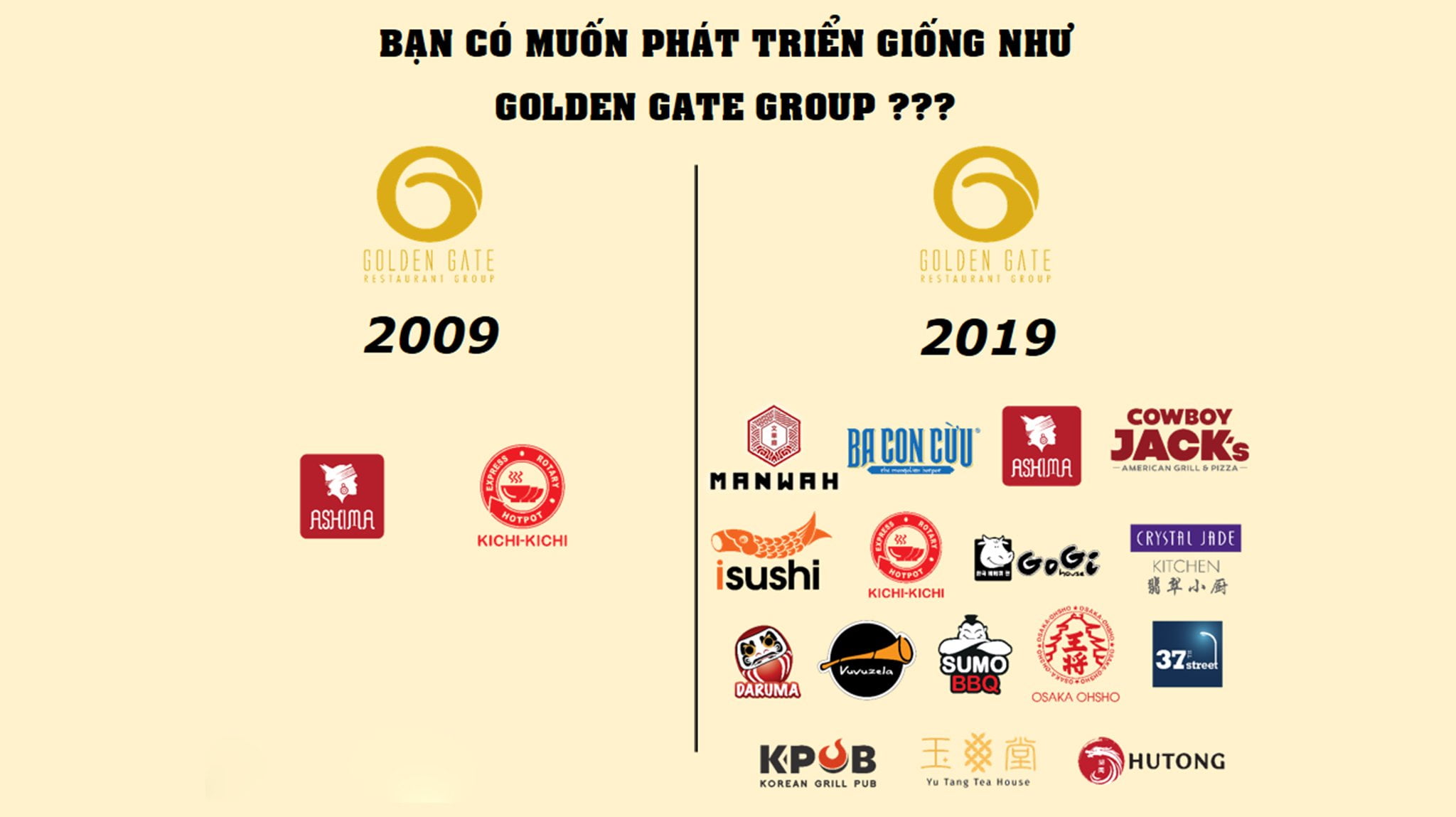
Golden Gate Trading Joint Stock Company – Golden Gate là công ty chiếm giữ thị phần áp đảo trong thị trường F&B Việt Nam. Hiện nay, Golden Gate kinh doanh và sở hữu gần 300 cửa hàng khắp cả nước bao gồm nhiều thương hiệu nổi tiếng và được giới trẻ yêu thích: Kichi-Kichi, Sumo BBQ và Vuvuzela v.v. Cuộc “lột xác” đầy ngoạn ngục của Golden Gate được nhiều chuyên gia kinh tế nhận định là nhờ vào sự rót vốn “khủng” cộng với hỗ trợ các mối quan hệ với chuyên gia trong lĩnh vực ẩm thực đến từ Standard Chartered and Mekong Capital.
2.2. Redsun
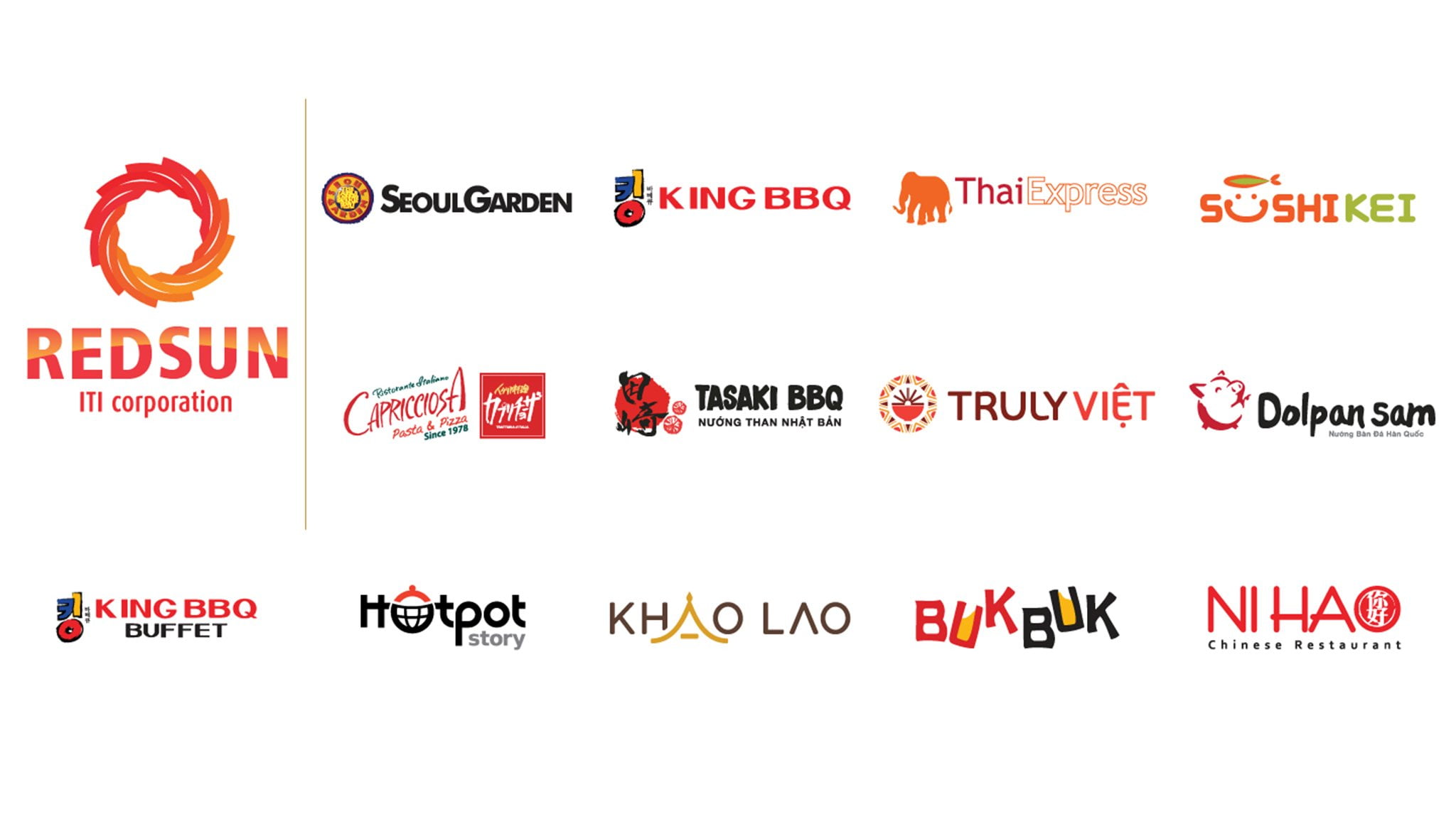
Được xem là đối thủ của Golden Gate trong cùng phân khúc này không ai khác chính là công ty cổ phần Đầu tư thương mại quản trị Mặt trời đỏ – Redsun. Currently, Redsun owns more than 200 stores in 26 provinces and cities nationwide. However, Redsun's operational efficiency is not highly rated. In 2018, revenue reached over 620 billion VND, up 14% compared to 2017; however, Redsun's pre-tax profit was only 1.4 billion VND.
2.3. Huy Vietnam Company
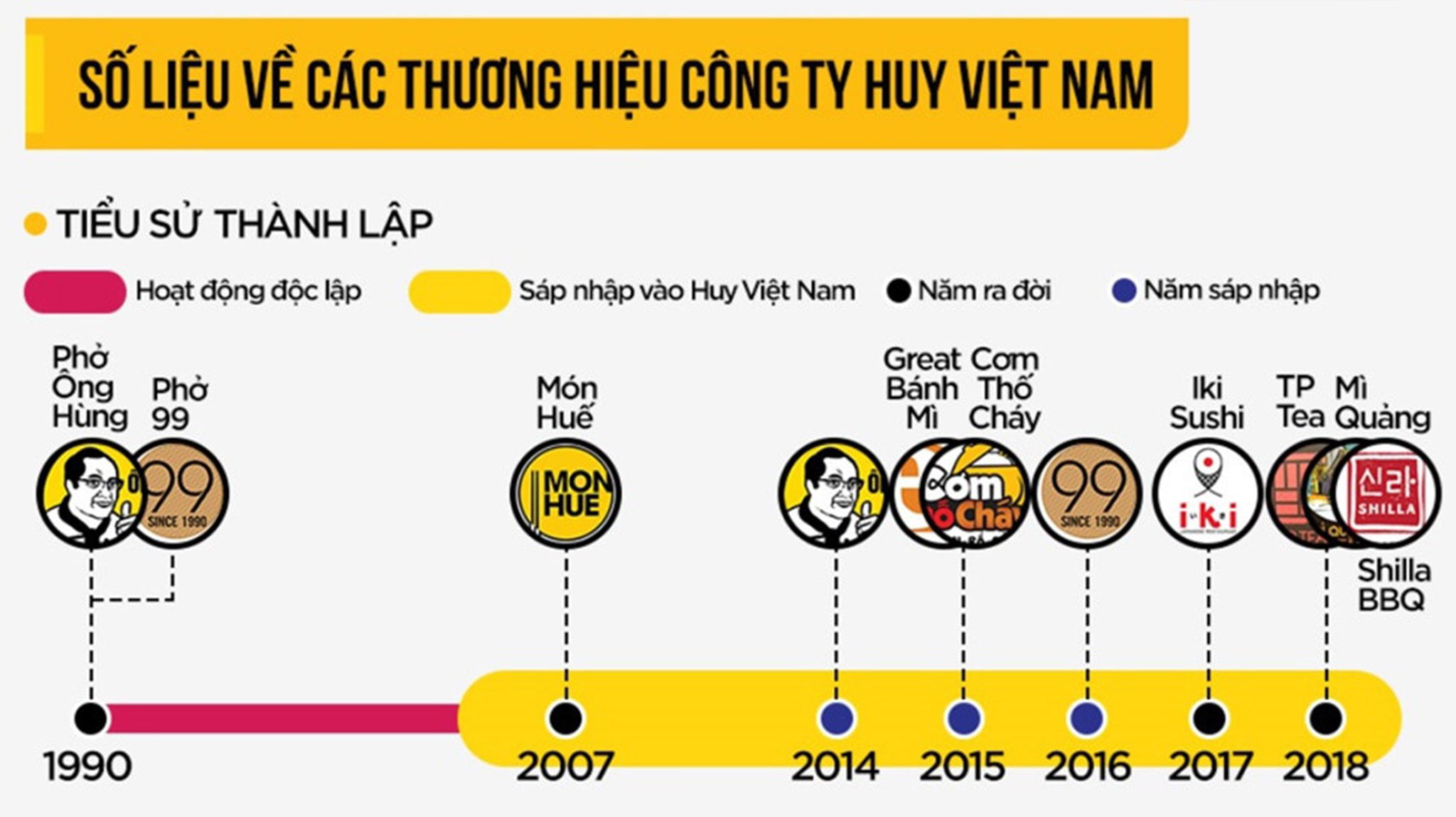
The beginning of Q4 2019 witnessed the “departure” of the chain business model of Huy Viet Nam Company (Mon Hue Restaurant) after more than 12 years of existence and development in the market. In addition, the company had previously succeeded with many Vietnamese culinary brands such as: Pho Ong Hung, Com Tho Chay, Pho 99, etc. However, strategic missteps in business orientation caused the company to lose ground in the market share battle.
2.4. Franchising
It would truly be an omission not to mention a new but rapidly developing trend: franchising brands. A typical example is IPP Group with brands including: Burger King, Domino’s Pizza, or Popeyes… who are also striving to win over Vietnamese tastes.
3. Covid19 – the major “shockwave” for the chain restaurant business model.
Tất cả những dữ liệu trên rất khả quan cho đến khi “cơn địa chấn” mang tên COVID19 gieo rắc nỗi ám ảnh của nó trên hầu hết các lĩnh vực. Nhưng có lẽ chịu ảnh hưởng nhiều nhất phải kể đến ngành F&B.
When the revenue of the restaurant chain business model dropped significantly compared to pre-pandemic times. However, large companies like Golden Gate had already prepared scenarios for when “storms” arose. In terms of raw materials, the company was not greatly affected because from the start they had diversified import markets. In addition to updating information about the epidemic, Golden Gate's chain stores also implemented disease prevention measures to build customer trust when coming to the restaurant, such as:
- 100% of employees are required to wear masks when serving customers.
- Hand sanitization.
- Continuous cleaning and sanitizing in the restaurant, etc.
In addition, Golden Gate's quick response ability was shown by implementing a home delivery program while still ensuring the same standards as dining in. This program helped them partially secure revenue and provided new directions to develop this service if demand for at-home dining continues to rise. This is a concrete example of “opportunity in crisis” that many people mention.
II. Ba thách thức cốt lõi của mô hình kinh doanh theo chuỗi mà ngành F&B đang phải đối mặt.
Trong phần trên DPS đã có những khái quát chính về thực trạng của ngành F&B trong những năm qua và dự báo phát triển trong giai đoạn 5 năm tiếp theo. Cũng như sự ảnh hưởng của Covid 19 đến “tình trạng sức khoẻ của ngành”.
In the next section, DPS will address the three main challenges that food and beverage business owners will face when pursuing the chain business model.
1. Tư duy quản trị – Linh hồn của mô hình kinh doanh theo chuỗi
Một khi bạn xác định phát triển mô hình kinh doanh chuỗi trong lĩnh vực F&B; thì rào cản đầu tiên đối với bạn đó vấn đề tư duy trong cách quản trị. Hai vấn đề được coi là then chốt trong phát triển mô hình kinh chuỗi là quản lý chất lượng sản phẩm và đồng thời đưa ra phương pháp quản trị phù hợp để duy trì chất lượng khi mở rộng mô hình.
Đây thực ra là bài toán khó cho chủ doanh nghiệp khi hướng đến phát triển kinh doanh chuỗi cửa hàng. Thực tế, không phải tất cả mô hình trong lĩnh vực F&B đều có thể phát triển thành chuỗi được. Vấn đề nằm ở chỗ có một số sản phẩm trong lĩnh vực kinh doanh ăn uống rất khó có thể mở rộng mà vẫn duy trì được chất lượng sản phẩm và dịch vụ.
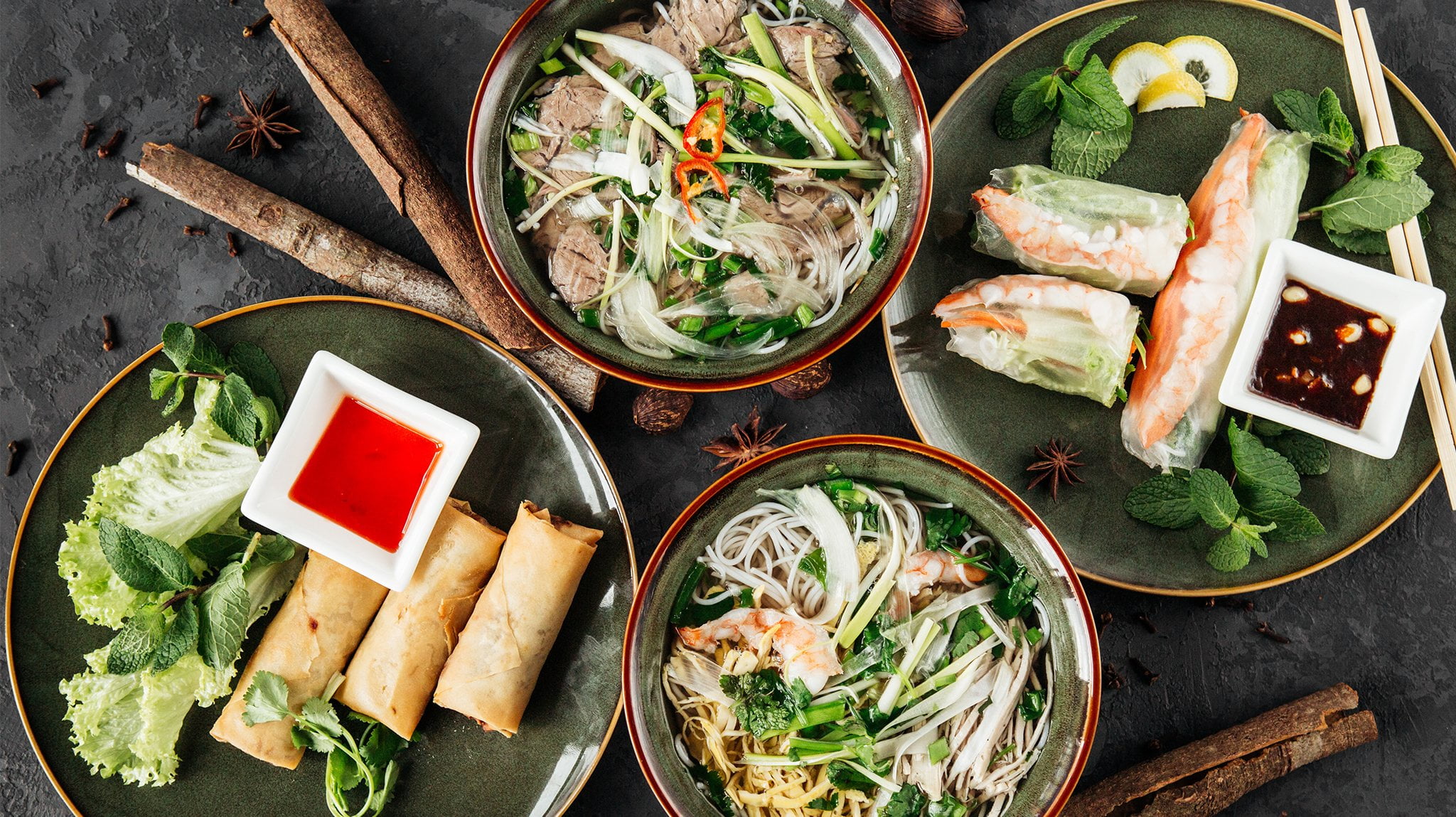
Mr. Ly Quy Trung the founder of Pho 24, objectively assessed the business model in his autobiography. Mr. Trung stated that when expanding the system too quickly, they faced a huge challenge: how to maintain consistent quality across the entire chain of stores.
On the other hand, even within a chain, the quality of products and services varies greatly between stores. If business owners do not seek solutions to address this, when crises occur such as the COVID-19 pandemic, it will be a test of the “resilience” of your business model.
Why does inconsistency in quality appear when expanding a chain of stores?
There are quite a few reasons to answer this question. DPS would like to use the Mon Hue restaurant chain business model as an example for easier visualization.
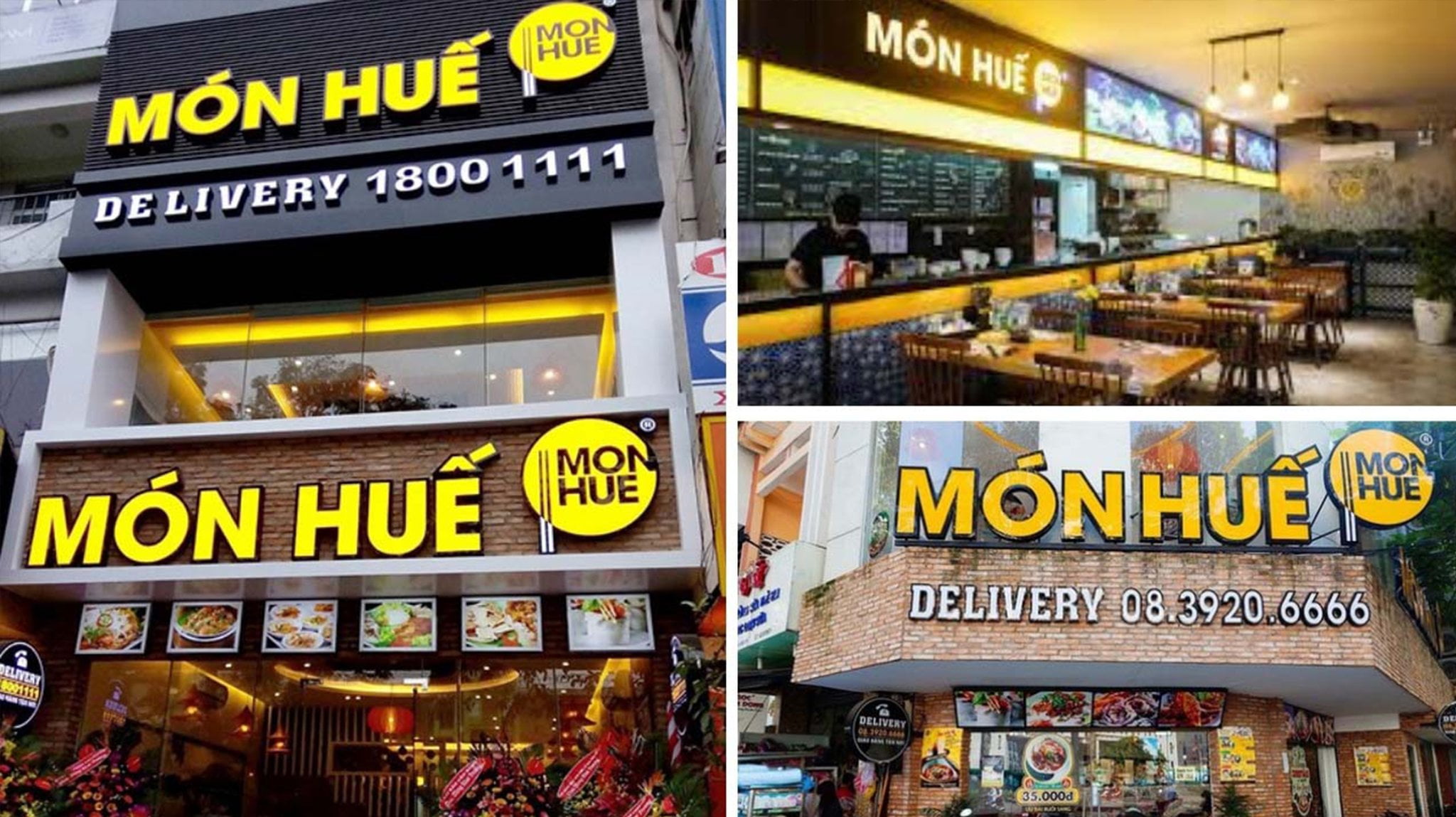
In the restaurant chain business, the less dependent on the head chef, the better. This means the process must be standardized and the dishes must be simple and not overly complicated to prepare. Meanwhile, when it comes to Hue cuisine, customers imagine dishes with the royal Hue style, which are already elaborate and sophisticated. Therefore, preparing these dishes requires very strict quality management.
Expanding the chain model while still ensuring consistent quality for Hue dishes seems to be an impossible task. This is one of the reasons many people notice that when there were only one or two stores, the quality at Mon Hue was quite good. However, when it expanded into a restaurant chain, the quality of the dishes gradually declined.
DPS can conclude that this is one of the fatal weaknesses of the Mon Hue business model.
2. The value of “sacrifice” in the restaurant chain business model
The next challenge for the chain business model lies in eliminating redundant factors in products and services.
“Sacrificing” things that do not bring high economic value to the store. This is considered a solution to adjust the business model to be suitable for development and to control service quality when scaling up.
In other words, all redundant factors must be eliminated, processes standardized; continuous training organized and technology applied to be able to create products consistently.
So what factors are considered redundant? There are two main factors for businesses to determine this:
- Products that do not bring high revenue or high economic value.
- Products that are difficult or impossible to standardize when expanding.
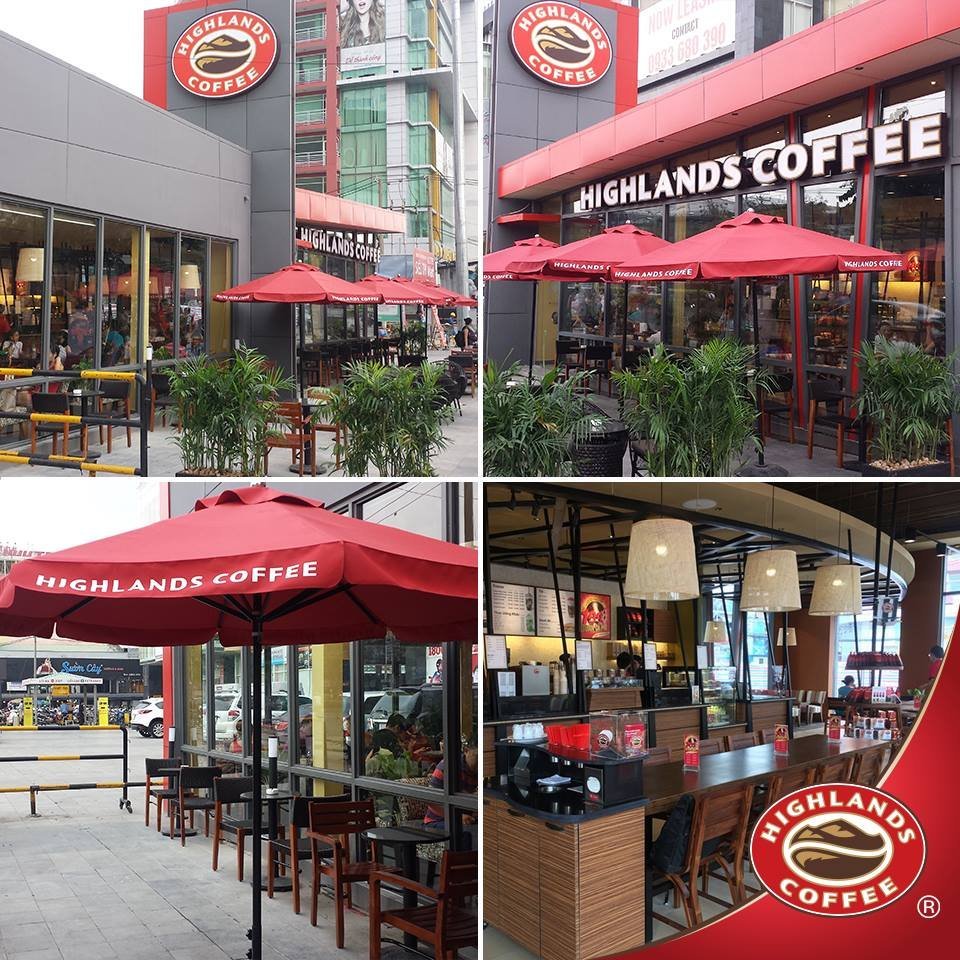
DPS sẽ sử dụng một ví dụ kinh điển trong ngành F&B khi chấp nhận “hy sinh” những thứ thừa thãi để phát triển vượt bậc. Đó chính là Highlands Coffee. Khi mới “chào đời” thì menu thức uống của Highlands có đến 50 sản phẩm. Tuy nhiên, đến năm 2019 thì với quy mô hơn 240 cửa hàng trên cả nước (Cafef.vn, 2019); Highlands' menu was reduced to only 18 items (Highlands Coffee, 2020).
You see, in fact, if you sacrifice correctly and appropriately, the value it brings is truly “sweet”!
3. Training people suitable for the chain business model.
The final factor that DPS wants to mention is training a workforce capable of managing and maintaining product and service quality during expansion.
3.1. The importance of preparing Human Resources when expanding a chain of stores
Besides the ability to standardize processes to maintain quality, which is extremely important, your customers also experience the service through their connection with people; in this case, it is the store staff. Therefore, standardizing processes from service style to problem-solving for all employees also needs to be standardized and thoroughly trained.
In case you develop a restaurant chain business model too quickly; but the system for standardizing product quality processes is not tight enough, causing shortcomings. This will cause the Domino effect. This means the management apparatus and company workforce are “forced” to expand to handle the enormous workload. In the long run, failure is hard to avoid if timely remedies are not implemented.
3.2. Difficulties and solutions for Business Owners in selecting personnel when wanting to expand the business chain.

In addition, business owners who choose to operate under a chain model also face difficulties due to a shortage of management-level personnel. Because at this time, the workforce must increase by 2 to 3 times to ensure the operation of the restaurant chain.
If the business owner blindly trusts and does not have appropriate control measures, dishonest managers can cause losses and damage to the restaurant.
On the other hand, if the restaurant owner is a micromanagement-style manager, it is very difficult for them to trust and delegate tasks to employees. Meanwhile, the business owner themselves cannot handle all the work alone.
So, in addition to preparing management mindset, quality management, and standardizing product processes, training and human resource management also need to be emphasized.
III. What are the solutions for developing the chain business model for enterprises?

In fact, during the implementation of the chain store business model, businesses are required to have a long-term and solid development strategy. Say no to rapid, hasty development when facilities, people, and management processes are not yet fully developed. Especially in the Vietnamese market, rental costs and employee salaries only tend to increase, not decrease. Therefore, to ensure success when operating under the chain model, businesses need to carefully consider the following factors:
1. The brand of the business chain system
Consistency across all business locations is considered truly essential. This includes standards for premises, store image, interior layout, and staff service style. More importantly, business owners need to consider whether the chosen business location is suitable for the product, service, and easily accessible to the target customers the business aims for. In case the store operates at a loss beyond the contingency plan, you should quickly decide to close the unprofitable stores.
2. The operating system for the chain business model
To develop a complete operating system, business owners need time and expert consultants to build and perfect it.
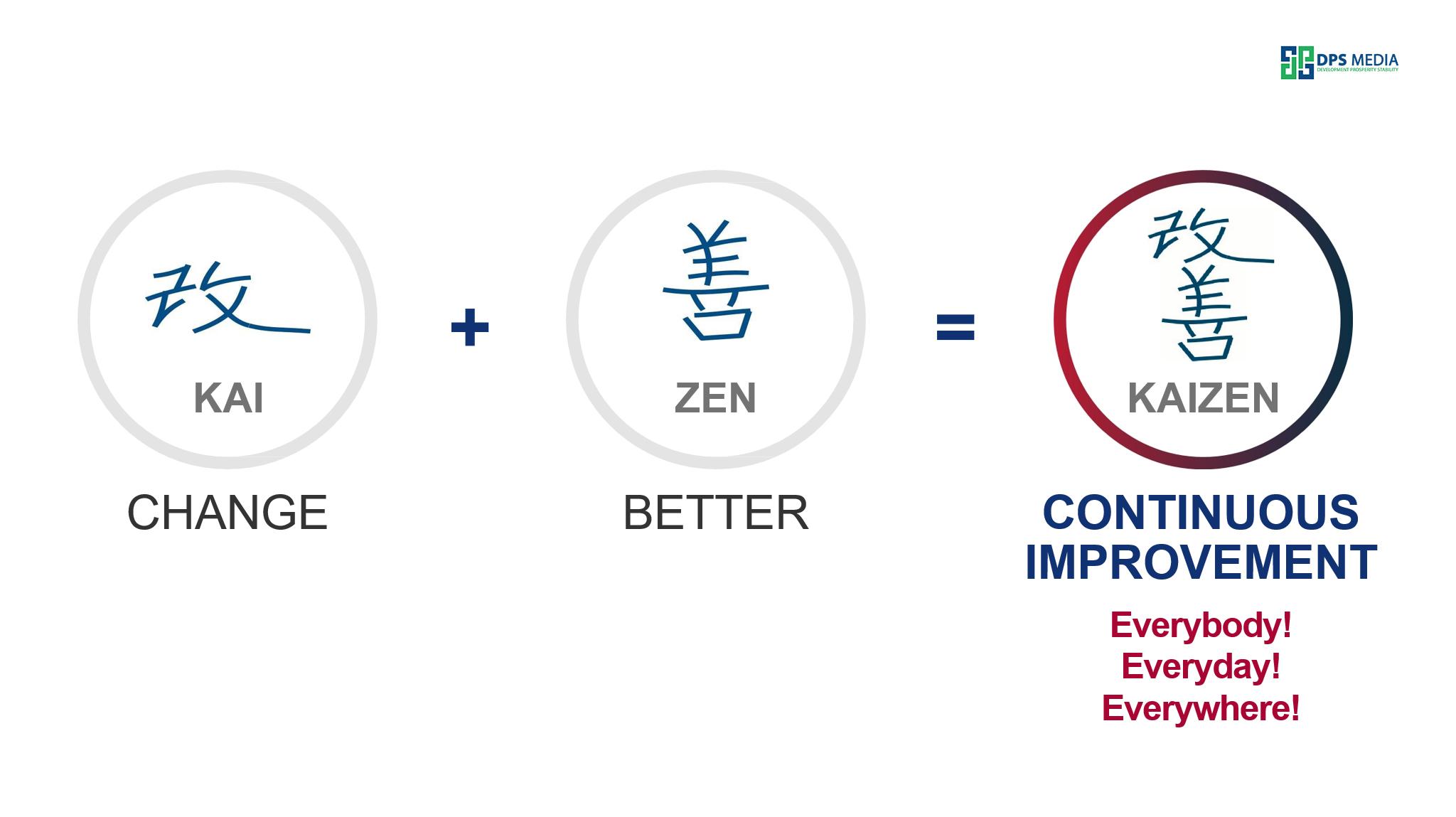
Kaizen is one of the very good management philosophies that business owners can absolutely apply. Making small changes over a long period of time results in great achievements from those changes and is well worth your perseverance.
In the 4.0 era, besides human resources and control processes, suitable management software will support business owners in operating the chain business model.
3. Human resources

The issue for business owners is to train a good workforce with management skills, experience, honesty, dedication, and loyalty to the business. However, finding someone who meets all these criteria seems like “looking for a needle in a haystack.”.
Therefore, business owners should aim to build a management and work reporting system centralized on one platform to easily manage and control their chain business model. Firstly, this can help employees self-adjust and comply with the strict working processes of the business. Secondly, this will help limit financial and inventory risks.
In addition, businesses also need to pay attention to building regular training programs to train and develop the knowledge and skills of employees at all levels on:
- Food safety and hygiene procedures.
- Training service staff and management skills.
For example, if your store is a coffee shop chain. If you are a business owner with a strategic and long-term vision, you should create opportunities for employees to attend training courses in beverage preparation or barista skills, for instance.
4. Suitable products for the chain business model
The issue of controlling consistent product quality and stable pricing.
Bên cạnh đó, bạn cần tìm hiểu sở thích của khách hàng nhằm phát triển sản phẩm mới phù hợp đáp ứng nhu cầu cũng như xu hướng của khách hàng mục tiêu. Mô hình kinh doanh chuỗi trong ngành F&B rất “nóng” nhưng lại có quy luật đào thải rất nhanh đặc biệt ở một thị trường sôi động như ở Việt Nam.
This requires businesses not to just follow trends to meet customer needs. Business owners should use marketing tools to detect and create trends. How? The next section will answer this question for you.
5. Building a marketing strategy for the restaurant chain business model

Marketing is the tool that business owners can leverage to collect information and customer preferences. From this data, with the keen and sensitive eyes of a Marketing expert, the needs of target customers can be discovered—even when customers themselves are not yet aware of their own needs.
In addition, business owners cannot lack an integrated marketing communication strategy – Integrated Marketing Communication – IMC. To deliver messages to target customers in the most consistent and effective way.
Besides, there is also a marketing strategy for each quarter and year for each sales point. At the same time, establish a customer care program to collect customer data, understand needs, and promptly resolve arising complaints. Doing these well helps prevent the situation of “one bad apple spoils the bunch.”
Reference documents:
Cafef.vn. (2019). “Đại chiến” chuỗi cà phê: Highlands quy mô áp đảo, The Coffee House tăng trưởng gấp đôi để vượt mặt Starbucks. Retrieved from Cafef.vn: https://cafef.vn/dai-chien-chuoi-ca-phe-highlands-quy-mo-ap-dao-the-coffee-house-tang-truong-gap-doi-de-vuot-mat-starbucks-20190612110847722.chn
Highlands Coffee. (2020). Menu. Retrieved from Highlandscoffee: https://www.highlandscoffee.com.vn/vn/san-pham.html
Statista. (2020). Food & Beverage Vietnam. Retrieved from Statista: https://www.statista.com/outlook/253/127/food-beverages/vietnam
Wang, C. N. (2020). A DEA Resampling Past-Present-Future Comparative Analysis of the Food and Beverage Industry: The Case Study on Thailand vs. Vietnam. Mathematics, 8(7), 1140.