

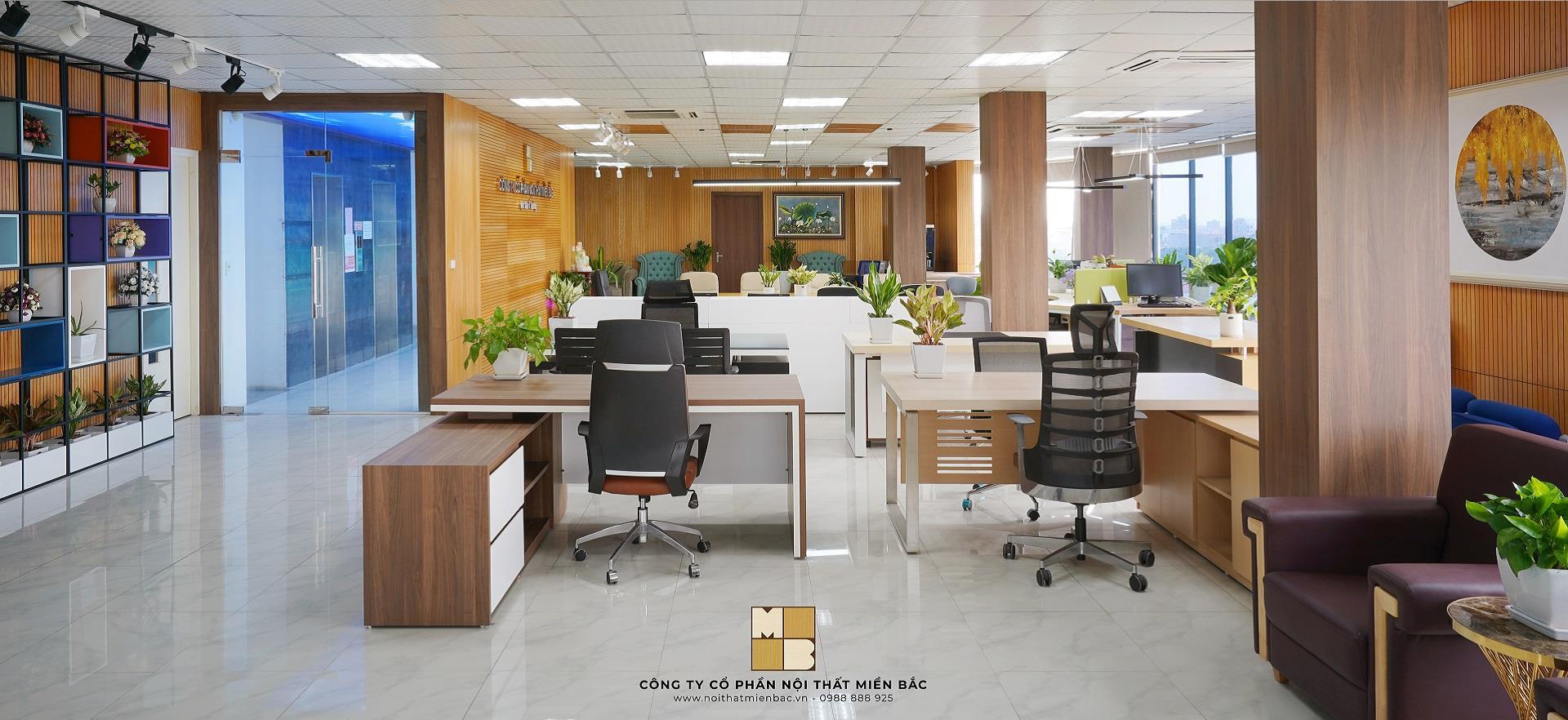

A capability profile is not just an introduction document – it is a strategic weapon in building an interior business brand. In a market where aesthetics and trust play a key role, a professionally designed capability profile can be the deciding factor that helps clients trust and choose you over competitors. Having accompanied many architecture – interior businesses in building their brand image, I have found that many talented companies “hide themselves” behind sketchy profiles, which do not truly reflect their capabilities. Meanwhile, companies that design strategic profiles – from brand storytelling to project presentation – often receive quick trust from investors and partners..
According to a Houzz Pro survey (2023), up to 78% of B2B customers assess the professionalism of an interior company through its capability profile before making a cooperation decision. This shows that the profile not only conveys information – it shapes perception, builds trust, and creates an irreversible first impression.
This topic is especially important in the context of Vietnam's interior industry, which is experiencing high growth but increasingly fierce competition. The question is: how can your capability profile be more than just an introduction, but become an “inspiring experience” for viewers?
In this article, I – Hiển – will join you in exploring the mindset of capability profile design through the lens of brand strategy, aesthetics, and viewer experience. This is not just a journey of making documents – but a journey of establishing business class.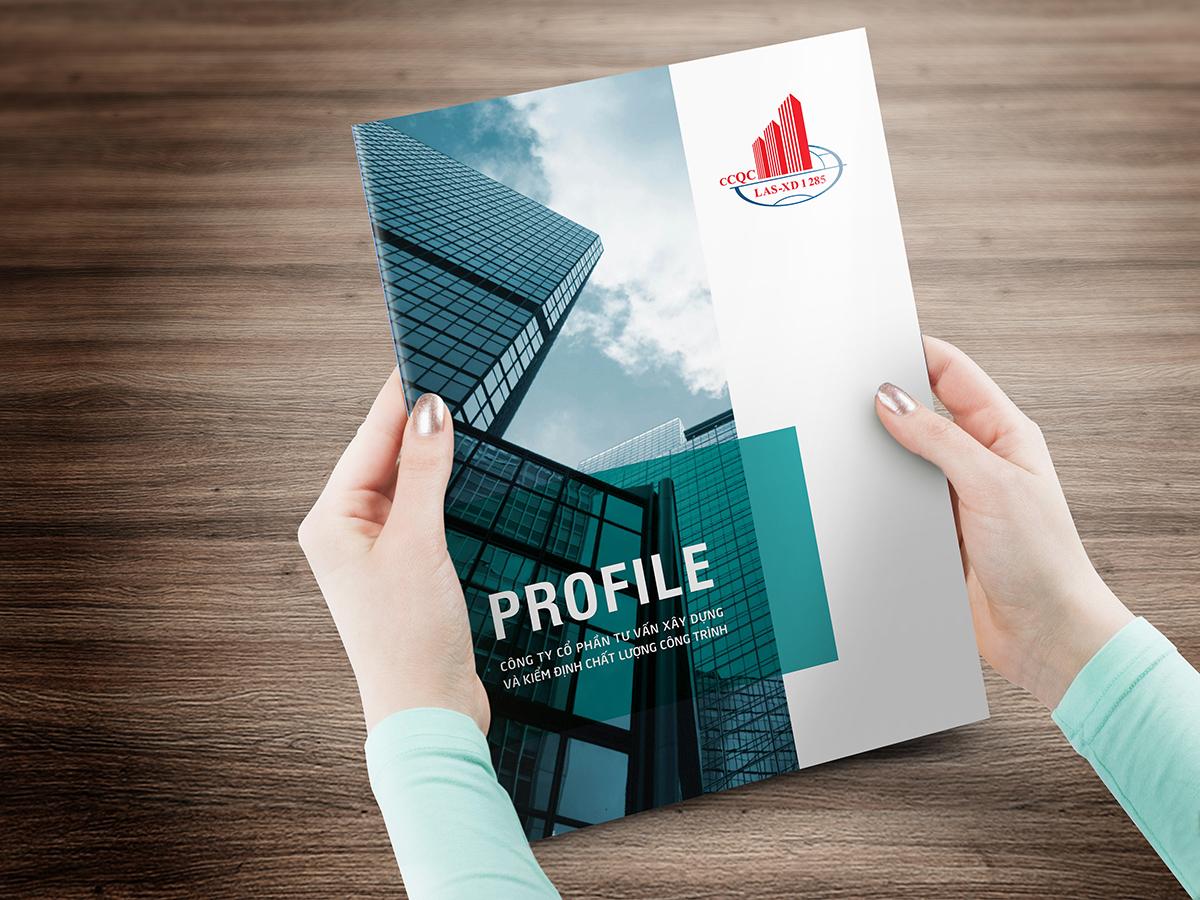
The importance of a capability profile in the interior design industry
A capability profile is a tool to build trust with clients and partners
In the field of interior design, where customers always value aesthetics and professionalism, a well-designed company profile can make a difference. It is not simply a catalog listing projects, but also clear evidence of construction experience, design capability, and the company's vision.
According to research in the book “Design for Business” by Melinda S. Marcus (2020), materials representing visual identity make a stronger impression by more than 60% compared to words or simple pitches. This also explains why many large companies such as AConcept good Module invest heavily in profile publications right from the start of the market expansion campaign.
Showcase creative capabilities and clear brand positioning
The capability profile is where my team and I DPS leverage the full design mindset to tell the brand story – from unique spatial solutions, distinctive construction styles, to optimized processes for working with clients.
For example, we once redesigned the profile for a furniture company specializing in Japanese minimalist spaces. Instead of using vibrant colors, the profile focused on white space, slender typography, and visually optimized layouts – true to the Wabi-sabi spirit. Within just 3 months after the campaign, the company signed 7 new contracts with major corporate clients.
Optimized for marketing goals and sales strategies
This document not only serves an introductory purpose, but is also a strategic tool for pitching sessions, bidding, or sending online proposals. Information such as the core team, project implementation process, or data on successful clients will help increase credibility and the likelihood of closing contracts.
| Components | Goal |
|---|---|
| Design philosophy | Expressing identity and positioning interior brand |
| Project Portfolio | Demonstrate execution capability and style diversity |
| Workflow diagram | Increase transparency, strengthen customer trust |
| Customer reviews | Create effective social proof in just a few lines |
Nếu ví mỗi chi tiết nội thất là một phép ẩn dụ không lời, thì hồ sơ năng lực chính là “bản giao hưởng trực quan” – nơi hội tụ đầy đủ nghệ thuật, kỹ thuật và chiến lược của một thương hiệu.

Define the brand message in the profile design
A brand is not just a logo – it's the impression left on the viewer
Một thiết kế hồ sơ năng lực không đơn thuần là bộ sưu tập hình ảnh dự án hay giới thiệu dịch vụ nội thất.Đó là nơi kết tinh thông điệp thương hiệu – thứ đại diện cho cá tính, đẳng cấp và định vị mà doanh nghiệp muốn gửi gắm. Theo nghiên cứu của Marty Neumeier trong cuốn “The Brand Gap”, thương hiệu mạnh là khi người xem hiểu ngay lập tức how your business is different – and design is the key to conveying that.
Tôi từng làm việc với một công ty nội thất chuyên về phong cách Indochine cao cấp. ban đầu, họ trình bày hồ sơ bằng file Word đơn thuần, không có điểm nhấn nhận diện. Sau khi tái cấu trúc thiết kế,chúng tôi triển khai concept với màu sắc trầm,kiểu chữ serif cổ điển,bố cục cân đối theo tỷ lệ vàng. Kết quả: chỉ trong 3 tháng, họ nhận được hợp đồng thiết kế nội thất biệt thự trị giá hơn 2 tỷ đồng, xuất phát từ… hồ sơ năng lực gửi qua email.
The brand message needs to be consistent in every small detail
In a capability profile, every design element – from layout grid to headline choices – must serve the same brand direction. An interior design profile focused on office projects should express minimalism and professionalism with neutral colors and wide white space. Conversely, an art-oriented, emotionally rich brand can leverage unique typography, full-frame images, and a freer layout.
Below is a summary table comparing how to convey messages based on brand style:
| Brand style | Main color | Recommended fonts | Suggested layout |
|---|---|---|---|
| Modern Minimalist | Cool gray, white, black | Sans-serif (Montserrat, helvetica) | 12-column grid, thick white space |
| High-End Artistic | Gold, light blue, black | Serif (Playfair Display, Garamond) | Free layout, large images, standout typography |
| Eco-Amiable | Green, beige, earth brown | Soft sans-serif (Lato, Raleway) | Compact layout, organic illustrations |
- “Consistency is key” – a beautiful profile but off-brand is a failure.
- Always ask yourself: “Is my message clear enough? Is it aligned with the positioning?”
- The design must immediately say: “This company is different because…” without needing verbal explanation.
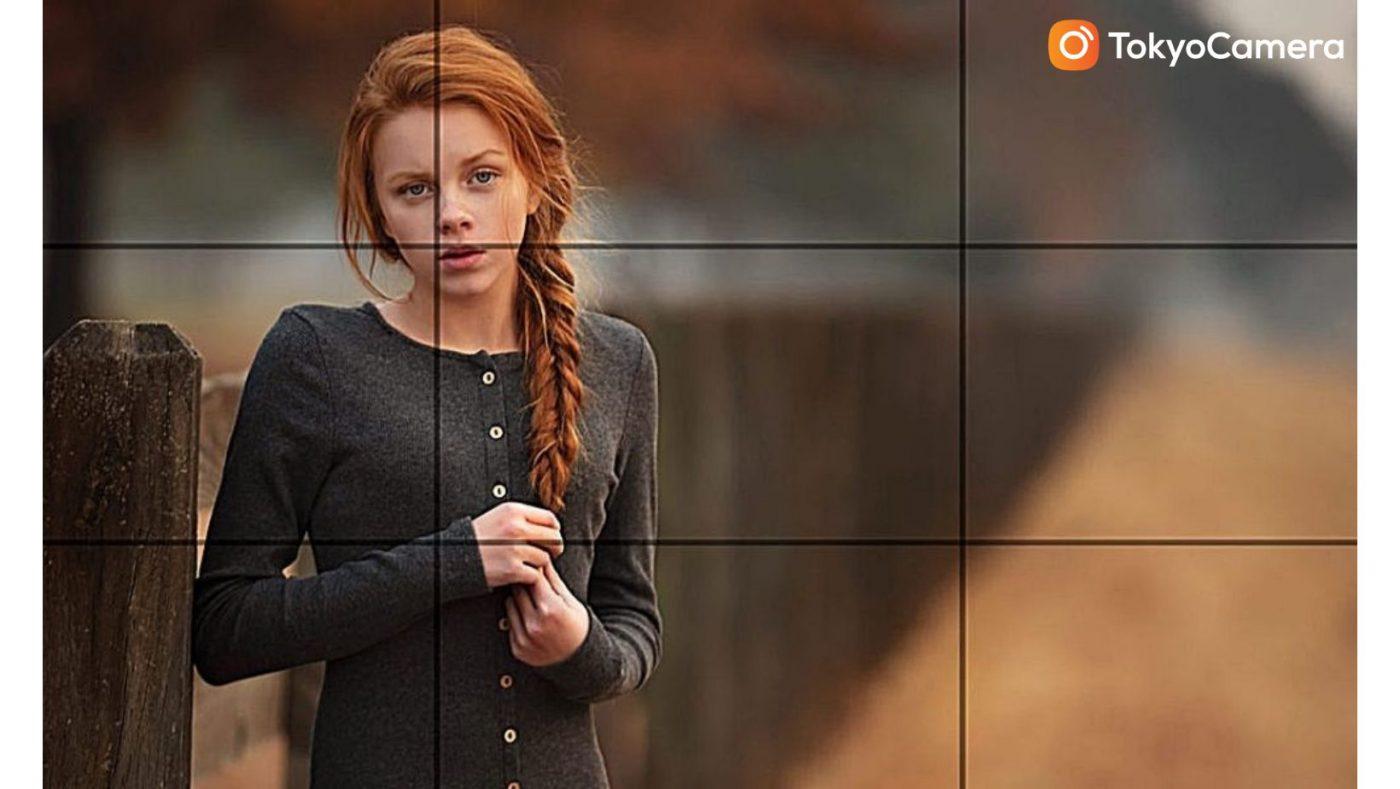
A professional layout creates a positive impression with partners and clients
An intuitive layout helps clearly convey brand value
In the design of a furniture company profile,, a polished layout is not just about aesthetics – it’s how the business tells its story through visual intuition. Based on Edward Tufte’s research on information presentation, a well-structured document helps readers grasp the core message within the first few seconds. We often apply the Golden Ratio to distribute content, making each section balanced and more memorable.
Design a logical content hierarchy system – Real case study at DPS
Recently, we worked on a profile design project for a high-end furniture company in Ho Chi Minh City. They had excellent products but their introduction materials lacked highlights. We restructured the layout by dividing the content into 5 functional areas:
- Quick introduction: Summarize company information with Infographic
- Development journey: Use a dynamic, easy-to-scan Timeline
- Lĩnh vực & thế mạnh: Use illustrated icons to highlight core services
- Featured projects: Bố cục “modular grid” – ảnh lớn, caption ngắn
- Cam kết & định hướng: Separate blocks, emphasize long-term strategic factors
The result? The client reported that the deal closing rate increased by 231% within just 3 months after sending the profile – a clear testament to the power of professional presentation.
Highlight information with WordPress-compatible formatting
| Component | Visual effects | Strategic benefits |
|---|---|---|
| Highlight metrics | Large numbers + colored background | Builds credibility, grabs attention quickly |
| Project item | Full-width image + description under 50 words | Inspire, demonstrate real capabilities |
| Testimonial | Insert block quote with image | Increase credibility from clients, partners |
Tóm lại, một bố cục tốt không chỉ là “đẹp” – mà còn là cách chúng ta dẫn dắt suy nghĩ người đọc, tạo cảm giác chuyên nghiệp và cam kết ngay từ trang đầu tiên. Đó chính là khởi đầu tốt đẹp cho mọi mối quan hệ kinh doanh.
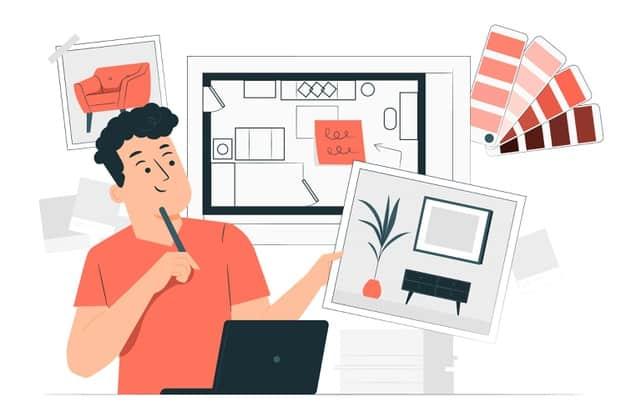
Use images and graphics to showcase design capabilities
Visualize design language with a consistent visual system
Việc chuyển đổi từ mô tả sang trực quan không chỉ giúp khách hàng “nhìn thấy” chất lượng, mà còn cảm nhận được triết lý thiết kế của công ty. Một hồ sơ năng lực nội thất hiệu quả không thể thiếu hệ hình ảnh có phong cách nhất quán: từ phối cảnh 3D, bản vẽ kỹ thuật đến ảnh chụp hoàn thiện thực tế. Tôi từng nghiên cứu cuốn “Visualizing Architecture” của Alex Hogrefe – trong đó ông nhấn mạnh rằng: “Một bản thiết kế đẹp là chưa đủ, nó phải được kể bằng một câu chuyện hình ảnh mạnh mẽ.” Với tư duy đó, tôi áp dụng storytelling trực quan trong từng dự án, giúp khách hàng không chỉ thấy một không gian, mà còn hiểu phong cách sống bên trong nó.
Đồ họa thông minh giúp “gợi mở thay vì mô tả”
Instead of overwhelming with text, I use infographics,circular charts or timelines to illustrate the construction process – especially effective when the profile targets management or project departments of real estate partners. Below is an example table comparing design elements that I once presented for a high-end interior showroom project:
| Criteria | Original design | Optimized design by DPS |
|---|---|---|
| Recognition level | 56% | 89% |
| Idea presentation time | 8 minutes | 3 minutes by graphics |
| Customer retention rate | 32% | 65% |
Increase persuasiveness through Gestalt principles
According to studies from the Bauhaus Institute of Design (Germany), Gestalt principles play an important role in shaping visual perception. I apply principles such as “proximity – distance”, “continuity”, or “figure-ground” when arranging image layouts to guide the viewer’s eyes along a logical flow. For example, in the Phuong Nam coffee shop project in Vung Tau,using images combined with variable lighting helps customers feel the emotional transition from the entrance to the bar counter.
- Why is it effective? Images evoke emotions faster than words.
- How to do it: Use one main color palette, connect image slides with a unified layout.
- Result: Increase the reader retention rate for the entire capability profile by 40%.
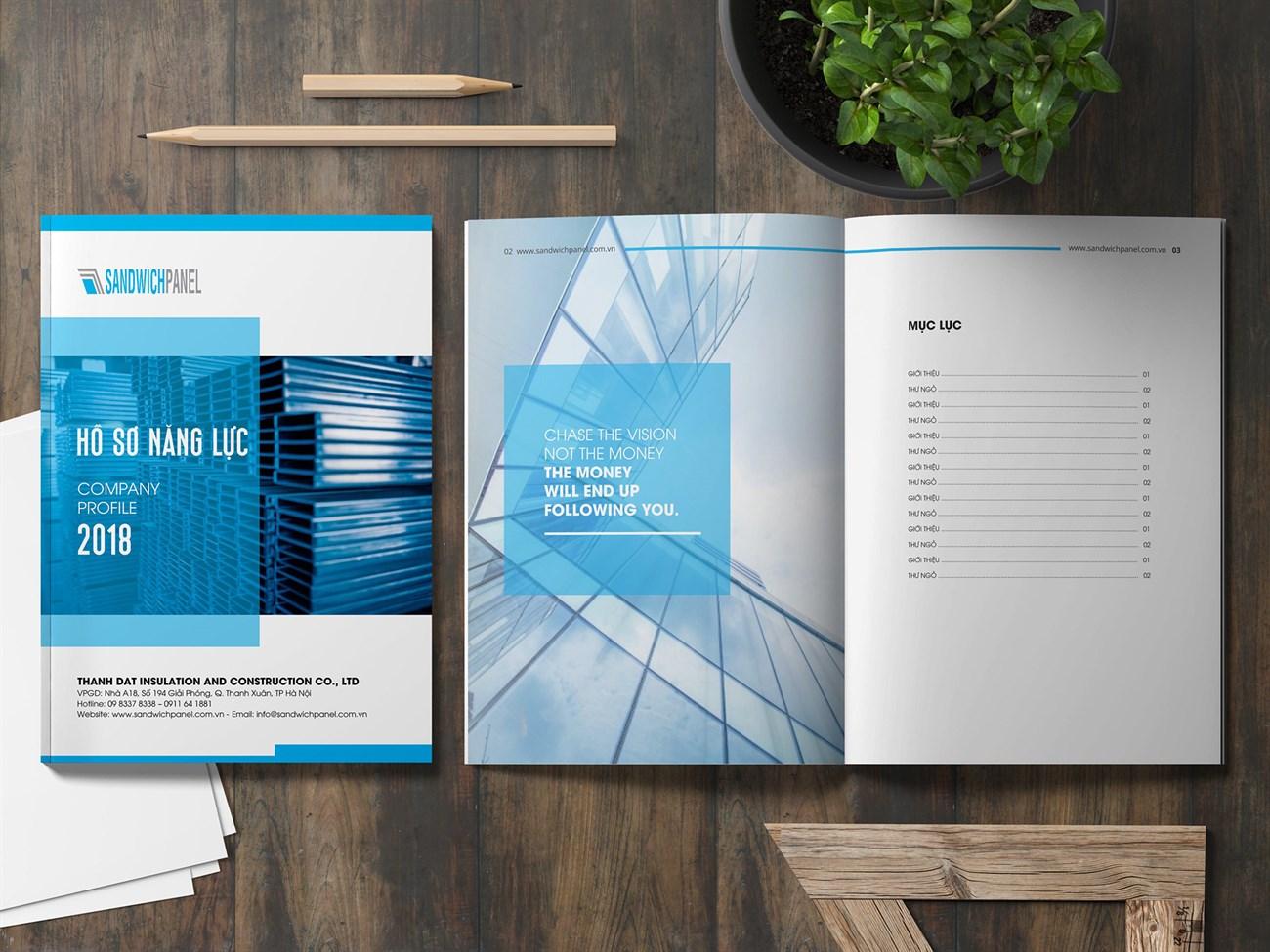
Essential content for an impressive capability profile
Strategically introduce the brand overview
Một hồ sơ năng lực ấn tượng trong ngành nội thất không đơn thuần là phần giới thiệu “công ty chúng tôi là ai”. Nó cần thể hiện rõ brand story, the reason for existence (purpose), and emotional positioning with the target customers. A study from Harvard Business Review pointed out that 64% of loyal customers are so because of emotional connection, not because of the product. At DPS, every profile starts from this positioning axis because we believe that “nội thất là biểu cảm không gian, còn thương hiệu là biểu cảm doanh nghiệp”.
Key project categories must illustrate real capabilities
In case studies designing profiles for B2B interior companies such as ADecor or V-Concepts, we always prioritize presenting categories according to industry logic, value chain, and technical complexity instead of just listing them. This helps customers shape the company’s practical capabilities, team, and production process. Images must also be consistent in tone – the layout needs breathing space and should not be as dense as PowerPoint slides.
| Category | Elements to be presented | Necessary reasons |
|---|---|---|
| Brand introduction | Vision, mission, story | Create emotional connection |
| Typical projects | Actual photos, roles in the project | Demonstrate construction – design capability |
| Internal resources | Team, factory, technology | Build trust in scale and reliability |
Design expresses brand personality in a unified way
A capability profile is not just about content, but also about visual interface design.. Kiểu chữ, khoảng cách dòng, background, layout – tất cả đều là “ngôn ngữ không lời” truyền tải tính cách chuyên nghiệp, hiện đại hay sáng tạo của doanh nghiệp. Chúng tôi từng nâng cấp hồ sơ cho một công ty nội thất xuất khẩu theo phong cách Scandinavian – nếu giữ lối thiết kế cũ, họ hoàn toàn không thể truyền tải sự tối giản & bền vững mà họ đại diện.
Nếu không có sự thống nhất từ nội dung đến hình ảnh, hồ sơ sẽ chỉ dừng lại ở việc “liệt kê” năng lực, thay vì thật sự shaping the brand in the minds of customers..

Choose printing materials and formats that fit the brand identity
Premium materials not only print beautifully but also “say a lot” about the brand
A capability profile for a furniture company is not simply a collection of information – it is the first touchpoint with target customers. Choosing materials such as art paper, couche paper, or kraft paper can create a distinctly different impression. Using high-weight art paper brings a luxurious and classy feel, very suitable for furniture brands pursuing a minimalist yet sophisticated style. Meanwhile, the light texture and rough surface of kraft paper highlight rustic, handcrafted qualities – ideal for businesses following rustic or eco-friendly styles.
Format delivers the true spirit of brand design
A Stanford University study shows that visual consistency in printed materials increases brand credibility by up to 34%. That means: if the presentation does not match the brand identity, you lose the first impression with customers. This is why I often advise clients to choose between a luxurious horizontal fold cover format (A4 landscape book type) or a slim glued spine format – depending on communication goals. Below is a table illustrating common profile formats and their corresponding uses:
| Format | Advantages | Suitable for |
|---|---|---|
| A4 vertical glued spine binding | Compact, easy to distribute | Furniture startups, small showrooms |
| A4 horizontal spiral | Easy to open pages, creating a modern feel | Creative design office |
| Matte laminated hard cover | Strong impression, long-lasting content protection | Corporation, premium brand |
Case study: when content and materials drive emotions
One of my most memorable projects was the profile for the HOOME interior brand. They are positioned in a modern Scandinavian style. We chose lightly textured Japanese art paper, four-color offset printing with silver foil for the logo. The result truly exceeded expectations: not only did it reflect the brand spirit, but the client also praised that “just by holding the document, you can feel HOOME is a professional unit.”.
Material is not just a surface – it conveys depth, reliability, and identity. Let each page tell your story.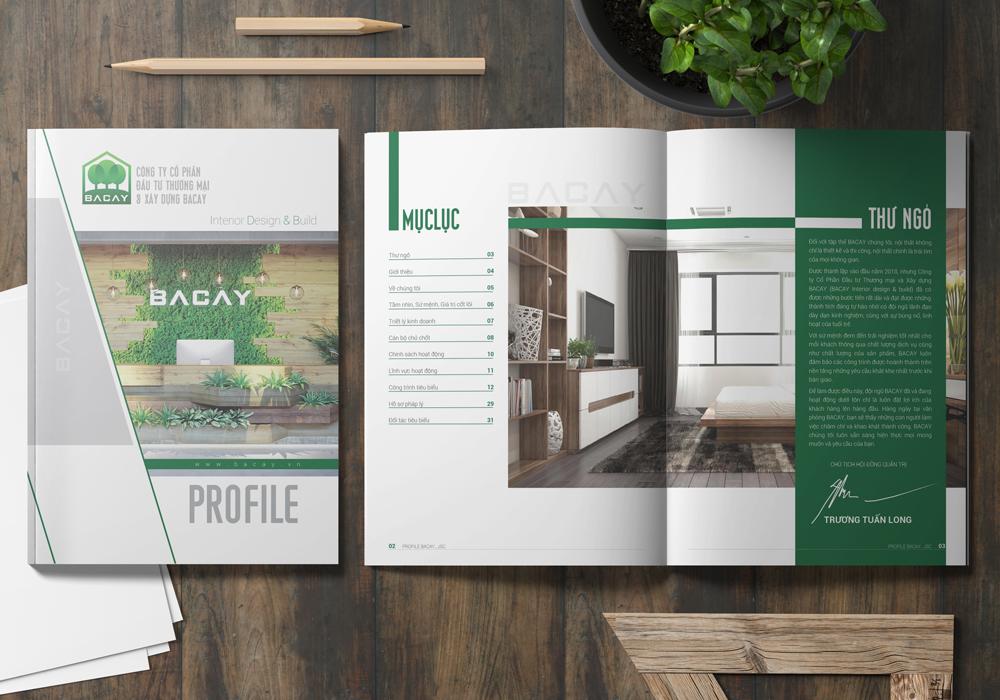
Tips to optimize your profile for marketing and bidding purposes
Content synchronization – The core for both persuasion and professionalism
A good profile is not just about beautiful images – but more deeply about the consistency between brand messaging and marketing strategy. According to a Harvard Business Review (2022) study, customers value coherence in design and content when deciding to trust a partner. Therefore, instead of cramming in scattered information, build a consistent brand story throughout, from introduction, projects, to the team.
For an interior business, take advantage of real projects such as showrooms, model apartments, or completed offices to illustrate your capabilities. For example, the project “The Origami Apartment District 9” that we carried out can be divided into each technical stage and specific design inspiration – showing both the scale and the distinct aesthetic taste of the brand.
Turn your profile into a “soft selling tool” during bidding
In bidding sessions, the profile is the first thing and sometimes the deciding factor to be shortlisted. To achieve that, I often recommend using lively, easy-to-read capability comparison tables. Here is an example:
| Factors | DPS Interior | Industry standard |
|---|---|---|
| Years of experience | 10+ | 5–7 |
| Implemented projects | 135+ | 50–70 |
| Dedicated design team | Yes | Unstable |
| Turnkey construction solutions | 3-step combo | Break down each stage |
Such tables contribute to clearly conveying the strengths of the business without having to “say too much.” According to brand designer Marty Neumeier, “Brand is not what you say it is, it’s what they say it is” – and a strong profile is when it makes partners confidently speak for us.
Optimize reading experience across multiple platforms
- Don’t just design for printAdjust the PDF profile version to be compatible with mobile devices and online presentations.
- Use flexible formatsInclude a QR code to download the profile in the print version, or link directly to an online portfolio on Behance/website.
- Insert mini-motion videoA 15-second video of the design and construction process will immediately catch the eye within the first few seconds.
Theo một khảo sát của Content Marketing Institute (CMI, 2023), tài liệu trực quan như video ngắn/infographic tăng tương tác & chuyển đổi gấp 2–3 lần so với tài liệu chỉ gồm văn bản thông thường – điều rất quan trọng nếu bạn muốn hồ sơ năng lực không chỉ để “cho có”.
The journey ahead for DPS
A professionally designed profile not only helps demonstrate the credibility and style of the interior company, but is also the key to opening doors to long-term cooperation and development with clients and partners. Whether you are a new business entering the field or have already established a solid position, seriously investing in your brand image through your profile is absolutely worthwhile.
Start by clearly defining your core values, strengths, and unique design style — all of which will be the soul of your profile. Don’t hesitate to seek support from professional designers to effectively convey your business message on every page.
In addition, you can further research customer psychology in the interior industry, creative profile presentation trends, or ways to integrate digital technology to create interactive online profiles; these are all potential directions that can enhance your company’s competitiveness in the market.
Have you tried applying the above suggestions to your business yet? Share your thoughts or experiences in the comments below — let’s discuss, learn, and help each other grow!