

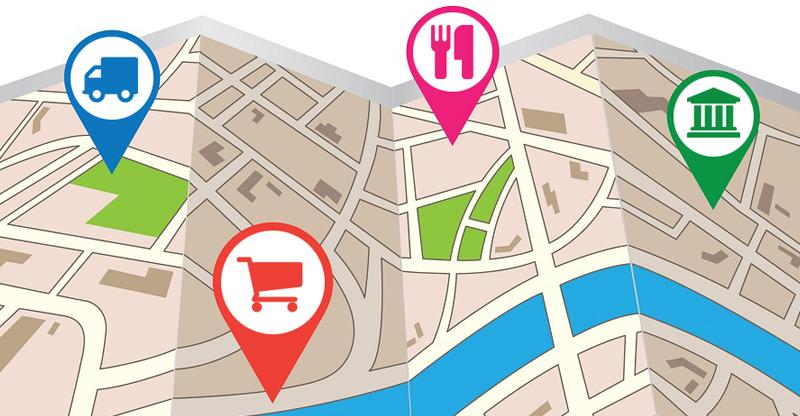

What are Local Map Services? Discover outstanding local map solutions
In the era of rapidly developing digital technology, locating and searching for information on maps has become an indispensable part of daily life. From discovering hidden coffee shops in street corners to finding routes to attractive tourist destinations, local map services are increasingly proving their importance by helping connect people with the surrounding space in a visual and easy way. But what exactly are Local Map Services, and why are they so important? Join us as we explore outstanding local map solutions, technologies, and innovations that are changing the way we perceive the world just outside our doors!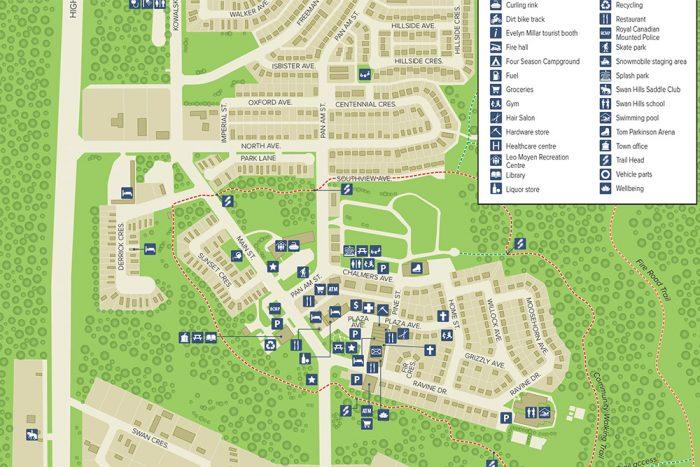
What are Local Map Services and the importance of local maps
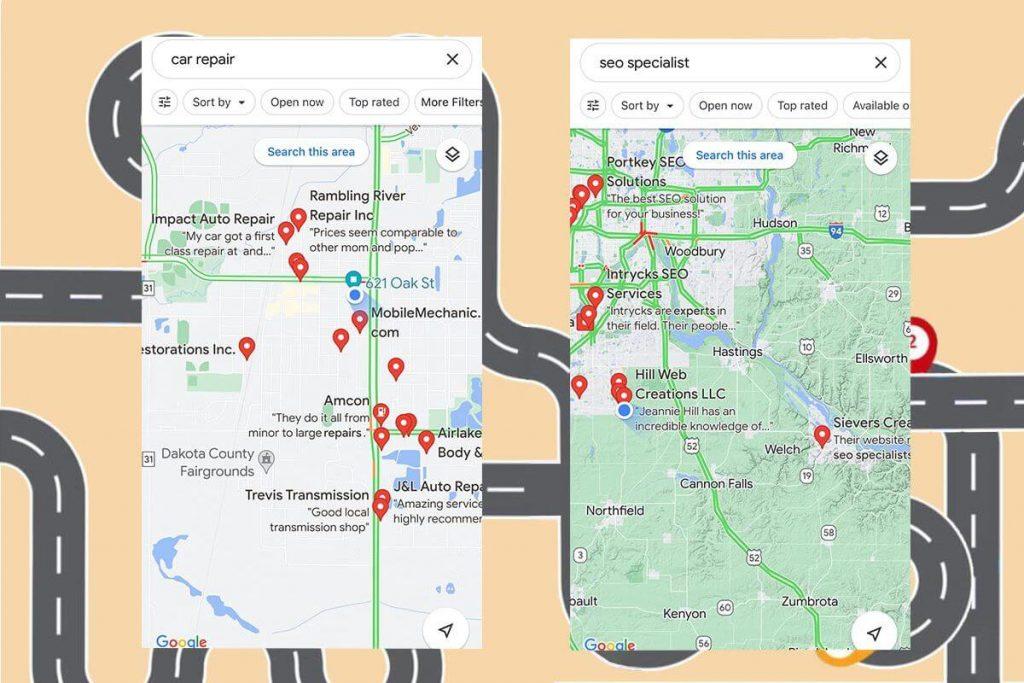
In the digital age, Local Map Services have become an essential tool helping businesses connect with local customers. These services are not just simple maps displaying locations, but also integrate many advanced features such as optimal route recognition, location reviews, and smart search capabilities. When working with local maps, businesses can take advantage of the following benefits:
- Increase customer reach: 74% of users searching for local information online tend to visit the store within 24 hours (according to Google Consumer Insights).
- Improve customer experience: Optimizing information on map platforms helps customers easily find businesses with detailed directions.
- Optimize marketing strategy: Businesses can use map data to implement highly accurate location-based advertising campaigns.
A keyword research Harvard Business Review It is pointed out that using local maps in business strategies helps increase customer conversion rates by 23%. See the table below to better understand the most popular Local Map Services platforms today:
| Platform | Advantages | disadvantages |
|---|---|---|
| Google Maps | Rich data, strong integration with Google Search | High competition, requires good optimization |
| Bing Maps | Low cost, less competition | Data is not as rich as Google Maps |
| Apple Maps | Powerful integration with the Apple ecosystem | Less popular than Google Maps |
Local businesses need to carefully consider which map platform to choose in order to reach customers most effectively. To optimize traffic and increase sales, combining local maps with local SEO is a strategy that cannot be overlooked.

The benefits that local map services bring to businesses and individuals
In today's digital age, local mapping services have become an indispensable tool, offering outstanding benefits for both businesses and individuals. From my perspective, this is not just a simple information utility, but also a way to optimize and enhance efficiency in many aspects of life and business.
For businesses, local mapping services not only help accurately pinpoint locations but also open up opportunities to interact with target customers. Take, for example, a small coffee shop. When the address is accurately marked on Google Maps or other platforms, the chances of users finding the shop increase significantly. In addition, tools like Google My Business allow for the display of reviews, photos, and updated opening hours, helping to build trust with customers. A study by Harvard Business Review also pointed out that appearing on local maps can increase sales by 5-20% depending on the industry.
On the other hand personal, bản đồ địa phương không chỉ đơn thuần dùng để “chỉ đường”, mà còn trở thành người bạn đồng hành hữu ích trong việc khám phá môi trường sống, tìm kiếm dịch vụ phù hợp hoặc thậm chí lập kế hoạch cho các hoạt động hàng ngày. Ví dụ, một ứng dụng như ZaloMaps tại Việt Nam không chỉ cung cấp hướng dẫn đường đi mà còn tích hợp với các dịch vụ tiện ích như đặt taxi, tìm kiếm quán ăn gần nhất và thậm chí cung cấp thông tin thời tiết trực tiếp.
| Benefit | Business | Individual |
|---|---|---|
| Time saving | Optimize delivery routes | Fast navigation |
| Low cost | Free location advertising | Access services around the area |
| Increased engagement | Connect directly with customers | Discover interesting places |
Popular local map platforms and the differences between them
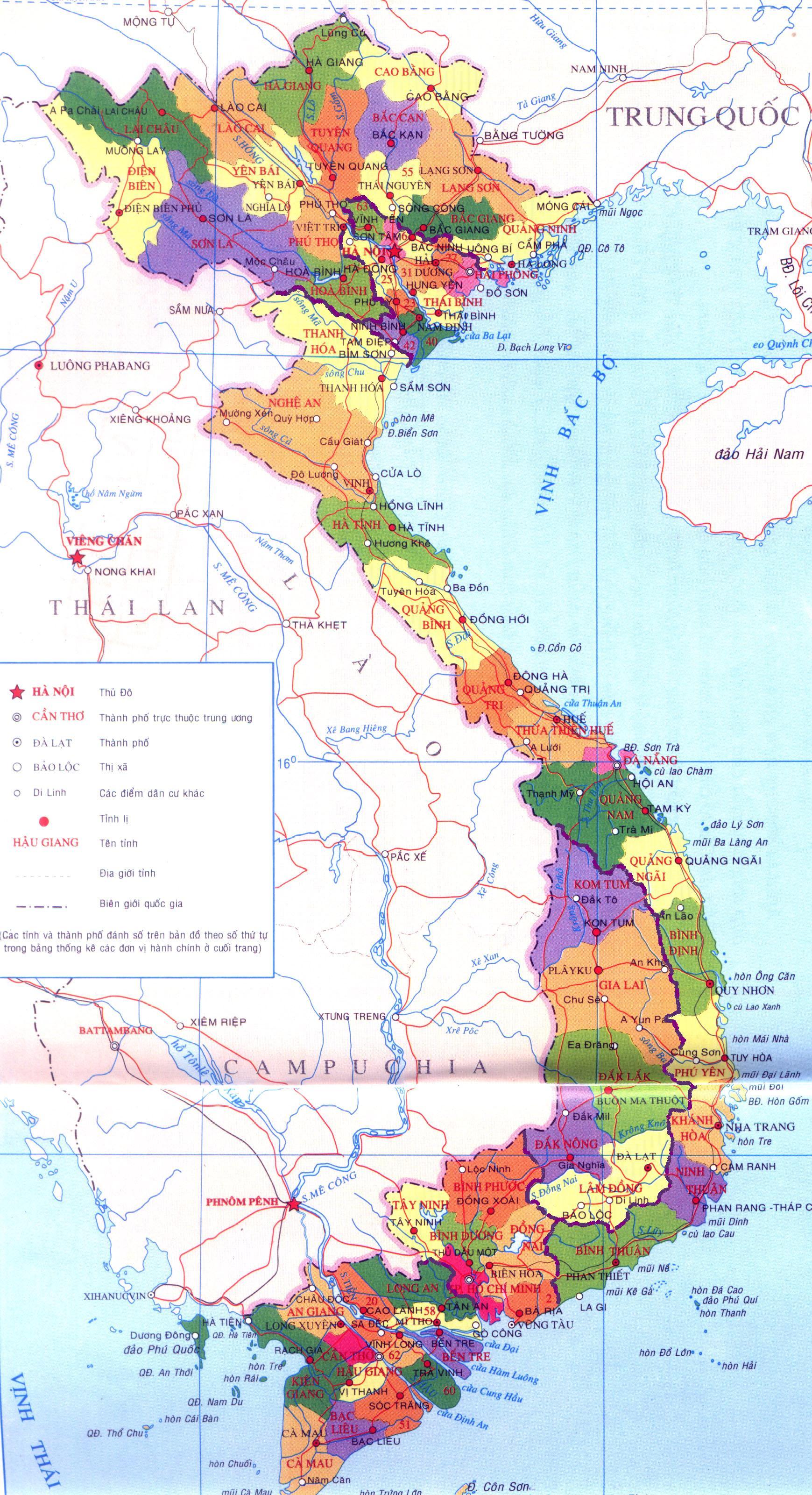
When it comes to local map platforms, we cannot ignore familiar names like Google Maps, Apple Maps, or local solutions such as Vietnam's Vmap. Each platform has its own strengths, meeting different user needs.
The outstanding differences between local map platforms:
- Google Maps: The most popular with rich data, AI integration to suggest optimal routes. However, the accuracy of business information is sometimes affected by community data.
- Apple maps: Optimized for the iOS ecosystem, providing a smooth experience but with limitations in comprehensiveness compared to Google Maps.
- Vmap: Vietnam's mapping platform, playing an important role in providing accurate local data, suitable for domestic businesses.
A study by Statista shows that Google Maps is the most widely used mapping application globally, but Apple Maps has a high growth rate thanks to continuous improvements. Meanwhile, Vmap is asserting its position by focusing on detailed destination data in Vietnam.
| Platform | Advantages | Disadvantages |
|---|---|---|
| Google Maps | Rich data, AI integration | Dependent on community data |
| Apple Maps | Optimized for iOS, intuitive interface | Less popular on Android |
| Vmap | Accurate local data | Fewer extensions/features |
Case study: A coffee shop chain in Vietnam experimented with using both Google Maps and Vmap to manage its branch system. The results showed that Google Maps supports better access to foreign customers, while Vmap helps optimize store locations and information more accurately for local customers.
How to optimize Local Map Services to enhance user experience
To improve user experience on map applications, optimization Local Map Services is essential. Below are some ways to achieve better efficiency in using local maps:
- Regularly update map data: Accurate and up-to-date data helps users locate and access more easily. For example, Google Maps continuously updates traffic information, builds new roads, and even lists active businesses.
- Personalize the experience: Integrate AI or Machine Learning to study user habits, thereby providing suitable location suggestions. A study from McKinsey shows that personalizing the experience can increase customer satisfaction by up to 20%.
- Diverse interaction capabilities: Features such as check-in, reviews, or voice navigation not only enhance the experience but also create a seamless feeling in use. For example, Grab's app in Southeast Asia provides a detailed integrated map with motorbike taxi, taxi, and delivery services.
I have also learned that optimizing Local Map Services does not entirely depend on technology, but also on how you organize and present information. Take a look at the table below, which lists the main factors that make up an optimal local map:
| Factors | Description | Illustrative example |
|---|---|---|
| Map loading speed | Ensure fast response time, especially on mobile. | Google Maps runs smoothly even on 3G networks. |
| Integrate local services | Connect with restaurants, hotels, public services. | Booking.com integrates direct hotel map viewing. |
| Offline usability | Provides accessible maps when offline. | The Here WeGo app supports downloading maps for each region. |
By researching optimization solutions as above, I believe that local map services will not only develop more strongly but also be able to serve users in a more comprehensive and convenient way than ever before.

Development trends of local map services in the digital age
In the digital age, services local maps have become an indispensable part of life. With the explosion of technology, these platforms not only provide directions but also optimize personalized experiences, support businesses, and promote smart urban development.
Local map solutions are shaping the future:
- Maps by local context: Google Maps already features displaying popular destinations in the area, but platforms such as Here Technologies or Mapbox đang dẫn đầu trong việc cá nhân hóa dữ liệu dựa trên ngữ cảnh & nhu cầu cụ thể.
- Embedding AI into maps: Many companies are using AI-driven mapping to predict traffic flow, update real-time road conditions, and even suggest attractions that match user habits.
- E-commerce connectivity map: Some platforms like Shopify have integrated local maps, helping businesses easily locate customers and optimize their delivery systems.
Below are some notable local map solutions:
| Solution | Outstanding features | Practical application |
|---|---|---|
| Google My Business | Business location on Google Maps | Restaurants, retail stores |
| OpenStreetMap | Open-source, customizable map platform | Traffic and travel application |
| Mapbox | Flexible API for local maps | Personalized mobile application |
In the near future, I believe the trend of personalization and real-time data integration will continue to drive the development of local map services. Businesses and users will increasingly rely on these tools to explore the world around them in the most intuitive and efficient way.
Looking ahead
Conclusion
In today's digital age, Local Map Services not only a navigation tool but also a powerful solution helping businesses and individuals connect with the world around them. From searching for locations, optimizing customer outreach to supporting travel planning, local map services are increasingly improved, bringing more convenient and accurate experiences.
With the continuous development of technology, we can fully expect even more outstanding innovations in this field, from 3D maps, real-time data to AI-powered smart positioning. Whether for businesses or individual users, understanding and making good use of Local Map Services will certainly open up many opportunities and valuable experiences in everyday life.