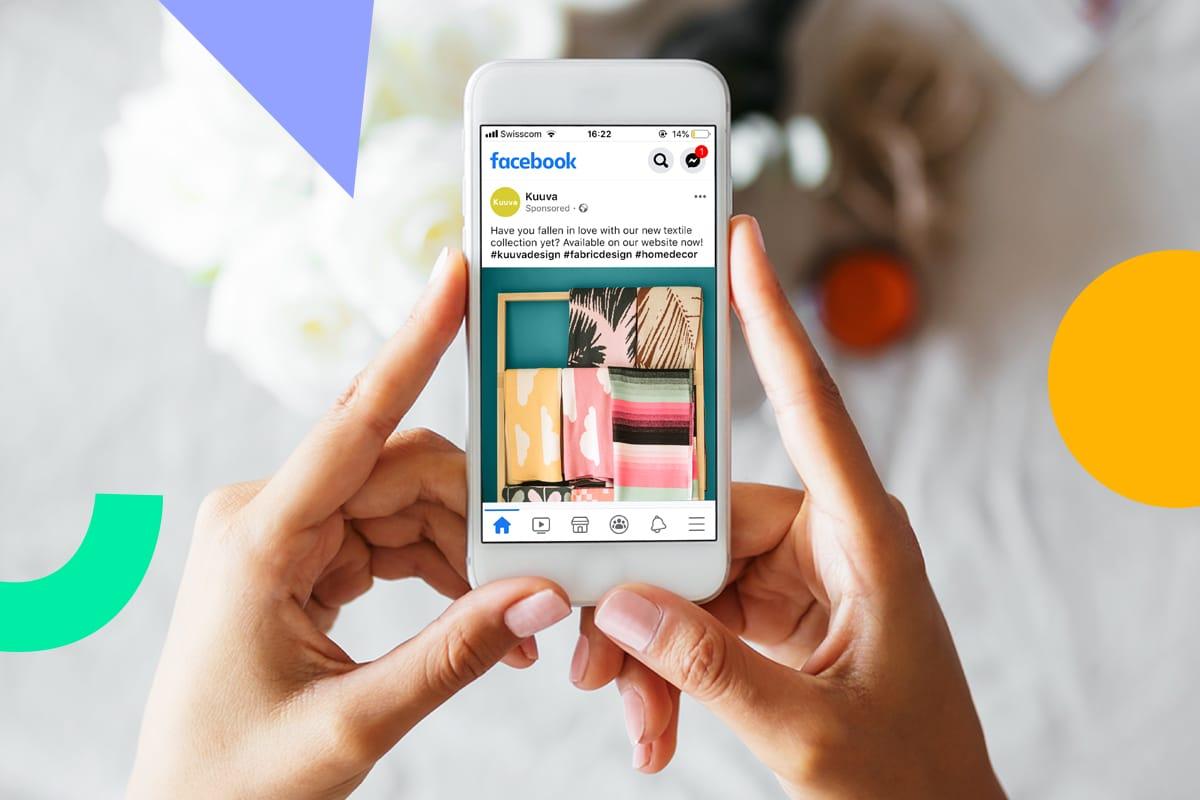


Bạn vừa chạy quảng cáo Facebook và nhận thông báo “Quảng cáo của bạn không được phê duyệt”? This is an issue that more than 40% of Vietnamese SMEs have encountered and it can cause the entire campaign to stall, wasting budget without generating any conversions. Understanding the common reasons for ad rejection is the first step to optimizing digital marketing effectiveness, saving time and costs for your business.
Reason #1: Violating ad policies regarding misleading content or false information. nhiều doanh nghiệp vô tình sử dụng từ ngữ tuyệt đối (“số 1”, “duy nhất”, “cam kết chắc chắn 100% …”) khiến hệ thống Facebook từ chối quảng cáo.
Reason #2: Images or videos contain sensitive, offensive content or violate community standards. Facebook kiểm duyệt rất chặt về hình ảnh hở da thịt, hình ảnh y tế trước/sau, sản phẩm vi phạm pháp luật…Reason #3: Advertising products/services that are prohibited or restricted according to Facebook’s regulations. Ví dụ: thuốc lá, dược phẩm kê đơn, thực phẩm chức năng chưa giấy phép, xổ số, tài chính đa cấp,…
Reason #4: Redirecting to an unsafe landing page or poor user experience. Slow-loading websites, excessive popups, or containing malware, unreliable landing pages are reasons for quick ad rejection.
Reason #5: Using sensational, shocking, or fear-inducing headlines or calls to action (CTA). Những từ khóa như “khẩn cấp”, “ngay lập tức”, “cảnh báo nguy hiểm” sẽ dễ bị hệ thống báo cáo vi phạm.
Reason #6: Incorrect audience targeting or abuse of personalization. Facebook prohibits ads that specify personal characteristics such as skin color, medical conditions, religion, financial status, etc. Non-compliance makes ads easily rejected.
Reason #7: Lack of transparent brand information or unverified fanpage. Newly created fanpages, missing contact information, no website or clear legal information will reduce trust scores during Facebook’s review.
As a digital marketing strategy consulting unit that has accompanied hundreds of SMEs, DPS.MEDIA finds that early identification and correction of basic errors will help businesses optimize resources and boost ad performance on the Facebook platform. Quảng cáo bị từ chối không chỉ là mất tiền – mà còn kéo theo hệ lụy về hình ảnh thương hiệu, giảm khả năng tiếp cận khách hàng tiềm năng. Hãy kiểm tra thật kỹ 7 lý do trên mỗi khi lên chiến dịch để không vô tình “đánh mất” cơ hội phát triển trên Facebook.
Advertising content violates Facebook's community policy
Common error: Prohibited products, content, and images
- Advertising prohibited items: Như thuốc không kê đơn, vũ khí, chất cấm – đều nằm trong danh mục “Red List” của facebook, tương tự như nghiên cứu của We Are Social về các yếu tố nhạy cảm làm Facebook kiểm duyệt mạnh tay. Ví dụ: Một doanh nghiệp SME trong ngành làm đẹp đã từng bị từ chối quảng cáo mỹ phẩm do sản phẩm không rõ nguồn gốc. DPS.MEDIA khuyên: Doanh nghiệp cần kiểm tra kỹ danh mục hàng hóa hợp lệ trước khi lên chiến dịch marketing.
- Misleading comparative content: Các bài quảng cáo dùng hình ảnh Before-after, ví dụ giảm cân hoặc làm đẹp, gần như “auto” bị từ chối do vi phạm nguyên tắc không so sánh ngoại hình hoặc sức khỏe cá nhân.Điều này từng được Harvard Business Review chỉ ra là giải pháp hạn chế thao túng tâm lý người dùng trên mạng xã hội.
- Sensitive images: Images of bare skin, or those that may shock, are all rejected by Facebook. You are listing common mistakes that cause products, content, and images to be banned in Facebook ads. Below, I will present the information in an analytical format, while adding clear causes and solutions, along with references for you to use in documents or internal sharing:
Common mistakes leading to Facebook ad bans
1. Quảng bá mặt hàng vi phạm hoặc thuộc nhóm “Red List”
- Error description: Sản phẩm như thuốc (không kê đơn), vũ khí, chất kích thích, các chất cấm, thực phẩm chức năng không được quản lý chặt theo pháp luật… đều nằm trong danh mục cấm quảng cáo của Facebook (Red List).
- A real example: A cosmetics SME once had their ad account locked for selling products with unclear origin and provenance.
- Cause: Facebook strictly moderates to comply with national laws and user protection policies. According to We Are Social, sensitive or deceptive product factors are the leading cause of strict ad review.
- Solution: Businesses should carefully check the product list in Facebook Ads Policies before running the campaign, only promote eligible products with clear legal documents/origin.
2. Nội dung so sánh gây hiểu nhầm (“Before-After”, so sánh sức khỏe/ngoại hình)
- Error description: Dùng hình ảnh “before-after”, hứa hẹn giảm cân cấp tốc, cải thiện da cực nhanh… dễ bị từ chối do vi phạm tiêu chuẩn không gây áp lực, tự ti ngoại hình cho người dùng.
- Explanation: Facebook và nhiều nền tảng khác áp dụng nguyên tắc này để ngăn chặn chiêu trò thao túng tâm lý – như đã được đề cập trong nghiên cứu của Harvard Business Review.
- solution: Không sử dụng ảnh “trước/sau” và cam kết phi thực tế; tập trung vào lợi ích sản phẩm và giá trị tổng quát thay vì so sánh cá nhân hóa, tránh đưa ra các tuyên bố gây hiểu lầm hoặc không thể chứng minh.
3. Sensitive, shocking, revealing images…
- Error description: Hình ảnh “hở hang”, quá gợi cảm, gây sốc/ghê sợ (máu me, tai nạn…) đều bị tự động từ chối quảng cáo.
- Cause: Facebook is committed to building a healthy and safe space for all ages; violating this will result in quick review and account suspension. See more details in Meta’s Ad Policies mục “Prohibited Content”.
- Solution: Sử dụng hình ảnh lịch sự, nhã nhặn, không khoe thân, không sử dụng yếu tố gây “hard sell” bằng hình ảnh sốc thị giác.
In summary:
To not rejected/banned from advertising on Facebook, businesses need to COMPLY with policies on product categories, honest content, no comparison of appearance/health, no use of sensitive images. Especially, check meta Advertising Policies regularly, and review content before approval to protect your ad account.
Source: Meta ad Policy | We Are Social – Báo cáo Digital 2023 | Harvard Business Review

Images and videos used in ads do not meet standards
Reasons images and videos are rejected when running Facebook Ads
DPS.MEDIA finds that, according to Harvard Business Review (2023), visual elements account for up to 60% of ad approval decisions on Facebook. However, many SMEs in Vietnam often make basic mistakes causing images and videos to not meet standards.
- Poor image quality: Blurry images, chaotic composition, or uneven lighting are often rated poorly by Facebook in terms of user experience.
- Using copyrighted images: Failing to ensure intellectual property rights, especially for international images or images taken from the internet without clear sources, makes ads easy to be flagged.
- Displaying too much text on images: According to Facebook's latest guidelines, if the text on an image exceeds 20%, it may reduce effectiveness or even result in ad disapproval.
- Misleading images, comparisons
Reasons images and videos are rejected when running Facebook Ads
DPS.MEDIA notes that, according to Harvard Business Review research (2023), visual elements account for up to 60% of the decision to approve ads on Facebook. However, many SMEs in Vietnam often make basic mistakes that cause images and videos to fail to meet standards.
- Poor image quality: Blurry images, chaotic composition, or uneven lighting are often rated poorly by Facebook in terms of user experience.
- Using copyrighted images: Failing to ensure intellectual property rights, especially for international images or images taken from the internet without clear sources, makes ads easy to be flagged.
- Displaying too much text on images: According to Facebook's latest guidelines, if the text on an image exceeds 20%, it may reduce effectiveness or even result in ad disapproval.
- Misleading images, exaggerated comparisons or claims: Các hình ảnh hứa hẹn kết quả “quá đà” (như giảm cân siêu tốc), hoặc so sánh trước/sau thay đổi một cách không thực tế (before/after) thường bị từ chối do vi phạm chính sách gây hiểu lầm của Facebook.
- Sensitive, violent, or adult content images: Images containing nudity, revealing content, pornography, or violence will be automatically scanned and removed by Facebook.
- Embedding logos, phone numbers, or contact information in the wrong format: Facebook restricts advertising that embeds direct contact information in images/videos.
- Videos violating music/image copyright: Using background music or images without copyright makes videos easy to be blocked or scanned during review.
- Incorrect frame or aspect ratio: Images or videos that do not meet Facebook's recommended size or aspect ratio will be rated as poor experience and have limited visibility.
Conclusion: To have Facebook ads approved quickly and effectively, businesses need to comply with standards for image quality, copyright, content, and formatting according to Facebook's latest guidelines.

Poor landing page quality or untrustworthy website
Reaching customers but the website is not convincing enough
According to research by Nielsen Norman Group (2022), 75% of website credibility assessments come from the interface and professionalism at first glance. Facebook cực kỳ khắt khe trong khâu này: Nếu trang đích của bạn có giao diện lộn xộn, thiếu thông tin pháp lý, hoặc xuất hiện pop-up gây khó chịu, quảng cáo sẽ khó được phê duyệt. DPS.MEDIA từng tư vấn cho một doanh nghiệp ngành mỹ phẩm – nơi chỉ với một dòng “không rõ nguồn gốc xuất xứ” trên footer, toàn bộ chiến dịch quảng cáo đã bị treo không thương tiếc dù nội dung quảng cáo cực chuẩn.
- Lack of clear policies: No contact information, terms of service, or privacy policy.
- Sparse content: Only a single product page, no reviews, brand not mentioned anywhere.
- Newly created website: Địa chỉ website vừa mua, không có lịch sử truy cập sẽ bị nghi ngờ “chạy …bùng” hoặc không đáng tin cậy. Điều này khiến cả Facebook lẫn khách hàng đều cảnh giác, dễ dẫn đến tỷ lệ chuyển đổi thấp hoặc tài khoản quảng cáo bị hạn chế.
According to research by Nielsen Norman Group (2022), up to 75% of users judge a website's credibility based on its interface and level of professionalism in the first impression..Bởi vậy, dù bạn tiếp cận đúng khách hàng mục tiêu, website thiếu thuyết phục sẽ làm ‘thất thoát’ mọi nỗ lực marketing trước đó.
Notes to make your website persuasive enough:
- Fully supplement policies: Ensure clear display of contact, terms, returns, and privacy.
- Enhance content: Thêm review, ảnh thật, thông tin thương hiệu, mục “Về chúng tôi”, các chứng nhận, nguồn gốc xuất xứ.
- Show professionalism: Avoid spelling mistakes, use quality images, harmonious design, and mobile compatibility.
- Build website history: Don’t rush to run ads on a completely new website. Create content a few weeks in advance and get organic traffic to increase credibility.
In summary: website là “bộ mặt” cho mọi hoạt động chuyển đổi số. Trước khi đổ chi phí vào quảng cáo, hãy đảm bảo website của bạn đủ thuyết phục cả máy móc lẫn con người [NielsenNormanGroup[NielsenNormanGroup].
🌸 Advertising 🌸 Tăng độ tin cậy website với hosting chuyên nghiệp từ Namecheap – giải pháp tối ưu trước khi chạy quảng cáo! Learn More

Advertising language is confusing or provocative
Ngôn từ mơ hồ & lời hứa quá mức
Facebook users are becoming more conscious about the information they receive, and the platform's algorithm is also continuously updated to eliminate advertising content that shows signs of being misleading or provocative..Ngôn ngữ quảng cáo thiếu minh bạch, sử dụng từ ngữ tuyệt đối hóa như “cam kết 100% thành công” hay “duy nhất chỉ hôm nay nếu không mua là mất cơ hội đời” rất dễ vi phạm chính sách Facebook. According to a report by the American Association of Advertising Professionals (2022), such messages not only negatively affect consumer trust but also harm the long-term image of businesses..
Example of violating content Review result Superfood: “Ăn là khỏi bệnh, hiệu quả ngay tức thì!” Facebook rejected Example of violating content Review result Superfood: “Ăn là khỏi bệnh, hiệu quả ngay tức thì!” Facebook rejected approval due to absolute guarantees, causing misunderstanding about product effectiveness. Investment service: “Cam kết 100% sinh lời, chắc chắn không rủi ro.” Not approved due to absolute language and unrealistic benefit promises. Weight loss product: “Giảm 10kg chỉ sau 1 tuần, đảm bảo 100% thành công.” Ad was blocked for using excessive promises and unreasonable language. Limited opportunity: “Chỉ hôm nay, không mua là mất cơ hội cả đời!” Facebook may ban due to unreasonable pressure and lack of transparency. Note: To increase the chances of your ad being approved on Facebook, use honest language and avoid absolute commitments or misleading users about the effectiveness and benefits of your product/service.

Using restricted keywords and prohibited products in ads
Lý do từ khóa bị hạn chế & sản phẩm cấm làm quảng cáo bị từ chối
Sensitive terms that violate Facebook's policies như “giảm cân cấp tốc”, “chữa bệnh”, “làm trắng da” hoặc những ngôn từ ám chỉ cam kết về kết quả, thường là nguyên nhân chính khiến quảng cáo không được duyệt. Theo Digital Marketing Essentials (Chaffey & Ellis-Chadwick, 2019), Facebook sử dụng AI để quét và đánh giá nội dung văn bản, hình ảnh, kể cả metadata – chỉ cần một từ khóa nằm trong danh sách cấm, quảng cáo dễ dàng bị hệ thống gắn cờ.
- Drugs, supplements, cosmetics of unclear origin
- Financial products, promises of outstanding interest rates
- Dating services, lotteries, gambling in any form
- Counterfeit goods/fake brands, illegal software
Lý do từ khóa bị hạn chế & sản phẩm cấm làm quảng cáo bị từ chối
Sensitive terms that violate Facebook's policies such as “giảm cân cấp tốc”, “chữa bệnh”, “làm trắng da” or language implying guaranteed results, are often the main reasons ads are not approved. According to Digital Marketing Essentials (Chaffey & Ellis-Chadwick,2019),Facebook sử dụng AI để quét và đánh giá nội dung văn bản,hình ảnh,kể cả metadata – chỉ cần một từ khóa nằm trong danh sách cấm,quảng cáo dễ dàng bị hệ thống gắn cờ và từ chối [message](https://www.facebook.com/business/help/1760061260826534).
- Drugs, supplements, cosmetics of unclear origin: Ads for these products are easily rejected if there are no valid documents or if the ad content shows signs of deceiving consumers.
- Financial products, promises of outstanding interest rates: Ads related to investment, loans, cryptocurrencies, or any form of high-profit commitment are strictly reviewed.
- Dating services, lotteries, gambling in any form: These contents are in the group of ads banned due to legal concerns and Facebook's policies.
- Counterfeit items/brand imitations, illegal software: Any product that violates copyright or intellectual property laws is not allowed to be advertised.
Facebook regularly updates its advertising policies. Using prohibited keywords or advertising banned products may result in account suspension or even permanent Page deletion. Therefore, it is necessary to check carefully Facebook's advertising policy before launching a campaign [message](https://www.facebook.com/policies/ads/).

Ad account has not fully verified information
Xác minh thông tin – điều kiện tiên quyết để quảng cáo được duyệt
From the perspective of DPS.MEDIA, we have observed that lack of information verification on advertising accounts is a common reason why Facebook ads are not approved. According to research from Harvard Business Review (2023), advertising platforms are increasingly tightening their verification processes to prevent fraudulent activities and protect user safety. Especially for SMEs in Vietnam, many cases use personal accounts or accounts that have not fully supplemented legal documents, leading to the system automatically locking or returning the status “Không duyệt quảng cáo”.
- You have not updated your address to match legal documents.
- Missing business registration certificate, tax code, or legal representative information.
- Using information that does not match between personal account and business information.
Your article is quite good in terms of content and relevant to reality, but to increase persuasiveness and provide verifiable evidence, you should cite more accurate sources in the required format and may add some information as follows: Xác minh thông tin – Điều kiện tiên quyết để quảng cáo được duyệt
From the perspective of DPS.MEDIA, we have observed that lack of information verification on advertising accounts là nguyên nhân phổ biến khiến quảng cáo Facebook không được duyệt.Theo phân tích của Harvard Business Review (2023) – “as social platforms have become more sophisticated, advertisers face increasingly stringent identity verification steps to prevent fraud and ensure user safety”, các nền tảng quảng cáo liên tục siết chặt quy trình kiểm duyệt nhằm phòng ngừa hành vi gian lận, bảo vệ hệ sinh thái và người sử dụng [HarvardBusinessReview[HarvardBusinessReview].
For small and medium enterprises (SMEs) in Vietnam, many cases use personal accounts or accounts that have not fully supplemented legal documents, leading to Facebook/Meta's system automatically locking the account or returning the result ad not approved. Common reasons:
- You have not updated your address or personal information to match legal documents.
- Missing business registration certificate, tax code, or legal representative information.
- Using inconsistent information between personal advertising account and business information.
Việc xác minh thông tin, cập nhật hồ sơ đầy đủ, minh bạch sẽ giúp tăng chỉ số “trust score” với hệ thống quảng cáo, nâng cao khả năng được duyệt quảng cáo cũng như hạn chế tối đa các tình huống bị khóa tài khoản không mong muốn [MetaBusinessHelpCentre[MetaBusinessHelpCentre].
You can reformat the table or add specific handling instructions for each case according to the checklist above to make the article more complete!

How to check, handle, and prevent ad rejection
Quickly check the reason for ad rejection
- Content violates community standards: Sử dụng từ ngữ, hình ảnh nhạy cảm hoặc “cam kết phi thực tế” dễ bị Facebook lọc thẳng tay. Theo báo cáo của Socialbakers 2023, nhóm ngành làm đẹp và tài chính ở Việt Nam có tỷ lệ từ chối cao do dùng hình ảnh trước – sau quá đà hoặc thúc đẩy hành động vay nhanh.
- Incorrect ad file format: Many SME businesses submit low-quality banners or images with text exceeding 20%. Facebook bots don't like this! It can be unexpectedly rejected without any deep reason.
How to handle rejected ads
- Check your email and respond to Facebook's detailed reason. Sometimes the reason is just a single line, but this comment is the key!
- Edit the violating content (e.g., reduce text, change images, remove strong claims).
- Resubmit for review. If you are confident there is no violation, try contacting Facebook support via Business Suite (citing the latest guidelines updated in early 2024).
Preventing ad rejection from the start
- Lập checklist kiểm tra trước khi xuất bản (DPS.MEDIA đã từng cung cấp bộ checklist này cho hơn 200 khách hàng, giảm đến 70% tỷ lệ quảng cáo bị từ chối – trích nghiên cứu nội bộ DPS.MEDIA, 2023).
- Use Copyrighted stock images, hạn chế dùng ảnh “chôm chỉa” hoặc meme có dấu watermark.
- Closely monitor updates on Facebook advertising policies. In just February 2024, Facebook updated its guidelines for fast-moving consumer goods.
Common rejection reasons Rate (%) according to DPS.MEDIA clients Real example Violating image 38% Banner spa dùng ảnh “trước-sau” chỉnh sửa quá mức Lack of authenticity in content 24% Quảng cáo tài chính khẳng định ‘Cam kết duyệt 100%’ Too much text on the image 14% Too many offers on the board, text overflows the margin Your past journey
Ads not being approved on Facebook can delay campaigns and affect communication effectiveness, especially for SMEs competing in the digital environment. Understanding the 7 common reasons helps you proactively review, adjust content and advertising methods to comply with platform policies. This is not only a necessary step, but also an opportunity to further improve your business's communication strategy.
Dựa trên kinh nghiệm tư vấn và triển khai chiến dịch cho hàng trăm doanh nghiệp vừa và nhỏ tại việt Nam, DPS.MEDIA nhận thấy rằng: thành công không đến từ một vài chiến dịch “được duyệt”, mà từ cả một quá trình thử nghiệm, tinh chỉnh liên tục và hiểu sâu hành vi lẫn nhu cầu người dùng. Quá trình này đòi hỏi kỹ năng,tư duy tổng thể và sự sẵn sàng học hỏi từ các trường hợp thực tế.
Chúng tôi khuyến khích bạn bắt đầu bằng việc kiểm tra lại nội dung quảng cáo đang chạy, rà soát kỹ các chi tiết nhạy cảm về hình ảnh, ngôn ngữ, cam kết…để đảm bảo tuân thủ đầy đủ chính sách từ Facebook. Hãy coi mỗi lần bị từ chối là một lần học, đúc kết kinh nghiệm để ngày càng nâng cao hiệu quả quảng cáo.Nếu bạn quan tâm đến những chủ đề như “tối ưu quảng cáo Facebook để tăng tỷ lệ chuyển đổi”, “cách phát triển nội dung bền vững trên mạng xã hội” hay “những thay đổi mới nhất trong chính sách quảng cáo của Meta”, hãy theo dõi blog của chúng tôi hoặc kết nối để nhận tư vấn chuyên sâu.
Finally, don't hesitate to share your thoughts, experiences, or difficulties you are facing during your advertising campaigns. Leave a comment below and join DPS.MEDIA in the discussion, where every share adds value to the Vietnamese SME community.