

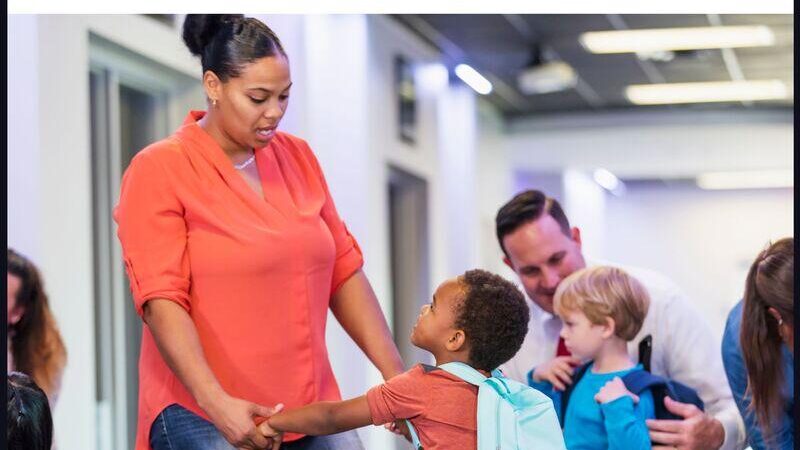

in the context of modern society, equipping children with life skills is no longer an option but has become an essential need for all parents. Life skills classes help children develop comprehensively, from self-management abilities to effective communication skills – the decisive factors for a child's successful future. According to a survey by the National Institute of Educational Research, more than 85% of Vietnamese parents are seeking training programs that not only provide knowledge but also enhance practical skills for their children.
At DPS.MEDIA, we find that most parents are concerned about the quality of teaching content and the practical applicability of life skills. Choosing appropriate content not only helps children build a foundation of positive thinking but also creates trust for parents when investing time and effort for their children. This is the key point that determines the success of life skills classes.
Besides, class content needs to directly reflect the challenges children are facing in daily life, from emotional handling, conflict resolution to environmental awareness. This helps parents clearly perceive the educational effectiveness and the ability to support their children in developing soft skills – factors that are currently significantly lacking in the traditional education system.
Finally, to attract the interest and long-term commitment of parents,người tổ chức lớp cần truyền đạt rõ ràng lợi ích thực tế mà con họ nhận được qua từng buổi học,đồng thời cập nhật phản hồi liên tục. This is the optimal way to build trust and help parents feel secure when entrusting their children to a suitable life skills environment.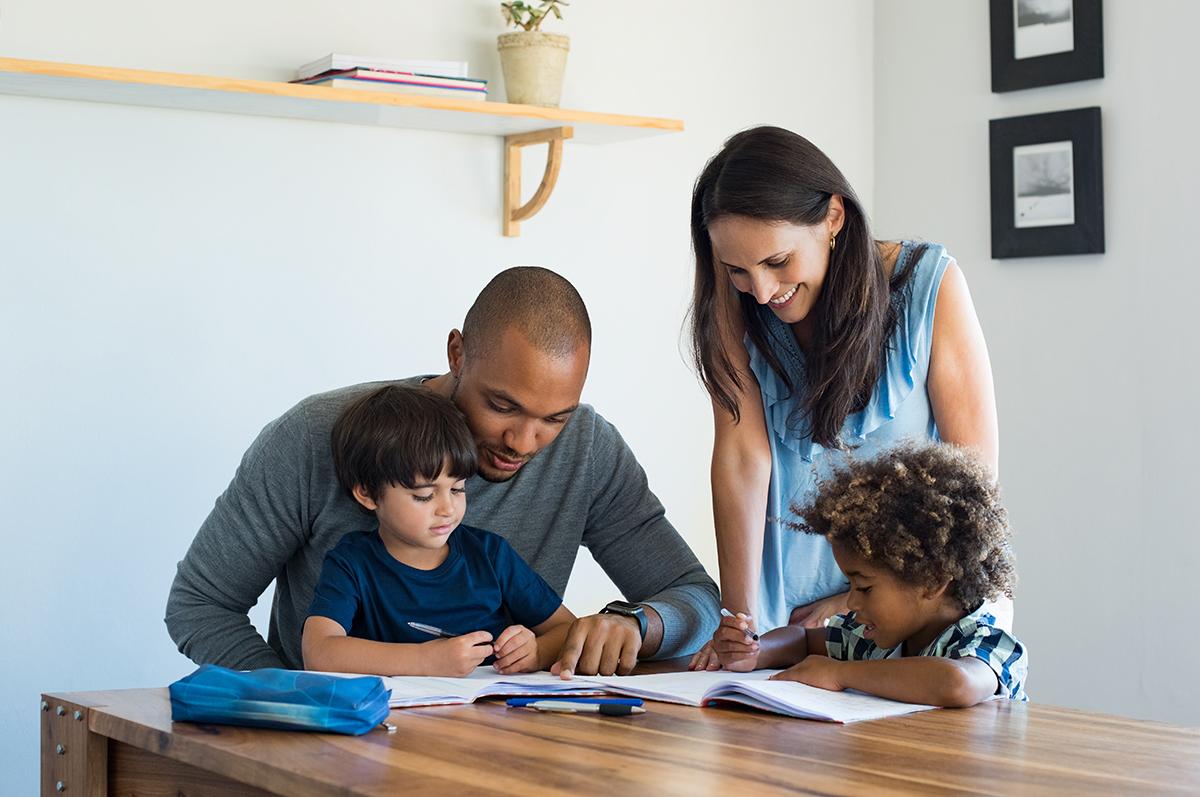
Understanding the top concerns of parents when choosing life skills classes for their children
How can the class demonstrate real value and long-term impact?
Một trong những băn khoăn lớn nhất của phụ huynh khi đăng ký lớp kỹ năng sống cho con chính là: “Does this class really help my child grow up?”. They are not looking for intermittent activities, but for long-term transformation in their child's thinking and behavior. According to research from Harvard Graduate School of Education, communication skills, self-awareness, and emotional self-regulation are three core factors that have a sustainable impact on success in learning and a child's life – things that cannot be measured by tests, but must be experienced in a suitable environment.
At DPS.MEDIA, during the support process Kids Psychology hub – a life skills education center in HCMC, we noticed that when media content emphasizes the post-course story (changed behavior, child dares to start a conversation with strangers, proactively arranges study time...), the rate of parents returning to register for the next course increased by more than 35%. That shows: feeling ”the value” must come before “the real value” to be persuasive.
Peace of mind about reliability and teaching methods
Modern parents are smart consumers – they research thoroughly from teaching methods, teaching staff, to certificates and output effectiveness. DPS.MEDIA often advises educational businesses to proactively build a transparent system based on criteria such as:
| Factors | Content presentation suggestions |
|---|---|
| Approach method | Brief introduction about training philosophy (e.g., SEL – Social Emotional Learning) |
| Instructor | Professional profile + story “why they chose to teach life skills” |
| Certification/partners | List reputable educational organizations that cooperate or recognize |
| Self-assessment from parents | Short, genuine, and touching video clips or quotes |
A typical example we have implemented is “Journey of Father – Child after 10 lessons” – parallel interview videos of parents and children after the course, recording small but meaningful changes: from knowing how to stay calm when being refused a toy, to self-correcting when spilling water. Peace of mind comes not only from teaching content, but also from the ability accompany and connect in real life with the family.
Long-term benefits of life skills and how to convey content persuasively
Equipping life skills: a sustainable investment in children's future
According to UNICEF research (2021), children equipped with life skills early have 30% better problem-solving abilities than groups that are not trained. Not only that, skills such as emotional management, teamwork, critical thinking also help children develop independent thinking and a strong psychological foundation when entering puberty and adulthood.
From the perspective of DPS.MEDIA, we realize that emphasizing the long-term benefits of life skills courses is a key factor in attracting parents. Some benefits can be conveyed through:
- Kể chuyện qua hình ảnh, video: Integrating real classroom situations, feedback from students and parents.
- Illustrating with case studies: Ví dụ từ một bé từng ít nói, sau khóa học trở nên mạnh dạn, tự tin trong thuyết trình.
- Using comparison tables: To help parents easily imagine the clear difference between “children with – without life skills”.
Conveying content value through the emotional lens of parents
The reason parents invest in their children does not lie in the program “teaching what”, but rather in “who my child will become in the future”.Do đó, DPS.MEDIA thường tư vấn cho các trung tâm nên khai thác Emotional insight: the worry that children lack social interaction, are dependent on technology, or have difficulty adapting to a competitive school environment.
| Parents' concerns | Effective communication methods |
|---|---|
| Shy children, lacking communication | Sharing real stories of former students after 6 weeks of remarkable improvement |
| Unclear orientation | Presenting a 3-month learning roadmap with classroom experience video |
| concern about tuition fees | Highlight long-term value: leadership ability, positive thinking in school |
We once deployed a content campaign for a center in HCMC, when changing the communication perspective from “what to learn” to “how to grow up”, the number of parents registering for trial classes increased by 170% in just 3 weeks. The key point is not just the content framework but a storytelling strategy that touches on emotional concerns.
Leveraging storytelling to illustrate children's positive changes after the course
Storytelling humanizes the child's development journey
Instead of just listing the skills children will learn, leverage the power of storytelling to turn the learning process into a memorable story.According to research from Harvard University, storytelling improves the listener’s information retention up to 22 times compared to just presenting dry data. Especially for parents – those who want to see real impact and step-by-step change of the child – then a touching story about the child's personal development journey is always more persuasive than hundreds of introduction lines.
The journey from shyness to confidence - DPS's story told with data
During the digital campaign for a life skills center in Ho Chi Minh City, DPS.MEDIA proposed a storytelling model applied directly through PR articles and short videos on social media. The special point is that we use the storytelling style according to the ”transformation diary” of each student, recorded by parents every week. Below is a summary table of results after 4 weeks of application:
| Study week | Behavior before class | Post-class behavior |
|---|---|---|
| Week 1 | Not greeting adults | Knowing how to bow, saying “I greet you, teacher” |
| Week 2 | Shy to speak up, often avoids participation | Raises hand to speak twice per session |
| Week 3 | Easily angry, irritable | Knows how to take deep breaths, uses positive language |
| Week 4 | Does not share toys | Proactively invites friends to play together |
Elements that make a story emotionally touching
- Main character is clear: A typical child with a background similar to the target parent's child.
- Vivid transformation details: Not just saying ”the child is more confident” but describing the moment the child bravely stands up to sing in the middle of class.
- Parent or teacher perspective: Helps increase authenticity and empathy.
From the perspective of DPS.MEDIA, when converting from information to story, the content becomes an emotional bridge between parents and their dreams for their child.. That is where marketing touches the heart – not just to sell courses, but to spread educational values.
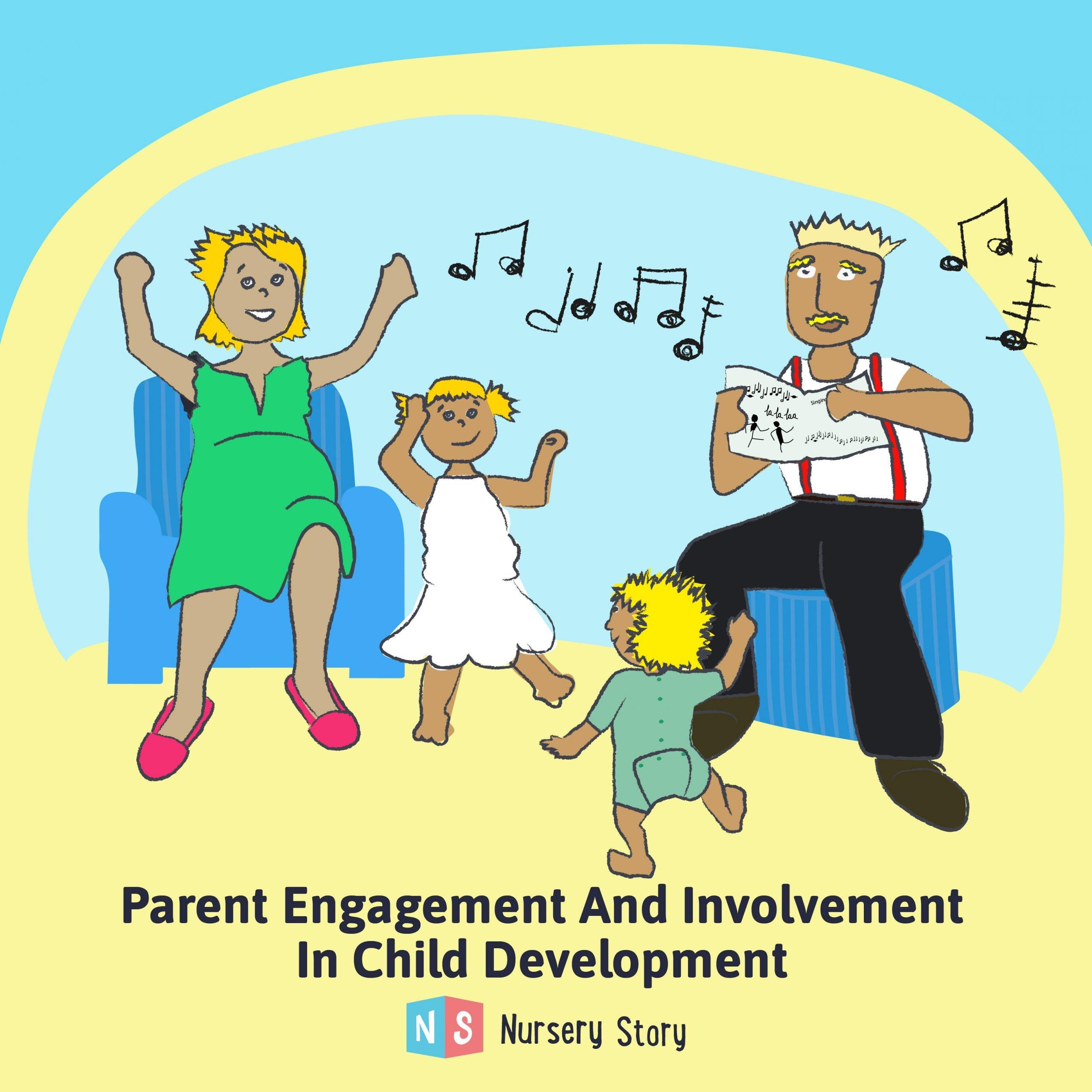
Designing content to visualize the child's learning journey vividly
Visualizing the learning journey
To build an engaging learning environment, visualizing the child's learning journey is very important. This not only helps children easily imagine and track their own development but also motivates them to explore new skills. Here are some ideas to achieve this:
- Learning timeline board: Create a timeline with important milestones such as project completion, attending courses, or achieving certifications.
- Images and videos: Capture moments that help children feel proud of their learning journey, from simple activities to major performances.
- Success stories: Share stories from children who have learned and successfully developed skills, thereby encouraging other kids.
The meaning of life skills
When opening a life skills class for children, it is extremely important to clearly convey the value of these skills. According to research from the Institute of Educational and Human Resource Studies, children trained in life skills tend to be more confident and integrate into society more easily. We can develop the course content to emphasize:
| Skills | Learning objectives |
|---|---|
| Effective communication | Help children learn how to express their opinions clearly and confidently. |
| Time management | Guide children to organize tasks and prioritize. |
| Problem solving | Stimulate creative thinking and situation analysis skills. |
Case Study: XYZ's class
According to a practical study from XYZ class, where visualization and hands-on activities are combined, children significantly improved their communication skills and confidence. Through group activities and interactive games, kids not only learn skills but also build friendships and cooperation. As educational psychologist Dr. Nguyen Minh Tam shared: “learning through experience helps children remember longer and develop more comprehensively”. This once again affirms the importance of designing engaging and visual learning content.
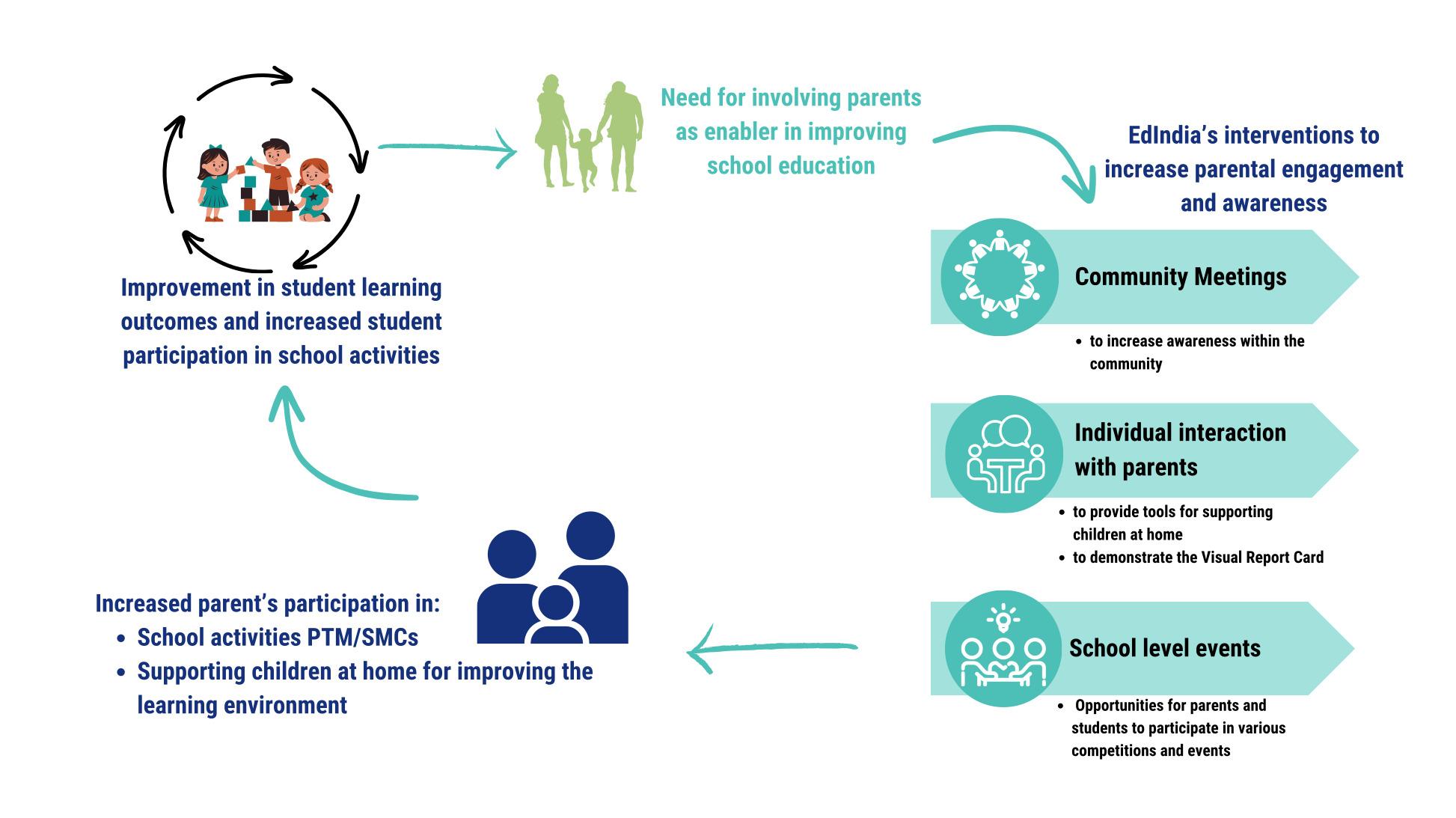
Building trust with parents through real testimonials and community feedback
Real testimonials help strengthen initial trust
Parents are becoming increasingly selective when deciding to send their children to life skills classes. According to a UNESCO survey in 2022, more than 67% of Vietnamese parents state that they need practical evidence from learner experiences before making a decision. DPS.MEDIA often advises SME businesses in the education industry to build a ”trust asset” library, including:
- Short interview videos from parents and former students, clearly presenting positive changes after the course.
- Real quotes from Facebook, Zalo, or email - to confirm authenticity, not staged.
- Before-and-after photos or videos describe the transformation in the child's behavior and attitude.
Community feedback creates a social ripple effect
In the digital era, a classroom can “rank up” quickly if it takes good advantage of the FOMO (Fear Of Missing Out) effect from social networks. Instead of just posting recruitment news, at DPS.MEDIA, we guide education centers to deploy campaigns “Weekly Stories” - where parents and students share real feelings in a concise format:
| Content type | Suggested topic | Achieved effect |
|---|---|---|
| Real-life story | Child overcomes fear of speaking | Emotional connection – creating motivation to share |
| Class photo | Teamwork activity or group presentation | Shows a dynamic learning environment |
| Mini podcast | Child's voice sharing personal changes | Increase credibility and evoke empathy |
Case study: Life skills class at Green Bud Academy
In March 2023, DPS.MEDIA cooperated with Green Sprouts Academy to consult on deploying a communication campaign revolving around a team of students “narrating” about their learning experience. After 6 weeks:
- Fanpage increased 2301% organic shares.
- 80% of new parents said they decided to register because they “were led by a link from an acquaintance”.
- Short testimonial videos reached over 25,000 views per recording - no ads needed.
Authenticity from the community not only helps the class stand out, but also builds a sustainable relationship with parents - something no promotional price list can replace.
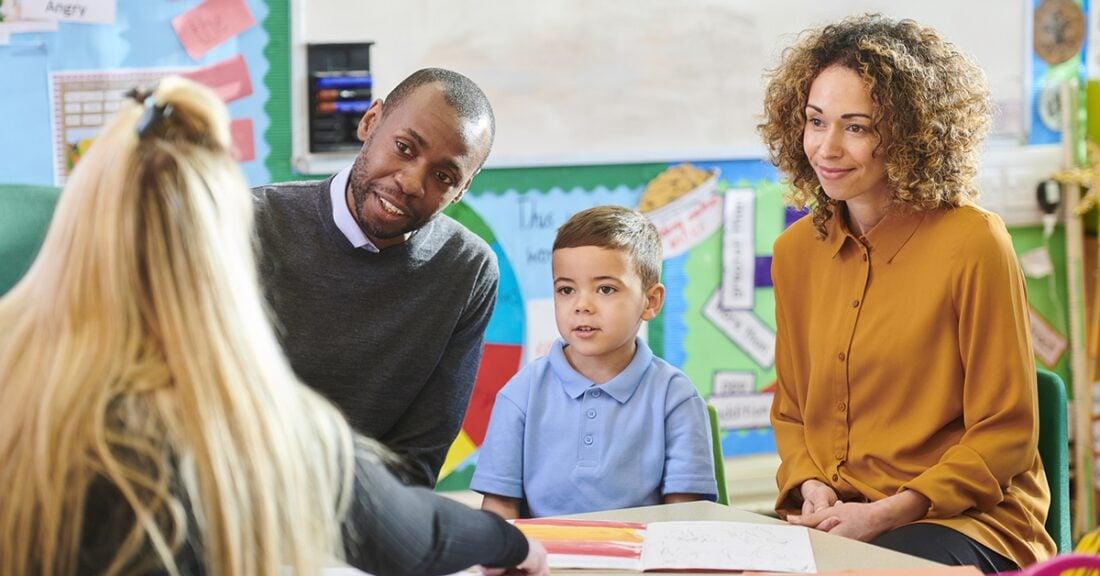
Connecting emotions through videos and images helps parents see value from a real perspective
Conveying genuine emotions through short videos and everyday moments
From the perspective of DPS.MEDIA, in life skills communication campaigns for children, videos and images are not simply visual tools, but emotional bridges between the center and parents. When parents witness natural expressions of their children: surprise, laughter, dialogue, group interaction,... through video, they don't just see the activities taking place – they feel the development.
We often advise educational SMEs to apply the “Human-Centered Visual Storytelling” method - storytelling with images associated with the child's emotions and context. For example, in the “Independent with Kem” campaign,Hoa Sen Life Skills Center used a 45-second clip capturing Kem's journey learning to tie shoelaces, accompanied by an authentic narration from Kem's mother. Result: the video attracted nearly 2,000 shares just one week after launching on the Facebook Ads platform.
Behavioral analysis through video tools helps create a “transparent experience”
Many parents refuse to register for the course because they “do not know how the center teaches”, ”what is different when the baby finishes studying”. In a study by UNICEF (2022), 72% of parents in Southeast Asia prioritize transparent educational models with real images/clips as feedback.. Therefore, using video to simulate 1 specific experience session is no longer ”auxiliary” – but becomes a standard.
| Content format | Media benefits | Suggested deployment channels |
|---|---|---|
| Short video (30-60s) | Quickly stimulates emotions, easy to spread | Facebook | Instagram Reels |
| Photos before – after the course | Visualize children's progress | Website | Post carousel |
| Mini docu-series following the learning journey | Create depth and lasting trust | YouTube | Course landing page |
From our experience implementing for over 20 life skills class brands in both urban and suburban Hanoi, we realized: any center that invests carefully in recording student emotions in every small moment - will easily “open the psychological door” of parents within less than 3 months.
Some creative suggestions for education SMEs:
- Attach video QR codes to flyers at schools
- Sử dụng thumbnail video có biểu cảm trẻ hấp dẫn, thuần Việt
- Integrate testimonials from parents themselves to act as “social proof”
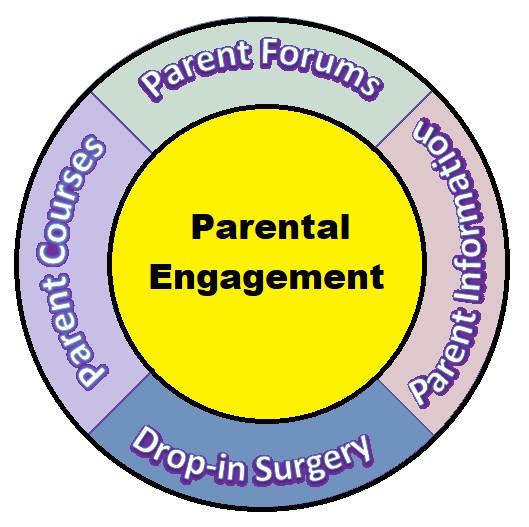
Effective content distribution strategy across multiple platforms to reach the right audience
Accurately understanding parental content behavior on platforms
Parents - especially the 25-45 age group - are not just looking for information, they proactively compare, evaluate and “scrutinize the value” of educational products through content. DPS.MEDIA has observed that Gen Y parents use Facebook to consult the community, YouTube to see real-life evidence, and Instagram to feel the brand’s emotions.
An effective strategy needs to segment content by each touchpoint:
- Facebook: Leverage parent groups, shared content from “real people, real things”, along with videos/interviews of educational psychologists.
- YouTube: Build a playlist “24 hours of learning skills with your baby” – integrating footage from actual classes & parent comments.
- Zalo & Email: Send a series of mini-guides (PDF + Video) to help parents apply at home, along with tips for raising children following the CASEL model (Collaborative for Academic, Social, and Emotional Learning).
Convert content according to awareness – experience – trust goals
Don’t use the same content on every platform! DPS.MEDIA recommends an approach based on the model 3-layer Content Funnel – adjusted from Content Marketing Institute 2023 research:
| Content layer | Content types | Recommended platform |
|---|---|---|
| 1. Awareness | Viral videos, “role of life skills” infographics” | TikTok, Facebook Reels |
| 2. Experience | Livestream class demos, stories of children’s journeys | Instagram, YouTube Shorts |
| 3. Reinforce trust | Case study, testimonials, expert podcast | facebook, Zalo, Email |
Case study: Successfully implemented content in Thu Duc City
In the “Learn skills, live independently” campaign deployed for an education center in Thu Duc, DPS.MEDIA used this multi-layer distribution strategy. Facebook posted articles from mothers “real reviews”, YouTube ran the video series “Children independent with parents”, while Zalo sent a weekly mini-guide to apply at home.
Result: consultation registrations increased by 621% after 6 weeks, the email click rate reached 33%, 1.8 times the industry standard (according to Litmus 2023 data). Consistency between “right content” and “suitable platform” creates a great resonance effect from trust.
Lingering thoughts
When opening life skills classes for children, understanding what content attracts parents is extremely important. Parents not only seek useful knowledge but also want their children to develop comprehensively in thinking and emotions. That is why using creative and flexible learning methods will help attract attention and bring real value to children.
At the same time, linking essential life skills with daily activities helps children not only learn easily but also be able to apply them in practice.. The more clearly parents see the benefits of equipping their children with these skills, the more easily they will support and participate in the child's learning process.
DPS.MEDIA, as a strategic digital marketing consulting unit, encourages SME businesses to explore creative content that fits market needs. Deeply understanding this trend not only helps create attractive learning programs but also enhances competitiveness in an increasingly developing educational environment.
We look forward to receiving your thoughts and opinions on this issue. Join the discussion and share your experiences in opening life skills classes for children!