



After leasing a homestay premises – a period that seems like a time to breathe a sigh of relief – it is actually the moment you stand at the threshold of a series of important decisions. The better you prepare after renting the space, the higher your chances of success when operating the homestay. A strategic plan from the start will help you avoid wasting resources and optimize profits right in the first 6 months, the survival phase of any accommodation model.
According to DPS.MEDIA's internal survey of over 100 homestay projects in Da Lat, Hoi An and Phu Quoc, more than 68% investors face major difficulties because they don't have a clear checklist after renting the space, leading to delayed operations, cost overruns and low marketing effectiveness. Therefore, mastering 10 core categories Immediate implementation after signing the lease contract is a practical solution that helps you shorten the path from ’idea’ to ‘welcoming guests’.
1. Reassess the current state of the space and create a detailed renovation plan – Do not rush into decoration; check the water and electricity systems, structural safety, soundproofing, light direction, and feng shui factors carefully. This is the foundation that determines the customer experience, directly affecting reviews and return rates.
2. Complete legal paperwork and business registration – If ignored, you may face fines or closure at any time. Tip: Refer to local authorities or lawyers to do it correctly, sufficiently, and quickly.
3. Deeply research target customers and brand positioning – Easy to fall into the “beauty trap” when decorating based on intuition rather than customer tastes. Are you serving young Instagram-loving tourists, or quiet vacationing couples? From there, position style, color tone, name and communication message.4. Design interior concept suitable for both experience and operation – Materials should be easy to clean and durable; the space should be beautiful for photos yet convenient for housekeeping.Do not forget to design a “photogenic” check-in corner – a natural viral factor on social media.
5. Build operating processes and train staff - From guest reception, complaint handling to cleaning checklists. Homestay cannot operate effectively without clear processes from day one.
6. Establish service price standards, cancellation - room change policies – Need to be flexible to compete, but clear to avoid losses. Price levels should accurately reflect value and brand positioning.
7. Register OTA channels (Online Travel Agencies) and booking platforms – Booking.com, Agoda, Airbnb are abundant guest sources if you optimize correctly images, descriptions and pricing policies. Be ready to “release funds” for advertising in the early stages to climb the rankings.
8. Build official social media channels and content plan for at least 3 months – Facebook, Instagram, TikTok – each platform needs its own content strategy. Image quality is a vital factor in the accommodation industry.
9. Optimize customer experience at touchpoints – Call to confirm before check-in time, prepare a welcome note, a signature scent, strong wifi, etc. Customers don't remember you because of the beautiful bed, but because they are cared for in every detail.
10. Prepare budget for initial marketing phase and track effectiveness – Costs are often underestimated or pooled entirely into design. But no one knows about your homestay if you don't proactively reach the right people at the right time.
From the perspective of DPS.MEDIA,we see that successful homestay models all stem from systematic preparation, professional mindset, and respect for local brand value. Do not treat a homestay as an impulsive game – start with a methodical plan so that every cent of your capital generates profit.
Identify the ideal customer segment and adjust the homestay style to fit.
Clearly understand the target customers to optimize the homestay experience.
Identifying ideal customer audience not only helps save marketing costs but also enhances homestay operational efficiency. According to Booking.com research (2023), over 60% of customers book homestays based on style alignment and amenities suitable for personal needs. Therefore, analyze data on age, preferences, stay purposes (relaxation, business, cultural experience) to design compatible spaces and services.
A typical example from a homestay in Hoi An – specializing in serving young travelers who love vintage style and local experiences – increased its return guest rate to 35% after adjusting the interior style and developing suitable experience packages. This is clear evidence of the power of customizing a homestay for a specific target audience.
Adjust the homestay style based on behavior and new trends.
Applying the 4P marketing model in the homestay industry, you need to focus on Product (product: style and amenities) to create differentiation and leave an impression in customers' minds. Trends like green homestays, integration of smart technology, or minimalist living spaces are increasingly favored, especially by young customers and international guests.
Here is a basic checklist to help you adjust the appropriate style:
- Style classification: Vintage, modern minimalist, rich in local character, eco-friendly.
- Meeting amenity needs: Strong Wi-Fi, workspace, shared living space.
- Integrating distinctive experiences: Local tours, cooking classes, and handicraft workshops.
In an increasingly fierce competitive environment,Updating styles to fit behavior and customer feedback is the key factor determining whether a homestay brand can develop sustainably..
| Guest type | Preferred style | Notable amenities | Example case study |
|---|---|---|---|
| Young guests who enjoy exploring. | Modern, dynamic. | High-speed Wi-Fi, shared workspace. | LandMark Homestay in Da Nang |
| Family, vacation. | Cozy, close to nature. | Play area, spacious space. | Green Nest Homestay in Da Lat |
| International guests, cultural experiences. | Distinctly local identity | Cultural workshop, local tour | Old Town Homestay in Hoi An |
Plan renovations and space improvements according to the brand positioning strategy.
Define the concept from the start to avoid redesigning it multiple times.
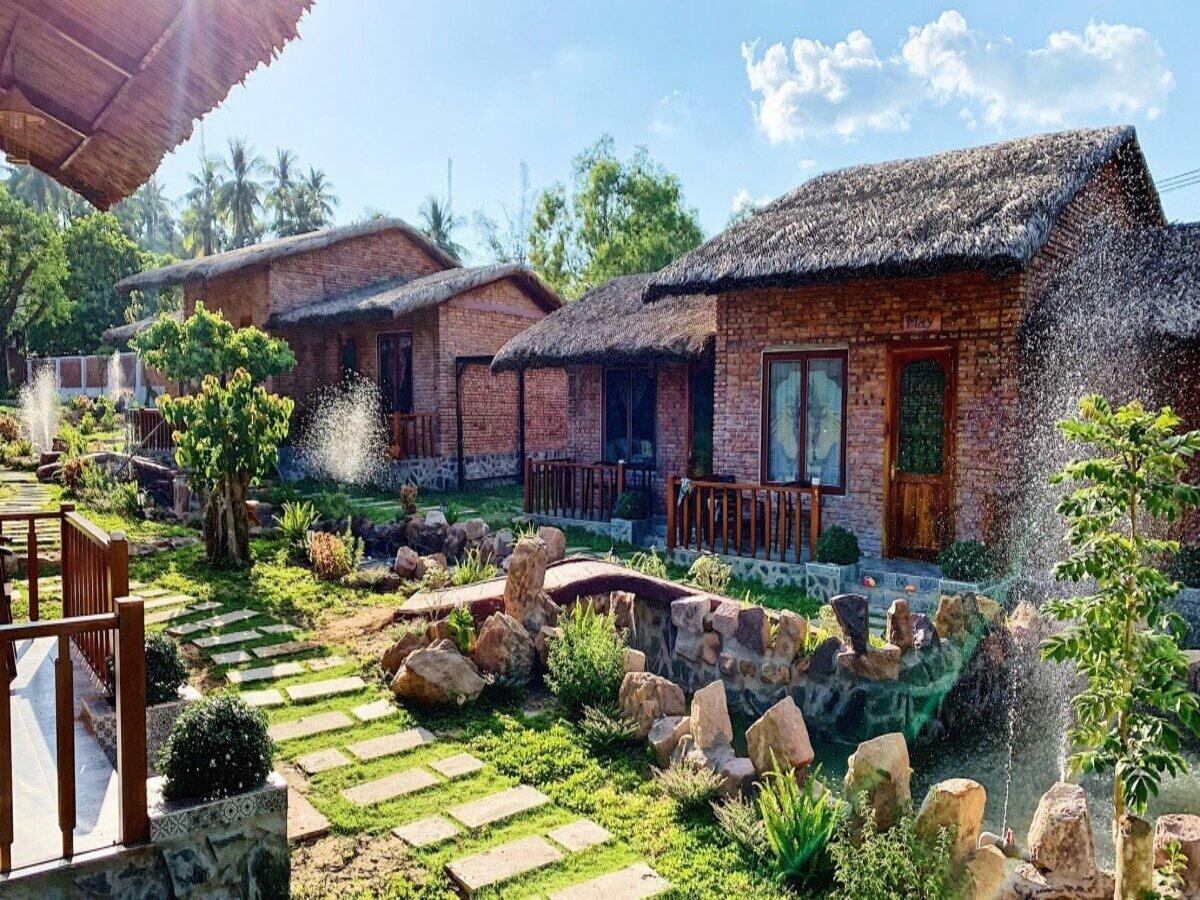
after renting the homestay space, the first thing you shouldn't do is paint the walls or buy furniture- but is to sit down and establish a brand positioning strategy. As in the Lippincott (2018) study, the physical space is the first brand value statement that customers see. Therefore, you need to clearly determine which style your homestay belongs to: boho youthful, rustic natural or minimalist Japanese?
- Target customers: Weekend resort for office workers, or Gen Z backpackers?
- Core values: Enjoyment – Connection – Freedom, or Closeness – Relaxation – Slow Living?
- Emotional experience: Do you want guests to feel ”they belong to this place” – or simply “chill enough for a vacation”?
The answers to the three questions above will dominate every subsequent decision: paint color, furniture layout, even the scent and music in the space.
Turn the concept into concrete tactile and visual experiences.
In the recent case study that DPS.MEDIA implemented for a homestay in Can Tho, the customer insight loving romantic retro style was transformed into an interior layout with a strong Indochine flavor: olive green walls, vintage tiled floors, velvet curtains and fairy light strings on bamboo that are extremely popular with young people for check-ins.
From a digital branding consultancy perspective, what makes a homestay “branded” is not simply a sign or a logo on the wall. It is the consistency in every spatial touchpoint – from the bathroom to the balcony. A wavy mirror, a hand-written chalkboard sign, or even a minibar menu contributes to strengthening the brand personality.
| Factors | Brand orientation | Realization in space |
|---|---|---|
| Main color | Fresh, relaxing | Mint green + ivory white |
| Material | Eco-friendly | Recycled wood, rattan |
| Visual highlight | Chill, art | Hand-painted painting, DIY design |
Synchronizing from strategy to space implementation not only helps the homestay accurately reflect the brand spirit, but also increases viral potential on digital platforms with eye-catching images - creating premises for natural communication later. That is the power of branding-oriented space design.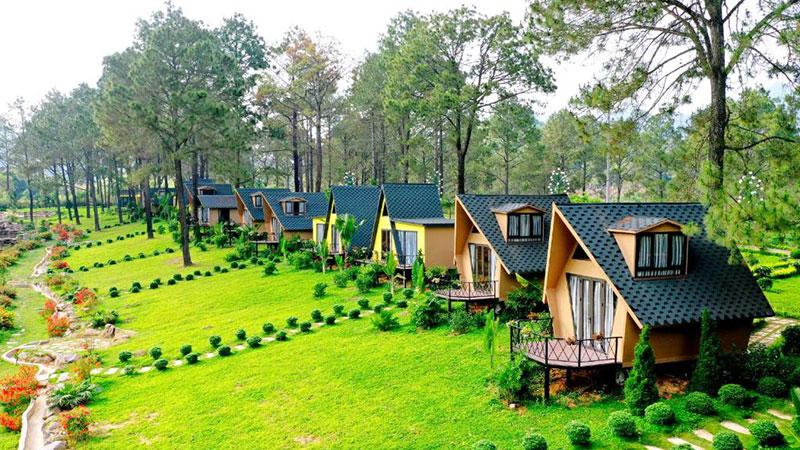
Establish a professional brand identity system from signage to online channels.
Build brand personality across both physical and digital environments.
The brand identity system is not just a logo, but the overall visual and emotional experience of customers when interacting with your homestay. According to research from MarketingWeek magazine (2023), consistency in brand identity can help increase brand awareness by up to 80% and double customer trust. Therefore, as soon as you find a location, it is time to start creating the “face” of your homestay.
- Signage – The business card on the street: Choose signage material suitable for the homestay style (rustic wood, industrial metal, or modern acrylic), ensure it stands out day and night with LED lighting system. Don't let your homestay get lost in a street due to signage inconsistent with the brand spirit.
- Logo and color palette - Create visual impression: Use a high-recognition identity set that conveys suitable emotions (emoji palette if targeting gen Z or earth tone if following retreat style, etc.). DPS.MEDIA recommends investing in a professional logo from the start, avoiding changes later that easily disconnect from old customers.
- Website & Social Media Profiles - Seamless connection channels: Apply consistent color system, font, and brand storytelling from offline to online. Website should be optimized according to the latest UI/UX standards (Webflow service, headless CMS), while optimizing Keyword SEO such as ”vintage district 1 homestay”, “double room with a beautiful view Da Lat'.
Unify the brand identity across multiple touchpoints on the customer journey.
| Touchpoint | Identity elements needed | Real application example |
|---|---|---|
| Booking platform (Airbnb, Booking.com) | Cover photo, style description, avatar | Happy Cabin Homestay only uses warm tone photos + captions telling slow life stories |
| Inside the room | Welcome card, slipper, towel with logo | Sapa Retro homestay has handwritten welcome note every morning for guests |
| Social network. | Dedicated hashtag + content revolving around the concept | #LovelyByLan uses the unique hashtag for every post |
Think of brand design as a living ecosystem.
DPS.MEDIA believes that a “living” identity system is where the brand does not stop at the surface, but creates a resonant attraction. Instead of thinking of a logo as “an image”, think of it as a character with a life. Ask the question: “If the brand were a person, how would they talk on Facebook? What would they wear when welcoming guests? What vibe would they create when guests enter the room?” With an ecosystem mindset, you will own a homestay that is not only beautiful but also has a memorable story.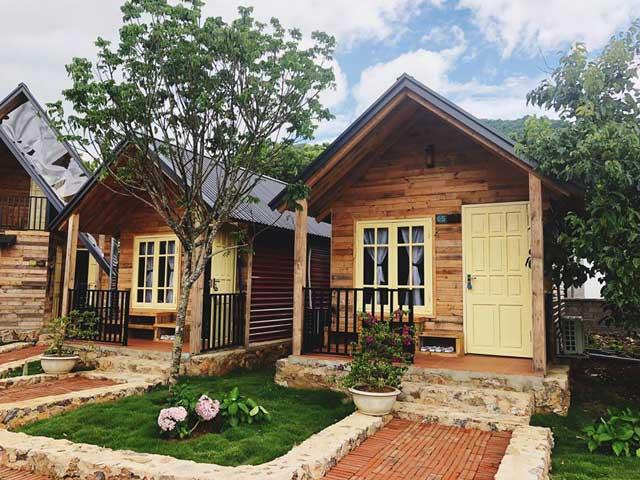
Register a business license and comply with local legal regulations.
The importance of registering a business license.
Owning a business license is a crucial first step for any business activity, especially in the homestay sector. Registration not only helps you operate legally but also builds trust with customers. A study from the Vietnam Homestay Association has shown that facilities with licenses tend to attract more customers thanks to trust and professionalism.
Steps to take.
To implement this process effectively, you need to pay attention to the following factors:
- Research local regulations: Each locality has different regulations regarding business licenses. Make sure to understand them thoroughly to avoid violations.
- Prepare documents: You need to provide complete information about the facilities, owner, and the reason for registering the business.
- Submit the application and wait for approval: After completing, submit the application to the managing authority and monitor the result. The review time is usually from 7-15 days.
Illustration from a successful case study.
A typical example is “Bien Xanh” homestay; when starting operations, the owner invested time in thoroughly researching local legal regulations. They completed business license registration procedures and received strong support from the community and customers, contributing to enhancing the brand image from the very first days of operation.
Registration cost summary.
| Types of costs | Costs (VND) | Note |
|---|---|---|
| Business registration fee | 1.000.000 | Fixed costs |
| License issuance fee | 500.000 | Depends on each locality |
| Legal advisory fees | 2.000.000 | If necessary |
Ensure that you have fully completed the steps above to avoid troubles during the business process. Legal compliance not only protects you but also enhances the value of your homestay's brand in the eyes of customers. 🌿
Optimize the customer experience right from the booking process.
Professionalize the booking process.
To create a great customer experience, the homestay needs to focus on room booking process. Optimizing this process not only makes customers feel easy, but also demonstrates the professionalism of the accommodation. Start by:
- Provide full information: Describe in detail the facilities, services and prices so that customers can make decisions quickly.
- Integrate online booking system: Use technology so customers can book rooms quickly on the website or via app.
- Quick response: Ensure instant responses to all questions or requests from customers.
Design a user-friendly and intuitive interface.
The booking interface design must be user-friendly. A clear interface will help customers easily navigate and search for information. According to a study from Nielsen Norman Group, users only take about 10 seconds to decide whether they want to continue on a website or not. To improve interaction:
- Arrange information logically: Essential items should be in visible positions.
- Use high-quality images: Beautiful and professional images can increase positive feelings of customers.
- Create an optimal mobile experience: Ensure that the website can operate smoothly on both mobile devices.
Illustrate success through a case study.
Homestay “An Nhien” has successfully optimized the booking process by applying an online booking system with a simple, easy-to-use interface. The result is an increase in guest bookings 20% only after 3 months. In addition, they also focus on training staff to respond promptly to all questions from customers, contributing to improving satisfaction and return rate of customers.
| Feature | Before optimization | After optimization |
|---|---|---|
| Response time | 24 hours | Under 1 hour |
| Success booking rate | 50% | 70% |
| Customer reviews | 4/10 | 8/10 |
Build a content and imagery strategy to attract customers on digital platforms.
Define style and target audience
Before starting to build content and images for the homestay, it is important to determine style that you want to convey. Your homestay can be modern, classic or local, but the important thing is that it must be suitable with target customers that you aim for. For example, a homestay for families will have a warm, friendly style, while a homestay for young people can have a youthful, dynamic style.
Plan content for images
Once the style has been determined, you need to plan the image content. The images need to accurately reflect space and experience that guests will have. Consider using short videos To introduce the space or answer customers' frequently asked questions. One typical example is the homestay The Box House, which has succeeded in creating engaging video tours that attract a large number of guests to book rooms.
Build content on digital platforms
Content is not just on the website but needs to be spread on platforms such as Facebook,Instagram or Blog.You should create engaging posts related to destination, entertainment activities nearby, or personal stories to connect with customers. For example, a post about local cuisine can not only provide valuable information but also create a compelling experience for customers.
| Activities | Description |
|---|---|
| Professional photography | High-quality photos to attract customers. |
| Create introductory videos | Short videos for a more authentic experience. |
| Create blog/vlog | Share experiences and interesting destinations. |
Connect with OTA platforms and set up an efficient room booking management system
Integrate OTA to optimize revenue and display on the market
After renting a space for the homestay, the first thing DPS.MEDIA recommends is to connect right away with OTA platforms (Online Travel Agencies). as Booking.com, Agoda, Airbnb or Traveloka. According to the report of Statista 2023, more than 72% of bookings in Southeast Asia come from OTA platforms – this shows the importance of appearing in the right place at the right time. However, do not just stop at creating an account!
We recommend you build a profile consistent and stand out with professional images, attractive descriptions, and transparent policies. Capturing the psychology of young travelers – who love experiences & personality – is a topic we have successfully implemented with Duong's Garden Homestay - Hoi An. After optimizing the title and description on Airbnb, traffic increased 3 times in 2 weeks.
Set up smart PMS to save time & prevent double-booking errors
Using Property Management System – PMS is the next step for synchronized management instead of “running Excel every day”. Platforms like Cloudbeds, Smoobu or Lodgify help:
- Sync booking calendars across multiple OTAs – reduce the risk of overbooking
- Automate confirmation emails and guest care before and after their stay
- Seasonal pricing management with Yield Management function
An example of the importance of PMS is the case of Casa Luna Homestay – Da Lat, the client DPS.MEDIA. After applying Lodgify in combination with the remarketing campaign suite, average monthly bookings increased 160% and returning guests reach the level near 30% in the first quarter.
Compare features of popular OTA platforms
| Platform | Commission costs | Suitable for | Key features |
|---|---|---|---|
| Airbnb | 3-15% | Homestay style, personalization | Host profile, reviews & unique experiences |
| Booking.com | 15-20% | Homestay wants to grow quickly. | strong visibility, good dynamic pricing integration |
| Agoda | 10-17% | Asian travelers, flexible pricing | Promotional programs & Flash Deals |
My takeaways
After completing the 10-item checklist of tasks to do after renting a homestay space, you are well on your way to laying a solid foundation for sustainable business growth. Thoroughly executing each stage not only helps optimize costs but also enhances the customer experience, building a unique mark for your homestay.
At DPS.MEDIA, we always partner with SMEs to build effective digital marketing strategies, from preparing the premises to promoting the brand on digital platforms. Consider adding topics such as optimizing online channel techniques or how to approach target customers to be ready to welcome the new wave of travelers.
We look forward to receiving your shares, experiences, and questions in the comments below. Let’s discuss together, you will not only enrich your knowledge but also contribute to building a professional homestay community and further development in Vietnam.