


An effective automated message on Messenger not only saves 60% of customer care time but also helps businesses retain customers from the very first interaction. With over 70% of customers expecting a response within 5 minutes (according to Facebook IQ), optimizing message scripts is vital for SMEs on digital platforms. If you run an online business, missing out on message automation means losing your competitive edge right in the customer conversion race.
At DPS.MEDIA, after working with more than 300 SMEs in Vietnam, we found that businesses with personalized automated messaging systems can increase response rates and orders by up to 35%. 10 mẫu tin nhắn dưới đây là kết tinh thực tiễn từ hàng ngàn kịch bản thử nghiệm – đảm bảo dễ triển khai, hiệu quả tức thì và phù hợp hầu hết lĩnh vực. Bạn sẽ có ngay những mẫu sẵn sàng sử dụng, không cần dò dẫm từng câu chữ – dư thời gian tập trung vào những chiến lược lớn hơn.
Investing in content for automated messages helps businesses build a professional image, enhance customer experience, and automate the sales process at almost zero cost. Với danh sách mẫu tin nhắn sau, mỗi tin đều được thiết kế để “chạm” đúng mục tiêu: từ chào hỏi, chăm sóc, nhắc đơn, đến chốt đơn – tất cả đều dựa trên dữ liệu thực tế hành vi khách hàng Việt.
Harnessing the power of automated messages in customer care strategies for SMEs
Decoding the benefits of automated messages in customer experience for SMEs
DPS.MEDIA finds that, in the context of SMEs having to compete fiercely on digital platforms, the application of automated messaging has become a key to customer care strategies. Research from Harvard Business Review (2023) also proves that speed and personalization in responses are two factors that increase the conversion rate of potential customers by 60%. This technology also reduces operational burdens, allowing businesses to optimize resources and more accurately forecast customer behavior.
- Tạo cảm giác “luôn hiện diện”: 24/7 replies help SMEs not miss any conversation, while also increasing customer satisfaction.
- Personalize communication: Automated messages are easily customizable Decoding the benefits of automated messages in customer experience for SMEs
Trong bối cảnh cạnh tranh khốc liệt trên nền tảng số,SMEs (doanh nghiệp nhỏ và vừa) đặc biệt cần các giải pháp giúp chăm sóc khách hàng tốt hơn mà vẫn tiết kiệm nguồn lực. Tin nhắn tự động (automated messaging) chính là “vũ khí” mới giúp SMEs bứt phá về trải nghiệm khách hàng.
Outstanding benefits of automated messaging for SMEs:
- Tạo cảm giác “luôn hiện diện”
Automated messages ensure businesses can respond to customers 24/7. This not only helps avoid missing any conversation but also builds a professional and trustworthy image, thereby increasing customer satisfaction and loyalty.
- Accelerate response speed, maximize conversions
According to Harvard Business Review (2023), fast response times and personalized messaging can increase lead conversion rates by up to 60%. Harvard Business Review. Automated messaging solutions eliminate delays and create a positive impression from the very first interaction.
- Personalize communication
Modern automated messages can analyze user behavior to deliver personalized content, from greetings and product promotions to post-sale support, thereby enhancing the customer experience at every touchpoint.
- Reduce operational workload, optimize costs
SMEs often have limited customer service staff. Using automated messaging helps reduce the workload for the consulting team, saves operating costs, and still ensures service quality for customers.
- Dự báo & phân tích hiệu quả hơn
Automated messages easily integrate with analytics tools, helping businesses track customer behavior and responses, thereby making demand forecasts and adjusting business strategies more accurately.
Summary:
Việc ứng dụng tin nhắn tự động không chỉ giúp SMEs “chăm khách” tốt hơn, chuyên nghiệp hơn mà còn là nền tảng cho những bước phát triển đột phá trong tương lai số hóa doanh nghiệp. Đây là đầu tư xứng đáng cho bất cứ doanh nghiệp nhỏ và vừa nào muốn tạo lợi thế cạnh tranh bền vững trên thị trường hiện đại Harvard Business Review.

Content considerations for automated messages to effectively lead conversations
Concise, personalized, and goal-oriented
Based on practical experience from hundreds of campaigns for SMEs in Vietnam, DPS.MEDIA has found that the most effective automated messages always have three elements: conciseness, personalization, and clear action orientation. A study published in the Journal of Interactive Marketing (2023) shows that short content (under 160 characters) but with personalized elements will increase response rates by 34%. Avoid generic, dry message templates; instead, you should integrate the customer's name or mention specific needs they may be interested in.
- Focus on value delivery: Avoid sending lengthy introductions, get straight to the issue the customer needs to solve.
- Proactively offer choices to customers: Kết thúc tin nhắn bằng một lời kêu gọi hành động rõ ràng, như “Bấm để nhận ưu đãi” hoặc “trả lời ‘Đồng ý’ nếu bạn muốn tư vấn ngay”.
- A/B testing and experimentation: Regularly evaluate the effectiveness of message templates and optimize based on actual customer feedback.
Conclusion: Sending a concise, personalized message with a call to action will help businesses optimize response rates and increase conversions in automated marketing campaigns.

Classifying automated message templates by each stage of the customer journey
Three main groups of automated message templates according to the customer journey
Dựa trên mô hình “Customer Journey” của McKinsey, DPS.MEDIA phân loại các mẫu tin nhắn tự động thành ba giai đoạn then chốt: Nhận biết – Cân nhắc – Chuyển đổi & Chăm sóc. Mỗi giai đoạn đòi hỏi cách tiếp cận và nội dung khác biệt để tối ưu hiệu quả tương tác.
- Awareness: Mẫu chào mừng, thông báo ưu đãi mới hoặc mời tham khảo kiến thức – giúp khách hàng tiềm năng nhận ra thương hiệu và tiếp cận thông tin giá trị, ví dụ: “Chào mừng bạn đến với thế giới làm đẹp toàn diện cùng DPS Beauty!”
- Consider: Automated consultation based on needs, product selection, or service package recommendations with real feedback (evidence, review images). A case study shows that Techstartup A in Ho Chi Minh City increased by 35% Three main groups of automated message templates according to the customer journey
Dựa vào mô hình “Customer Journey” của McKinsey, DPS.MEDIA chia hệ thống tin nhắn tự động thành ba nhóm chính, phù hợp với từng giai đoạn trải nghiệm của khách hàng:
1.Awareness stage
Goals: Introduce the brand, products/services, and create a first impression.
- Message template:
“Chào mừng bạn đến với thế giới làm đẹp toàn diện cùng DPS Beauty! Theo dõi fanpage để cập nhật ưu đãi mới nhất.”
- Application:
Welcome after registration/page like, send notifications about events, new programs, share useful knowledge.
2. Consideration Stage
Goals: Help customers better understand the product, build trust, and encourage decision-making.
- Message template:
“Bạn đang quan tâm đến liệu trình chăm sóc da? Hãy tham khảo feedback từ khách hàng thật của DPS Beauty hoặc chat với chuyên gia!”
- Application:
Automated consultation by keyword, send real reviews/images, suggest suitable products/services, remind about vouchers about to expire.
A real example: Techstartup A in Ho Chi Minh City applied this message group and increased purchase intent conversion rate by 35%.3. Giai đoạn Chuyển đổi & Chăm sóc
Goals: Promote purchases, maintain connections, and provide after-sales care.
- Message template:
“Cảm ơn bạn đã lựa chọn DPS Beauty! Đơn hàng #1234 sẽ được giao sớm. Đừng quên tham dự workshop chăm sóc da miễn phí dành riêng cho khách hàng thân thiết!”
- Application:
Send order confirmation, thank you messages, delivery schedule notifications, satisfaction surveys, repurchase reminders, member benefit updates, and post-purchase customer care.
Conclusion:
Việc xây dựng mẫu tin nhắn tự động sát từng giai đoạn “hành trình khách hàng” sẽ giúp thương hiệu tối ưu hóa hiệu suất tiếp cận, tăng tỷ lệ chuyển đổi và nâng cao trải nghiệm khách hàng.
Optimizing response rates through personalized message content
The role of personalization in increasing response rates
Studies from Harvard Business Review indicates that personalized messages can increase response rates by up to 65%. According to DPS.MEDIA, with automated messages on Messenger, addressing customers by name and suggesting products based on purchase history, or sending birthday offers not only makes customers feel cared for but also creates a stronger motivation to interact..
- Personalization based on real data: Sử dụng thông tin thu thập từ các điểm chạm (touchpoint) giúp nội dung trở nên gần gũi, giảm cảm giác “tin nhắn hàng loạt”.
- Smart suggestion consulting: Send personalized care scripts to customer groups, for example: reorder reminders for repeat buyers or post-purchase feedback surveys.
- Flexible sending time: Prioritize sending messages when customers are frequently online, based on behavior.
The role of personalization in increasing response rates
Personalization is becoming a key trend in modern marketing campaigns and plays a crucial role in increasing customer response rates. According to Harvard Business Review,personalized messages can increase response rates by up to 65%, clearly proving that customers who feel cared for will proactively interact more positively with businesses. In addition, reports from DPS.MEDIA also confirm that factors such as addressing customers by name, suggesting products based on purchase history, or sending birthday offers all contribute to strong engagement on automated platforms like Messenger.
- Personalization based on real data: Việc tận dụng dữ liệu thu thập từ các điểm chạm (touchpoint) giúp doanh nghiệp xây dựng nội dung gần gũi hơn,giảm cảm giác về các tin nhắn “spam” hàng loạt,từ đó khách hàng cảm thấy nội dung đó dành riêng cho mình.
- Smart suggestion consulting: Automated systems can send separate care scripts to each customer group, for example: reminding repeat buyers to reorder, or conducting post-purchase service feedback surveys.
- Flexible sending time: Analyzing customer access behavior helps choose the right time to send personalized notifications, prioritizing times when customers are online to increase the chance of immediate response.
In summary, personalization not only provides a better experience for each customer but also helps businesses improve communication effectiveness and significantly increase revenue.. The latest studies all indicate that this is one of the optimal strategies to increase response rates and build long-term relationships with customers. [Harvard Business Review, DPS.MEDIA].
Reference:
- DPS.MEDIA – Tác động cá nhân hóa trong tự động hóa Marketing
- Harvard Business Review – How Marketers Can Personalize at Scale

Building scenarios to handle common situations with automated messages
Automated scenarios for effectively handling customer responses
For Vietnamese SMEs, building scenarios to handle common situations along with automated messages on Messenger not only saves time but also enhances customer experience quality. DPS.MEDIA observes from Meta and McKinsey (2023) surveys that businesses applying personalized automated scenarios can increase conversion rates by up to 1.7 times. Common situations such as customers asking for product information, order updates, quick complaint handling... can all be solved with specially designed message templates that are highly interactive and consistent with the brand.
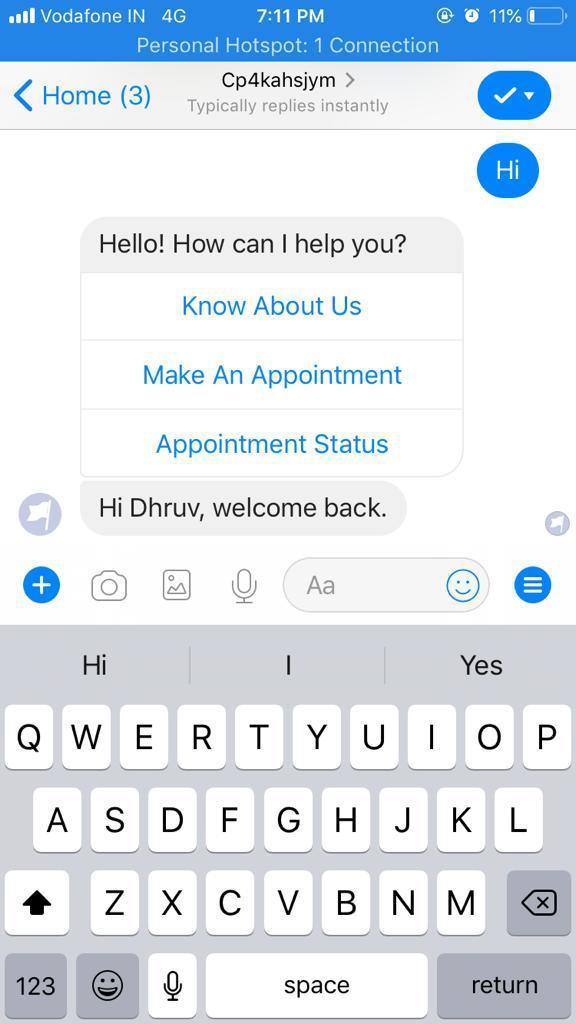
- Automatic greeting: Send a personalized greeting as soon as the customer messages for the first time.
- Product consultation: Ask prompting questions to identify customer needs and automatically suggest suitable options.
- Order status update: allow customers to quickly check order status using a simple syntax or automatic link, saving time waiting for manual responses.
- Xử lý khiếu nại & hỗ trợ: Thiết lập mẫu tin nhắn nhận diện khiếu nại (từ khóa: “lỗi”, “chậm”, “không nhận được”…), chủ động xin lỗi và yêu cầu thông tin bổ sung, đồng thời tạo phiếu hỗ trợ tự động chuyển cho nhân viên phù hợp.
- Post-purchase care: Send thank you messages, usage instructions, or exclusive discount codes for customers, increasing loyalty and encouraging repeat purchases.
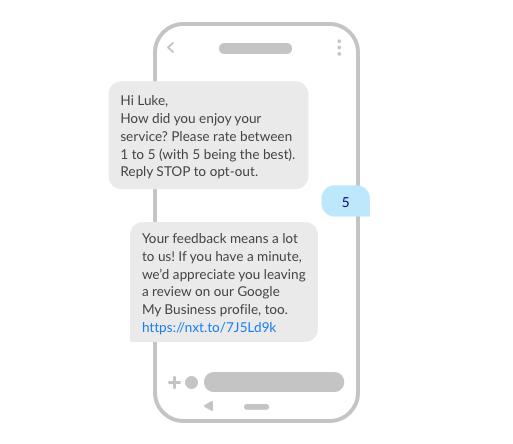
- short satisfaction survey: After handling the request, automatically send a survey link with 1-3 questions to help businesses improve service quality based on actual feedback.
- Chatbot: Handles quick responses 24/7, basic customer care, filters potential customers.
- Real staff: Engages when customers need personalized consultation or face special issues.
- DPS.MEDIA reality: Một khách hàng ngành giáo dục đã tăng gấp đôi số học viên đăng kí khi để chatbot tự động gửi thông tin khóa học, sau đó người tư vấn thật tiếp nối bằng các ưu đãi riêng – kết quả: tỉ lệ chốt sale tăng từ 8% lên 17% chỉ sau 6 tuần.
Automated scenarios for effectively handling customer responses (Continued)
Notes when building automated scenarios for SMEs:
– Lồng ghép thương hiệu trong từng mẫu tin nhắn qua tên,slogan,hoặc “giọng nói” riêng.
– Cá nhân hóa tối đa (gọi tên khách, ghi nhận lịch sử tương tác) để tạo cảm giác thân thiết.
– Đảm bảo khả năng kết nối với nhân viên thật trong các trường hợp tình huống phức tạp, tránh gây bức xúc vì robot trả lời máy móc.Theo khảo sát của Meta và McKinsey (2023), việc áp dụng kịch bản tự động thông minh, cá nhân hóa giúp SMEs Việt Nam không chỉ tăng hiệu quả vận hành mà còn cải thiện mạnh mẽ tỷ lệ chuyển đổi và khách hàng hài lòng, là giải pháp tối ưu trong bối cảnh kinh doanh số hiện nay [[Meta & McKinsey, 2023](https://www.mckinsey.com/capabilities/growth-marketing-and-sales/our-insights/automation-in-customer-experience)].

Secrets to measuring and adjusting the operational performance of automated messages
Measuring performance through real metrics and current data
DPS.MEDIA nhận định: Để tối ưu hóa hiệu quả của các tin nhắn tự động trên Messenger Facebook, doanh nghiệp không chỉ cần “chạy” mà còn phải “đo”. Việc theo dõi các chỉ số như lượng tin nhắn được mở, tỷ lệ phản hồi, thời gian trả lời hay số cuộc hội thoại hoàn tất giúp bạn có cái nhìn thực tế về hiệu năng.
According to research by Gartner (2023), successful automation campaigns are often based on analysis of real-time data để xác định điểm rơi tương tác – từ đó liên tục cá nhân hóa nội dung dựa trên thói quen hành vi người dùng.Indicators Meaning Targets Open Rate The rate of users opening messages Measuring performance through real metrics and current data
DPS.MEDIA nhận định: Để tối ưu hóa hiệu quả của các tin nhắn tự động trên Messenger Facebook, doanh nghiệp không chỉ cần “chạy” mà còn phải “đo”. việc theo dõi các chỉ số như lượng tin nhắn được mở, tỷ lệ phản hồi, thời gian trả lời hay số cuộc hội thoại hoàn tất giúp bạn có cái nhìn thực tế về hiệu năng.
According to research by Gartner (2023), successful automation campaigns are often based on analysis of real-time data để xác định điểm rơi tương tác – từ đó liên tục cá nhân hóa nội dung dựa trên thói quen hành vi người dùng.
Indicators Meaning Targets Open rate The rate of users opening messages Above 70% Response Rate The rate of users responding to messages Above 50% Response Time Average time to reply to messages Under 5 minutes Completed Conversations Number of completed conversations Up 20% compared to last month This HTML code presents a structured overview of performance metrics for automated messages on Facebook Messenger, including their meanings and targets.

Connecting and driving conversions through the collaboration of chatbots and real staff
Sự kết hợp “con người + chatbot” giúp chuyển đổi bứt phá
DPS.MEDIA nhận thấy, trong môi trường kinh doanh số tại Việt Nam, người dùng có xu hướng phản hồi tích cực với những trải nghiệm “kép” – tức sự phối hợp hài hòa giữa chatbot trả lời tự động và nhân sự thật đứng phía sau chăm sóc, tư vấn sâu khi cần thiết.Theo nghiên cứu từ Harvard Business Review (2023),các doanh nghiệp áp dụng mô hình này tăng 31% tỉ lệ chuyển đổi so với chỉ dùng chatbot độc lập.Outstanding experiences when combining chatbots and real people
Automated message templates to optimize Facebook Messenger conversions
Purpose Message template Closing step Greeting Hello! DPS.MEDIA is ready to support you 24/7. Which service would you like to learn about? Attract initial interaction Request information Could you leave your phone number or email for faster consultation? Lead filtering Schedule consultation DPS.MEDIA offers FREE consultation calls at your chosen time slot. Which time would you like to choose? Increase meeting rate Cái nhìn mới: Chatbot không thay thế – mà khuếch đại nhân sự thật
Chatbot is just the beginning, not the end point. Như minh chứng từ dự án BĐS mà DPS.MEDIA triển khai quý 2/2024: chatbot giúp mỗi ngày tiếp cận 300+ khách, nhưng chính đội ngũ sale mới là “vũ khí bí mật” – tăng tỉ suất chuyển đổi khách hàng ẩn danh thành người mua thực, nhờ khả năng thấu hiểu tâm lý Việt.Sponsor
Optimize customer interaction
The combination of chatbots and real staff opens a new era in customer interaction. Chatbots act as the front line, available 24/7 to answer frequently asked questions and collect basic information. When customer needs exceed the chatbot’s capabilities, real staff take over, providing in-depth and personalized support. This not only enhances the customer experience but also frees employees from repetitive tasks, allowing them to focus on more complex issues. Learn more about how Social Catfish helps you verify online identities, ensuring safety when connecting with customers and partners.Increase conversion rate
Combining chatbots and real staff ensures you never miss a business opportunity. Chatbots can quickly filter potential customers and transfer the highest-potential leads to sales staff. With information collected by the chatbot, sales staff can make more suitable and persuasive proposals. As a result, the conversion rate will increase significantly.Build loyalty
Customers always appreciate speed and efficiency in problem-solving. The combination of chatbots and real staff provides customers with a seamless experience, from instant responses to dedicated support from professional staff. This helps build customer trust and loyalty towards the brand.Negative balance still remains
Applying automated message templates on Messenger not only helps businesses optimize customer care processes but also enhances user experience at every touchpoint. Especially for SMEs in Vietnam, cleverly leveraging chatbots is an opportunity to save resources while maintaining continuous, professional connections with customers.
Based on experience in consulting and implementing various digital marketing strategies for SMEs, DPS.MEDIA has found that effective message templates often come from a correct understanding of user behavior and the specific goals of each campaign. To maximize automation potential, businesses can combine chatbots with customer management systems (CRM) or analyze user behavior data across multiple channels.
If this is your first time implementing automated messages, start with the most basic templates and continuously experiment and adjust. Also, don’t miss the opportunity to expand to other interactive platforms like Zalo, Instagram, or integrate with email marketing to create a consistent customer care ecosystem.
We encourage you to share your experiences using automated message templates, or any ideas you find effective in interacting with customers on Messenger. Leave a comment below or join DPS.MEDIA in the discussion to explore more creative approaches in the digital transformation journey.