

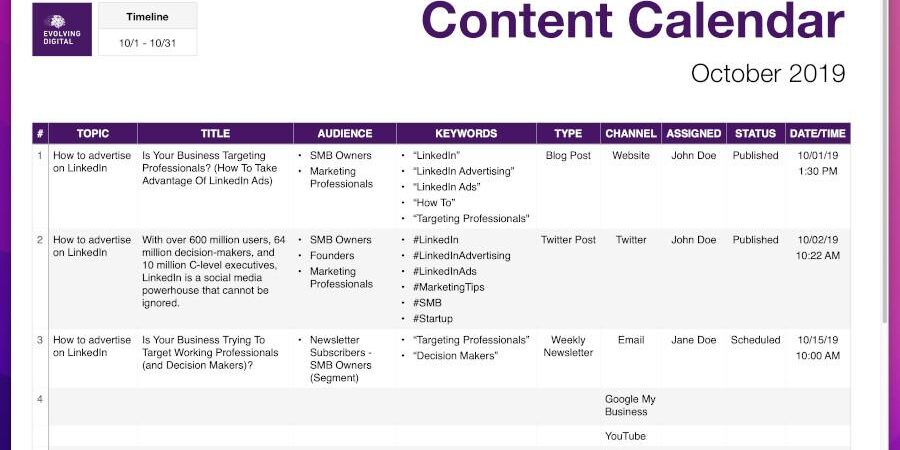

Are you managing a weekend skill class and struggling to retain students as well as maintain engagement on media channels? A detailed, strategic 1-month content calendar is the tool to help you solve both problems: growth and retention. According to an internal survey by DPS.MEDIA, educational centers with clear content plans increase average engagement effectiveness by 38% compared to those without a strategic approach.
Key point: building a content calendar is the starting step for every successful communication campaign. This is not just about posting regularly, but a combination of storytelling, student insights, and business goals. With a smart content calendar, you turn every post into a link in the learner's experience journey.
Imagine: every weekend, students not only attend class but are also inspired by success stories, study tips, or real-life activities on the fanpage. At the same time, your team is no longer confused about “what to post today?”, but has clear direction to focus on content quality.
From the perspective of DPS.MEDIA – a unit that has accompanied hundreds of SME businesses in the education sector – the key to success lies in continuity and consistency in communication messages. A content calendar not only saves you time but also optimizes your marketing budget effectiveness, thanks to clear measurement and continuous improvement.
Với lịch nội dung 1 tháng bạn có thể: bám sát tiến độ giảng dạy,định hướng thông tin phù hợp từng nhóm học viên,và tạo ra “vòng lặp quan tâm” – nơi người học chờ đợi,tương tác và giới thiệu lớp học đến người khác.Hãy nhớ: consistent content is the foundation for a sustainable learning community.
Therefore, if your weekend skill class is still “chasing daily content”, now is the time to take a step back, build a 30-day plan, and leverage the power of content strategy – the factor that truly differentiates a branded class from one that survives only on advertising.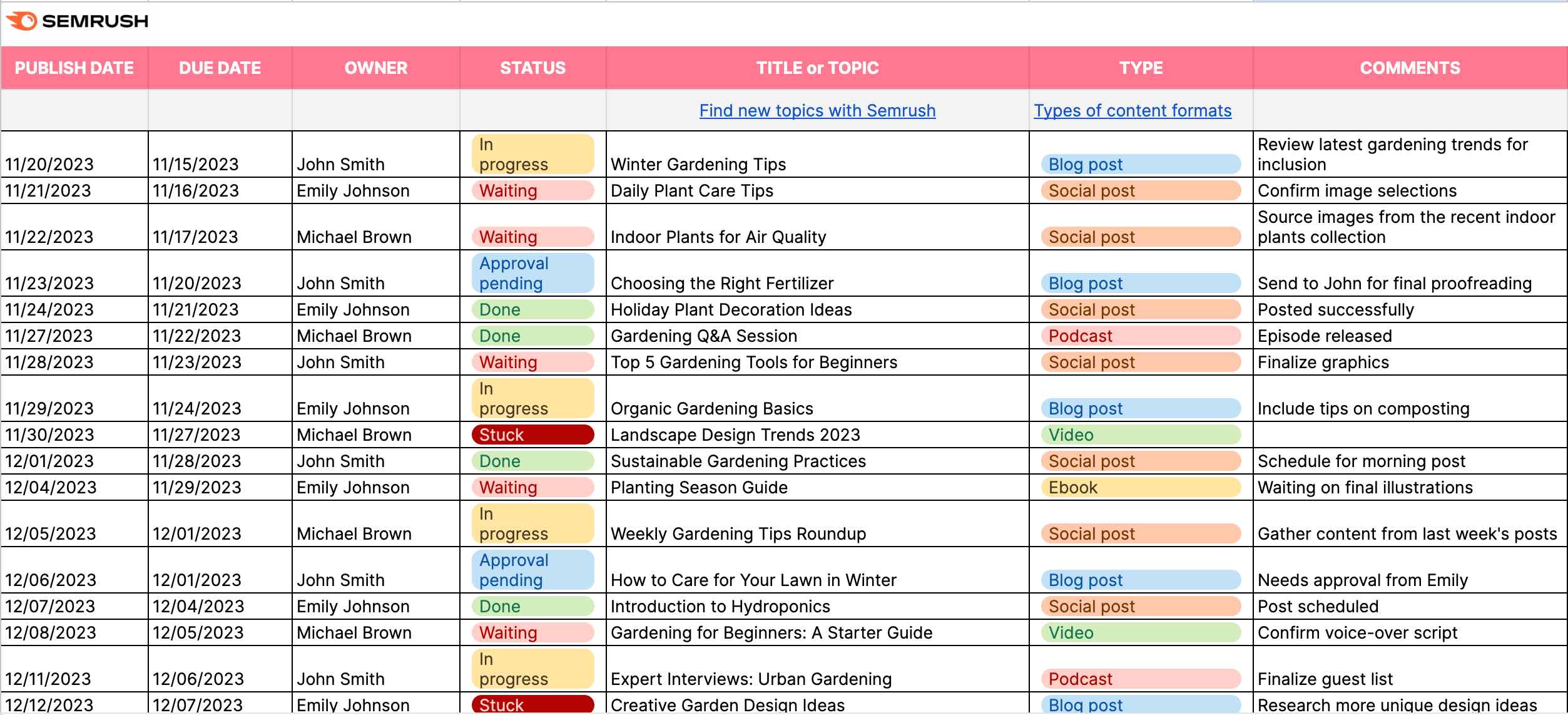
Why weekend skill classes need a well-structured content schedule
Helps coordinate resources and instructors effectively
A well-structured content calendar is not just an organizational tool, but also a “compass” that helps skill classes operate smoothly. According to research from the Harvard Graduate School of Education, planning content in cycles helps reduce long-term preparation time by 30%. From DPS.MEDIA’s practical perspective, this is especially important for SMEs organizing weekend skill courses — where budgets and manpower are often limited.
Tại một workshop kỹ năng mềm mà DPS.MEDIA từng hỗ trợ tại TP.HCM, việc thiết lập lịch nội dung theo mô hình “Chu kỳ 4 tuần” cho lớp học đã cho kết quả ấn tượng: tỉ lệ giảng viên thay ca giảm 42% do biết trước lịch giảng cụ thể, trong khi học viên quay lại lớp tăng 28% nhờ nội dung được xây dựng theo tiến trình rõ ràng và hấp dẫn.
Increase learning value through intentional experiences
When there is a well-designed class schedule, each session is no longer an isolated, directionless event, but becomes part of a structured learning experience chain. Modern educational theories such as Constructivism (Jerome Bruner, 1966) have highlighted the importance of building knowledge through a tightly connected sequence of experiences.
Đối với lớp học kỹ năng cuối tuần — nơi học viên thường đến với kỳ vọng “học nhanh – dùng được liền” — một lịch trình rời rạc sẽ gây khó hiểu và thiếu động lực duy trì. DPS.MEDIA đề xuất áp dụng cấu trúc xoắn ốc để luân phiên nhắc lại và nâng cao kỹ năng theo từng tuần.
Easily optimize marketing according to content streams
Having a class content timeline not only helps instructors teach effectively, but is also a strategic advantage for the marketing team. Imagine the content calendar as a map for planning communications in stages: each learning topic is a touchpoint to deploy specific Digital Marketing campaigns.
Below is a sample 4-week content calendar developed by DPS.MEDIA for the weekend class model:
| Week | Main topic | Core skill | Suitable communication method |
|---|---|---|---|
| Week 1 | Effective communication | Active listening | Situation demo video |
| Week 2 | Problem solving | Critical thinking | Process infographic |
| Week 3 | Time management | Eisenhower matrix | Case-study sharing article |
| Week 4 | Effective teamwork | Role-playing skills | Online interactive mini game |
- Clear content strategy opens up a series of opportunities to run sequential ads by topic.
- Consistent posting schedule helps build class brand identity.
- Easy to measure effectiveness from each campaign according to the corresponding content.

How to build engaging content topics suitable for weekends
Focus on experience instead of boring theory
Weekends are when learners seek relaxation, a change of pace, and connection — không phải để tiếp thu những kiến thức “hàn lâm” dày đặc. Theo nghiên cứu từ Harvard Business Review (2023),các khóa học cuối tuần hiệu quả đều mang tính trải nghiệm cao,giúp người học “chạm” được vào cảm xúc. Từ đó, DPS.MEDIA đề xuất các nhóm chủ đề tập trung vào:
- Practical application: Guiding easily applicable skills at work – for example, “How to create a persuasive presentation in 60 minutes.”
- Integrating social trends: Drawing inspiration from prominent issues – such as “Critical thinking skills through AI scenarios.”
- Interactive experience: Designing pair activities, simulation games, creating a more connected experience rather than one-way delivery.
Align content schedule with weekend consumption habits
Based on user behavior analytics data from recent DPS.MEDIA Meta Ads campaigns, weekends are when users prioritize:
- Self-development (usually on Saturday mornings)
- Ignite personal creativity (in the afternoon or evening on Sunday)
Therefore, instead of posting random content, design a thematic schedule that fits this behavior. Below is a suggested plan template:
| Week | Main topic | Implementation time | Content types |
|---|---|---|---|
| Week 1 | Critical thinking in digital life | Saturday morning | Workshop + interactive video |
| Week 2 | Quick content creation with AI tools | Sunday afternoon | Live stream + practical ebook |
| Week 3 | Teamwork skills in a hybrid environment | Saturday morning | Case study + Q&A mini-game |
| Week 4 | Time management based on the Pareto principle | Sunday afternoon | Infographic + audio recap |
Personalize topics based on learner profiles
DPS.MEDIA regularly applies Customer Persona to adjust weekend content groups according to each type of SME learner. For example:
- Office worker: prefer topics such as confident presentation, upgrading soft skills.
- Small business owner: will be interested in practical content such as building personal branding, short-term negotiation skills.
The key is “choose the right topic for the right person at the right time”.”. Start with 4 common personas in your course, then flexibly adjust the content tone according to each group's behavior.

Secrets to creating highlights with interactive activities and real-life experiences
Turn the classroom into an emotionally rich and experiential playground
According to research from Stanford Graduate School of Education (2021), learners of all ages remember and absorb knowledge better when participating in experiential activities. At DPS.MEDIA, we recommend SMEs design weekend skill programs in the direction of learning-by-doing, turning the classroom into a practical playground where every skill is “touched” and “felt”.
For example, in the “Smart Communication and Behavior” class, students will participate in role-playing sessions at a simulated coffee shop with scenarios designed by the students themselves. This not only helps students remember knowledge longer, but also builds confidence through continuous practice. The integration of practical activities and theory helps increase reflexes and flexible situational thinking.
Interaction-boosting tactics: Mini Challenges and Weekly Small Competitions
To maintain interest and engagement, insert into each weekend class content some creative mini challenges such as:
- 60-second idea pitch challenge: applied to creative presentation class
- Workshop “One failure leads to success”: where students share a personal failure experience and relate it to the lesson
- Advanced psychological quiz Gamified Assessment: quick but intriguing test, helping learners express genuine emotions
These activities not only increase classroom engagement but also help the organization’s brand create attractive content for communication on digital platforms. Below is an illustrative table of weekly interactive activities in a gamification style:
| Week | Main activity | Mini Challenge |
|---|---|---|
| Week 1 | Non-verbal communication | Nhận diện cảm xúc qua ánh mắt – “Mắt nói gì?” |
| Week 2 | Self-positioning in 3 minutes | Pitch yourself in front of the camera |
| Week 3 | Group conflict resolution | “Drama đóng vai” – nhóm chia phe tranh luận |
| Week 4 | Active listening | Mini podcast – Phỏng vấn ngược người hướng dẫn |
Phương pháp xây dựng nội dung tương tác này dựa trên mô hình giáo dục tiếp cận cảm xúc (emotional-centric learning), mở rộng từ lý thuyết đa trí tuệ của Howard Gardner. Từ kinh nghiệm tư vấn chiến lược nội dung cho hệ sinh thái giáo dục nội bộ tại TP.HCM, chúng tôi nhận thấy việc lồng ghép các yếu tố xã hội – cảm xúc sẽ thúc đẩy hiệu quả học tập rõ rệt và tạo sự khác biệt cho thương hiệu đào tạo SMEs tại thị trường Việt nam.
Optimize communication effectiveness with multi-channel posting schedules
Schedule content by weekly cycles – optimize interaction
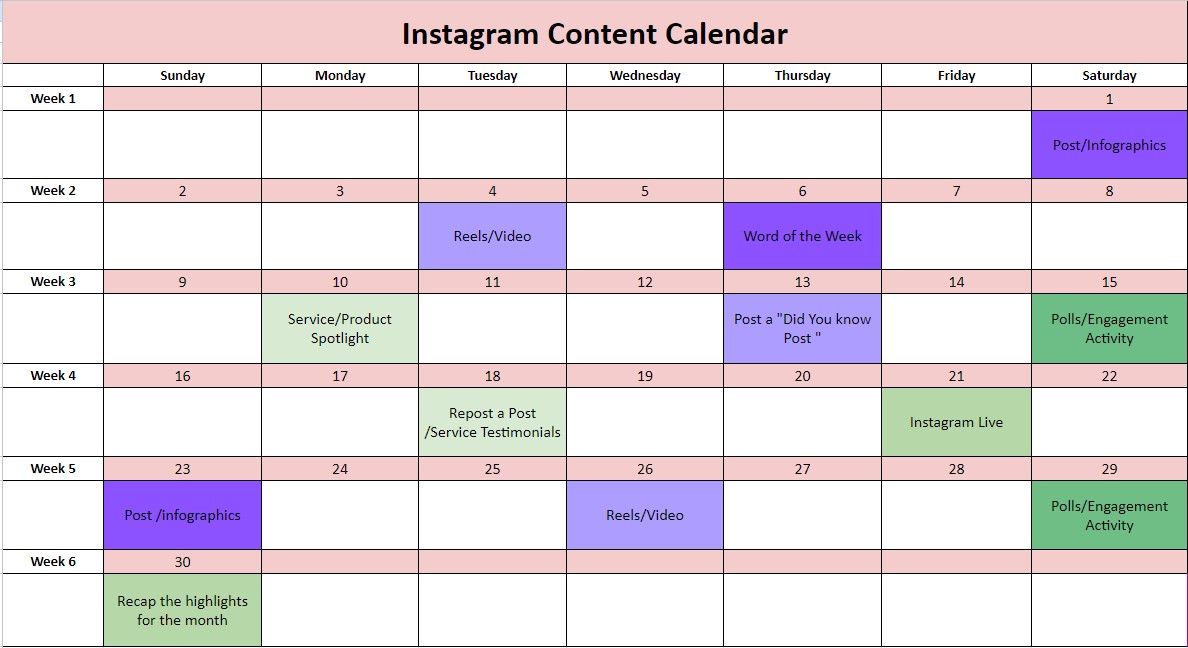
Based on the “Integrated Dialog Plan” model by Philip Kotler, DPS.MEDIA has designed a 4-week content schedule for weekend skills classes, helping to increase brand exposure consistently across multiple platforms: Facebook, Instagram, Zalo OA, and Email Marketing. The core idea is to leverage user behavior at each stage: Awareness – Interest – Desire – Action.
We divide the content into 4 main groups to repeat weekly, ensuring users are always exposed to new information while maintaining strong orientation:
- Monday: “Thought-provoking” post – raising social issues related to the class topic
- Wednesday: Mini case study (3 images + insight) – real-life example from former student
- Friday: Stimulus content – introduce new class with concise CTA + story testimonials
- Sunday: Livestream / short recap video from today's class (multi-platform)
Bảng lịch nội dung mẫu 1 tháng – lớp “Giải quyết xung đột trong giao tiếp”
| Date | Content | Distribution channel |
|---|---|---|
| Tuần 1 – T2 | Thought: Why do talented people still fail in communication? | Facebook Post + Instagram Story |
| Week 1 – Fri | Introduce trial class + Early Bird offer | Zalo OA + Email Newsletter |
| Tuần 2 – CN | Recap video: Student feedback after skills class | Facebook Reels + YouTube Shorts |
| Tuần 3 – T4 | Case: Tranh luận giữa nhân sự khách hàng & sales | LinkedIn Post + Fanpage |
| Week 4 – Fri | Infographic: 5 non-violent feedback models | Instagram Carousel + TikTok |
Case study: Increase registrations by 48% thanks to synchronized content
A typical practical project is the campaign for the class “Critical Thinking for Students” in collaboration with a training center in Binh Thanh. DPS.MEDIA applies a synchronized content calendar across 4 main platforms. Result:
- 3.5x increase in Facebook engagement in the first week
- Zalo OA conversions increased by 481% in the month, thanks to timely Email Reminders
- Story reviews from former students brought over 120 organic shares in just 2 days
according to media expert David Meerman Scott, “Right content at the right time + right platform is the compass for effective communication.” DPS.MEDIA believes that with a 1-month integrated content calendar, each SME can turn every post into a strategic step in the customer conversion journey.

Integrate brand value into content without being offensive
Position brand value as a solution, not an advertisement
In weekend skill class sessions, when businesses collaborate on content, the most important thing is not to become an “off-key salesperson.” Instead of repeating the brand name, make the brand an inseparable part of the solution — like how IKEA organizes the “Organize Your Child’s Study Room” workshop in their weekend series. Children learn independence skills, parents get hands-on experience with smart wooden shelf products — all happening in a natural environment, not forced.
Build content as a bridge – not a sales tool
At DPS.MEDIA, we always advise SME clients: “If each piece of content has intrinsic value, the brand will be remembered automatically.” Applying the principle from the Hero-Hub-Help model proposed by Think With Google, you can create a monthly content calendar with the following structure:
| Week | Skill topic | Suggested brand value |
|---|---|---|
| week 1 | Confident communication skills | Accompanying children in developing character – not just as educational products |
| Week 2 | emotional management | Applying emotional intelligence tools – shared by our internal expert team |
| Week 3 | Proactive teamwork | Implementing the 5C model process in practice – integrating real-life cases from within the business |
| Week 4 | Critical thinking | Leading through storytelling with practical courses — relating to the product development journey |
Case study: Weekend class connects parents with Edtech brand
In a collaborative campaign between DPS.MEDIA and an educational startup, we launched the “Saturday of Light” workshop series – where children learn new skills each week, and parents try out the online learning platform. Interestingly, instead of saying “the ABC platform helps your child learn better,” we created an interactive game about managing study time. Result: post-event conversion rate increased by 246%, but no one felt “attacked” by advertising.
The strategy here is not to “talk more about ourselves” but to “help others talk more about our value.”.
Analyze data and adjust content for the following weeks
Dive into data to predict content demand
Tại DPS.MEDIA, chúng tôi không chỉ đăng nội dung rồi chờ đợi – chúng tôi đo lường, phân tích và cải tiến. Dựa trên báo cáo tuần từ Facebook Insights & Google Analytics, chúng tôi nhận thấy các bài học kỹ năng “ứng dụng công nghệ thực tế trong đời sống” đạt lượng tương tác trung bình cao hơn 57% compared to other topics. This shows that learners’ needs are strongly shifting towards smart digital skills – something that next month’s content calendar needs to clearly reflect.
We conducted an effectiveness classification of each post based on criteria such as: number of shares, average video watch time, weekly return rate. Below is a sample data table used to restructure the content plan:
| Topic | Performance (Engagement/1000 people) | Suggested adjustments |
|---|---|---|
| Critical thinking skills | 140 | Add infographics with real-life scenarios |
| Group presentation | 75 | Shorten the video, add a quick Q&A section |
| Basic digital skills | 182 | Increase the frequency of instructional livestreams |
Adaptability: Adjust the schedule according to machine learning loops
Applying the Agile model in communications – what researchers from MIT Sloan Management Review call “tối ưu hóa qua học hành động trực tiếp (live iterative insights)” – is the core thing that DPS.MEDIA is implementing for weekend skills classes. Every week, we run small group A/B tests on visual content (animated images, modern charts) and compile the results to refine the format for the following week.
- Week 1: Prioritize vertical videos for mobile platforms
- Week 2: Switch format to reels with trending audio
- Week 3: Implement minigames + surveys to increase engagement
Through this process, every creative action has a data-driven reason behind it – helping SMEs not only convey information but also build sustainable learning behaviors from followers.
Suggested tools to support building and managing smart content calendars
Effective content scheduling tools tailored for skill classes
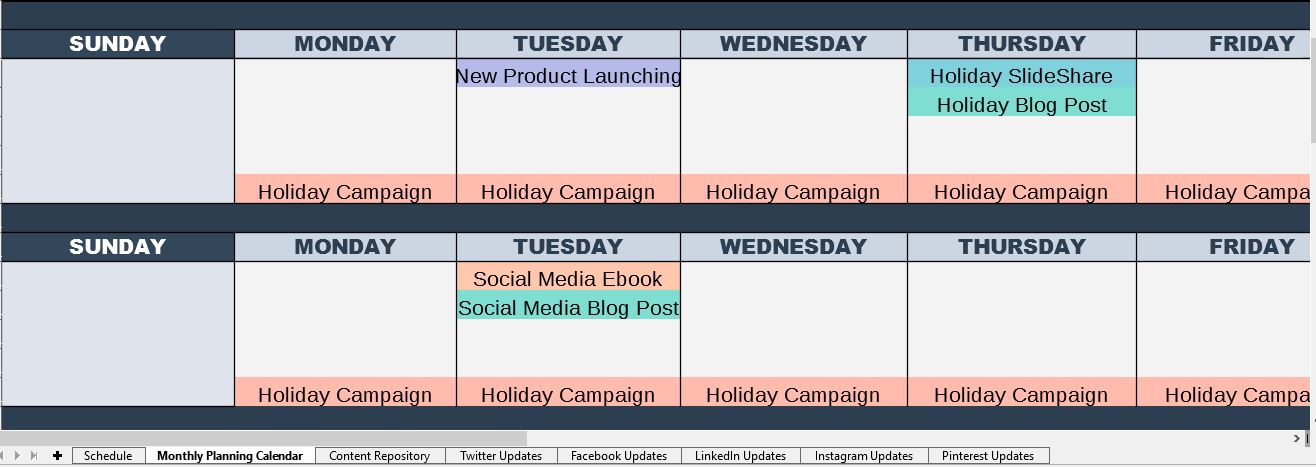
To build a one-month content calendar for weekend skills classes optimally, DPS.MEDIA recommends combining professional tools with a streamlined process. Based on our experience running content campaigns for training centers like Saigon Skills Lab and Let’s Coach, we have found the following tools deliver outstanding results in schedule management:
- notion: Not only a note-taking place, Notion can also be customized into a complete content calendar with calendar view, helping track weekly class topics, attach teaching materials, and communication briefs.
- trello: The Kanban interface helps divide content by study week, assign people in charge of video production, illustration design, and content editing, along with a “Done” column to monitor progress.
- ContentCal (currently integrated in Adobe Express): A multi-channel content management platform; suitable when the team needs to synchronize the study schedule with media activities from Facebook, Zalo OA to YouTube Shorts.
Lịch mẫu 1 tháng: Phân bổ thông minh & tăng tương tác cuối tuần
We designed a sample calendar with the mindset of regulating content frequency according to the “Law of Emotional Connection with Learners” – as mentioned by John Dewey in his research on experiential learning. The table below illustrates how to build a skills class schedule with a diverse distribution of content integrating storytelling techniques – helping learners not only study but also practice reflection:
| Week | Class topic | Content format | Communication channel |
|---|---|---|---|
| Week 1 | Confident presentation skills | Mini Blog post + Short Reel | Facebook, Instagram |
| Week 2 | Logical debate in conversation | Infographic + Interview video with alumni | Fanpage, TikTok |
| Week 3 | Professional conduct | Interactive Livestream + Poll Story | Facebook, Zalo OA |
| Week 4 | Summary: Soft skills in real life | Email newsletter + Class photo album | Email, Website |
Perspective: Automation must be tied to learner emotions
DPS.MEDIA believes that,automating the content calendar is not simply digitizing the planning process – but a method to inspire repetition. According to Professor Teresa Amabile (Harvard Business School), when learners see consistent and meticulous investment from the organization, they will perceive the “seriousness” of the content, thereby increasing their commitment and positive feedback attitude.
Therefore, when creating a content calendar for skill classes, our advice is:
- Bring people into the process – don’t let tools decide the message.
- Use the calendar as a creative tool – not just a technical spreadsheet.
- Set goals to touch emotions – not just to fit the schedule.
Your past journey
A one-month content calendar for weekend skill classes is not just a simple posting plan, but a strategic map to help you effectively connect with the learning community and potential customers. When built on deep understanding of the target audience and brand orientation, the content calendar becomes a bridge between the value you bring and the actual needs of the market.
DPS.MEDIA believes that for SMEs in Vietnam, especially in the skill education sector, maintaining a consistent, creative, and valuable presence on digital platforms is the key to sustainable growth. Flexibly experiment with different content formats – from instructional videos, interactive images to inspirational articles – to best respond to learner behavior.
Additionally, you can expand your content calendar to other social media channels, integrate email marketing, or build a webinar series to enhance engagement. If you are looking for more comprehensive strategic solutions, don’t hesitate to explore more about educational marketing trends or digital consumer behavior through the DPS.MEDIA blog.
We look forward to receiving your shares, questions, or feedback. Please leave a comment or join the conversation with the community to together develop an inspiring and effective digital learning ecosystem!