



A.I Washing is a common misleading marketing tactic in the consumer goods industry. Many people believe this is truly smart technology, but in reality, it often isn't.
According to a DPS.MEDIA survey of over 100 SME businesses, more than 60% of customers were misled by this term. This shows that understanding A.I Washing correctly is very important to avoid misinformation.
Explore the concept of A.I Washing and its impact on the technology market
What is A.I Washing? Definition and essence
A.I Washing is the act of “exaggerating” or faking the artificial intelligence (AI) capabilities of a product or service to attract attention from customers and investors. This phenomenon often occurs when businesses, especially in the technology market, promote their products as AI-integrated even though they haven't actually implemented truly intelligent solutions. This creates misunderstandings and misleads consumers in accessing new technology.
DPS.MEDIA, in its role as a digital marketing strategy consultant for SMEs, finds that A.I Washing not only erodes trust in AI technology but also disrupts the market with unrealistic promises. A typical example is a startup that hired 700 engineers to “pretend to be AI” but eventually went bankrupt, clearly demonstrating the harm of A.I Washing [[1](https://vneconomy.vn/techconnect/startup-thue-700-ky-su-an-do-dong-gia-ai-vua-tuyen-bo-pha-san.htm)].
Negative impacts on the market and businesses
The A.I Washing phenomenon creates many negative consequences in both the short and long term. For consumers, they easily lose trust when products fail to meet “AI” expectations. For businesses, this action can damage their brand and make investors hesitant to engage with genuine AI projects. As a result, the technology market becomes less transparent and develops more slowly than its true potential.
Recent statistics from vneconomy show that up to 40% of startups in the artificial intelligence sector are heavily advertised but actually have no real AI technology or only use human labor to replace AI [[1](https://vneconomy.vn/techconnect/startup-thue-700-ky-su-an-do-dong-gia-ai-vua-tuyen-bo-pha-san.htm)]. This warns SMEs to adopt accurate and transparent approaches when applying AI.
Anti-A.I Washing checklist for SMEs
- Technical review: Verify AI features through real demos or technical reports.
- Information transparency: Clearly communicate what AI can actually do and the limitations of the product.
- Internal training: Raise awareness about AI and avoid false advertising.
- Risk assessment: Plan crisis communication management in case A.I Washing is discovered.
- Update trends: Monitor the market to develop appropriate marketing strategies and stay practical.
| Aspect | Impact of A.I Washing | solutions from SMEs |
|---|---|---|
| Customer trust | Declines, easily subject to negative reactions | Transparency and accuracy in communication |
| Marketing effectiveness | Rises quickly but is not sustainable | Focus on real customer experience |
| Product quality | Exaggerated, causing disappointment when used | Invest in real AI development, thoroughly test |
Takeaway: A.I Washing is a deceptive marketing tactic that is seriously affecting the technology market. SMEs should choose a transparent development path and invest in real technology to build a sustainable brand. DPS.MEDIA recommends each unit have a clear strategy and avoid following trends at the expense of the product's true value.
Marketing tricks hidden behind the use of the term A.I
What is A.I Washing and why do businesses use this trick?
A.I Washing refers to the act of businesses promoting products or services with exaggerated or misleading claims about the use of artificial intelligence (AI) – becoming a common “trick” in marketing. Research from West Monroe Partners shows that up to 40% of US businesses advertise AI but in reality only apply it in a very limited or negligible way [[1](https://www.tinnhanhchungkhoan.vn/ai-washing-loi-noi-doi-moi-cua-doanh-nghiep-post350680.html)]. In Vietnam, with the strong development of technology, this phenomenon is also increasing, causing much misunderstanding and reducing consumer trust.
Common marketing tactics when using A.I Washing
Businesses often leverage the term AI to create appeal without seriously investing in real technology development. Some common tactics include: advertising products with “virtual” AI features, using vague language in marketing materials, or exaggerating AI benefits without concrete evidence. This not only distorts the customer experience but also affects long-term brand reputation.
Checklist to identify and respond to A.I Washing
- check technical evidence: Does the business publicly share data, reports, or case studies about real AI applications?
- Assess transparency: Is there a clear explanation of the scope and limitations of AI in the product/service?
- Compare with competitors: Consider the level of AI adoption among other brands in the same field.
- Ask in-depth questions: Find out how AI truly improves customer experience or operational efficiency.
| A.I Washing Tactics | Common level | Negative impacts |
|---|---|---|
| Advertising AI without real features | Very high (40% of US businesses according to survey) | Loss of customer trust, reduced reputation |
| Using vague, unclear language | Common among SMEs and startups | Causes misunderstanding, false expectations |
| Exaggerating AI results and benefits | Average | Long-term brand value degradation |
Takeaway: A.I Washing is a marketing tactic to avoid, especially for SMEs aiming for sustainable growth. Building a transparent communication strategy,based on real data and genuine technology will help increase customer trust and business efficiency..DPS.MEDIA always accompanies small and medium-sized businesses on the journey to develop authentic and effective digital marketing.

How to identify and distinguish products that truly apply artificial intelligence
Understand the true nature of A.I Washing
A.I Washing is the phenomenon where businesses promote their products or services as using artificial intelligence (AI) when in reality they only use traditional technologies or simple automation. According to a Deloitte survey in 2023, about 45% of customers in Vietnam have had difficulty distinguishing between real and fake AI products. Understanding this difference helps businesses and consumers avoid being exploited by non-transparent marketing tactics.
Signs to identify real AI products
DPS.MEDIA recommends that users and small businesses pay attention to the following criteria to evaluate the authenticity of AI products:
- Transparency about technology: The business clearly discloses the type of AI used, for example, machine learning, natural language processing (NLP), or computer vision.
- Test results or certification: The product has reliable documents, reports, or certifications confirming the level of AI applied.
- Ability to self-learn and improve: True AI must be able to learn from new data, adapt, and enhance effectiveness over time.
- Deep personalization capability: AI can customize services based on behavior and personal preferences, instead of just following fixed scenarios.
AI product checklist from the perspective of DPS.MEDIA
| Criteria | Reality check | Note |
|---|---|---|
| Technology transparency | Review technical documents or in-depth articles from the manufacturer | Clear information – a sign of reliability |
| Certification, testing | Check test reports or third-party certifications | Minimize the risk of misinformation |
| Self-learning and improvement capability | Observe whether uptime is improving or not | Real AI often has the ability to update continuously |
| Deep personalization | Test the service, check changes based on user data | Signs of truly intelligent AI |
Takeaway: Recognizing real AI products not only helps users avoid scams but also helps SMEs build long-term trust with customers. DPS.MEDIA always encourages businesses to be transparent about technology and make real investments to enhance digital experiences with AI, avoiding A.I Washing tactics that damage market credibility.

The impact of A.I Washing on customer and business trust
Understanding the negative impacts of A.I Washing
A.I Washing – a marketing trick where businesses misuse or exaggerate the term ”AI” to impress – is gradually eroding customer trust. According to the Edelman Trust Barometer 2024 survey, over 60% of consumers feel skeptical about non-transparent technology promises. This makes customers more likely to doubt the true value of products, causing significant harm to business reputation, especially for SMEs building their brands.
Specific impacts on SME businesses in Vietnam
From the perspective of DPS.MEDIA – a digital marketing strategy consulting unit – A.I Washing not only reduces customer experience quality but also creates major barriers to building long-term trust. When customers discover misleading advertisements, customer retention rates drop by up to 40%, leading to inefficient marketing costs and actual revenue losses.
Checklist: How to avoid and overcome A.I Washing in marketing
- Technology transparency: Clearly explain whether real AI is applied and how it supports customers.
- Team training: Help employees understand AI correctly, thereby conveying accurate information to customers.
- Continuous updates: Monitor and evaluate customer feedback to adjust communication content in a timely manner.
- Ethical compliance: Implement AI ethics Disclosure Statement to create transparency and increase customer trust [[1](https://fmit.vn/tu-dien-quan-ly/ai-ethics-disclosure-statement-la-gi)].
| Impact | Customers | SMEs Businesses |
|---|---|---|
| Decreased trust | Skeptical, hesitant towards AI advertising | Losing customers, difficult to grow |
| Experience does not meet expectations | Dissatisfied with product/service | Increased customer care costs, decreased revenue |
| Reputation affected | Sharing negative feedback on social networks | Difficult to build a long-term brand |
Takeaway: A.I Washing may bring short-term benefits but causes long-term damage to customer trust and business reputation. With experience supporting SMEs, DPS.MEDIA recommends transparency and honesty in AI strategies to build strong relationships with customers in the era of rapid digitalization.
Strategies for building a transparent brand in the booming era of A.I
What is A.I Washing and its impact on consumer perception
A.I Washing is a term describing the situation where businesses use the term “A.I” to advertise products or services in an exaggerated way, causing misunderstandings about the actual level of artificial intelligence application. This phenomenon not only damages customer trust but also negatively affects long-term brand reputation. According to research, 42% of Vietnamese customers have encountered products or advertisements that ”exaggerated” the A.I component but did not meet expectations in reality.
In the context of small and medium enterprises (SMEs) increasingly applying digital marketing, identifying and avoiding A.I Washing becomes urgent. DPS.MEDIA finds that transparency in communication not only helps businesses build trust but also creates a sustainable competitive advantage in the market.
Transparent brand building strategy - DPS.MEDIA's perspective
To cope with A.I Washing, a transparent strategy should start from verifying the true value of the product and technology. Businesses should be clear when introducing features related to artificial intelligence, avoiding the use of terms arbitrarily or ambiguously. According to DPS.MEDIA, providing transparent information helps customers understand correctly, avoid misunderstandings, and at the same time strengthen brand loyalty.
In addition, creating certifications or real evidence of A.I application effectiveness is an important step to building a strong brand. This also helps Vietnamese SMEs proactively control their image in the highly competitive and information-diverse digital marketing environment.
Checklist for building a transparent brand when using A.I in marketing
- Verify the level of A.I application: Accurately assess and record the actual technology being used.
- Clear and accurate communication: Avoid using misleading or excessive language.
- Provide specific evidence: Case study, video demo, valid third-party certification.
- Train the consulting team: Ensure staff understand A.I correctly and can convey accurate information to customers.
- Monitor customer feedback: Track and promptly handle feedback about misinformation in communication.
| Challenge | Transparent solution | Benefits for the brand |
|---|---|---|
| Excessive advertising causes loss of credibility | Convey accurate information, avoid generalization | Increase customer trust and satisfaction |
| Customers confused about technology | Explain clearly, provide supporting documentation | Create reassurance & quick acceptance of new products |
| Competitors exploit A.I washing to cause disruption | Control communication channels, respond quickly and transparently | Maintain reputation in a competitive market |
Takeaway: Transparent branding about A.I applications both protects customers and enhances business reputation through authentic communication. With DPS.MEDIA, this is the prerequisite for SMEs to develop steadily and sustainably in today's digital technology boom era.
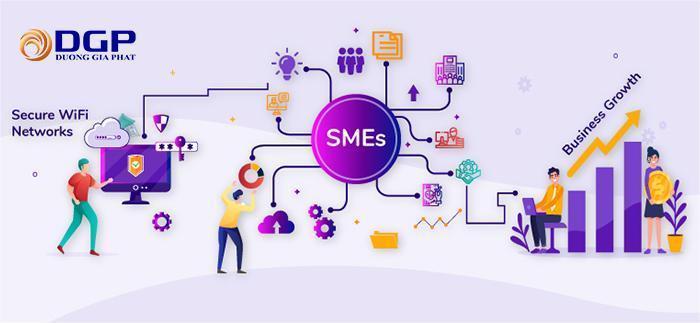
Advice to help SME businesses avoid falling into fake advertising traps
Understanding A.I Washing correctly in marketing
A.I Washing, also known as ”brand manipulation by AI,” is the trick of overusing the term artificial intelligence, misleading customers about the true capabilities of a product or service. According to DPS.MEDIA, this phenomenon is common among many Vietnamese SMEs who abuse “AI” in advertising to create a sense of modern technology without a solid technical foundation.
Recent statistics show that up to 37% of small and medium enterprises have lost credibility due to false advertising about AI on digital platforms [[1](https://www.feedforce.vn/articles/why-multi-platform-brands-win-in-e-commerce)]. This not only directly affects revenue but also causes long-term brand damage.
Identifying and avoiding A.I Washing advertisements
To avoid falling into the trap of fake advertising, SMEs need to equip themselves with knowledge and skills to analyze ads based on clear criteria. First, check whether the product/service transparently explains how AI is specifically applied. If the advertisement is too vague or uses ambiguous language, that could be a warning sign.
DPS.MEDIA advises businesses to choose reputable consulting units and base their digital marketing strategies on real data instead of blindly following technology trends. These actions help increase customer trust and strengthen sustainable competitive advantages.
Checklist to help SMEs avoid fake A.I Washing ads
- Technical verification: Ensure the advertised AI technology has evidence or real case studies.
- Content transparency: Avoid using vague AI terms, clearly explain the uses and limitations of the technology.
- Choose reputable partners: Cooperate with marketing consultants like DPS.MEDIA who have experience and accurate measurement systems.
- Internal training: Enhance understanding of digital marketing and AI for the team to quickly identify misleading advertisements.
- Regular monitoring: Monitor customer feedback to promptly adjust communication messages.
| Evaluation criteria | Importance level | Recommended actions |
|---|---|---|
| AI information transparency | Very high | Detailed explanation in advertisements and communication materials |
| Technology evidence | High | Provide data, case studies, or real demos |
| Consultation address | Average | Choose a unit that understands the market and has a good reputation |
| Customer feedback | bid | Collect and process feedback quickly |
Note from DPS.MEDIA: Don't just chase the AI trend and forget about truth and transparency. Only by truly understanding the nature of technology can SMEs build a convincing advertising system for the long term and avoid falling into the risky trap of A.I Washing.
Takeaway: A.I Washing may be attractive in terms of marketing but poses many risks to the reputation and business effectiveness of SMEs. A realistic, transparent, and data-driven digital marketing strategy is the key for businesses to develop sustainably in the digital age.

Effectively and authentically leveraging A.I for sustainable development
What is A.I Washing? Understanding the misleading marketing tactic
A.I Washing is a term referring to the act of using artificial intelligence (AI) in a non-transparent way or exaggerating AI capabilities in products or services to attract customers. This situation is becoming common in marketing campaigns, especially among SMEs that lack sufficient experience to evaluate and implement AI properly. According to research, over 40% of SME managers in Vietnam have faced difficulties distinguishing between real AI and the “AI Washing” advertising trick [[1](https://jte.edu.vn/index.php/jte/article/view/1664)].
Exploiting AI in an inauthentic way not only erodes trust but also negatively affects the long-term development of businesses. Therefore, DPS.MEDIA always emphasizes transparency and clarity in AI application, helping customers build sustainable brands and create real value.
How to leverage A.I effectively and authentically in marketing strategies
To develop sustainably with AI, SMEs need to focus on using AI based on actual needs, avoiding abuse or putting on a “high-tech” facade just for advertising purposes. For example, AI can help personalize customer experiences, optimize advertising costs, or automate internal processes in a clear and measurable way. DPS.MEDIA encourages businesses to choose suitable AI solutions and regularly verify their effectiveness.
In addition, internal education about AI is also an essential factor to avoid misunderstandings about this technology. A strategy that combines humans and machines will yield optimal results instead of blindly trusting AI.
A.I application checklist for sustainable development from DPS.MEDIA's perspective
- Assess actual needs: Accurately identify the problem to be solved before applying AI.
- Choose transparent solutions: Prioritize tools with clear origins and verified data.
- Continuous control and monitoring: Monitor actual effectiveness and make timely adjustments.
- Authentic communication: Do not over-advertise or exaggerate the capabilities of the AI being used.
- Internal training: Enhance awareness and skills in using AI for the workforce.
| Type of AI | Practical application | Risks of misuse |
|---|---|---|
| Data analytics AI | Optimize advertising campaigns, gain deep customer insights | Biased data leads to inaccurate decisions |
| Content generation AI | Automatically write articles, quickly generate marketing ideas | Uncreative content, culturally inappropriate for customers |
| Customer service AI | Automated chatbot support 24/7 | Unnatural communication negatively impacts experience |
Takeaway: A.I Washing is not only an ethical issue but also a strategic risk in marketing. For sustainable development, SMEs need to utilize AI authentically, based on data and specific needs, while conveying real value to customers, not sacrificing trust for fake advertising tricks.
Sincere feedback
A.I Washing easily causes confusion and reduces trust in real technology. Transparency and honesty in marketing are essential to protect consumers.
Carefully check sources and actual commitments before applying AI technology to your brand. This helps businesses maintain credibility and create sustainable value. You can learn more about effective marketing strategies and practical applications of AI in business. This knowledge will help determine the right approach for SMEs.
DPS.MEDIA is always ready to accompany you in developing a transparent digital marketing strategy. We look forward to your sharing and feedback in the comments section below.