

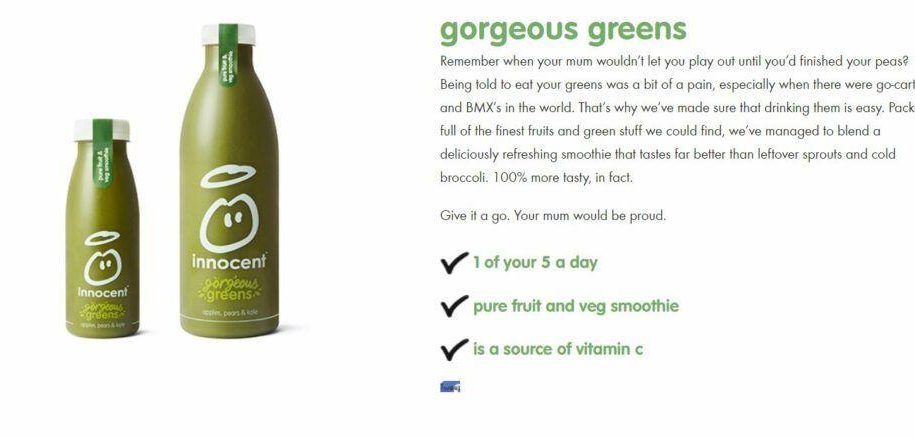

An attractive cosmetic product description can increase purchase conversion rates by up to 78% – according to data from Shopify. When customers cannot try the product directly through the screen, the description becomes the bridge connecting emotions, needs, and purchase decisions. Therefore, if you are selling cosmetics but your product descriptions are just a few standard lines, you are missing out on daily revenue.
Tại DPS.MEDIA, chúng tôi đã triển khai hàng trăm chiến dịch digital marketing cho các nhãn hàng mỹ phẩm trong nước với thông điệp rõ ràng: “Mô tả sản phẩm không chỉ để giới thiệu, mà để bán hàng thông qua cảm xúc, hình ảnh và sự thuyết phục.” Sự thật là, điều khiến khách ‘ấn mua ngay’ không chỉ là công dụng, mà là cách sản phẩm được kể câu chuyện.
Customers don’t buy serum – they buy radiant, healthy skin. They don’t buy lipstick – they buy confidence. Therefore,cosmetic product descriptions need to evoke emotional benefits instead of just listing ingredients.. A good description should make customers imagine themselves using the product, feeling soft skin, seductive lips, or a gentle fragrance right as they read the last line.
The words you choose create images in the reader’s mind. Use strong, specific words, avoid cliché phrases like “premium”, “quality”, and instead describe real effects – such as “fades dark spots in just 14 days” or “instantly brightens after the first use”. Successful brands always integrate scientific value + real user experience into every description.
Finally, remember that each cosmetic product is a personality, and its description needs to convey that character accurately. Descriptions for night creams will be completely different from acne serums or matte lipsticks. DPS.MEDIA always starts from customer insight, then create copy that matches the brand language to describe not only consistency but also captivate at first glance.
Understand the target customer to write according to their needs and desires
Understand customers through behavior, needs, and buying psychology
Target customers are not just people with the same age, gender, or income – they are individuals with their own unique consumer psychology models. Especially in the cosmetics field, every purchase decision often stems from emotion: wanting to feel more confident, more beautiful, younger. According to research by Harvard Business Review (2023), Vietnamese women's cosmetic shopping decisions are mainly triggered by “emotional triggers” such as social recognition, personal expectations, and belief in product effectiveness.
To describe products that touch these emotional touchpoints, DPS.MEDIA often analyzes customer behavior data through:
- Seasonal/contextual search query analysis (e.g.: “serum for sensitive skin in summer”)
- surveying latent needs via social listening (skincare habits, K-Beauty trends, etc.)
- Actual comments and reviews on e-commerce platforms/zalo OA
Through a case study implementing product descriptions for a domestic brand ShePretty,we found that conversion rates increased by 42% after adjusting the tone to better suit Gen Z customers – using simple, concise language, creating a “sharing beauty tips” vibe instead of salesy.
| customer segment | Main insight | Writing suggestions |
|---|---|---|
| Gen Z (18–24) | Love dynamism, new experiences | Use vivid images, familiar words, and viral elements |
| Office women (25–35) | Prioritize effectiveness and reliability | Proven by data, real feedback |
| Postpartum women | Desire for safety, skin recovery | Nhấn mạnh thành phần thiên nhiên & chứng nhận an toàn |
Therefore, each cosmetic product description needs to be “tailored” exactly to the emotional journey of each buyer group. According to DPS.MEDIA, that is the real “key” that makes them want to buy immediately without hesitation.
Leverage emotional language to effectively describe the product
Use emotions to trigger purchase decisions
Instead of describing dryly like “moisturizing cream containing vitamin C”, paint an emotional state that the product brings: “The feeling of your skin being awakened every morning – smooth, plump, and full of vitality.” According to research by Harvard Business Review, emotional attachment drives up to 95% of shopping behavior – this is especially true for cosmetics, where buyers seek the feeling of being pampered and more confident.
The content team at DPS.MEDIA often uses the technique of “Emotion-first writing” – putting the emotion the product brings before its features. For example, for a sleeping mask product:
- Lack of emotion: The mask helps hydrate and restore the skin
- With emotion: Let your skin sleep as soundly as you do – wake up radiant, fresh, and silky smooth
Vivid language stimulates visual imagination
Describe the product as a sensory experience, rather than just an item to use. From “as smooth as peony petals,” “brings the glow of morning dew” to “melts in like a thin mist on the skin” – these phrases evoke powerful imagery, helping the reader imagine the feeling of using the product even if they’ve never touched it.
Below are some example phrases recommended by DPS.MEDIA when writing descriptions for natural skincare product lines:
| Emotional state | Imagery-invoking words |
|---|---|
| Relaxation | “Like a gentle hug from nature” |
| Rebirth | “Skin awakening after a deep sleep” |
| Confidence | “Radiant as if just stepping out of a luxury spa” |
Case study: Increase conversion by changing word usage
An organic cosmetics brand in Ho Chi Minh City once collaborated with DPS.MEDIA to reposition their brand through product descriptions. After replacing descriptions like: “Light, fast-absorbing moisturizer for dry skin” with “A veil of mist embracing your skin, sealing away every sign of dryness after just one night,” the conversion rate on the page increased by 43% in just 6 weeks.
This is clear evidence that words are not just a means of communication – but also an emotional bridge guiding purchasing behavior.
Highlight ingredients and uses in an easy-to-understand and trustworthy way
Decode ingredients: Simplify to attract
A common mistake in cosmetic product descriptions is using too much technical jargon, which confuses users. According to research from the Journal of Consumer Research (2021), users tend to trust more when they clearly understand the ingredients and benefits. Therefore, at DPS.MEDIA, we recommend you should:
- Change “Niacinamide” to “Vitamin B3 helps brighten skin and reduce dark spots”
- Replace “Salicylic Acid” with “Extract from white willow bark helps clear acne”
- Clearly explain the benefits, avoid writing in a clichéd manner
Create a visual ingredient table to increase trust
Most of your customers don't have time to read every line of description. Therefore, using an ingredient table with benefits not only makes it easier for them to read, but also helps affirm the brand's transparency:
| Ingredients | Benefits | Visible Results |
|---|---|---|
| Hyaluronic Acid | Deep hydration, 24-hour moisture retention | Instantly hydrated, plump skin |
| Vitamin C | Brightens skin, fades dark spots | Evens skin tone after 2 weeks of use |
| Green tea extract | Anti-inflammatory, reduces irritation | Helps soothe acne-prone skin, visible results after 1 week |
Case study: Why did the Gen P local brand sell out on e-commerce platforms?
Một ví dụ thành công đến từ thương hiệu mỹ phẩm Việt tên “gen P” – một case DPS.MEDIA có dịp tư vấn nội dung.Gen P không chỉ dùng bảng thành phần rõ ràng mà còn bổ sung infographic dạng “before/after” sau mỗi 7 ngày sử dụng. Họ chia nhỏ công dụng từng hoạt chất theo mô hình “1-3-7”,tương đương với: hiệu quả sau 1 ngày,3 ngày và 7 ngày sử dụng.
Kết quả: Doanh số tăng 193% sau 2 tháng triển khai chiến dịch nội dung mới trên Shopee & Tiki. Đó là minh chứng rõ rằng khi thành phần trở nên “hiểu được,” nó sẽ “bán chạy.”
Advice from DPS.MEDIA
Always write content for users first, then for search engines. Modern consumers don't just buy because of the product — they buy because of clarity, being empowered to understand what they're putting on their face. Make ingredients “tell a story” in the language of the buyer – like a close friend recommending the best fit for their skin.
Tell the brand story to increase connection and trust
Connect the brand with an authentic journey
A cosmetic product is not just an item – it is a part of the personal beauty journey. At DPS.MEDIA, we discovered that brands that can tell stories often start from real problems tend to create stronger emotional connections. Describe the product by telling about the birth of the care formula: starting from the founder's concern about their sensitive skin, or the journey to find organic ingredients in the mountains of Northeast Vietnam. Real details will make readers feel like they are using something personal – not a mass-produced product.
Illustrate with real data – don’t just say, prove it
according to Nielsen research (2023), over 76% of Gen Z consumers want to know the “essence” inside the product, especially when shopping online. Integrate small stories from previous customers or production partners to build trust. For example:
| storyteller | Story details |
|---|---|
| Brand owner | “Tôi từng gặp khó khăn với nám mãn tính, nên tự phát triển công thức này suốt 2 năm.” |
| Actual user | “Sau 3 tuần, da tôi sáng tự nhiên mà không bong tróc hay kích ứng.” |
| Experts | “Thành phần niacinamide 5% dùng đúng liều lượng nên hiệu quả trong 28 ngày.” |
Build brand image with consistent storytelling
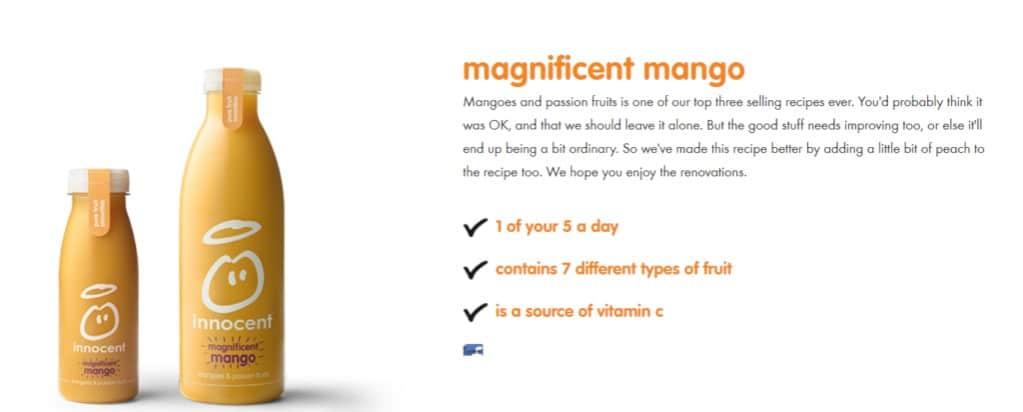
A product description should convey the feeling: I am buying the very lifestyle that the brand represents. Instead of focusing on features (moisturizing, brightening), describe the experience activated by the product. For example:
- Open the serum cap – the lavender scent makes you feel as peaceful as a Da Lat afternoon.
- Touch the cream texture – soft and velvety like velvet, melting instantly on your warm fingertip.
not every cosmetic description needs “ingredients” or “effectiveness”, but rather how to make the reader feel they have started their journey to beauty right from the very first sentence.
Add social proof elements to reinforce purchase decisions
Leverage real reviews and user-generated content to build trust
The presence of elements social proof in the product description not only helps customers trust more, but also speeds up the decision-making process. A study from Nielsen shows 92% consumers trust reviews from other users more than advertisements from brands.
At DPS.MEDIA, we advise SMEs to skillfully integrate the following content into cosmetic descriptions:
- Highlight review quotes – concise but full of emotion, especially from the KOC group of the market niche.
- Before/after use – use real customer photos or testimonial videos to help buyers visualize the results.
- review slideshow – instead of listing text, use interactive slides to increase time spent on the page.
Skillfully use data and specify product effectiveness
Thay vì những mô tả mơ hồ kiểu “giúp da sáng mịn ngay sau lần đầu”, bạn có thể xây dựng a table of small achievements based on internal survey results or user trials. This not only increases credibility but also brings a scientific feel to the cosmetic description.
| Results after 14 days of use | User rate |
|---|---|
| Noticeably more even skin tone | 87% |
| Reduces whiteheads and inflammation | 73% |
| Minimizes pores | 65% |
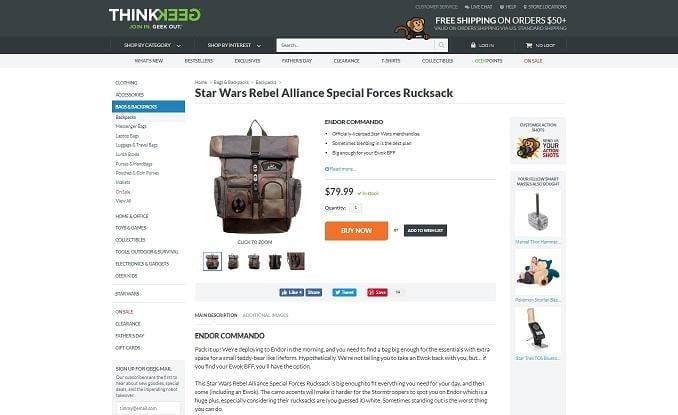
Specific example: In a content project for a local skincare brand, we at DPS.MEDIA proposed displaying authentic photos from real customers through an Instagram hashtag campaign. The result was the conversion rate on the product page increased by 221% in just one week.
Optimize structure and length to make content easy to read and persuasive
Break content according to the natural reading rhythm of consumers
A cosmetic product description should not be a lengthy list of features. Instead,break the content into short paragraphs, each with a maximum of 3-4 lines. Áp dụng nguyên lý “scannable content” từ Harvard Business Review, readers only need 15 seconds to decide whether to continue reading. This is extremely important in the online environment—where patience is limited.
- First paragraph: convey a feeling—seductiveness, smoothness, or captivating scent
- Middle paragraph: state scientifically backed benefits (e.g.: contains 5% niacinamide, proven to brighten skin after 2 weeks)
- Final paragraph: Soft CTA đi kèm cam kết (“Hãy thử và cảm nhận sự khác biệt sau 7 ngày!”)
Use the structure “Benefit instead of Feature”
Tại DPS.MEDIA, chúng tôi khuyên smes không dừng lại ở dạng mô tả: “Serum chứa Vitamin C tự nhiên”. Thay vào đó, hãy viết theo hướng người tiêu dùng tự hỏi: “Tôi sẽ nhận được gì?” Ví dụ dưới là so sánh giữa cách viết cũ và mới:
| Conventional writing style | Optimized writing style |
|---|---|
| Contains 1% Hyaluronic Acid | Skin feels plump and smooth after 30 seconds, moisturized for up to 8 hours |
| Green tea extract | Reduce 85% of inflammatory acne after 14 days, approved by the dermatology institute |
Real-life example: Rebranding helps increase add-to-cart rate by 28%
We once supported a local sunscreen brand to adjust their product description content from a listing model to an emotional + scientific feature model. After 2 months:
- The conversion rate on the product page increased from 1.3% to 3.7%
- Tỉ lệ “add to cart” tăng 280% so với tháng trước
- Average time on page increased 2.5 times
This shows that: structure and length are not just theoretical—they determine purchasing behavior.

Suggest strong and natural CTAs to drive immediate action
Choose emotional touchpoints to guide action
A strong CTA in cosmetic product descriptions is not simply “Buy now” or “Order here”. According to research from Harvard Business Review, cosmetic consumer behavior is heavily influenced by personal emotions – customers don’t just buy products, they buy hope for a better version of themselves.
Try using a CTA tied to a specific emotional effect:
- “Shine with radiant skin after 7 days – Order today!”
- “Start your day confidently with smooth, glowing skin – Try now!”
- “No more worrying about covering flaws – Choose the right tone for you”
Apply CTA as an extension of the experience
At DPS.MEDIA, we helped a natural cosmetics startup in Hue increase their conversion rate by 154% just by rearranging the CTA in the product description. The action buttons were written as a seamless part of the content – no break in thought, no feeling of being “called to action”.
| Previous CTA style | CTA after adjustment | Impact |
|---|---|---|
| Buy now | Try the Japanese Peach Pink shade now – Immerse yourself in the 2024 trend | +112% clicks |
| Register for consultation | Receive free skin analysis from experts | +89% registration form |
Use action-triggering language without creating pressure
Effective CTA does not create a feeling of being “forced to buy”. Use suggestive language, clearly oriented benefits, and emphasize scarcity or timing.
- “Only 87 sets left – Will you be the last to own this brightening combo?”
- “Offer only valid for 48h – Ready for a transformation?”
- “First experience is free – Your skin deserves to feel the difference”
Implementing effective CTAs requires deep understanding of customer behavior and shopping emotions. DPS.MEDIA encourages SMEs to approach CTA as a connection tool, not just a closing tool. This is the difference that makes product descriptions more persuasive.
Final Thoughts
Writing cosmetic product descriptions is not just about words, but the art of evoking emotions, stimulating needs, and driving action. When you know how to combine accurate information, persuasive language, and empathy with consumers, your business can turn every line of description into a step closer to customer conversion. It is the bridge between brand and buyer — subtle, sincere, and inspiring.
At DPS.MEDIA, we believe that every word in a content strategy needs to be placed correctly to create real value. Especially for SMEs trying to build credibility in the highly competitive cosmetics industry, a multi-channel content strategy – from product descriptions, blog posts, to email marketing – will help the brand say the right thing, to the right person, at the right time.
You can start practicing by analyzing your current product descriptions, trying to apply the D.E.A.L structure to clarify advantages, or selecting emotional keywords that suit your target audience. If interested, you can also learn more about storytelling in marketing or how to build a brand voice that fits your customer group Gen Z and Gen Y – the most dynamic cosmetic buyers today.
DPS.MEDIA is always ready to accompany and provide content strategy solutions suitable for your resources and business growth goals. Don’t hesitate to share your views in the comments, or ask questions if you need further support — we look forward to discussing with you!